

Introduction
Lucky Trouble is a single-install game that gathers the energy of classic boys' (shounen) manga into a curated, chapter-based experience that invites players to revisit the emotional beats of action, friendship, and dramatic twists. Lucky Trouble presents those qualities through short playable scenes and scene-based levels that prioritize storytelling moments and tight, accessible mechanics; the app is aimed at fans who want a portable way to reconnect with familiar themes and newcomers who are curious about why those stories resonated. The first impression is deliberately nostalgic: each chapter feels like stepping back into a memorable panel, with pacing tuned to recreate the highs and lows of serialized manga while remaining approachable on a phone or tablet.
Gameplay and Controls
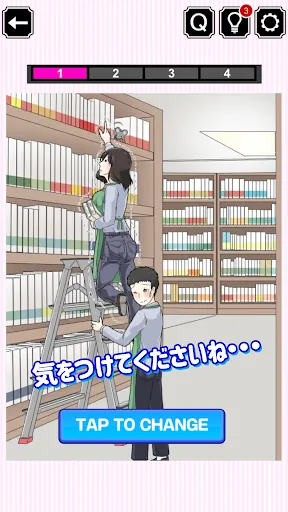
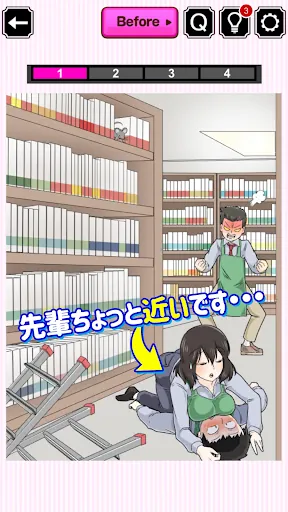
Gameplay in Lucky Trouble emphasizes short-session play and clear interaction patterns so you can jump in for a few minutes or longer sessions without losing context. Each level represents a condensed story segment where players solve encounter-based challenges: quick-timed actions, decision points that influence short cutscenes, and light puzzle or combat-style sequences that rely on pattern recognition rather than complex input. Touch controls are straightforward, built around taps, swipes and on-screen prompts that map directly to actions; a single-handed control option is included to make play comfortable on smaller screens. Hints and a gentle difficulty curve help newcomers learn mechanics quickly while higher difficulty settings preserve the sharper reflex and timing challenges that longtime fans appreciate.
Progression and Challenge
Progression in Lucky Trouble is structured around chapters and unlockable content rather than grind-heavy systems. Completing a chapter unlocks the next scene and awards items such as artwork, short character notes, or in-game modifiers that let you replay segments with different conditions. There is a layered challenge model: a standard completion path for story flow, optional challenge objectives for higher rewards, and difficulty modifiers that increase enemy patterns or time constraints for players who want extra test of skill. These options give players reasons to return to earlier episodes to chase better performance and to explore alternate outcomes within the same chapter structure.
Visual Style and Presentation
The visual approach leans on bold, manga-inspired composition with dynamic panel transitions, high-contrast line art, and cinematic framing that emphasize emotional moments and dramatic reveals. Backgrounds are rendered to suggest classic serialized settings while character expressions and poses are exaggerated just enough to capture the spirit of boys' manga without copying any single source. Animations are optimized for a smooth experience on a wide range of devices, and sound design supports key beats with simple effects and musical cues that reinforce pacing without overwhelming the core gameplay.
Customization and Replay Value
Customization in Lucky Trouble focuses on options that change presentation and replay variety: alternate outfits or portrait styles, different color palettes for panels, and optional modifiers that alter level tempo or enemy behavior. These cosmetic and gameplay modifiers are unlocked through normal progression, encouraging players to revisit chapters to collect them. Replay value comes from branching decision points, optional objectives that adjust how a chapter plays, and a collectible gallery that rewards completionists. Because levels are short and self-contained, replaying a favorite scene to try a new approach or to experience unlockable content is quick and satisfying.
User Experience, Accessibility and Offline Play
Lucky Trouble is designed to be accessible and considerate of varied play contexts. Text size and contrast options help readability, touch target sizing reduces input errors, and a relaxed mode that reduces timing pressure is available for players who prefer narrative-focused sessions. The interface minimizes unnecessary prompts and keeps menus simple so players can find chapters, settings, and unlocked content without navigating deep submenus. Importantly, the core chapter content is playable offline after download, so you can enjoy the compiled stories and practice challenges without an active internet connection. The app also includes an optional tutorial that can be replayed at any time to reacquaint yourself with controls.
Challenges, Limits and Audience
While Lucky Trouble primarily celebrates shounen-style storytelling and the rhythms of action-driven episodes, that focus means it may be less suited to players seeking purely simulation-style gameplay or extensive open-ended systems. The game intentionally concentrates on short, narrative-led levels rather than long sandbox sessions, and its greatest strengths lie in delivering compact, emotionally charged moments rather than expansive mechanical depth. For fans of classic boys' manga themes or anyone wanting a mobile collection of evocative scenes with repeatable challenges, Lucky Trouble offers an accessible, well-paced way to reconnect with that style of storytelling.
- No virus
- No advertising
- User protection
Information
- File size: 110.40 M
- Language: English
- Latest Version: 1.0.4
- Requirements: Android
- Votes: 368
- Package ID: com.kanda.rakitora
- Developer: Honor apps
Screenshots















Explore More
Are you searching for an enjoyable method to strengthen your intellect? Our hottest logical puzzle is tailor-made to offer a stress-free pastime experience. With beautiful graphics and chill background music, you can immerse yourself in an engaging world of logic and critical thinking. Solve increasingly tricky levels at your own pace, with no time pressure or lives system.

Lust Theory - Season 2

Catgirls From My Sweet Dream - Neko Girls Android

Rebecca and the Sword of Nasty Curses

The Witch Knight Anna -The Black Serpent and the Golden Wind

Happy Wheels game

Sonic Mania Plus Mobile

Project Makeover Latest

Lust Theory - Season 3