
Introduction
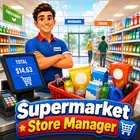
Supermarket Store Manager places you in the role of a retail owner who builds a modest grocery outlet into a thriving supermarket through steady decisions rather than fast reflexes. This editorial overview of Supermarket Store Manager describes the core systems you will use every day: stocking shelves, directing staff, managing inventory, tuning the shop layout, and responding to shifting customer demand. The tone favors practical explanation over hype so you can quickly understand whether the game fits your play style.
Gameplay mechanics
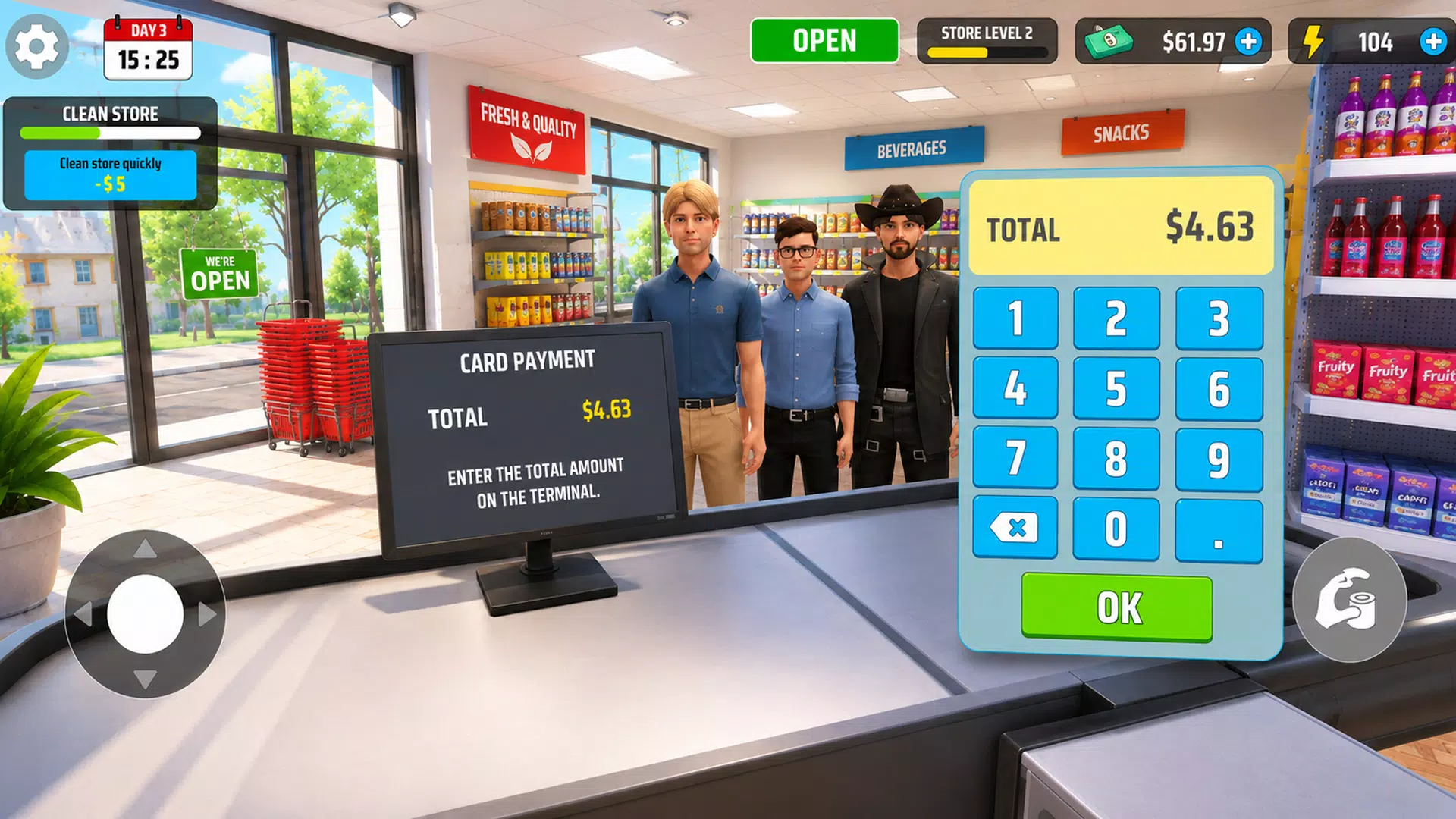
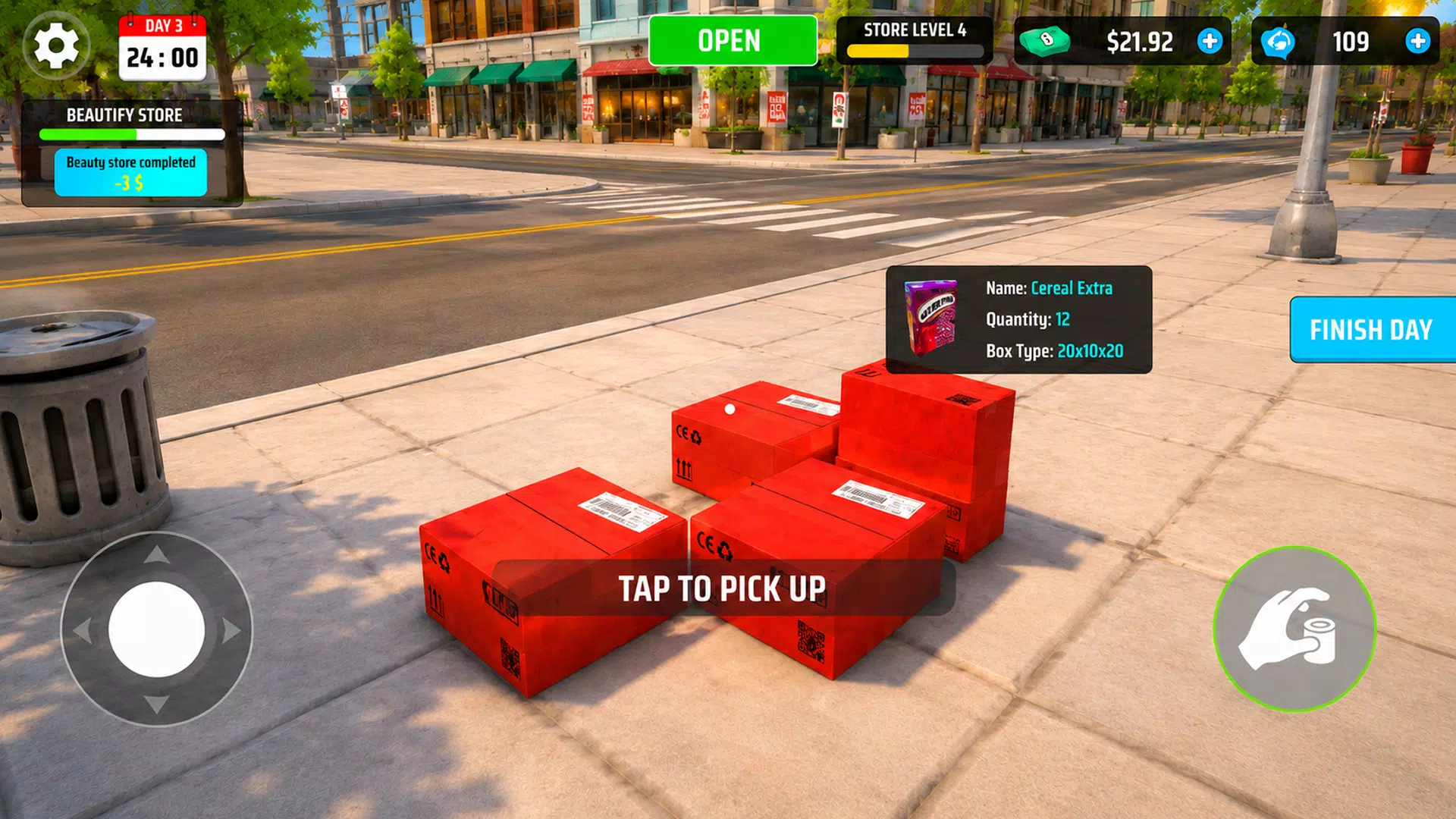
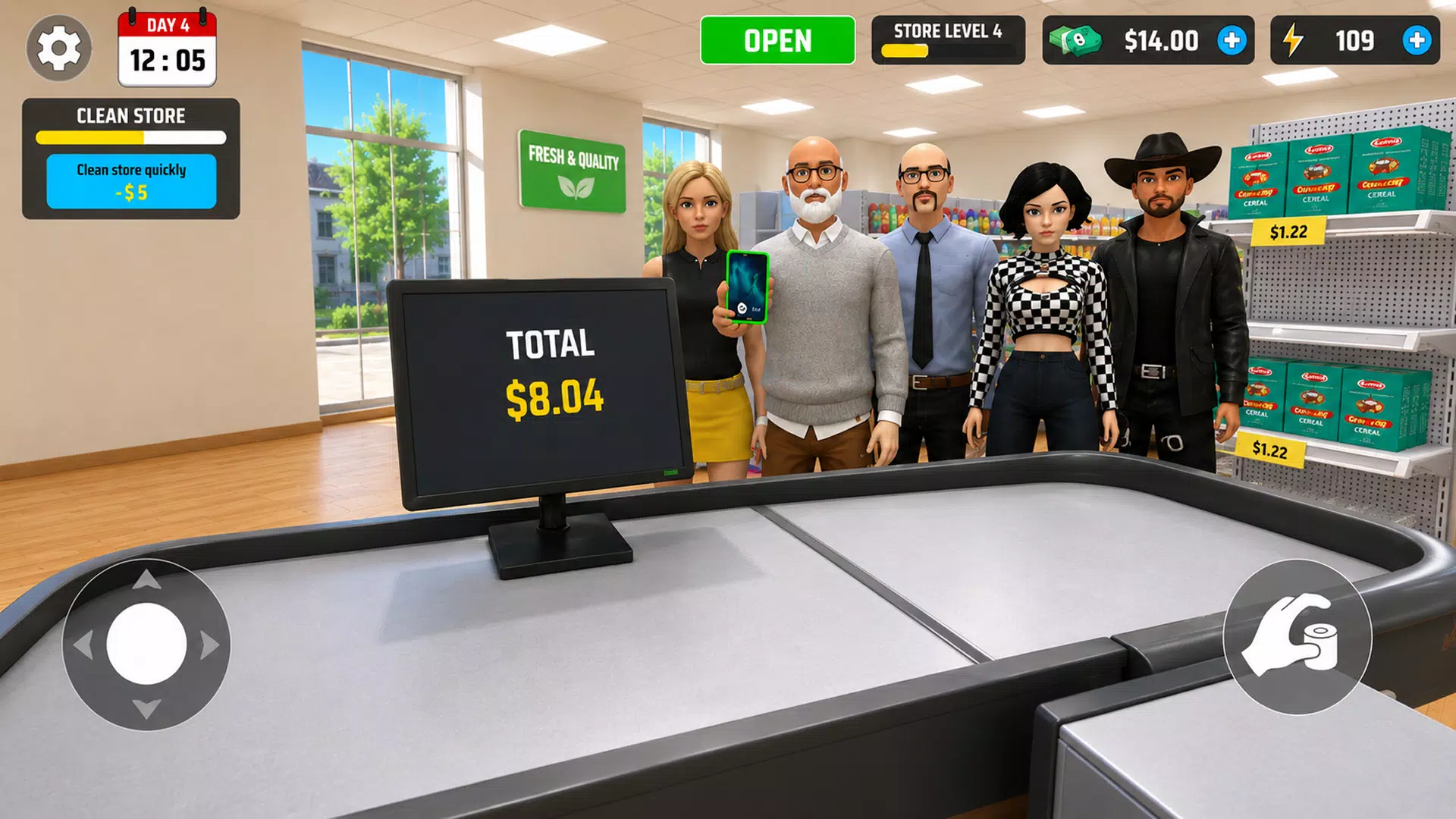
The heart of the experience is a clear, repeatable loop of daily store operations that rewards thoughtful planning. Players replenish diverse product categories, set inventory levels to avoid stockouts, and handle customer interactions at checkout. Customer flow and product demand change with time of day and store size, creating predictable rhythms that encourage organizers to place best-sellers in strategic locations, rotate promotions, and prioritize restocking tasks. Mechanics remain approachable: actions are designed to be understandable in short sessions, while layered demands invite more careful scheduling in longer play periods.
Controls and accessibility
Controls are optimized for touch devices using simple taps and drag gestures for moving items, opening inventory panels, and assigning staff roles. Contextual prompts appear when needed to keep the interface uncluttered, helping new players focus on decision-making rather than menu navigation. Accessibility settings include adjustable text size, simplified control hints, and optional visual contrast adjustments so players with different needs can tailor the experience. Small tweaks in the UI reduce cognitive load while preserving the game's strategic depth.
Progression and upgrade systems
Progression in Supermarket Store Manager is tied to earned revenue and a transparent upgrade tree that makes each investment feel meaningful. As you earn profits you unlock new shelf types, faster checkout counters, expanded floor plans, and equipment that automates repetitive tasks. Decisions about whether to expand sales space, invest in refrigeration for perishable goods, or hire specialized staff shape your mid- and long-term strategy. Each upgrade has clear trade-offs and visible impact on customer patience, throughput, and available inventory, which keeps progression satisfying without forcing excessive grinding.
Visual style and audio
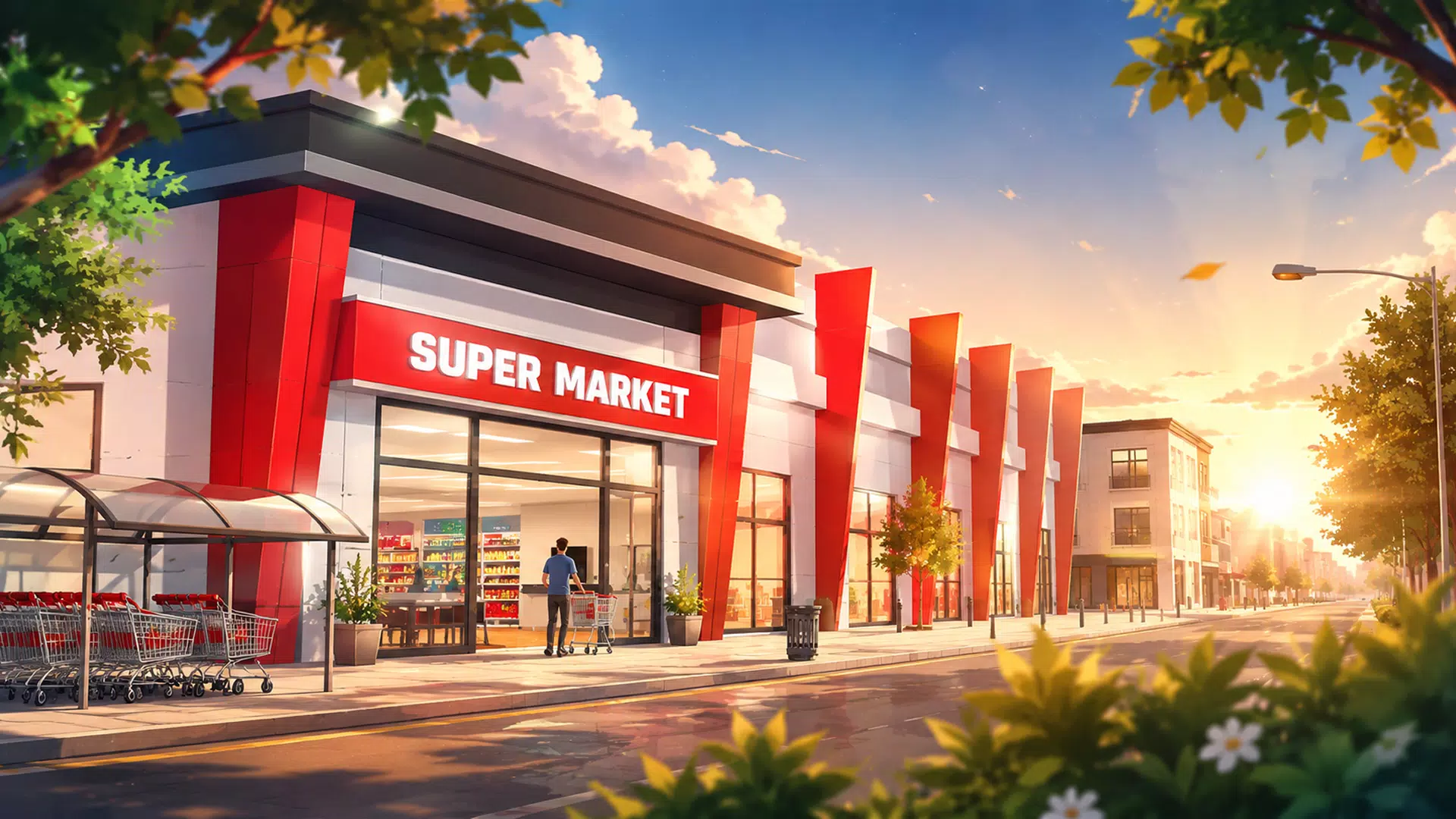
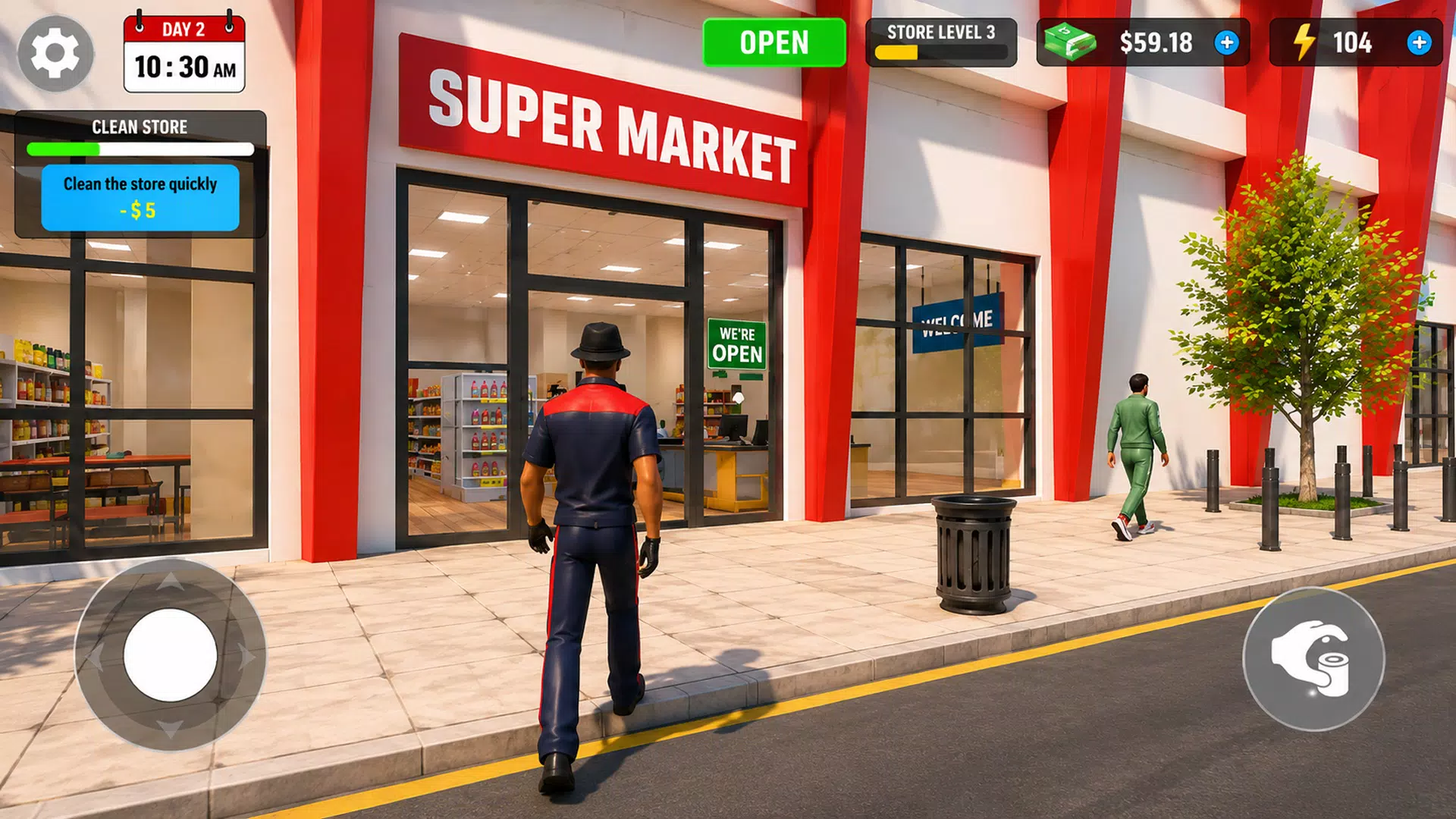
The presentation favors clear, colorful graphics and an interface that communicates store status at a glance. Product icons, shelf labels, and customer indicators are designed for immediate recognition so you can act quickly when the shop gets busy. Subtle ambient sounds and light audio cues enhance the sense of running a real store without overwhelming the experience; all sound effects and music can be muted independently if you prefer a quieter session. Visual clarity remains a priority so functional information is always easy to read.
Level structure and challenge systems
Players progress through a series of scenarios that represent different store sizes and market conditions, each introducing new constraints and opportunities. Early stages move at a relaxed pace to teach core mechanics, while later levels introduce seasonal demand shifts, limited-time promotions, and variations in customer patience that require closer inventory and staff coordination. Challenges are balanced to preserve a calming simulation atmosphere while delivering satisfying problem-solving moments that reward planning and efficient layouts.
Customization and staff management
Customization emphasizes store layout and workflow decisions that influence customer movement and sales rather than purely cosmetic changes. Rearranging aisles, positioning promotional displays, and organizing shelf assortments affect how shoppers navigate your store. Hiring and assigning staff adds a layer of operational strategy: place employees on restocking duty, checkout, or customer assistance to smooth traffic and reduce bottlenecks. Staff performance can be improved through targeted upgrades so personnel choices have measurable impact.
Replay value and offline play
The game encourages repeat play through varied store scenarios, an expanding set of upgrades, and optional efficiency challenges that invite experimentation with different strategies. Because the core systems are local, Supermarket Store Manager supports offline play so you can run a shift without an internet connection, making it convenient for commutes or areas with limited connectivity. This design ensures that progress and core mechanics remain accessible at any time and that replaying older levels with new upgrades continues to feel rewarding.
User experience and long-term appeal
The overall design emphasizes steady, measurable progress: completing busy shifts, expanding floor space, and unlocking upgrades provide a continuous sense of accomplishment. The balance between relaxing simulation and light strategy gives lasting appeal to players who prefer methodical planning and incremental improvement. Clear controls, gradual challenge increases, and meaningful upgrades combine to offer a satisfying supermarket management experience that remains approachable while offering depth for players who want to optimize performance over time.
- No virus
- No advertising
- User protection
Information
- File size: 156.90 M
- Language: English
- Latest Version: 1.0.0
- Requirements: Android
- Votes: 460
- Package ID: com.htk.supermarket.storemanager
- Developer: HAI TRUNG KIM BUSINESS TRADING COMPANY LIMITED
Screenshots
















Explore More
Become the leader of your own thriving settlement in this addictive new strategy game. Build and customize homes, shops, farms and more to expand your village. Manage resources carefully to keep your people happy and productive. Send explorers on missions to find valuable loot and artifacts. Defend against raider attacks with walls, traps and an army of your own. With randomly generated maps and emergent gameplay, no two games are the same.

Call Thiefter

Shadows of Absence

898A

Big Winner

Scarlet Savior

iNTeRcepted

Nitro Blaze

Isle of Kinara