

Introduction
Gangsta Party is a gritty narrative-driven mobile game that drops players into Bradbury, a city shaped by money, influence and gang power. Gangsta Party centers on a single protagonist navigating early-adulthood pressures and difficult choices, asking whether to pursue power within the city's criminal networks or to find a safer, smarter path out of the underworld; every decision affects reputation, relationships and the story's outcome.
Key features
This title emphasizes branching storytelling and character-driven drama rather than action setpieces. Dialogue choices and moral dilemmas sit at the core of the experience, with multiple narrative branches that lead to different reputational states and possible endings. The game is presented by an independent studio, Catman Games, and aims for a raw, atmospheric depiction of urban life rather than a sanitized crime saga. Players will encounter consequence-driven decisions, recurring NPCs whose attitudes change depending on past choices, and a focus on pace and mood over arcade mechanics.
Gameplay and controls
Gameplay is centered on reading, selecting responses, and managing relationships through a clear, touch-first interface. Controls are simple and suitable for mobile: tap to choose dialogue options, swipe or tap to navigate chapter menus and scene maps, and use contextual prompts to inspect locations or trigger short narrative events. Interaction is designed to be approachable for new players while offering depth in the way choices compound over time. Some scenes include time-sensitive decisions to raise tension, but the overall pace favors thoughtful consideration and role-play over reflex-based challenges.
Progression and replay value
Progression in Gangsta Party is narrative-driven rather than level-gated. As you move through chapters set in different parts of Bradbury, your reputation with factions and characters shifts based on decisions, opening or closing story paths and dialogue options. The game encourages replaying sections to explore alternative outcomes: different choices unlock new scenes, reveal hidden motivations, and produce distinct endings. Save points are placed between chapters so players can experiment with alternate choices without replaying the entire game, increasing replay value while keeping the experience manageable on mobile devices.
Visual style and level structure
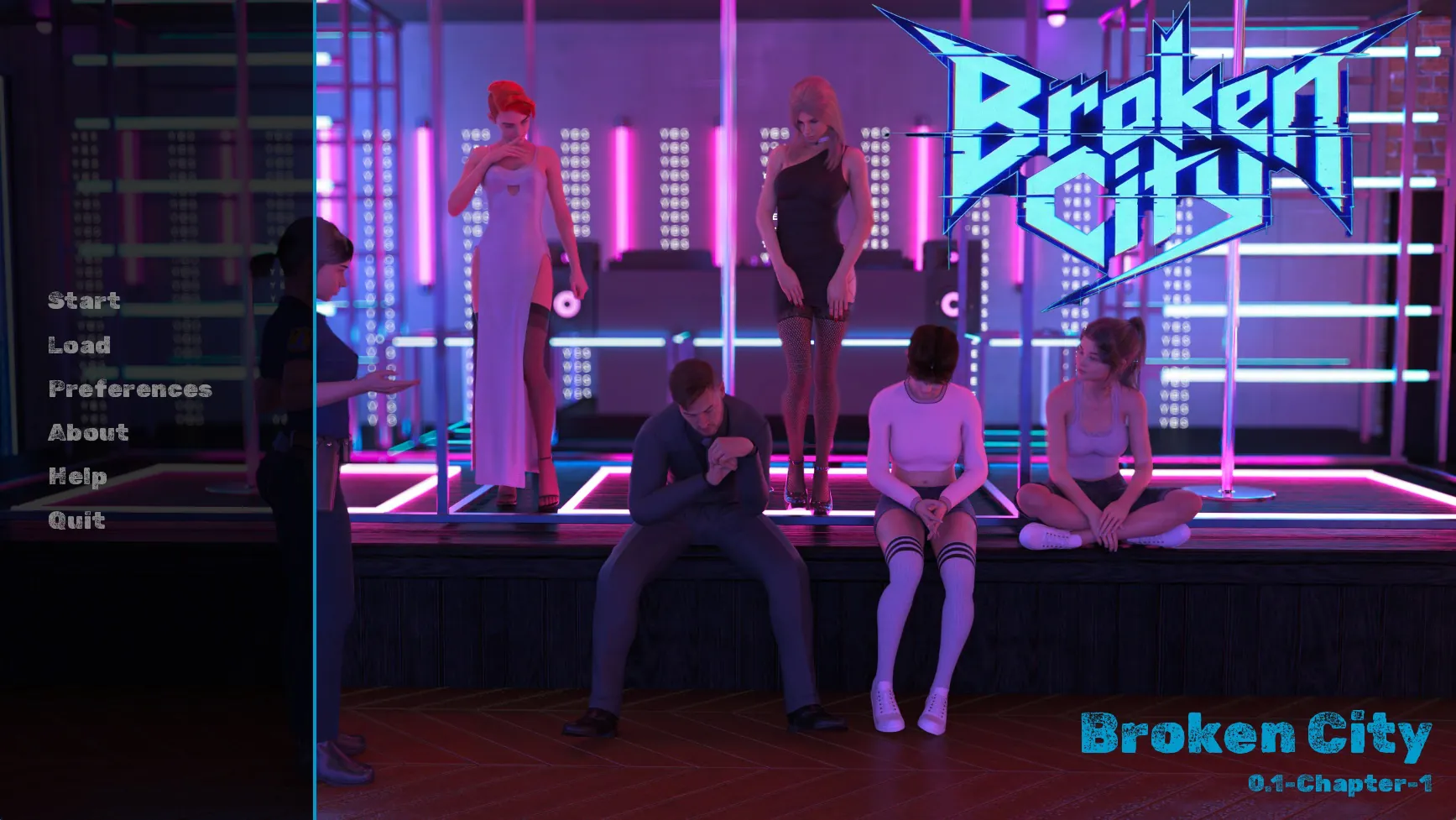
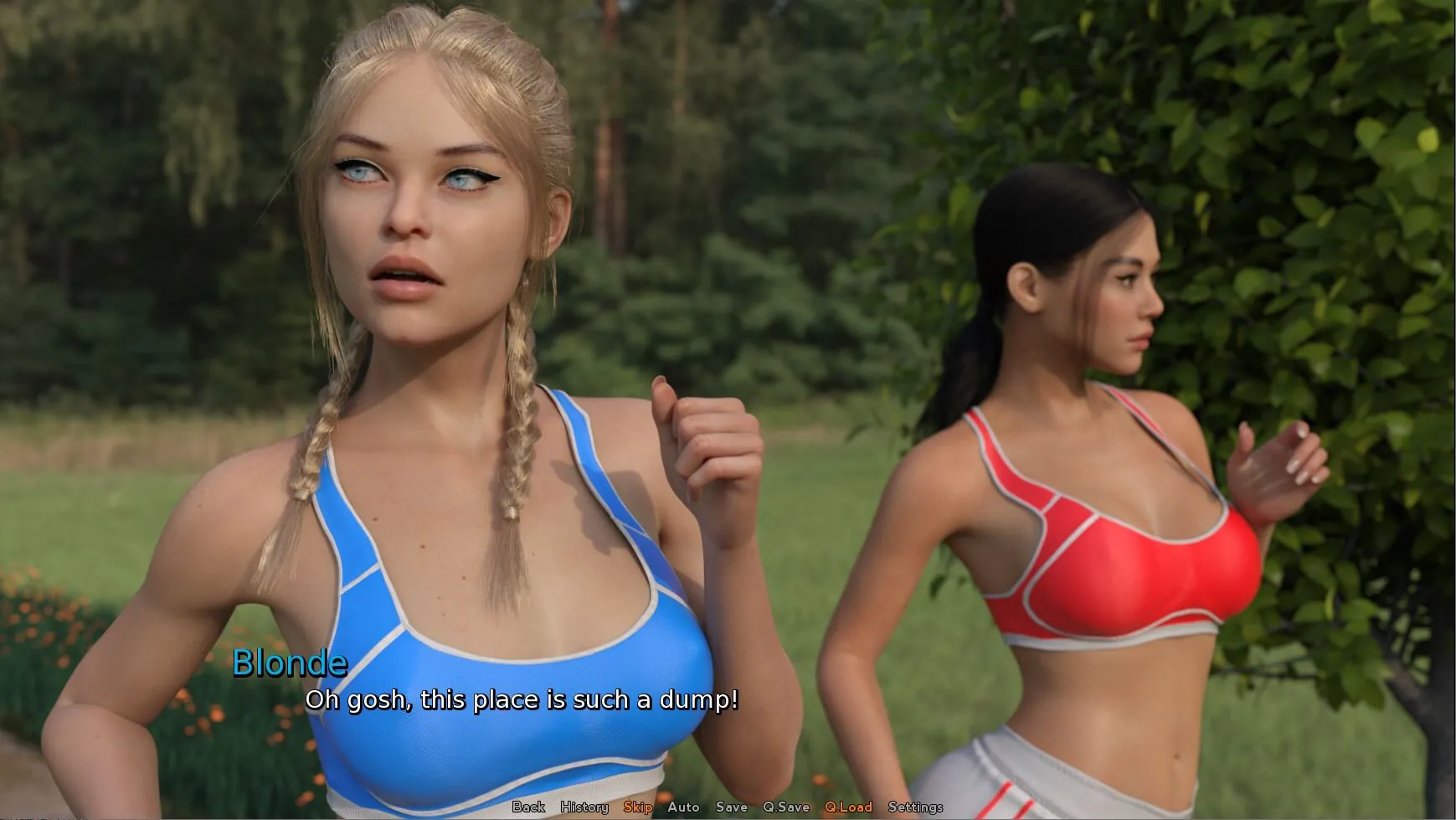
The visual approach is atmospheric and grounded, emphasizing mood through lighting, color palettes and urban details rather than hyper-realistic graphics. Environments are organized into chapters and districts of Bradbury, each with its own tone—from run-down neighborhoods to areas of tense commerce—so the city itself becomes a character in the story. Scenes are structured to focus on character interactions and environmental storytelling, using background art and short animated touches to support immersion while keeping performance accessible to a wide range of devices.
Character development and customization
Character development in Gangsta Party is expressed through narrative choices, relationship dynamics and reputation changes rather than heavy mechanical customization. Players shape the protagonist's personality, alliances and moral stance over time, which in turn alters available options and how other characters react. This emphasis on decision-based development keeps the story personal and responsive while avoiding unnecessary complexity in gameplay systems.
Accessibility, offline play and user experience
The interface prioritizes readability and straightforward navigation, with options aimed at improving accessibility such as adjustable text size and subtitle support to help players follow dialogue-heavy scenes. The game is built to be playable offline so users can progress through the story without a constant network connection. Menus, prompts and save mechanics are designed to be clear and forgiving: choices are presented with context and consequences that are discoverable, and the experience favors player agency over trial-and-error frustration.
Challenge systems and early access notes
Challenges arise from difficult decisions, shifting alliances and limited resources in certain story beats rather than from combat or competitive systems. These narrative challenges are intended to provoke reflection and replay, and to reward players who explore different approaches. As noted by the developer, this listing reflects version 0.1 and an initial release state: you may encounter rough edges or limited content compared with larger productions, and Catman Games plans ongoing updates to expand scenes, refine pacing and address community feedback.
About the developer and version information
Gangsta Party is developed by Catman Games, an independent studio sharing a personal and gritty take on life inside a troubled city. Version 0.1 introduces the core story, choice mechanics and the reputation framework that underpin later content expansions. The developer welcomes constructive feedback and intends to iterate on narrative arcs, polish UI elements and expand branching content in future updates.
- No virus
- No advertising
- User protection
Information
- File size: 553.00 M
- Language: English
- Latest Version: 0.1
- Requirements: Android
- Votes: 99
- Package ID: com.game.gangsta.party
- Developer: Catman
Screenshots















Explore More
Recapture the magic of classic gaming with our new fast-paced arcade extravaganza! Simple and addictive, get ready for high scores galore. With bright retro graphics and pulse-pounding beats, it’s nonstop action right from the start. Tap into your reflexes and dexterity to overcome high-speed challenges. Face off against devious enemies and formidable bosses. Unlock new levels, power-ups and secrets as you advance.

Whopper clicker

KM777

TANTE777

Mario Multiversal Android Port

Do Your Best Chika Chan FREE

Five Nights at Hololive

Scratching an itch
Stand Era Dream World