


Introduction
Pullhouse is an adult-oriented narrative simulation that frames its experience around a fictional dating and video-chat style app, presenting a character-driven social-simulation where status, choices and in-game resources influence what content and interactions are available. Pullhouse places emphasis on decision-making, scripted encounters and a clear progression loop rather than real-time multiplayer, offering players a contained single-player experience that explores power dynamics and resource trade-offs within a stylized interface.
Key Features
The game centers on an in-app interface that mimics menus, profiles and staged video-chat sequences, allowing players to navigate conversations and scripted events through simple menu selections. Pullhouse uses a tiered screening system to organize characters: different status levels determine which options and features are visible during registration and while using the in-game app. A tribute-style progression path is included, where players may spend earned currency or in-game gifts to access additional scripted scenes and premium content. All visual assets and most in-game captions are created with AI-assisted illustration combined with human curation to deliver a consistent visual and narrative tone.
Gameplay Mechanics
Gameplay in Pullhouse relies on a mix of resource management and branching scripted interactions. Players manage an in-game currency balance and decide how to allocate gifts or credits toward unlocking private sequences, profile boosts or special encounters. The tiered screening mechanic determines which menus, chat options and mini-events are available, creating a risk-and-reward loop: investing resources can open exclusive content but may require prioritizing certain pathways over others. Encounters are primarily menu-driven and follow pre-authored scripts that respond to a player’s status and prior choices, producing a focused, role-driven progression rather than open-ended simulation.
Controls and Accessibility
Pullhouse is designed with straightforward touch-driven controls in mind: tap-based navigation, clear on-screen prompts and modal dialogs guide players through registration, profile browsing and scripted chats. The interface emphasizes readable captions and clear button feedback to reduce confusion during decision points. For accessibility, the developers provide adjustable text size and contrast-friendly UI elements to help improve readability, and the scripted nature of interactions means players can pause between steps to read at their own pace. Control complexity is intentionally limited so the experience remains approachable on a wide range of Android devices.
Progression Systems and Challenge
Progression in Pullhouse combines status management, resource allocation and outcome-based scripting. Character tiers affect how quickly new options appear, and tribute-style investments can accelerate access to locked content. Success often depends on balancing immediate rewards with long-term goals: choosing to spend resources on one interaction may close off others, encouraging replay to discover alternate routes. The challenge comes from planning resource expenditure and exploring the different consequences of registration and in-app decisions rather than reflex-based tests, which makes the pace contemplative and strategy-oriented.
Visual Style and Content Creation
The presentation blends stylized character portraits, interface mockups and caption-driven storytelling to create a cohesive aesthetic. AI-assisted illustration tools are used to generate the majority of in-game art, while human editing refines composition, color and text so that visuals support the narrative tone without relying on explicit material. The result is a consistent visual language across menus, profile screens and scripted sequences that reinforces the social-simulation framing and provides clear visual cues for status and available interactions.
Replay Value and User Experience
Replayability comes from exploring different character tiers, experimenting with alternate resource strategies and unlocking varying scripted outcomes that appear under different circumstances. Because many encounters are conditional on status or prior decisions, players are encouraged to replay Pullhouse to see how small shifts in priority affect access and story beats. The game is intended as a single-player narrative experiment focused on choice and consequence, and it emphasizes a predictable, menu-driven UX that helps players track progression and understand why certain paths become available or remain locked.
Development Team and Version Information
The game is listed as developed by KKG Studio, a team that produces mature-themed narrative simulations and uses a combination of automated illustration tools and human oversight for in-game visuals and captions. Pullhouse is currently distributed as version 0.6.0, and the listing notes that the title contains mature themes intended for adult audiences; users should review device compatibility and local age restrictions before installation.
- No virus
- No advertising
- User protection
Information
- File size: 228.00 M
- Language: English
- Latest Version: 0.6.0
- Requirements: Android
- Votes: 146
- Package ID: com.game.pullhouse
- Developer: KKG Fap Studio
Screenshots
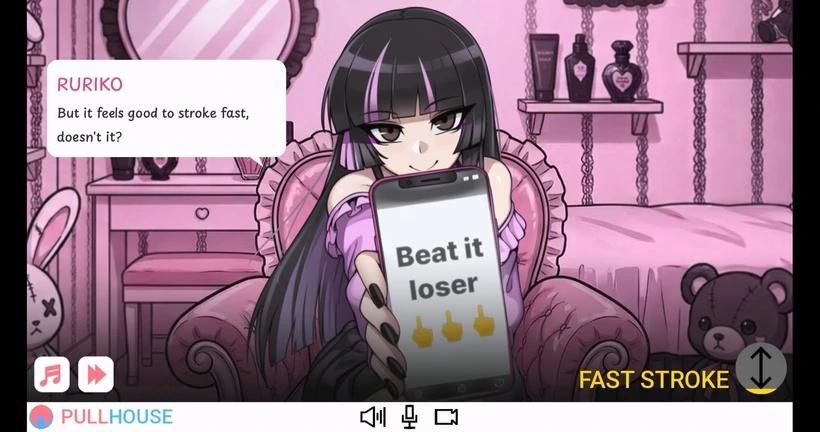
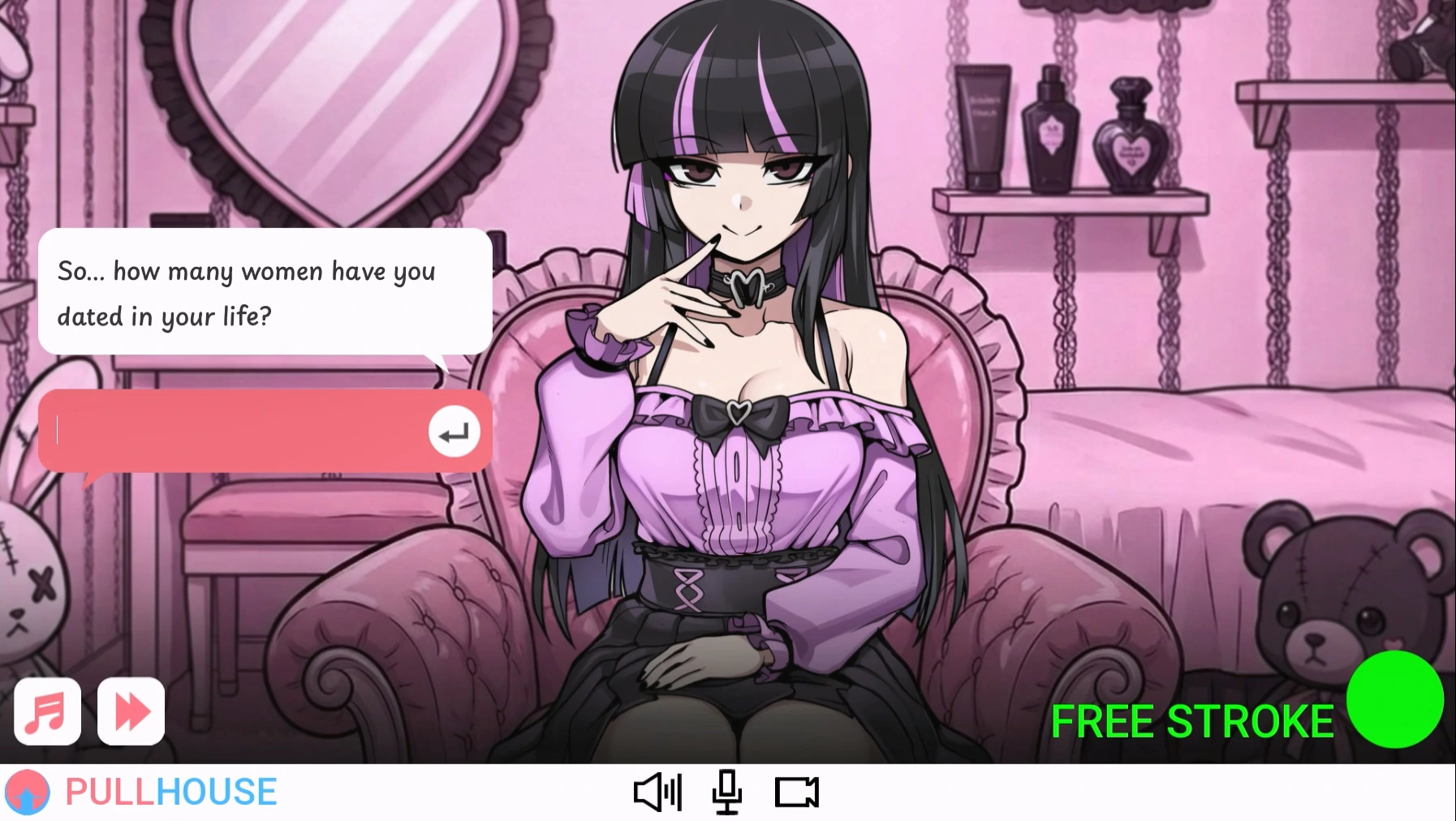
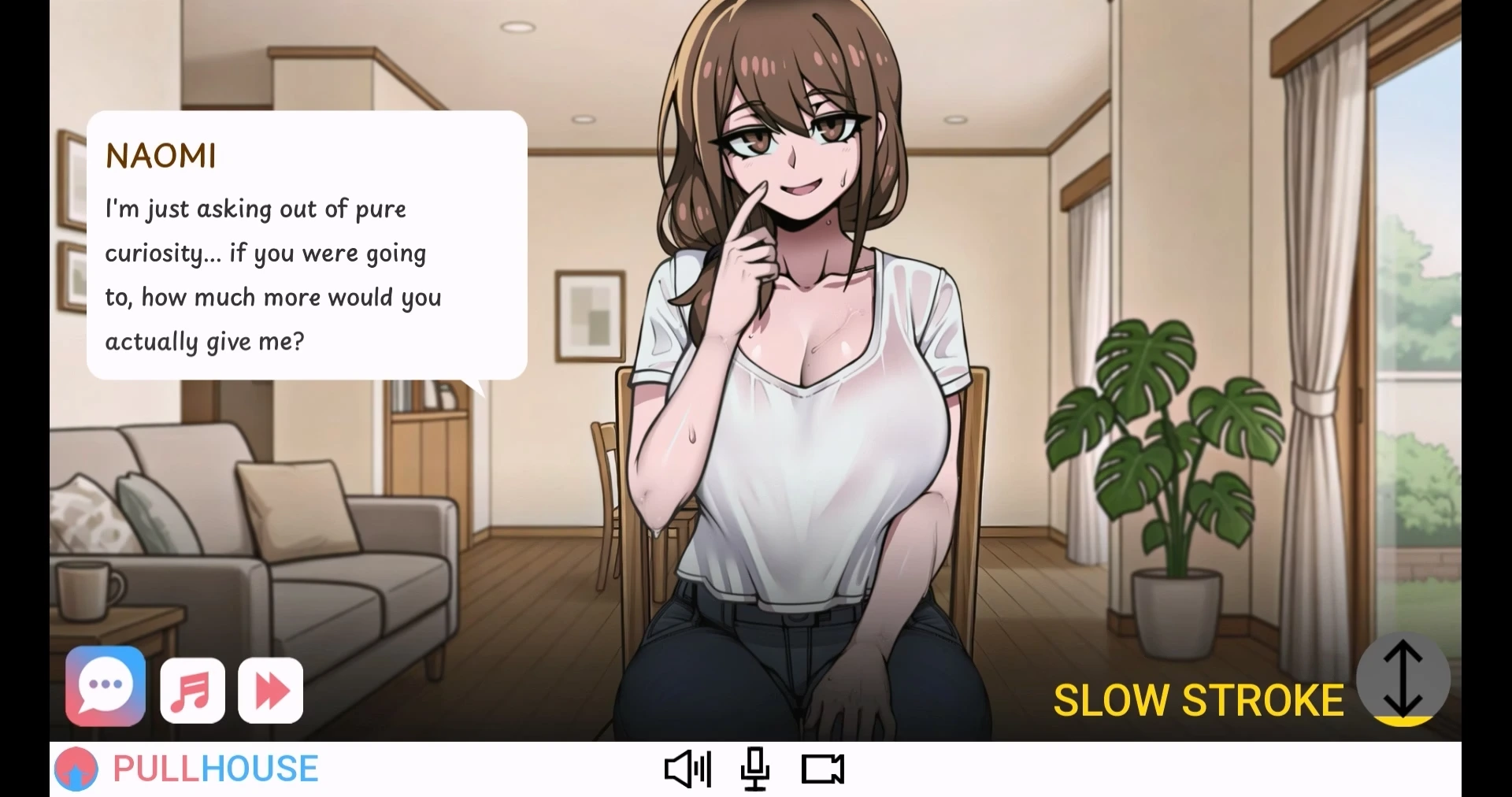
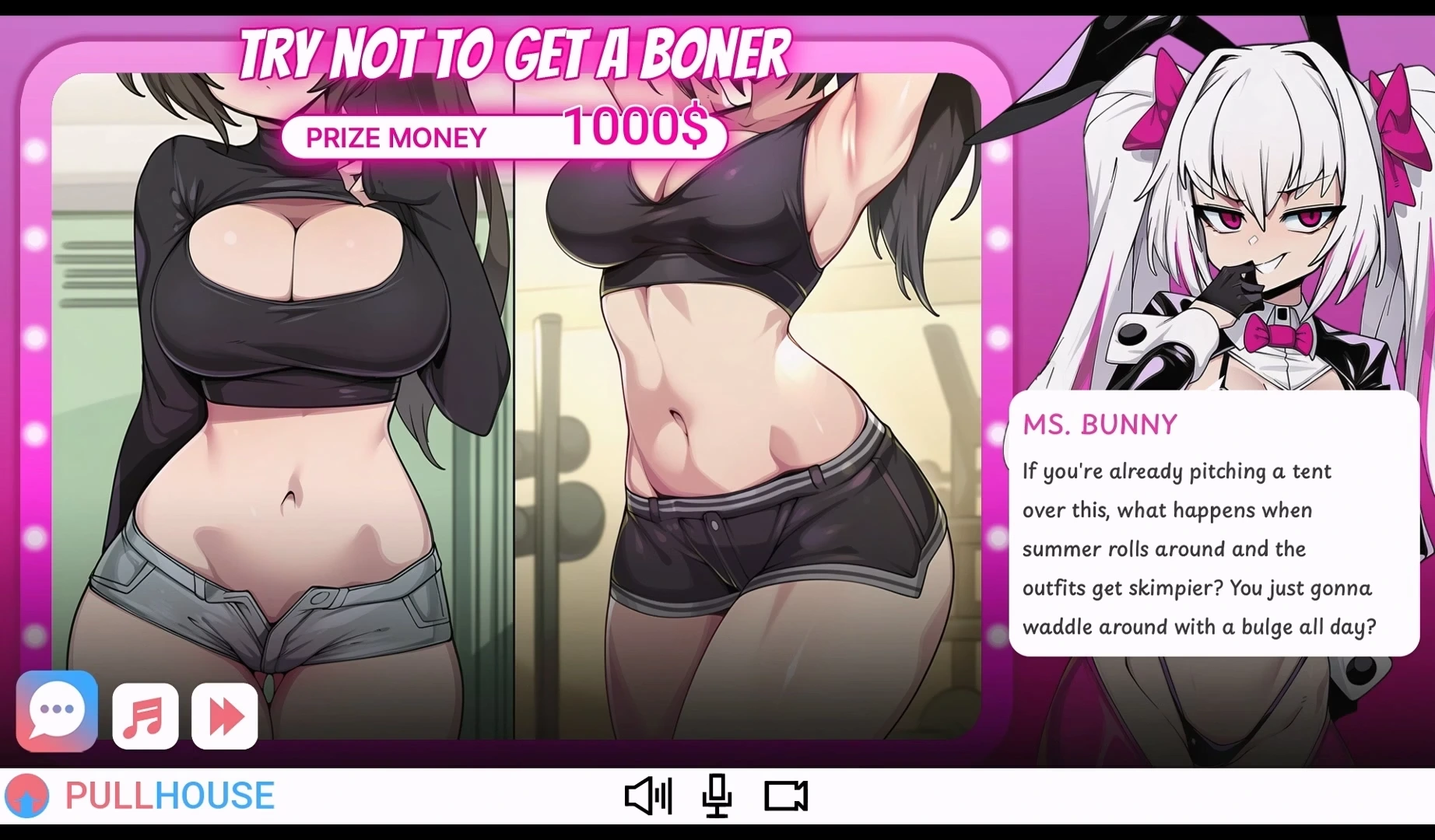















Explore More
Become the leader of your own thriving settlement in this addictive new strategy game. Build and customize homes, shops, farms and more to expand your village. Manage resources carefully to keep your people happy and productive. Send explorers on missions to find valuable loot and artifacts. Defend against raider attacks with walls, traps and an army of your own. With randomly generated maps and emergent gameplay, no two games are the same.

Witch Girl Len and the Great

eSim Countryballs Country Game

Laska Strategy Game

Crosswords Word Fill PRO

TowerBall

Cake Maker : Cooking Games

Gods Of Arena

Beat Live: Show Music Game




















![The Shadow over Blackmore 0.4.8r [ Femdom / Futadom ] APK](https://imgdownload.juxia.com/upload/202603/05/e8fd7XmZyiCqAS6.png)