

Introduction
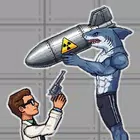
Modern War Sim: Sandbox Battle puts you in control of a physics-driven battlefield where base construction, heavy engineering and tactical deployment come together in an open-ended sandbox. This editor-style introduction describes how the game replaces fixed missions with a toolkit for creative experimentation: design headquarters, build production lines, assemble defensive works, and pilot construction machines to shape each encounter. Modern War Sim: Sandbox Battle emphasizes realistic destruction and physics interactions so that every structure, vehicle and weapon system responds believably to collisions, explosions and environmental stress.
Key Features
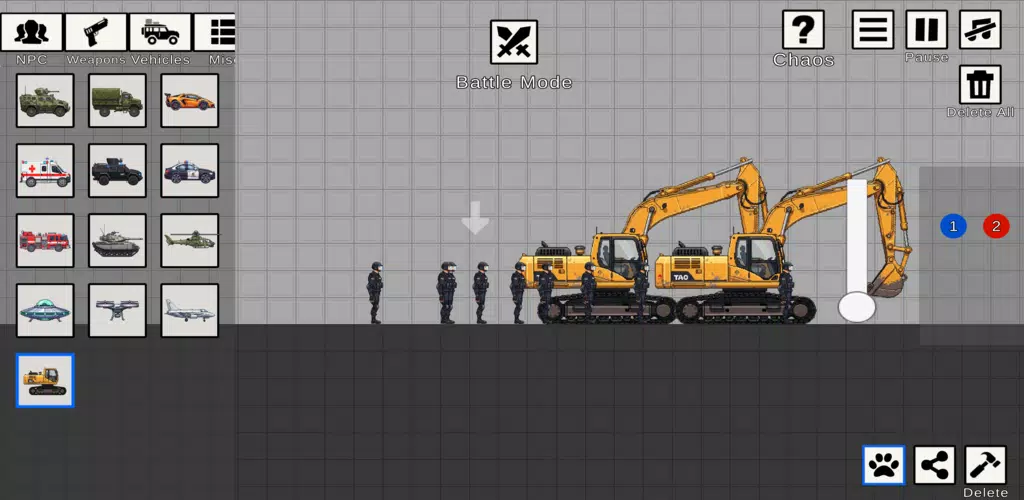
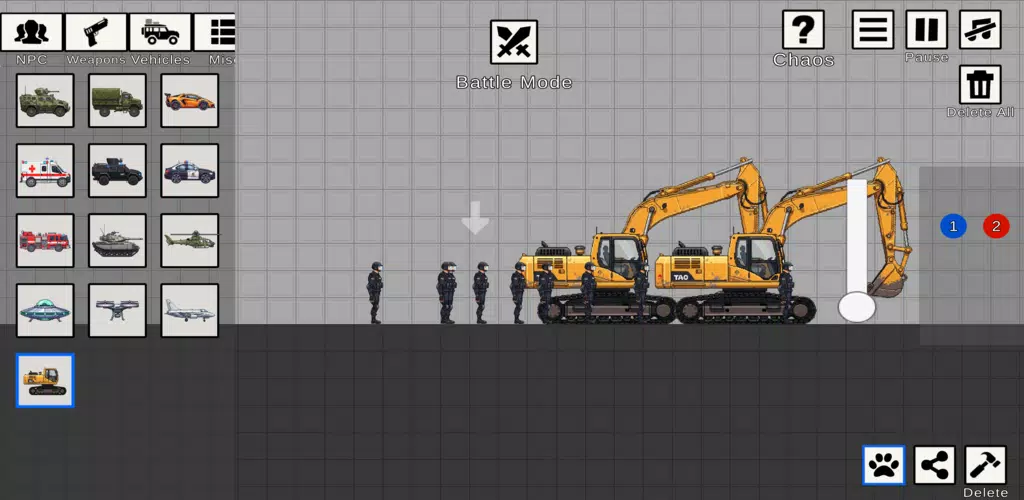
The core loop centers on freeform construction and combat testing rather than linear stages. In Modern War Sim: Sandbox Battle you will place modular walls, gates and production modules, connect generators and resource points, and then introduce mechanized units to see how your layout performs under fire. The title supports a wide range of engineering tools and deployable platforms, from cranes and excavators used to alter terrain to fielded armored vehicles and tactical mechs used to probe defenses. Realistic 3D physics make each test informative: watch how weight distribution, cover geometry and explosive force change outcomes so you can iterate and refine designs.
Gameplay and Mechanics
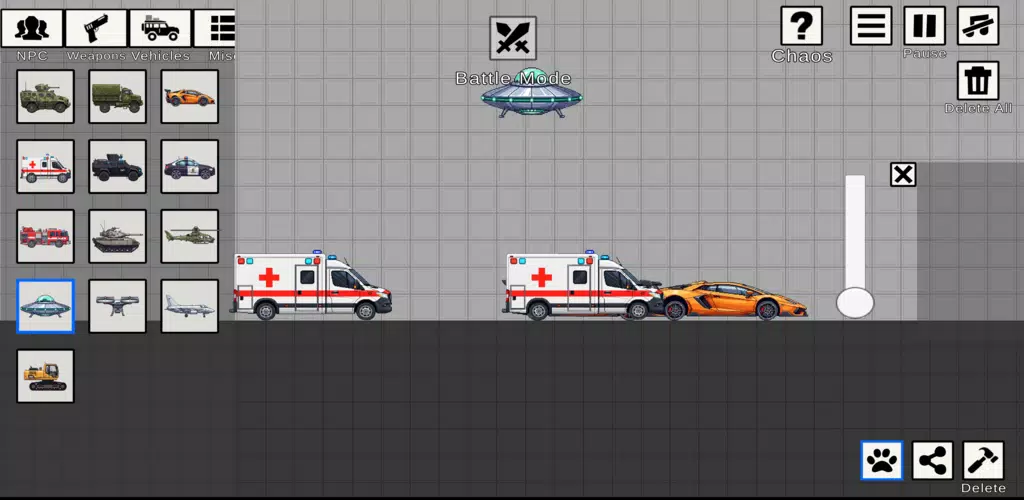
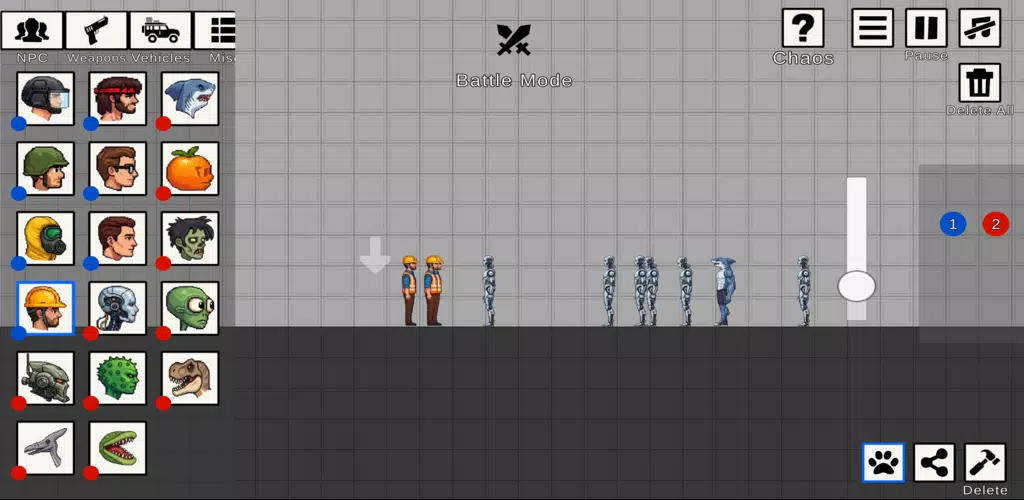
Gameplay emphasizes experimentation and systems thinking. Players construct bases using snap-to-grid placement or freeform placement, set up resource flows and configure spawn points for enemy waves or friendly units. Combat is emergent rather than scripted: projectiles, structural weakening and chain reactions follow consistent physics rules so you can predict and learn from failures. Machine interactions include vehicle-to-structure collisions, mounted weapon recoil affecting stability, and destructible scenery that opens new tactical choices during a session. The sandbox encourages repeated experiments to discover effective combinations of fortification, manufacturing layout and vehicle selection.
Controls and Interface
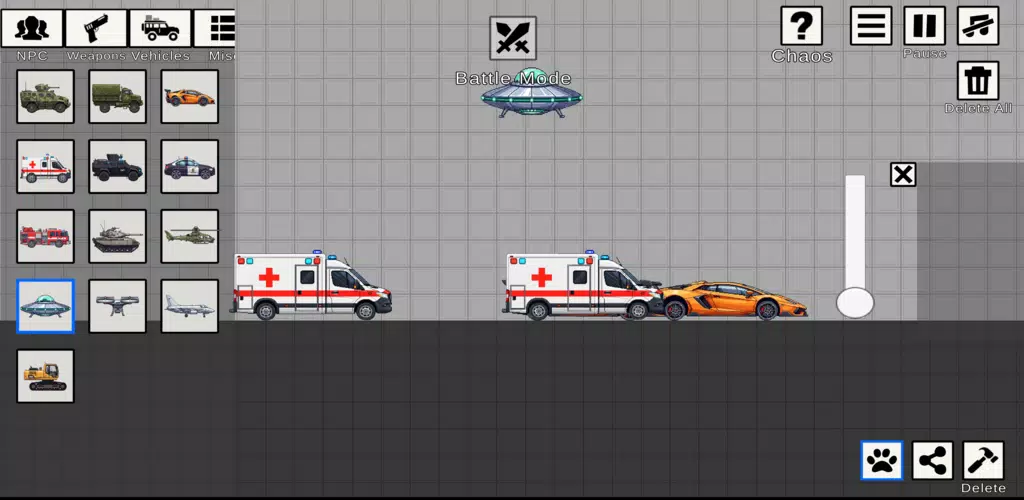
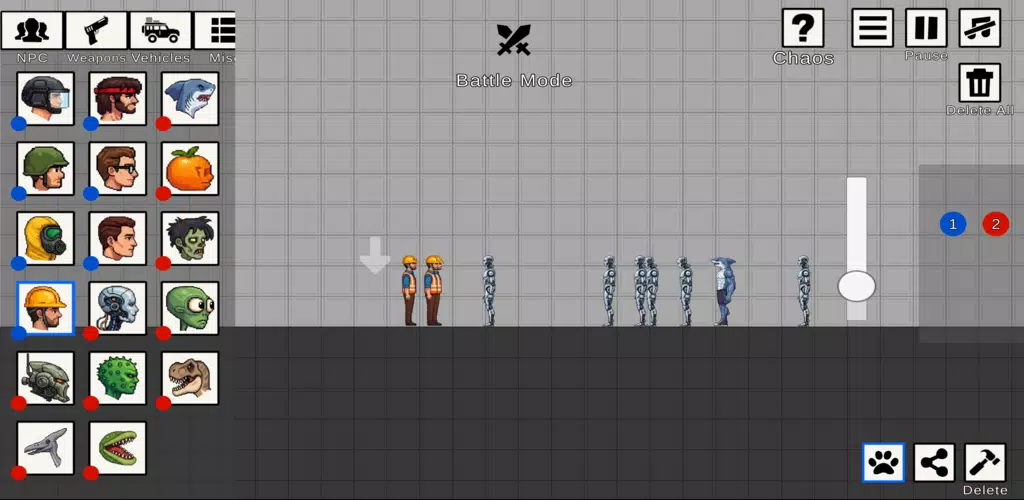
Controls are designed for touch devices with clear editing modes for building and a separate control mode for piloting machines. The interface groups construction tools, resource modules and defensive components into easily accessible panels; drag-and-drop placement, pinch-to-zoom and two-finger rotate gestures help position larger assemblies. When operating vehicles, on-screen joysticks and contextual buttons map to movement, camera control and primary fire. Tooltips and an in-game reference guide explain part stats and physics behaviors so newcomers can learn the system without external documentation.
Progression and Customization
While there is no fixed level progression, players unlock new components and heavier machinery by meeting challenge goals and completing guided scenarios. These milestones grant access to advanced armor types, larger construction platforms and additional weapon modules. Customization extends to paint schemes, modular attachments and production throughput settings that affect how quickly you can iterate on designs. Rather than forcing a campaign, the progression system rewards experimentation and encourages creative problem solving through incremental expansion of the available toolbox.
Visual Style and Performance
The visual presentation balances high-fidelity 3D models with clear visual feedback for physics interactions. Materials, lighting and particle effects aim to make collisions and destruction readable while remaining performant on mid-range hardware. Settings allow you to scale detail, shadow resolution and particle density so players on older devices can prioritize stable frame rates. Visual clarity is prioritized during construction mode, with outlines and snap indicators that help you align complex assemblies before committing to a build.
Replay Value and Challenge Systems
Replayability stems from open-ended scenarios and a challenge suite that tests efficiency, survivability and creativity. Challenge modes include time-trial fortress builds, damage-resistance tests and destructive stress trials where your base must survive scripted assaults. Because results depend on physical simulation, small design changes produce substantially different outcomes, which keeps experimentation rewarding. Players who enjoy optimization will find long-term goals in refining production flows and defensive geometry to achieve consistent success under tougher conditions.
Accessibility and Offline Play
The game supports offline play so you can design and test without a persistent internet connection; save slots and local templates let you preserve your projects and return later. Accessibility options include adjustable control sensitivity, scalable UI elements and optional assisted placement for players who prefer simplified building. Performance presets provide a straightforward way to adapt visuals for battery life or smooth animation on a variety of devices.
Tips for New Players
Beginners should start with small, modular bases and run incremental stress tests: add one defensive layer at a time and observe how physics alter the combat flow. Use cranes and excavators to create terrain advantages, and prioritize a mix of passive defenses and mobile units that can respond to breaches. Modern War Sim: Sandbox Battle rewards patience and systematic testing—document your successful layouts, iterate on weak points, and enjoy the process of turning rough prototypes into resilient, elegant machines of war.
- No virus
- No advertising
- User protection
Information
- File size: 49.70 M
- Language: English
- Latest Version: 4.6.0
- Requirements: Android
- Votes: 364
- Package ID: com.fusionmind.modernplayground
- Developer: Agro Smart
Screenshots
















Explore More
Experience nonstop thrills with our newest edge-of-your-seat action game! With console-quality graphics and intuitive touchscreen controls, you'll be drawn into high-octane combat and stunt-driven gameplay. Choose from an arsenal of upgradable weapons and vehicles to blaze through enemy bases, post-apocalyptic cities, and more. Physics-based action packed with explosions and destructible environments make every level more intense than the last.

Call Thiefter

Sharing Allison

Shadows of Absence

One Year In

Former Mesugaki Gal and Countdown JOI VR

Zombie click demo

BehindTheChainsaw

898A








![A CORE Beyond [Preview] APK](https://imgdownload.juxia.com/upload/202610/19/88a9bJn0r9bAHji.webp)