

Introduction
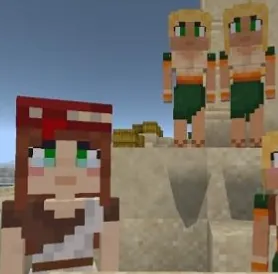
The Seven Realms opens as a slow-burning, narrative-driven strategy title set in a world shaped by Atlas's four-century effort to keep a fragile peace. In The Seven Realms players enter a tense political landscape where each choice ripples outward: diplomatic negotiations, moral dilemmas, and careful tactical decisions determine how rival factions, communities, and leaders survive and evolve. The opening scenes establish stakes and relationships quickly while the game's pacing rewards patient planning, attention to character detail, and an interest in stories that unfold over multiple chapters.
Gameplay mechanics
Gameplay in The Seven Realms blends decision-based narrative with strategic encounters that emphasize consequence rather than fast reflexes. Encounters are presented as scenarios that combine negotiation, limited tactical skirmishes, and resource allocation; success relies on reading faction motivations, timing diplomatic moves, and committing to long-term plans. A reputation and influence system tracks your standing with different groups, and branching conversation options lead to unique outcomes. Combat and conflict are resolved through clear, rule-driven mechanics that prioritize positioning, units' strengths, and the political cost of force versus compromise.
Controls and interface
The interface is designed for touch-first play on phones and tablets with simple tap and drag gestures for navigating maps, selecting options, and arranging units in tactical moments. Menus are organized around the campaign log so players can review past decisions, mission objectives, and faction standings without interrupting the narrative flow. Contextual prompts make diplomacy menus straightforward, and an optional guided tutorial introduces mechanics gradually so new players are not overwhelmed by the strategic depth.
Progression systems
Progression in The Seven Realms unfolds across a campaign structure divided into chapters and key decision points. As the campaign advances, leaders and communities develop new traits or penalties based on earlier choices, and access to narrative branches depends on how influence and reputation were managed. Rather than traditional levels, progression emphasizes story arcs and evolving political maps where previously peaceful regions can become volatile, unlocking fresh challenges and strategic trade-offs. Players also earn long-term advantages by cultivating alliances and managing resources across chapters.
Visual style and presentation
The Seven Realms favors a restrained visual aesthetic that supports clarity and immersion: stylized maps, character portraits that convey personality without visual clutter, and a muted color palette that highlights political borders and areas of tension. The UI keeps important information visible without crowding the screen, while ambient music and contextual sound cues reinforce the narrative tone. Visual feedback for choices and consequences is intentionally clear so players can see how actions reshape relationships and territory over time.
Level structure and challenge
Levels are structured as interconnected scenarios rather than isolated missions, which supports the title's emphasis on long-term consequence. Each scenario presents multiple solutions—diplomacy, targeted force, or strategic delay—and optional objectives that reward careful planning. Challenge is adjustable through difficulty settings that change AI behavior, resource scarcity, and political volatility, allowing both newcomers and experienced strategy players to find a satisfying balance of tension and control.
Customization and replay value
Replay value is core to The Seven Realms: narrative branching, alternative alliance paths, and variable faction responses mean that subsequent playthroughs reveal new political dynamics and endings. Players can pursue different leadership styles, prioritize military strength or diplomatic influence, and see how those choices open or close entire narrative threads. The game encourages experimentation with different strategies and moral approaches, making each campaign feel distinct and worth revisiting.
User experience and accessibility
The Seven Realms includes accessibility-focused options such as adjustable text sizes, high-contrast UI modes, and simplified control alternatives to make the experience approachable for a wide audience. Save and auto-save features allow for interruption-friendly sessions, and an in-game journal records key choices and faction standings for players who want to track how their decisions are shaping the realm. The interface is designed to be readable and straightforward, reducing friction between story and strategy.
Offline play and device support
The Seven Realms is playable offline and does not require a persistent online connection, making it suitable for travel or areas with limited connectivity. Performance options help tailor graphics and animations to different hardware, ensuring smooth play on a broad range of modern Android devices. Recommended device specifications are intentionally modest to prioritize accessibility over graphical fidelity.
Challenge systems and pacing
Challenge in The Seven Realms is largely narrative-driven: political timers, faction demands, and moral quandaries create tension that complements tactical skirmishes. The game balances immediate risks with long-term strategic concerns, so successful play involves weighing short-term safety against future opportunities. For players who prefer deliberate, story-first strategy with meaningful consequences, The Seven Realms delivers a measured, thoughtful experience that rewards careful choices and deliberate planning.
- No virus
- No advertising
- User protection
Information
- File size: 523.85 M
- Language: English
- Latest Version: 0.03
- Requirements: Android
- Votes: 334
- Package ID: be.thesevenrealms
- Developer: SeptCloud
Screenshots
















Explore More
Become the leader of your own thriving settlement in this addictive new strategy game. Build and customize homes, shops, farms and more to expand your village. Manage resources carefully to keep your people happy and productive. Send explorers on missions to find valuable loot and artifacts. Defend against raider attacks with walls, traps and an army of your own. With randomly generated maps and emergent gameplay, no two games are the same.

Passion Industry

Red's Basics in Among Us Mod Menu

Whopper clicker

ITycoondle Courier

Vip555

Sprunki Phase 10 Definitive

CID Mario

Rejeki Bet