


Introduction
Incubator drops players into a controlled laboratory simulation where attention to detail, methodical testing and creative design shape the experience. In Incubator you adopt the role of an experimental scientist who plans and runs breeding experiments, adjusts environmental variables and measures outcomes as you seek to refine fragile artificial lifeforms. This introduction explains the core systems and what to expect from the gameplay so you can decide whether the measured pace and strategic depth match your preferences.
Core gameplay and mechanics
The heart of the game is hands-on experimentation. You create organisms by combining genetic traits, then set up trials to observe how those combinations interact with temperature, humidity, nutrient levels and other controllable lab settings. Results are determined by a mixture of deterministic rules and randomized events, which encourages iterative refinement rather than one-shot solutions. Crossbreeding yields emergent traits that can alter behavior, durability or resource requirements, and a variety of experimental combinations allow for steady creative discovery. The gameplay emphasizes planning, hypothesis testing and incremental improvement over fast reflexes.
Controls and interface
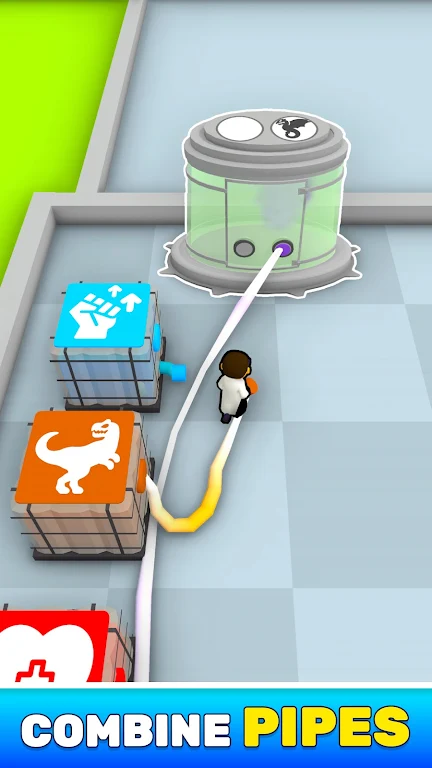
The user interface is designed for touch and casual input, with drag-and-drop controls to place specimens in incubators, sliders to tune environmental parameters and simple tap gestures to initiate trials. Detailed readouts present trait statistics and performance indicators after each run, and contextual help guides new players through the first few experiments. Controls remain accessible for mobile use while providing enough granularity for experienced players who like to micromanage trait interactions and environmental modifiers.
Progression systems and challenge
Progression comes from refining organisms across repeated trials and unlocking more complex experimental tools. Early experiments focus on basic survivability and breeding mechanics, while later stages introduce harsher survival trials and more variables to manage. Difficulty can be increased by tightening resource limits or introducing randomized events during tests, which forces you to adapt your designs for robustness. This structure supports both steady, long-term progression and targeted challenge runs where you attempt to prove the resilience of a specific lineage.
Visual style and level structure
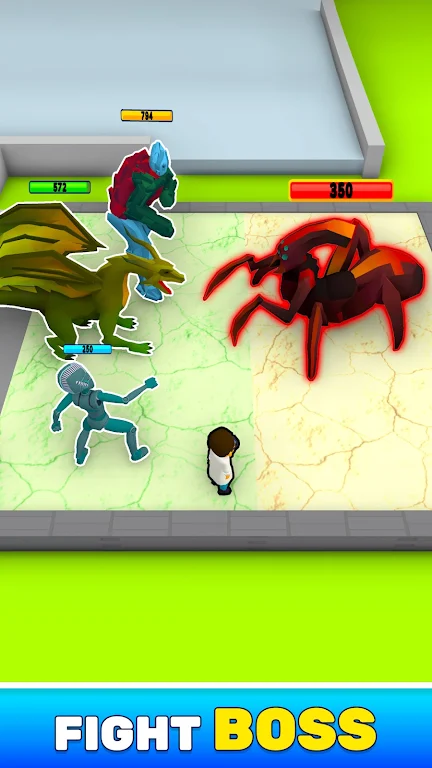
The visual presentation is a stylized science-fiction laboratory: clean equipment, animated incubators and schematic overlays that visualize trait interactions. Creatures take varied visual forms based on their genetic makeup, offering immediate visual feedback when a new trait emerges. Levels are organized into distinct lab zones and trial chambers that gradually introduce new mechanics and environmental presets. Each zone focuses on a particular subset of mechanics so you can concentrate on mastering one aspect before integrating it into more complex experiments.
Customization and creature design
Customization centers on trait selection and environmental influence rather than purely cosmetic edits, although appearance changes as genetic combinations evolve. You can prioritize speed, resilience, energy efficiency or specialized abilities when designing organisms, and the design process rewards experimentation with tradeoffs. Trait trees and mutation options allow you to steer future generations toward desired outcomes while preserving elements that proved successful in previous trials.
Replay value and experimentation loop
Replayability is driven by open-ended design space and the unpredictability of emergent results. Each run teaches lessons that inform subsequent experiments, and the combinatorial nature of traits means previously discarded pairings may yield surprising success under new trial conditions. The sandbox aspect invites long-term projects where you shepherd a lineage through many iterations, while shorter challenge scenarios test your ability to achieve specific goals under stricter constraints.
User experience, accessibility and offline play
The experience emphasizes clarity of information and gradual learning. Tooltips, experiment logs and replayable trial records help you track what changed between runs and why a creature succeeded or failed. Accessibility options include adjustable text sizes and simplified control modes so the game can be enjoyed by players who prefer less micromanagement. Incubator is designed to be playable offline once installed, allowing experimentation without a persistent internet connection and ensuring the core single-player simulation remains available on the go.
Challenge systems and player goals
Challenge modes let you impose additional constraints such as limited resources, environmental extremes or time-limited trials to test the hardiness of your creations. These modes are optional and intended to extend the gameplay for players who enjoy problem solving under pressure. Success is measured by survival rates, adaptability and how well a lineage performs across multiple, varying conditions rather than a single high score, encouraging robust solutions over one-off exploits.
This description covers the main pillars of the experience so you know what to expect from Incubator: a careful, methodical laboratory simulation with deep customization, iterative progression and a focus on scientific-style experimentation. Whether you enjoy long-term design projects or focused challenge runs, the game supports multiple approaches to creating resilient, interesting artificial life.
- No virus
- No advertising
- User protection
Information
- File size: 107.39 M
- Language: English
- Latest Version: 0.4.3
- Requirements: Android
- Votes: 291
- Package ID: com.YsoCorp.Incubator
- Developer: Yso Corp
Screenshots
















Explore More
Looking for some quick gaming fun? Our new super-casual game is perfect for entertaining bursts in your busy day. With simple, intuitive gameplay crossed with challenges that engage your brain, you'll keep coming back again and again. No complex controls or tutorials - just open and play anywhere, anytime. Vibrant art style and upbeat music create a lighthearted experience.

Fashion game

StopotS Mod

Final Fantasy XIV Mobile

Volleyball Strip Special Nico!

Ero Condo

Heartstrings

Lythia: Sigil of Lust

Small Business Sort!