

Introduction
Deathless is a narrative-driven adventure from Seacth Games that places players in an intimate, character-focused story of grief and survival. In Deathless you take on the role of a lone, unhoused protagonist coping with a profound personal loss; the game follows his fragile day-to-day existence as nightmares and guilt blur the line between memory and present danger, and encounters with characters such as Valerie and an elderly figure from his past begin to reveal answers. This episode-based release (Deathless Ep.2 P1) emphasizes atmosphere, psychological tension, and slow-burning mysteries rather than reflex-based action.
Gameplay and mechanics
Deathless blends exploration, environmental storytelling, and choice-driven interactions. Players move through compact, scene-based locations where observation and conversation are the primary tools for progress. Dialogue choices and short investigative sequences determine which fragments of the protagonist’s past are uncovered; these fragments function like puzzle pieces, unlocking new lines of inquiry or altering the tone of later encounters. The game includes occasional, tightly scoped nightmare sequences that heighten tension and require quick decisions or pattern recognition under stress, reinforcing the psychological themes without relying on combat or complex action mechanics.
Controls and user experience
The interface is optimized for touch devices: tap to examine objects, tap dialogue options to respond, and swipe or tap to navigate menus and journal entries. A streamlined HUD keeps the screen uncluttered so the story and visuals remain central. Quality-of-life features include an accessible dialogue history, an options-driven autosave system, and a manual save slot so players can return to specific decision points. The pacing is deliberately measured to support reading and reflection; text is presented with clear line spacing and optional fast-forward for players who prefer a quicker playthrough.
Progression and structure
Deathless is organized into episodes and short chapters that together form a coherent arc. Progression is driven by the collection of memory fragments, unlocked conversations, and resolved scenes rather than by experience points or levels. Choices made early in an episode influence later events and character attitudes, opening alternate narrative branches or unlocking hidden scenes. The game stores progress locally, letting players pick up mid-episode without an internet connection, and each chapter concludes with a checkpoint that preserves both story state and inventory of discovered items.
Visual style and audio
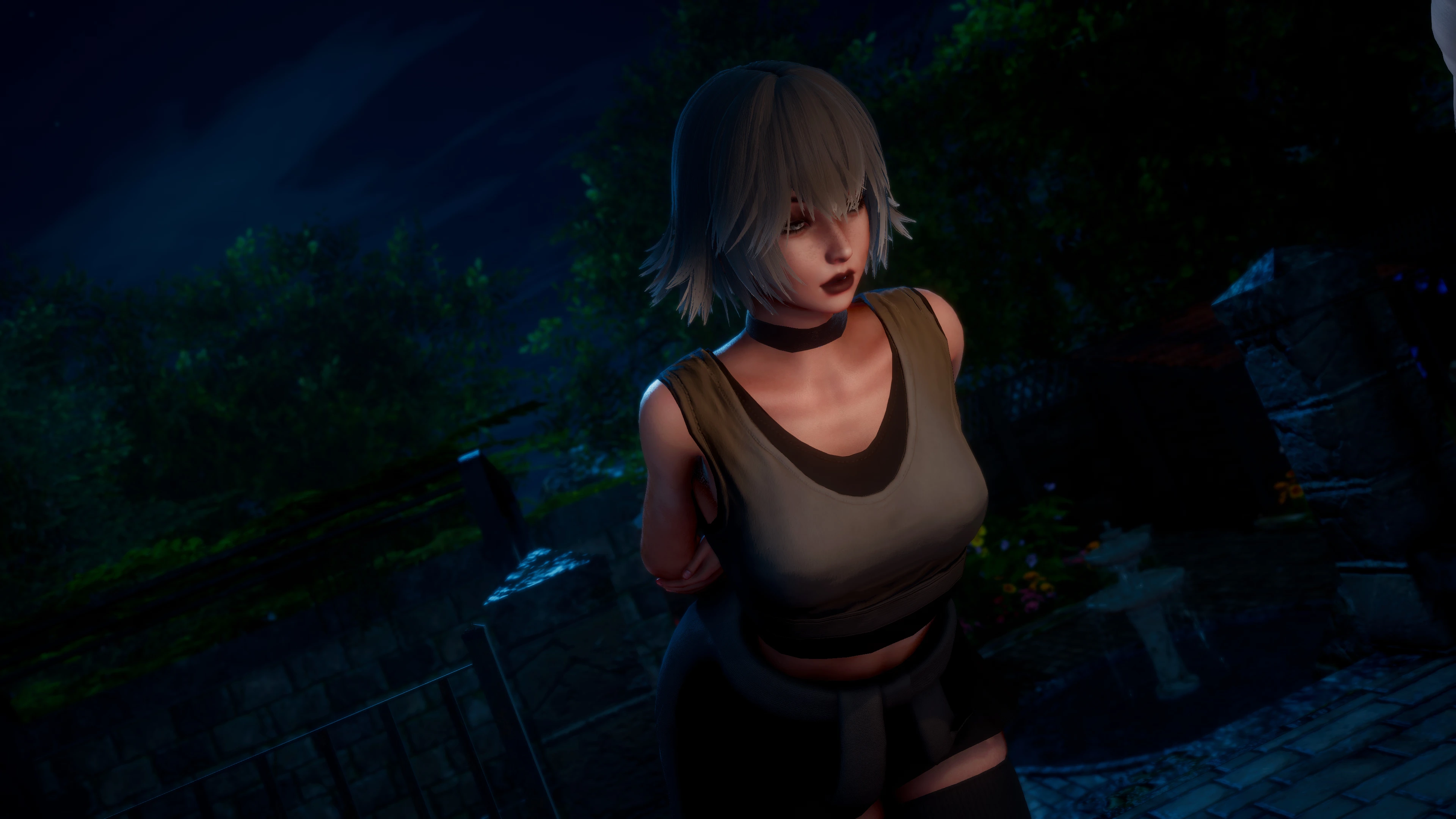
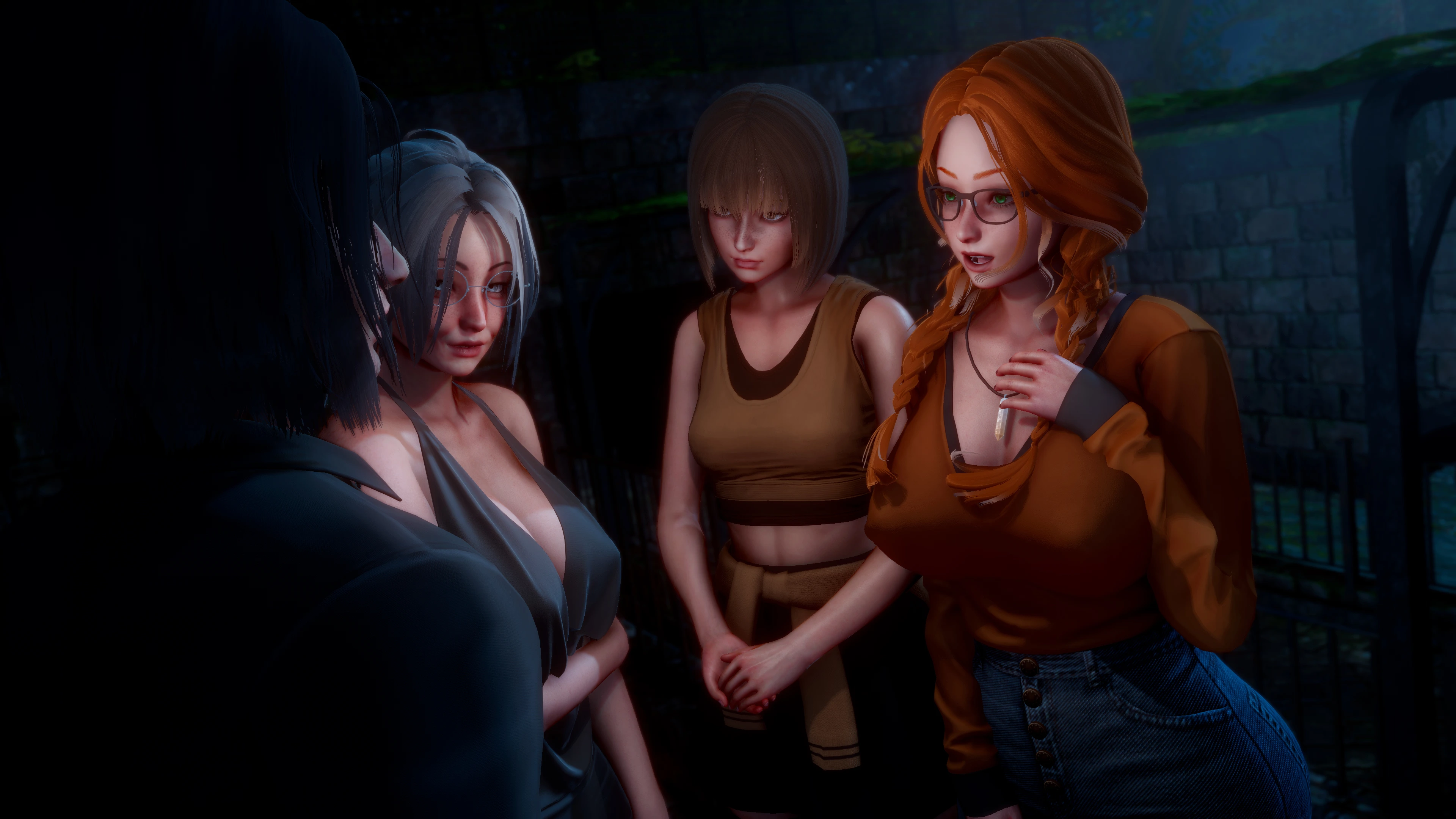
The game favors a moody, minimalist visual approach that supports its themes: muted palettes, stark lighting contrasts, and focused character portraits emphasize emotion and atmosphere. Environments are designed to feel lived-in and suggestive rather than explicitly detailed, encouraging players to fill gaps through imagination. Sound design is sparse but effective, pairing ambient textures with a restrained musical score to build unease and focus attention. Occasional sound cues during nightmare sequences heighten immersion while maintaining accessibility through adjustable audio levels.
Customization and accessibility
Deathless provides several options to ensure a comfortable experience for a broad audience. Players can adjust text size, toggle subtitles, and choose high-contrast or colorblind-friendly palettes. Control sensitivity and touch response can be tailored in the settings, and an intensity slider allows users to reduce or moderate the impact of disturbing sequences if they prefer a less stressful experience. These accessibility choices are local, persistent, and available from the main menu.
Replay value and challenge
Replayability comes from branching choices, multiple scene outcomes, and collectible memory fragments that reveal different facets of the story on subsequent playthroughs. The compact episode structure makes it easy to replay individual chapters to explore alternate dialogue paths or to uncover optional scenes. Challenge is primarily narrative and emotional: decision-making under uncertainty during nightmare sequences and the moral ambiguity of certain encounters test player judgment rather than reflexes, rewarding careful observation and replay with new insights and endings.
Developer and version information
Deathless is developed and published by Seacth Games. This listing refers to the Deathless Ep.2 P1 release as indicated by the developer. The game supports offline play after installation, saves progress locally, and receives episodic updates from the developer. Players seeking an introspective, story-first experience with a strong emphasis on character and mood will find Deathless to be a thoughtful, atmospheric title that prioritizes narrative depth over conventional action gameplay.
- No virus
- No advertising
- User protection
Information
- File size: 171.71 M
- Language: English
- Latest Version: Episode2Part4
- Requirements: Android
- Votes: 245
- Package ID: deathless.seacth
- Developer: Seacth
Screenshots
















Explore More
Are you searching for an enjoyable method to strengthen your intellect? Our hottest logical puzzle is tailor-made to offer a stress-free pastime experience. With beautiful graphics and chill background music, you can immerse yourself in an engaging world of logic and critical thinking. Solve increasingly tricky levels at your own pace, with no time pressure or lives system.

Simulation 69 Latest

Hex: Becoming a Succubus
Miko Chan Training

Mutation!

Lewd Battle Dungeon Mini

Futa Island

Night Song of Wandering

Overwhored