

Introduction
Figaro Hotel places you behind the front desk of a weathered Italian family hotel where narrative choices and light management tasks shape each guest's stay; in this atmospheric experience you play as Alan, a twenty-two-year-old who unexpectedly inherits the Grand Starlight with no staff and only a guest register, and Figaro Hotel blends conversation-led storytelling with decision-based mechanics and quiet, mood-driven gameplay.
Key Features
The game emphasizes branching narrative paths where everyday decisions ripple through interpersonal relationships and future events. Distinct guests populate the hotel: an elegant holidaymaker, a reserved guest, a devoted couple, a lone worker passing through, and a mysterious stranger — each with their own motives and small mysteries to uncover. Front-desk gameplay requires you to manage guest requests, prioritize time and limited resources, and choose when to investigate or defer, so every shift offers meaningful trade-offs.
Gameplay Mechanics
Gameplay combines dialogue choices with light resource management. Conversations unlock new information while service actions — checking guests in, handling special requests, and resolving conflicts — consume attention and optional supplies. The pace is intentionally gentle: interactions are dialogue-centered and often require thoughtful responses rather than quick reflexes, encouraging players to weigh moral dilemmas and long-term consequences rather than chase immediate rewards.
Controls and Interface
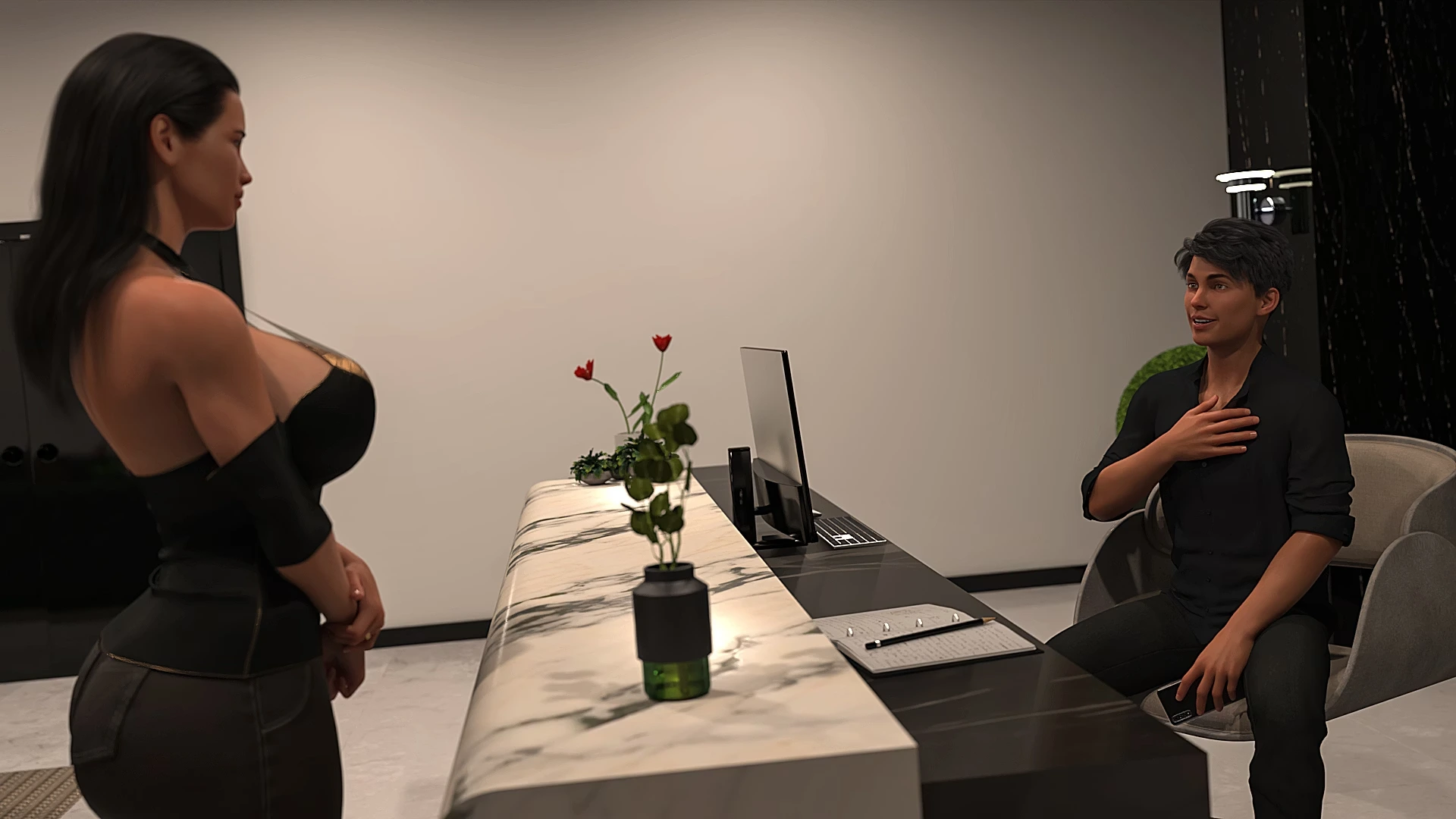
Controls are designed for straightforward mobile play: tap to select dialogue options and tasks, swipe through the guest register and room list, and use simple menus to inspect items or notes. The interface keeps the front desk workflow clear, with contextual prompts that highlight priority requests and display short summaries of ongoing story threads so you can manage the hotel without feeling overwhelmed.
Progression and Systems
Your progress is driven by relationships, reputation, and the gradual unlocking of narrative chapters. Completing guest requests, resolving disputes, and following character arcs raise your standing with different residents, which in turn opens new scenes and branching outcomes. There are light economy elements — managing supplies and time — that influence how many complex requests you can handle in a single shift, but the main driver remains story advancement rather than grinding or level-up mechanics.
Visual Style and Audio
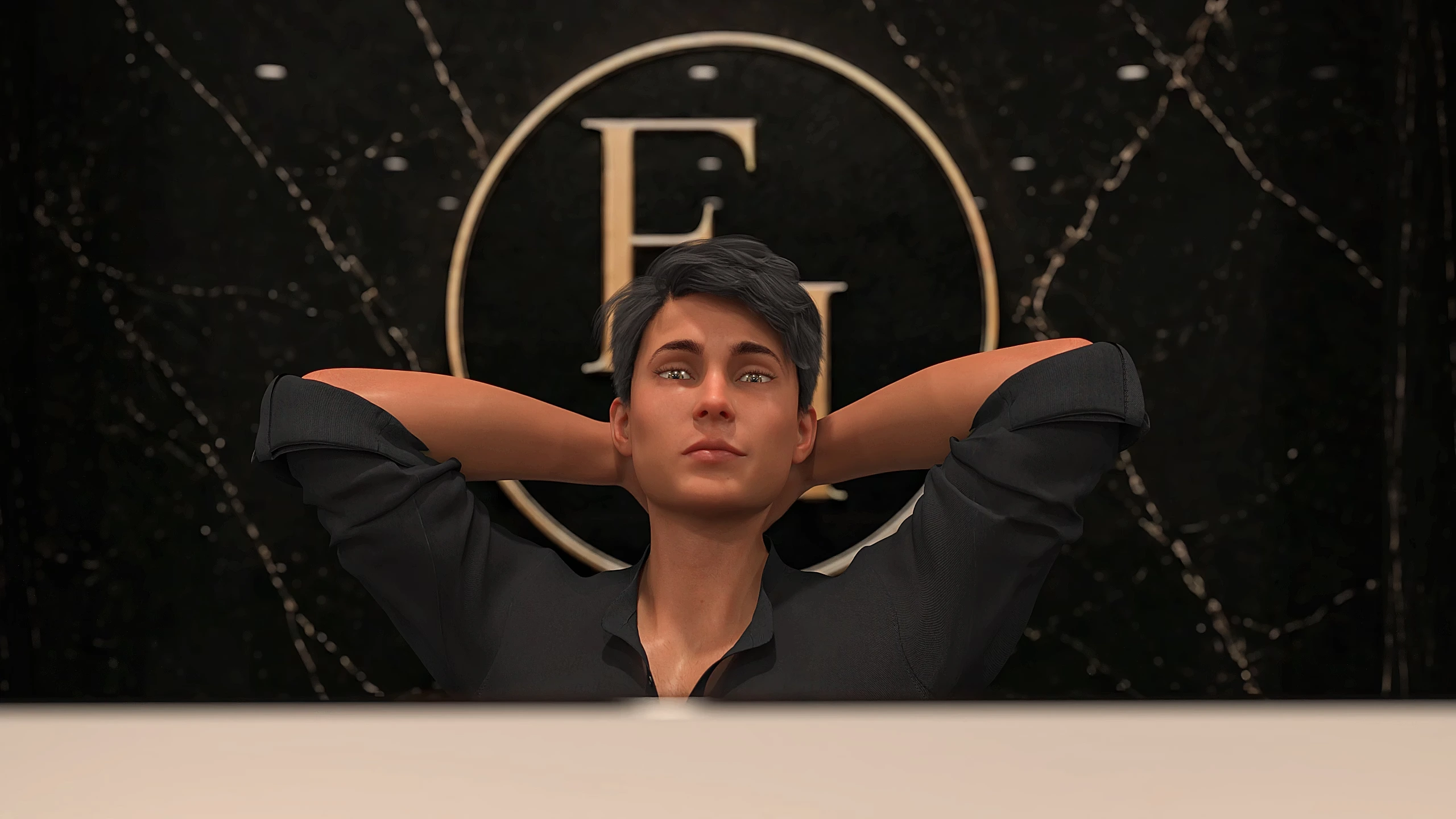
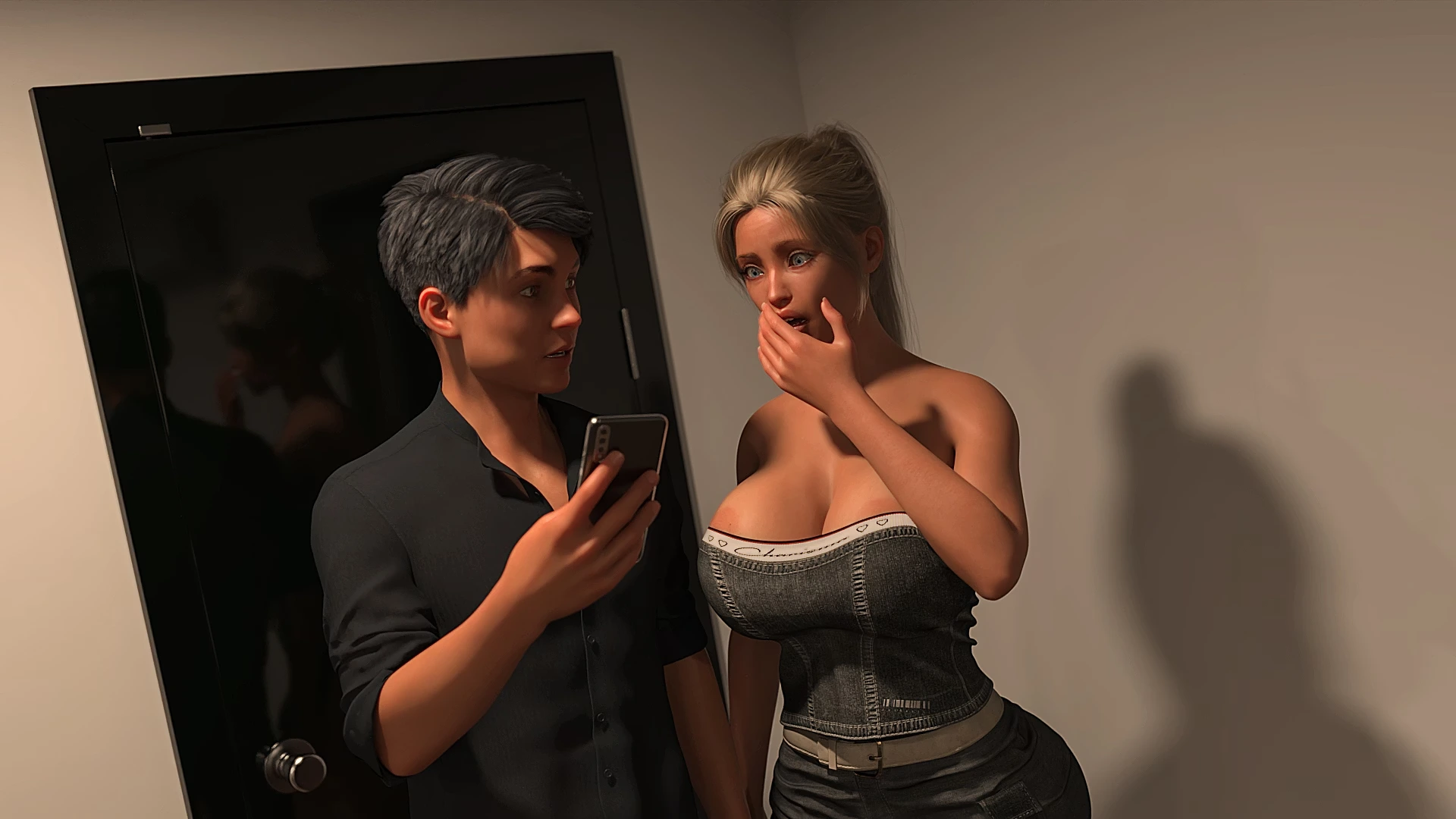
The presentation favors a quiet, evocative aesthetic that complements the writing: muted color palettes, interior detail for the hotel spaces, and character portraits that convey mood without flashy animation. Ambient audio and a subtle soundtrack help establish time of day and atmosphere, supporting immersive reading and decision-making rather than demanding constant attention to action cues.
Level Structure and Session Length
Play is organized into shifts and episodic scenes that each focus on a small set of characters or dilemmas. Sessions are suitable for short play bursts or longer stretches — shifts typically take a few minutes to complete while deeper scenes may extend longer as you explore branching paths. This structure supports both relaxed exploration and deliberate replay to see alternate outcomes.
Customization and Personal Touches
While the core is narrative and character-driven, the game allows modest personalization of the front desk area and guest register entries to reflect choices you make. These small touches help build attachment to the Grand Starlight and serve as visual reminders of decisions that shaped your experience during replay attempts.
Replay Value and Challenge
Replayability comes from divergent storylines and the consequences tied to whom you trust and serve. Choices can close doors as well as open them, and pursuing different relationship tracks reveals new scenes and outcomes. The challenge lies in balancing scarce resources and time against emotional stakes and investigative curiosity: sometimes the right answer is the one you miss.
Accessibility and Settings
Accessibility options include adjustable text size, a toggle for dialogue auto-advance, and a readable guest log to keep track of active threads. These settings aim to make the game approachable for players who prefer slower pacing or need larger on-screen text while preserving the integrity of the narrative experience.
Offline Play and Performance
Figaro Hotel is designed for offline play so you can enjoy the story without a constant internet connection; data is saved locally with periodic backup options. The technical approach focuses on smooth performance on a wide range of devices, favoring responsive UI and stable session save points over intensive animations that might affect battery life.
Development and Version Information
Figaro Hotel was developed by Serious Punch Games as an early narrative project that emphasizes player choice and character-driven storytelling. This release is listed as version 0.1, an initial build that provides the core experience and sets the foundation for future updates, additional scenes, and expanded character arcs based on player feedback.
- No virus
- No advertising
- User protection
Information
- File size: 694.22 M
- Language: English
- Latest Version: 0.1
- Requirements: Android
- Votes: 281
- Package ID: com.seriouspunch.figarohotel
- Developer: Serious Punch
Screenshots














Explore More
Experience nonstop thrills with our newest edge-of-your-seat action game! With console-quality graphics and intuitive touchscreen controls, you'll be drawn into high-octane combat and stunt-driven gameplay. Choose from an arsenal of upgradable weapons and vehicles to blaze through enemy bases, post-apocalyptic cities, and more. Physics-based action packed with explosions and destructible environments make every level more intense than the last.

Asuna Hoshizuki and the Underground City of Lust

Yokuhime Revolution

Jack in Love

令和DE口リホイPeppermint - Reiwa DE Mouth Rehoy Peppermint
A Mirror's Curse

Dragon Ball Super - Lost Episode
Ero-Card Showdown, Yokai Edition

Love Story - My Girl