


Introduction
Dusk After Class is a narrative-driven experience that places you in the role of a quiet caretaker who spends time with a small group of wounded characters, listens to their stories, and helps guide a gradual process of recovery and rebuilding trust. The emphasis is on atmosphere and character work rather than action: conversations, attentive presence, and the accumulation of small choices produce emotional movement and reveal personal histories. Players who appreciate subtle pacing and human-focused storytelling will recognize Dusk After Class for its patient rhythm and emphasis on emotional detail.
Key features
The game centers on character-driven storytelling where dialogue and observation shape each relationship arc. Encounters are presented as short, scene-based vignettes that deepen the cast’s backstories with each visit. Interactions are designed to reward listening and careful attention; the narrative responds to your tone and timing rather than to combat or high-speed reflexes. The presentation highlights small gestures, visual cues, and ambient sound to create a contemplative mood, while character progression is intentionally gradual so that trust and change feel earned.
Gameplay and controls
Gameplay is deliberately simple and accessible: a point-and-tap interface on mobile lets you move between rooms, select conversational prompts, and examine objects that trigger memories or unlock new dialogue options. Conversations offer branching lines rather than binary outcomes, so you shape relationships through tone, patience, and the order in which you approach topics. Observation mechanics—such as focusing on a character’s expression or an item in the environment—open introspective scenes and provide context for later choices. The control scheme is optimized for touch screens with tap to select, swipe to navigate scene galleries, and long-press to study visual details; this keeps the interface unobtrusive and keeps attention on the story.
Progression and replay value
Progression takes the form of evolving trust levels and unlocked memories rather than traditional leveling or skill trees. As you spend time with each character and respond to their needs, new branches of the narrative become available and previously guarded moments are revealed. Multiple narrative paths and several scene outcomes encourage replay: different approaches to conversation and different choices reveal alternative facets of each person’s past and produce distinct endings. Because the game rewards exploration of tone and pacing, replaying with a different conversational style or focusing on different characters yields fresh emotional insights without relying on repetitive mechanics.
Visual style and audio
Dusk After Class favors a restrained visual palette and carefully composed scenes to support its intimate tone. Character portraits are expressive and designed to change subtly as trust develops; environments emphasize lighting, small props, and gesture over flashy effects. The soundtrack uses sparse, ambient music and quiet environmental sounds to underscore mood without overwhelming dialogue. Audio cues and soft transitions are used to mark emotional shifts and to make the game feel immersive while preserving space for reflection.
Accessibility, settings and offline play
The design includes straightforward accessibility options to make the experience readable and comfortable: adjustable text size, subtitle toggles, and options to control narration speed and audio levels. A clean UI with high-contrast text modes helps players who prefer clearer visuals, and controls are intentionally simple to minimize motor demand. Dusk After Class is a single-player experience that runs offline after installation, allowing uninterrupted play without a persistent internet connection; an auto-save system and multiple manual save slots make it easy to play in short sessions or return to key moments later.
Player experience and what to expect
Expect a measured, contemplative game that prioritizes emotional payoff over conventional challenges. The slow pace and reflective themes create memorable moments that linger after play sessions, and the focus on relationship-building makes it especially suited to players looking for narrative immersion rather than fast action. Those seeking frequent mechanical variety or high-adrenaline gameplay may find the experience quieter than other titles, but for players who enjoy character study and subtle change, Dusk After Class offers a thoughtful, human-centered journey through healing and connection.
- No virus
- No advertising
- User protection
Information
- File size: 450.90 M
- Language: English
- Latest Version: 0.13
- Requirements: Android
- Votes: 382
- Package ID: com.domain.program
- Developer: QQKun
Screenshots


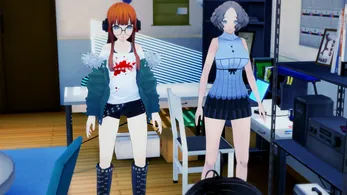



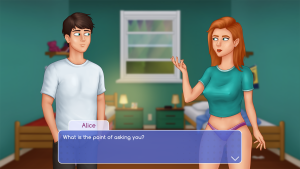











Explore More
Experience nonstop thrills with our newest edge-of-your-seat action game! With console-quality graphics and intuitive touchscreen controls, you'll be drawn into high-octane combat and stunt-driven gameplay. Choose from an arsenal of upgradable weapons and vehicles to blaze through enemy bases, post-apocalyptic cities, and more. Physics-based action packed with explosions and destructible environments make every level more intense than the last.

OK K.O.! Lakewood Plaza Turbo

Heroine Dark Side

Angry Birds Rio Mod

Sani Yang's Laboratory

Super Vir Game The Robot Boy

Nayla’s Fable: Lust & Rust

Away From Home VN

My StepMother Futanari 3