
Introduction
Project Utopia is a single-player, narrative-driven adventure that follows the coming-of-age of a young prince in an idealized medieval realm. This story-first title emphasizes atmosphere, character work, and deliberate pacing rather than action mechanics, and is best suited to players who enjoy branching narratives, interpersonal drama, and careful decision-making. Project Utopia places you in a series of scenes — from bustling markets to quiet abbeys and formal courts — where choices change relationships, reputation, and the story that unfolds across chapters.
Key Features
The central design of Project Utopia rests on branching conversation trees, consequence tracking, and relationship systems that influence subsequent scenes and endings. Encounters are framed as scenes and vignettes rather than realtime combat, so the focus remains on dialog, ritual choices, and social navigation. The game tracks notable decisions, allowing later chapters to reference past behavior through a visible reputation and alliance summary. Ambient music and sound design support mood and scene transitions, reinforcing the title’s utopian medieval tone: public ceremonies and communal norms appear alongside private, quiet moments to give the world a lived-in feel.
Gameplay and Controls
Gameplay centers on reading-rich scenes, making decisions, and moving through a modest map of locations such as the court, market, abbey, and rural holdings. Controls are optimized for touch devices: tap to advance dialog, swipe between scene panels, and use on-screen menus to check inventory or relationship summaries. Interaction is intentionally simple so players can concentrate on narrative consequences rather than complex inputs; occasional short-timer prompts introduce pressure in a controlled way without shifting the game toward action. The interface shows context-sensitive prompts and a compact journal that records key choices and unlocked optional scenes.
Progression and Replayability
Project Utopia unfolds in distinct chapters that unlock as the narrative advances; each chapter compiles the decisions that influence alliances and the prince’s public standing. Multiple endings and optional side episodes encourage replayability: revisiting earlier choices or prioritizing different social ties reveals fresh scenes and character perspectives. A manual save system lets you store progress at scene boundaries while an autosave provides a safety net; this combination makes it easy to experiment with alternative paths without losing long-term progress. The branching structure is designed so even small dialog shifts can open or close later opportunities, rewarding exploratory play.
Visual Style and Presentation
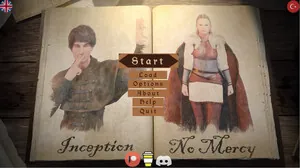
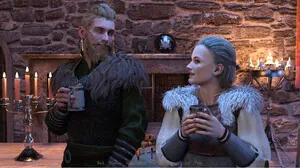
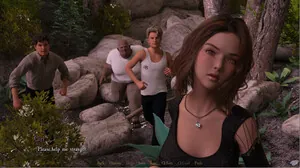
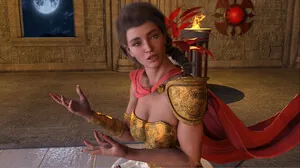
The visual direction favors a painterly aesthetic with muted palettes, period-inspired costume work, and composed backgrounds that evoke pastoral and court settings. Character portraits emphasize expressive faces and subtle animation rather than flashy effects, matching the game’s measured pace. Scene transitions are gentle and cinematic, using changes in light and framing to signal mood shifts. Typography and layout prioritize legibility: adjustable text size and clear line spacing keep long reading segments comfortable, and the UI minimizes clutter so attention remains on narrative content.
Customization and Difficulty
Customization in Project Utopia focuses on narrative choices rather than mechanical tuning. Players shape the prince’s outlook through dialog options, ritual decisions, and how they respond to social expectations; these choices determine how NPCs perceive and react to you. The challenge is primarily social and narrative — assessing long-term consequences and balancing public obligations with private desires — rather than testing reflexes. Difficulty therefore arises from moral dilemmas and the complexity of relationships, making the experience accessible to players who prefer thoughtful dilemmas over action challenges.
Accessibility, Offline Play, and User Experience
The title is designed for offline play so your story progress is uninterrupted by network issues; saves are stored locally and your place is restored on relaunch. Accessibility options include adjustable text size, simplified control modes, and volume toggles for ambient sound and music, allowing you to tailor the experience to different hearing or reading needs. The UI aims to be welcoming to new players while offering depth for those who enjoy tracking consequences: a compact relationship and reputation overview helps you see how past choices shape future possibilities.
What to Expect
Expect a slow-burning, mood-rich experience in Project Utopia where character development and social dynamics are the primary engines of forward momentum. The game rewards attention to detail, repeated playthroughs to uncover branching content, and patience with long-form storytelling. If you appreciate narrative-driven adventures that prioritize atmosphere, ethical choice-making, and carefully composed scenes over combat or arcade-style mechanics, this title provides a textured, contemplative campaign to explore.
- No virus
- No advertising
- User protection
Information
- File size: 515.02 M
- Language: English
- Latest Version: 0.10
- Requirements: Android
- Votes: 252
- Package ID: com.pekmez.uto
- Developer: Pekmez
Screenshots

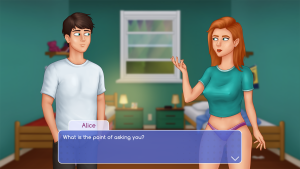










Explore More
Recapture the magic of classic gaming with our new fast-paced arcade extravaganza! Simple and addictive, get ready for high scores galore. With bright retro graphics and pulse-pounding beats, it’s nonstop action right from the start. Tap into your reflexes and dexterity to overcome high-speed challenges. Face off against devious enemies and formidable bosses. Unlock new levels, power-ups and secrets as you advance.
The Lusanti Chronicles

Pg777
Magic City 777

Starglow 777

My Girlfriend’s New Life in Fineville

Golden Cup Spin

After Hours

City Car Driving Drift Games