

Introduction
Legend of Avatar is an idle role-playing action game that blends fast, tactical combat with an approachable offline progression loop; in this editor overview we describe its systems, controls, and long-term goals to help you decide if it fits your playstyle. The title positions itself between quick mobile sessions and deeper build optimization, letting characters gain rewards automatically while offering meaningful manual gameplay during key encounters. This description explains how combat operates, how progression and transformations work, and what to expect from the visual and interface design.
Gameplay and Controls
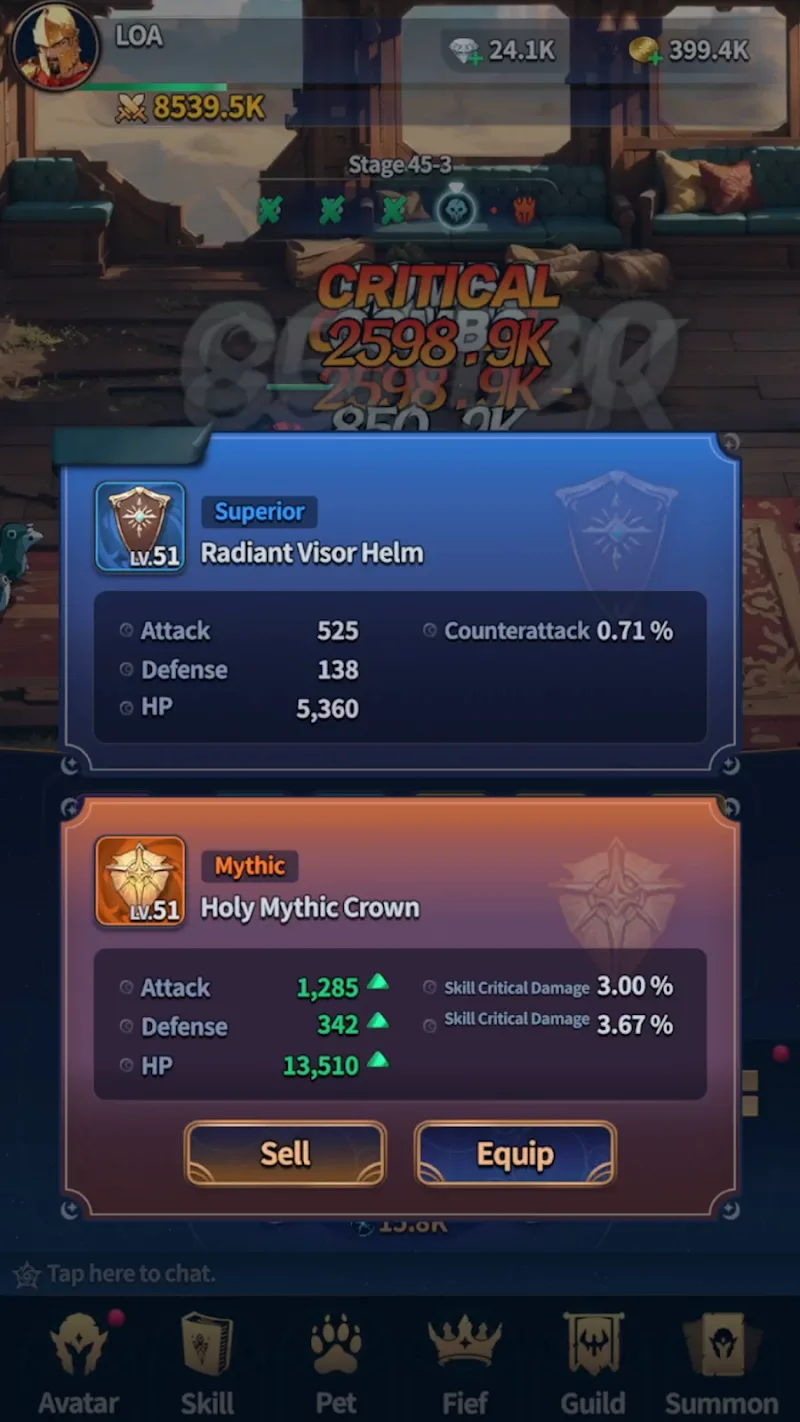
Combat in Legend of Avatar centers on short, reactive encounters where timing and skill priority matter as much as raw upgrades. Players tap to target, use on-screen ability icons to trigger active skills, and can chain inputs for stronger combos during manual play. A clear auto-battle toggle lets the game handle routine fights, while manual mode gives you precise control for boss mechanics and high-value stages. Core mechanics emphasize ability ordering, temporary status effects from transformations, and resource management so that even brief sessions feel purposeful and mechanically engaging.
Progression Systems
Progression relies on layered systems: character levels, ability upgrades, and a set of divine transformations that unlock new talents and alter combat behavior. As you move through chapters, you unlock higher transformation tiers that provide distinct power spikes and open fresh build paths. Milestone rewards accelerate offline gains and periodic events offer specialized currency for refining specific abilities. Advancement is cumulative by design: time away earns capped rewards to keep progress steady, while active play speeds up breakthroughs through targeted upgrades and skill experimentation.
Customization and Build Depth
Customization in Legend of Avatar focuses on strategic choices rather than purely cosmetic changes. Players select ability paths, talent branches, and transformation upgrades that shape playstyle; these choices create varied roles such as burst-focused attackers or durable sustain builds. Cosmetic skins and visual transformations are tied to progression milestones and let you personalize appearance without affecting the underlying balance. The system encourages revisiting earlier stages with different builds to explore interactions between talents and transformations.
Visual Style and Level Structure
The art direction emphasizes fantasy-inspired, dramatic visuals that highlight each transformation and special effect during combat. Content is organized into chapters and stages, each with a distinct theme and enemy roster that escalates in difficulty. Environmental hazards and enemy telegraphs are introduced gradually so players learn to adapt their builds and timing. Boss encounters function as skill checkpoints: memorizing patterns, choosing the correct transformation, and deciding between manual or auto play are central to clearing these benchmarks.
Replay Value and Challenge Systems
Replayability is supported by multiple challenge formats and optional difficulty tiers that encourage returning to content with new strategies. Daily and weekly objectives provide focused goals and resources for enhancing transformations, while modifier-based stages and higher-difficulty variants test particular aspects of build design and timing. Because transformations enable alternative playstyles, replaying stages to try new combinations remains rewarding even when the core loop is familiar.
Offline Play and User Experience
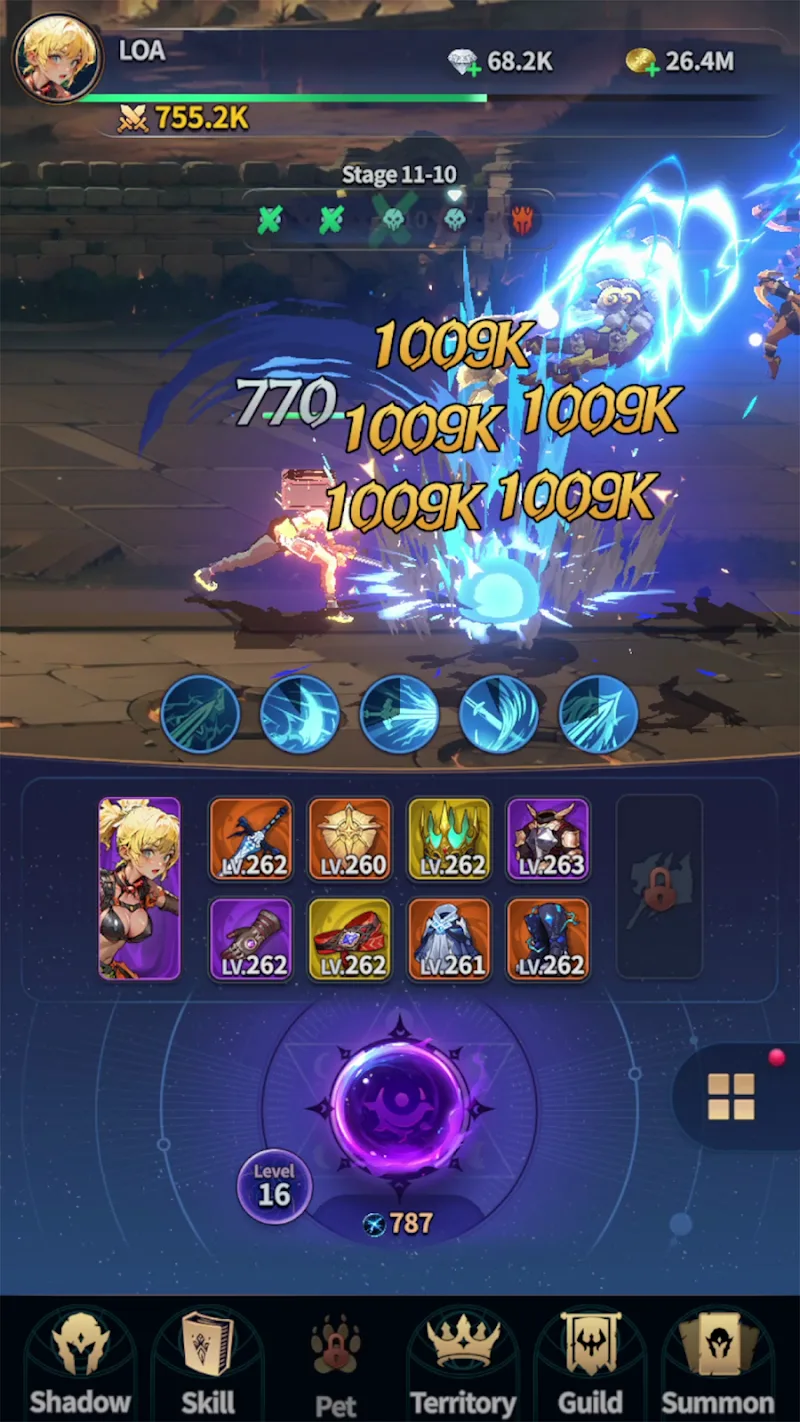
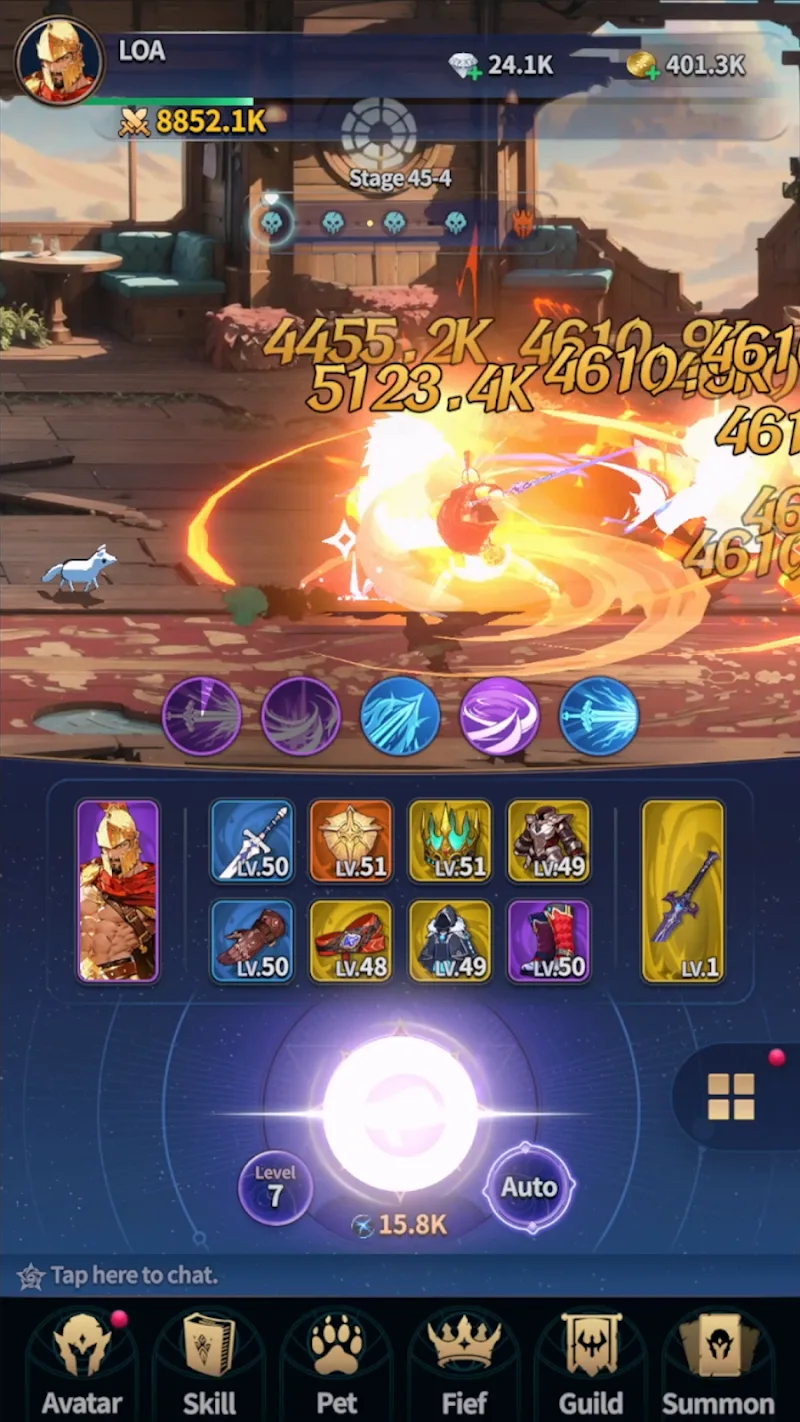
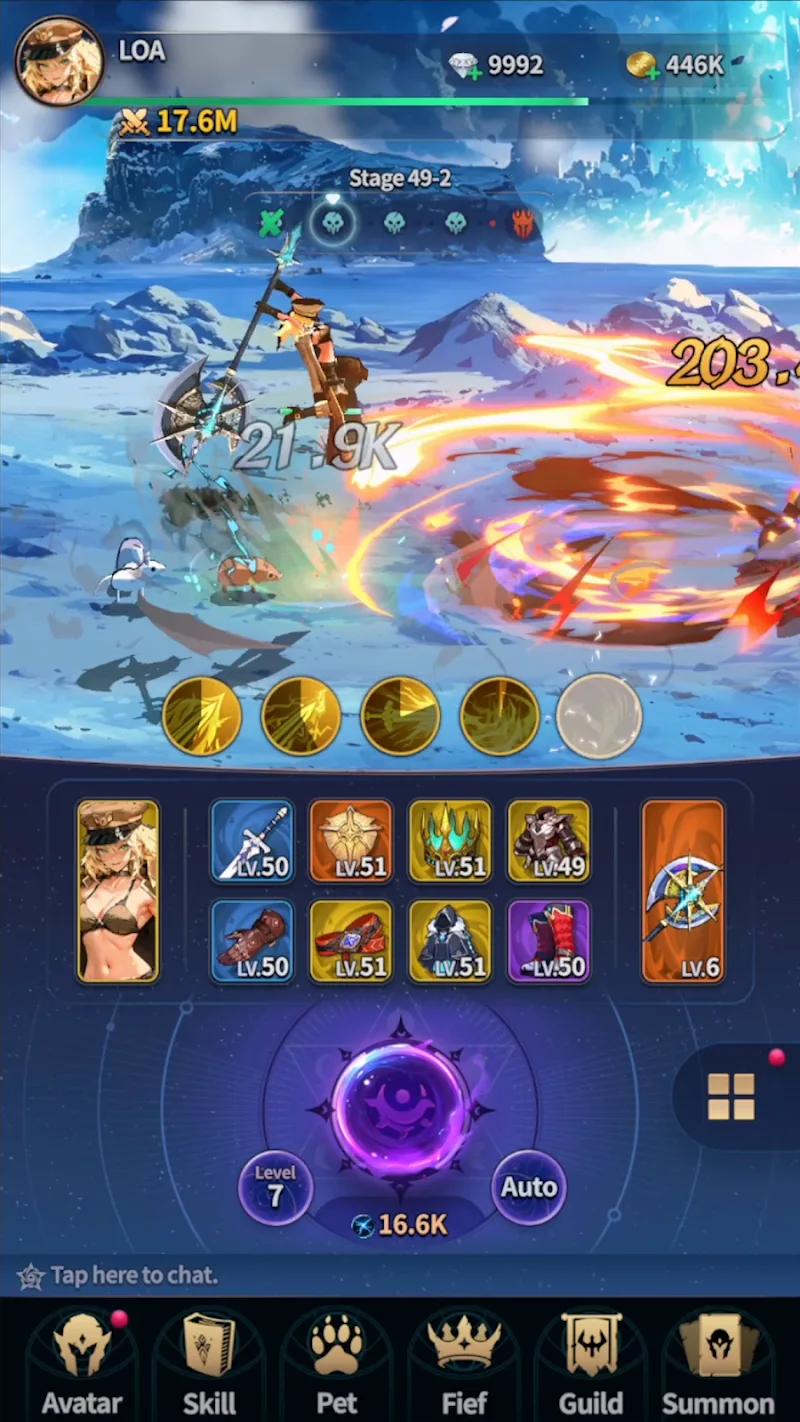
Offline progression is a practical convenience: the game records activity while you are away and grants capped rewards so your account makes measurable gains without constant attention. When you return, a concise summary of offline earnings helps you allocate upgrades and plan the next session. The interface prioritizes clarity—cooldowns, resource meters, and active transformation states are visible during combat—to make decision-making transparent rather than opaque.
Accessibility and Difficulty Balance
Legend of Avatar provides scalable difficulty through optional challenge tiers and progression gates rather than hard walls, helping new players learn systems while offering tougher encounters for experienced users. Helpful tooltips explain transformation effects and ability interactions to reduce guesswork, and adjustable control sensitivity plus readable UI elements accommodate different devices and play preferences. The balance aims to limit frustration while preserving meaningful choices for players pursuing higher power thresholds.
Getting Started and Practical Tips
To begin, progress through early chapters to unlock initial transformation tiers and core abilities, then experiment with manual combat during boss encounters to learn enemy patterns and skill synergies. Use auto-battle to accumulate steady resources when you cannot play actively, but switch to manual for milestone challenges that require precision. Focus on one transformation path at a time to notice clear power spikes and refine a build before branching out. Legend of Avatar supports both quick sessions and longer optimization runs, rewarding planning, experimentation, and occasional hands-on play to overcome tougher content.
- No virus
- No advertising
- User protection
Information
- File size: 709.00 M
- Language: English
- Latest Version: 1.19.0
- Requirements: Android
- Votes: 301
- Package ID: legend-of-avatar
- Developer: BillionaireGames
Screenshots















Explore More
Experience nonstop thrills with our newest edge-of-your-seat action game! With console-quality graphics and intuitive touchscreen controls, you'll be drawn into high-octane combat and stunt-driven gameplay. Choose from an arsenal of upgradable weapons and vehicles to blaze through enemy bases, post-apocalyptic cities, and more. Physics-based action packed with explosions and destructible environments make every level more intense than the last.

Kombat Legends Battle Arena

Living With Chainsaw

Demon Jack

Who's Your Daddy?

Satisfying Drink ASMR Game

DriveCSX: Car Crash Simulator

Bus Parking Game - Bus Driving
Candy Disaster TD Premium