
Introduction
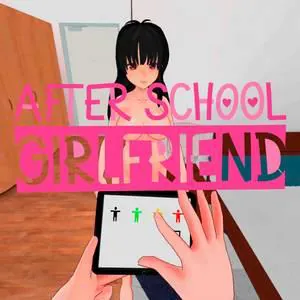
AfterSchool Girlfriend places you in everyday, character-driven scenarios where relationship choices and branching dialogue shape short, self-contained scenes. This simulation focuses on adult characters and slow-burn interactions presented in a calm, readable format, and it gives players control over tone and pacing through dialogue decisions rather than reflex-based mechanics. The emphasis is narrative-first: compact episodes you can complete in brief sessions, each designed to highlight emotional nuance and character development while keeping controls accessible.
Key Features
The core appeal of AfterSchool Girlfriend is interactive storytelling built around believable character moments. Scenes are episodic and varied in mood, and each one centers on character reactions and conversational rhythm. Players select responses that affect immediate replies and can open new dialogue branches in later scenes. The game leans on strong writing and character portrait work to communicate subtext, using a visible affinity indicator so you can see how choices shift a relationship over time. Features are intentionally straightforward so the story stays front-and-center, and the design supports short play sessions without sacrificing narrative depth.
Gameplay Mechanics
Gameplay depends on branching dialogue trees and decision points that change the short-term flow of scenes and the availability of later moments. Choices are not shuffled into complex systems; instead they influence personality cues, reveal background details, and unlock alternative conversation paths. The structure rewards careful reading and experimentation: subtle phrasing can lead to different emotional beats, and optional scene content becomes available if you explore alternate reactions. Occasional scene conditions or prior choices gate certain branches, creating a light puzzle layer for players who enjoy uncovering consequences over multiple playthroughs.
Controls and Progression
Controls are minimal and intuitive: tap to advance text, choose from clearly labeled response options, and pick scene transitions when available. The progression model is narrative-driven rather than level-based; advancing relationships and unlocking additional scenarios measure your forward movement. As scenes unlock, the game keeps a record of recent events and choices so you can review what led to specific outcomes and try different approaches on subsequent plays. Accessibility settings allow adjustments to text size and pacing so progress remains comfortable for a range of players.
Visual Style and Presentation
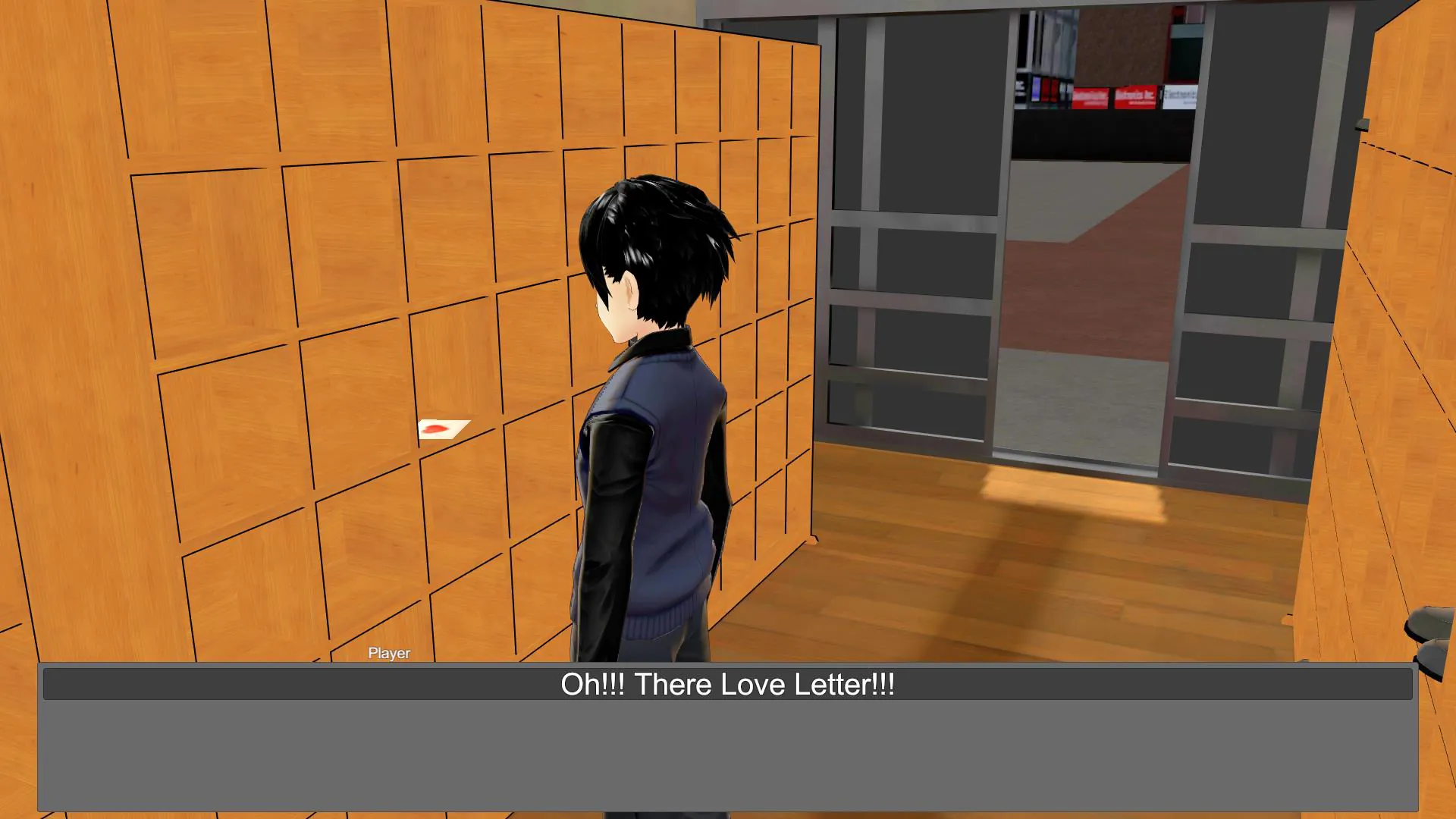
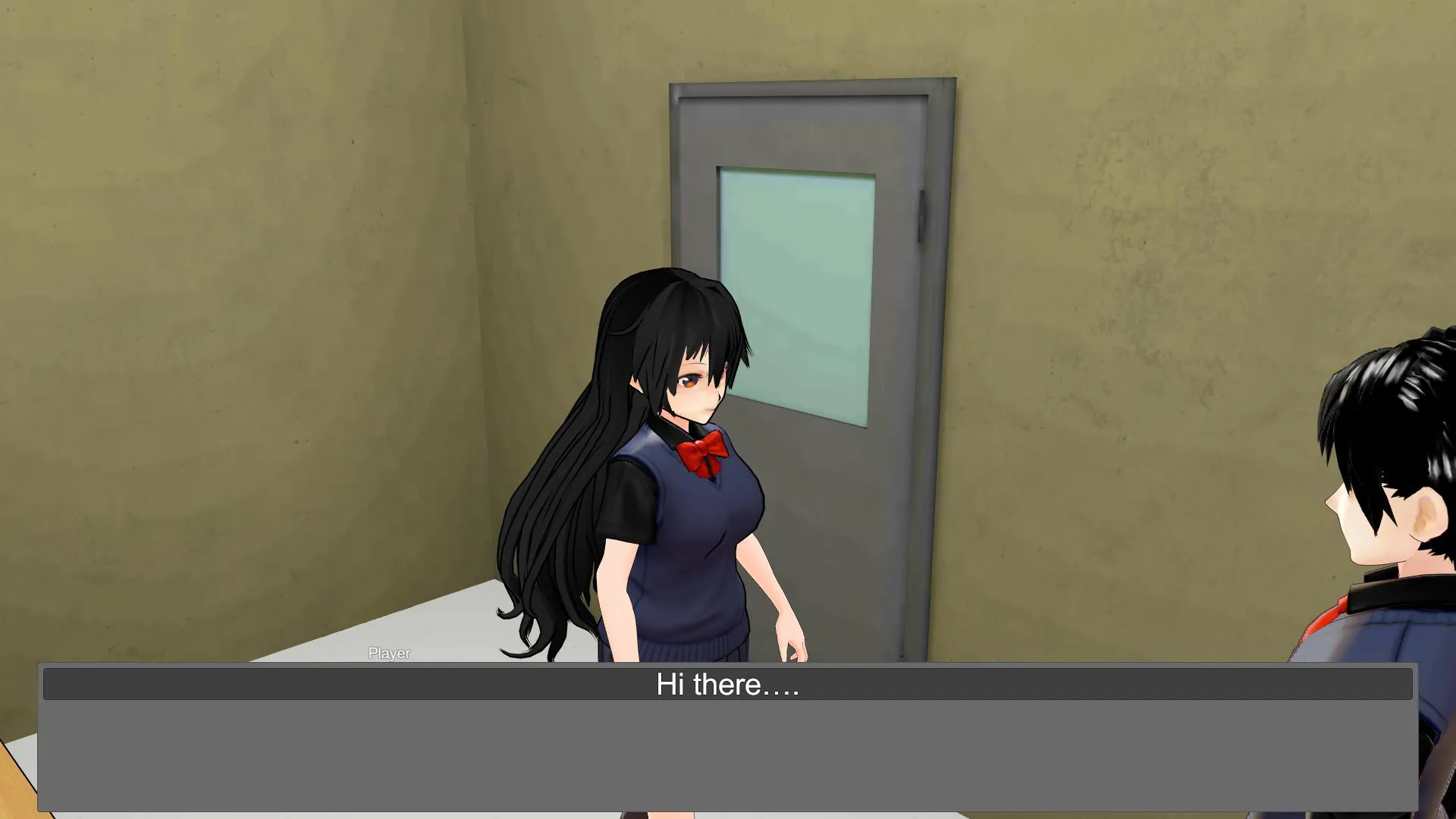
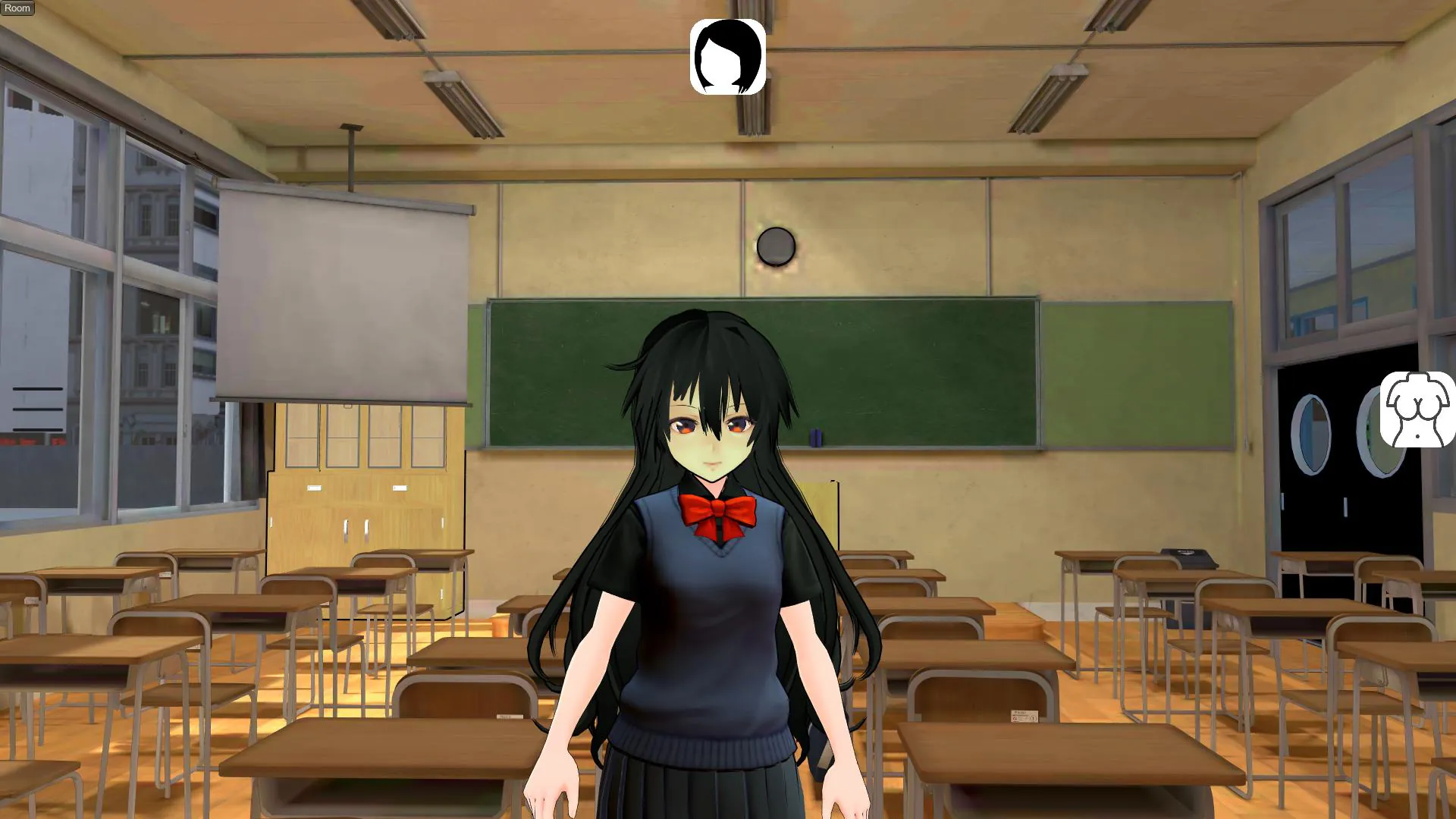
The visual presentation balances expressive character portraits, varied facial expressions, and atmospheric background art to set tone without relying on heavy animation. Illustrations are composed to highlight emotional beats, and UI transitions are designed to support readability and focus. Text layout is clean and legible, with careful spacing that encourages a relaxed reading pace. Art assets change subtly between scenarios to reflect context and mood, helping each episode feel distinct while maintaining a coherent visual identity.
Level Structure and Challenge
Content is organized into short, self-contained scenarios that can be enjoyed independently or played through in sequence for a longer narrative experience. Challenge is framed around making meaningful choices and observing their effects rather than testing speed or reflexes. For players who enjoy thoughtful decision-making, the satisfaction comes from deducing which lines lead to desired reactions and then replaying scenes to trigger alternate outcomes. Optional unlocks and conditional branches introduce modest analytical elements without turning the experience into a mechanical puzzle game.
Customization and Replay Value
While the emphasis is on story, branching paths and alternative scene outcomes provide substantial replay value. Different dialogue selections reveal new attitudes, optional moments, and small variations in character presentation, which encourages players to revisit scenes and explore consequences. There are no complex character builders or deep systems to manage; instead, the variety comes from narrative branching and the ability to pursue different conversational approaches to see how relationships evolve over time.
User Experience, Accessibility and Offline Play
The interface prioritizes clarity and low friction: readable text, straightforward menus, and a calm tempo that suits both newcomers to visual novels and experienced players who prefer contemplative pacing. Settings include text size adjustments and options to slow down auto-advance for readers who prefer more time with each line. The game is primarily designed for offline play, allowing you to enjoy scenes without a constant network connection, and local save points let you experiment with choices safely and return to earlier branches when desired.
Advantages and Limitations
This title highlights character-led interactions and branching narrative depth, making it a good fit for players who prefer story-rich, low-pressure experiences. It avoids competitive or action-oriented systems in favor of emotional writing and replayable dialogue paths. Limitations reflect the genre: if you seek fast-paced gameplay, advanced mechanics, or extensive system-driven variability, this quieter, more contemplative simulator may not meet those expectations. For readers who value character nuance and well-paced narrative choices, however, AfterSchool Girlfriend offers a focused and approachable experience.
- No virus
- No advertising
- User protection
Information
- File size: 510.41 M
- Language: English
- Latest Version: 0.11
- Requirements: Android
- Votes: 131
- Package ID: com.NekumaSoft.AfterSchoolGirlfriend
- Developer: NekumaSoftItch.io
Screenshots














Explore More
Are you searching for an enjoyable method to strengthen your intellect? Our hottest logical puzzle is tailor-made to offer a stress-free pastime experience. With beautiful graphics and chill background music, you can immerse yourself in an engaging world of logic and critical thinking. Solve increasingly tricky levels at your own pace, with no time pressure or lives system.

BehindTheChainsaw

Formamorph

iNTeRcepted

The Shadow Of The Bequest
Solitaire Master!

FunHouse

Enclosed Euphoria I Am Beyond Human Desires

Voidsong