

Introduction
Mikoto and the Succubus Island is a story-driven casual RPG that sends you back to a familiar island to investigate unsettling events and the gradual awakening of succubi. The game blends exploration, narrative beats and turn-based encounters: you will wander the island to trigger character scenes, recruit party members, and then enter maze-like dungeons where tactical combat and boss fights await. Mikoto and the Succubus Island is presented as a compact, offline-friendly experience that targets players who value a focused single-player campaign with a mix of investigation and dungeon crawling.
Gameplay
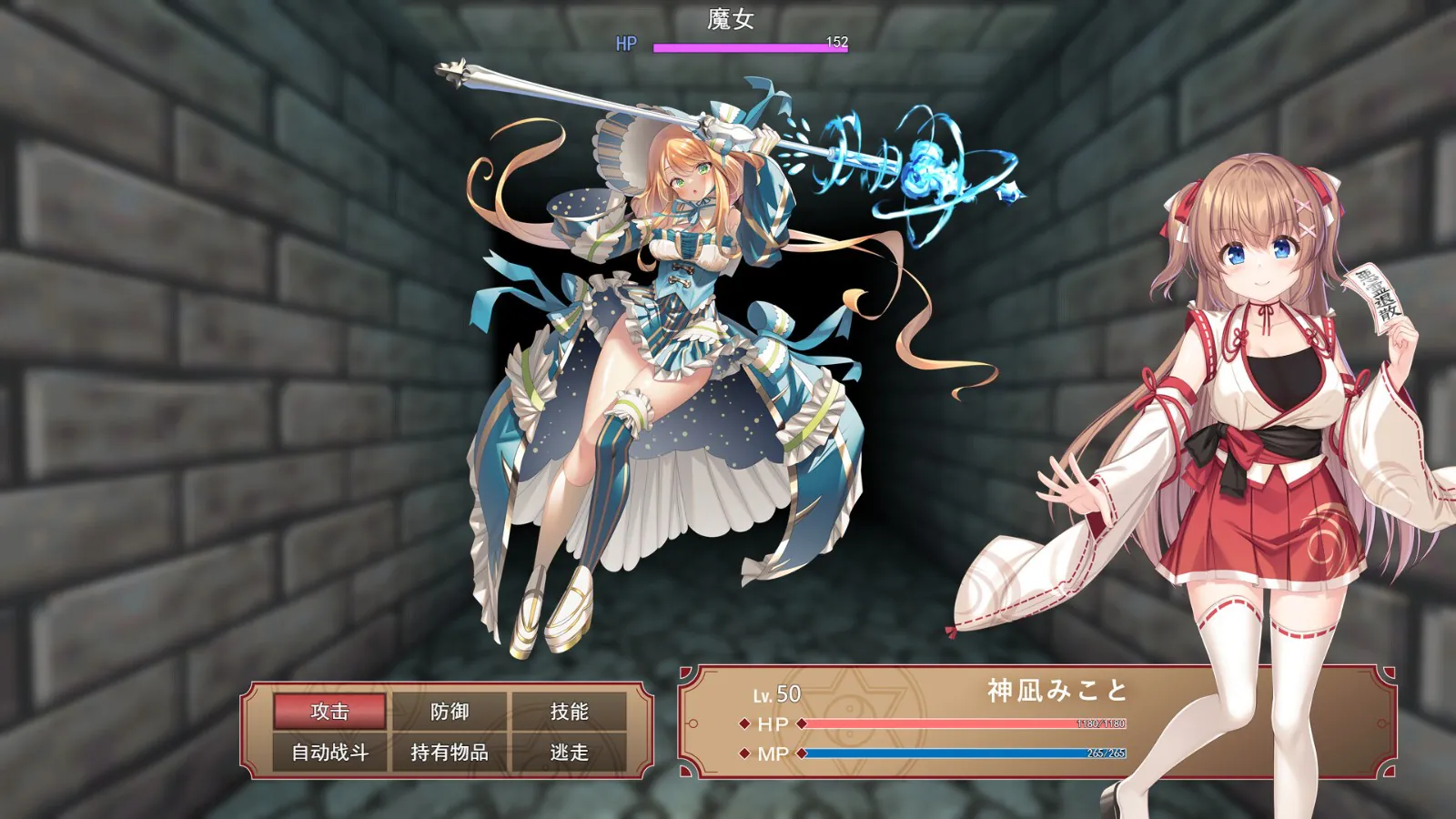
The core gameplay alternates between open exploration on the island and turn-based battles in multi-floor dungeons. During exploration you examine locations, speak with NPCs and uncover story events that can lead to optional adult-themed scenes; these scenes are optional and contextual, described factually rather than graphically. Combat is party-based and turn-driven: party members take turns using basic attacks, skills unlocked in a skill tree, and strategic abilities specific to each character. Encounters inside dungeons can be random and recurring, so careful resource management and party composition matter when you progress through deeper floors and face succubus-themed bosses.
Progression and Customization
Character growth in Mikoto and the Succubus Island focuses on experience points and a branching skill tree rather than equipment looting. As characters level up you allocate points into passive boosts or active skills that change how abilities behave in battle, allowing for straightforward specialization. Party building is meaningful: choosing which characters to bring into a dungeon alters your tactical options and the way you handle boss mechanics. Consumable items found in chests and shops support playthroughs, but the progression loop emphasizes skill choices and leveling over traditional gear variety.
Controls and User Experience
The game is designed for simple touchscreen controls: exploration relies on tapping to interact with objects and NPCs, while combat uses intuitive menu-driven commands to select attacks and skills. The interface is intentionally streamlined so menus are direct and accessible for short sessions or longer play. Voice-acted lines for the protagonist and clear visual cues during battle improve readability of encounters, and the UI feedback helps you track cooldowns, status effects and party health without clutter.
Visual Style and Audio
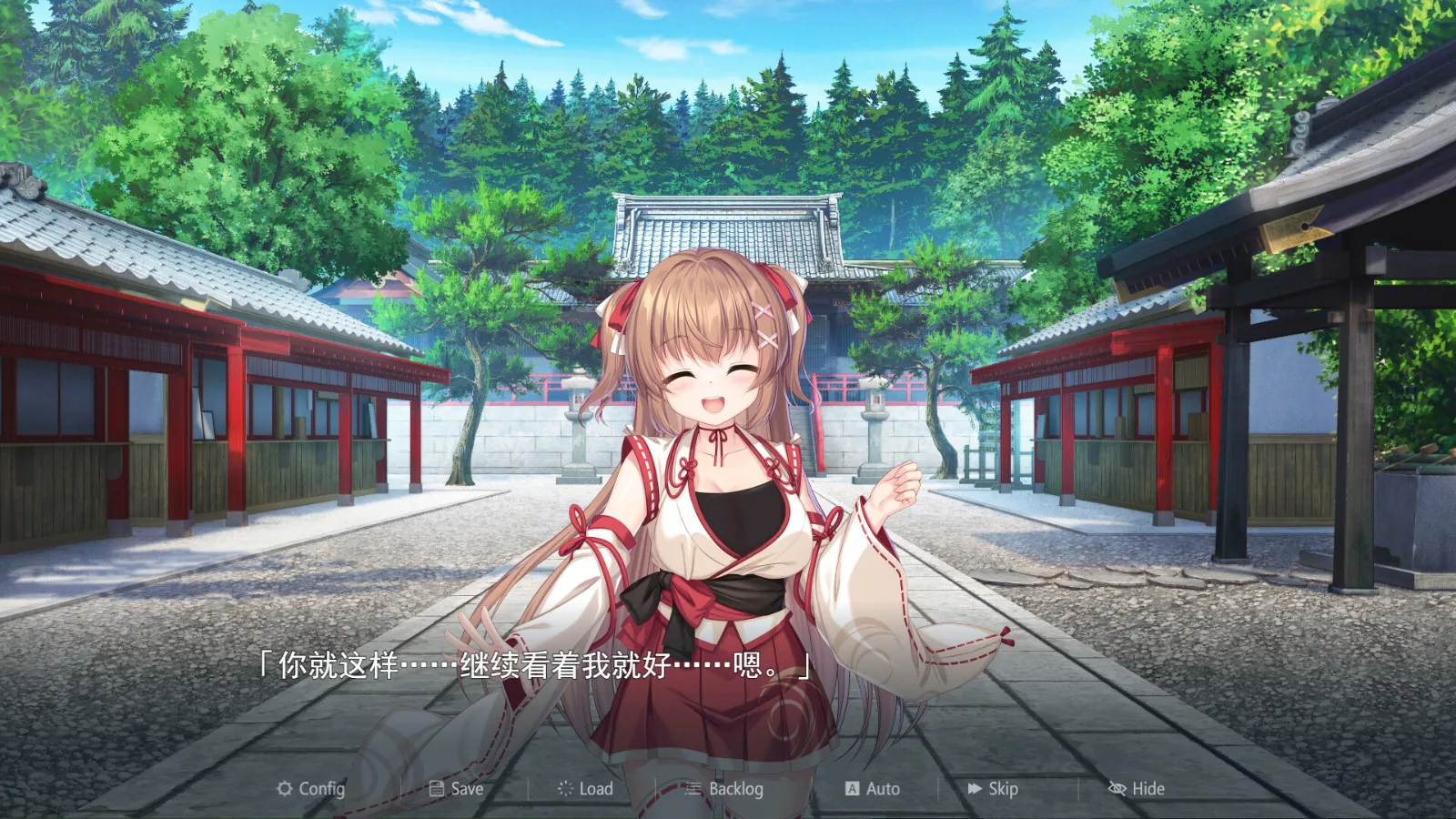
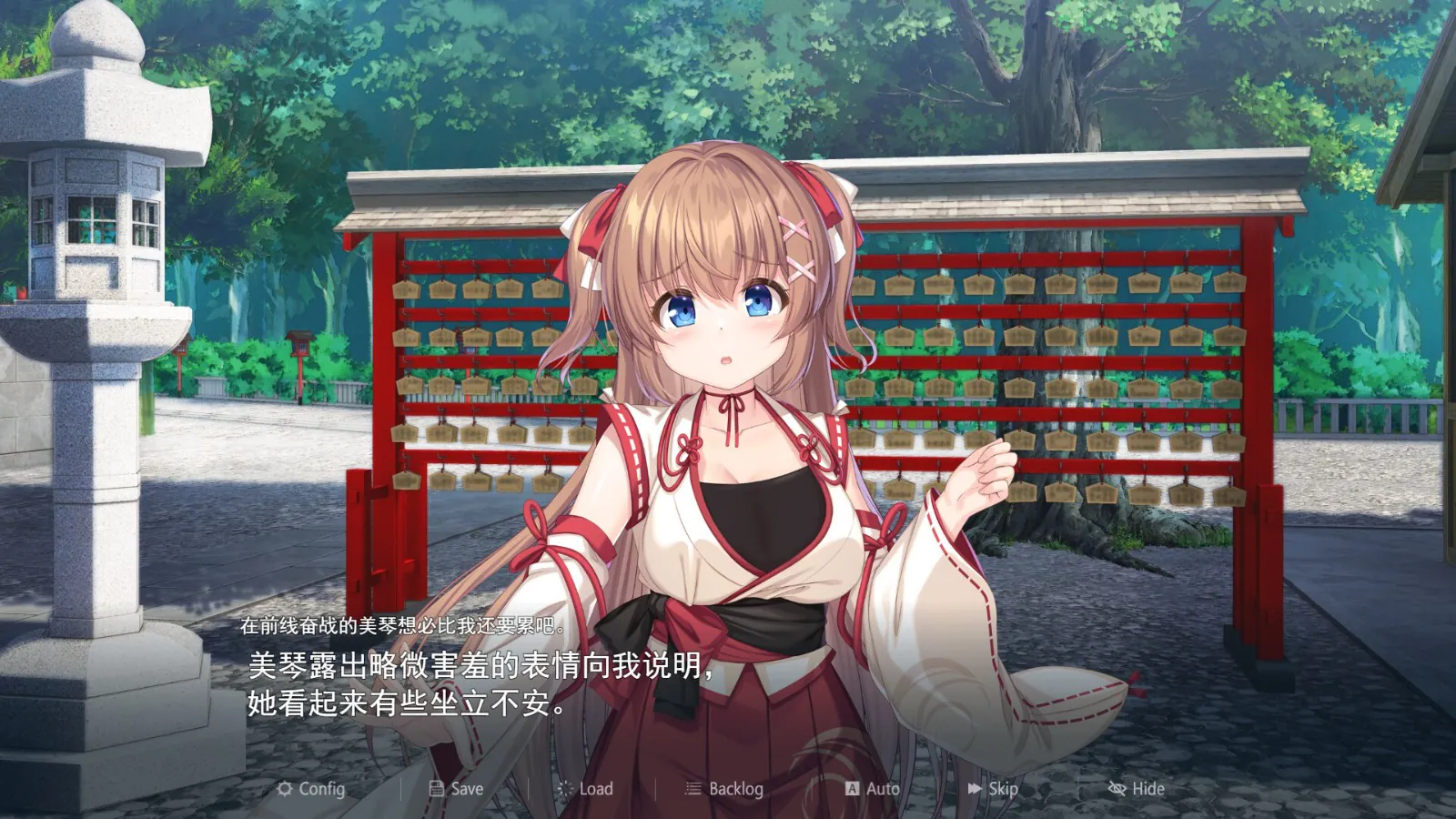
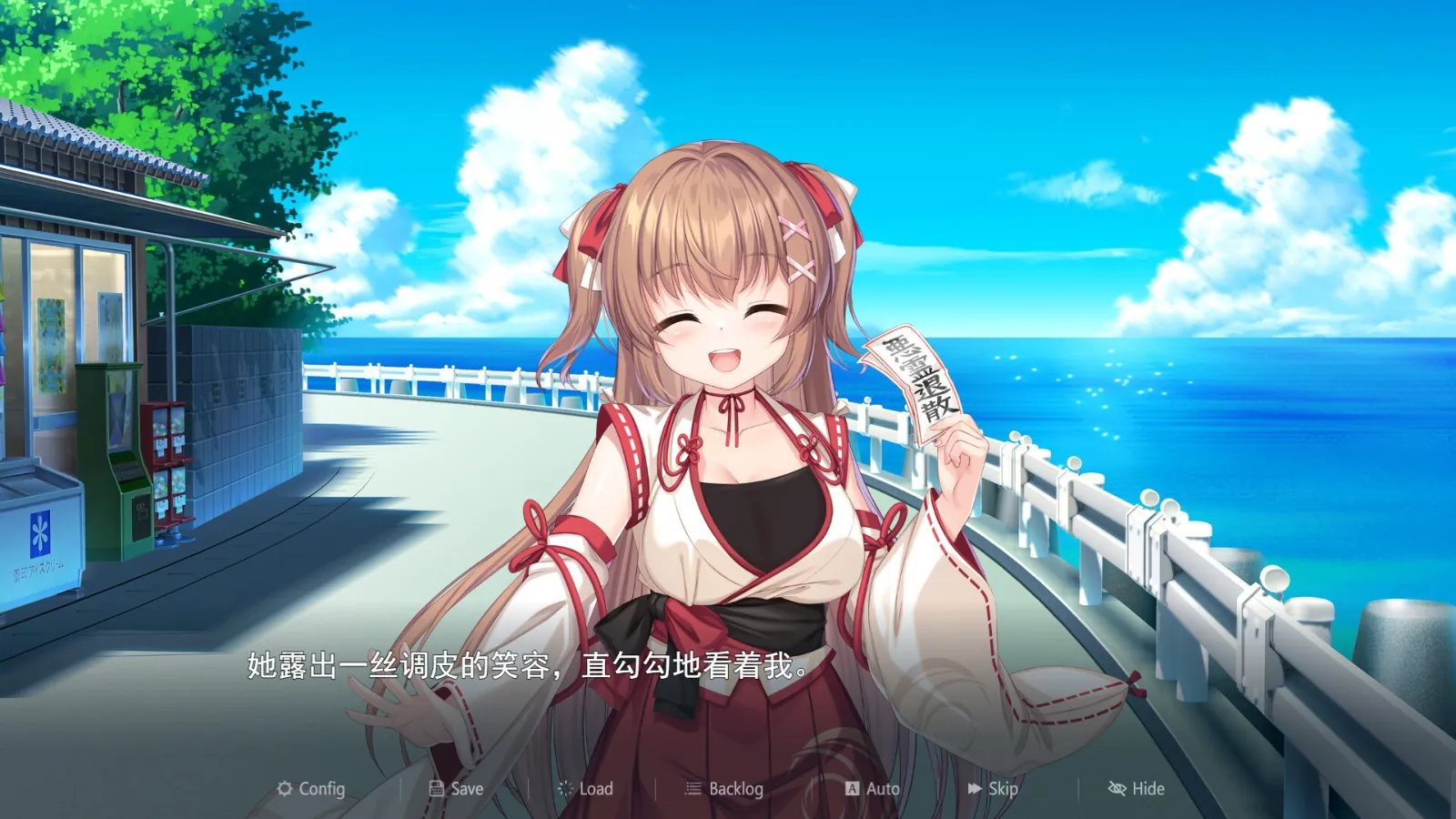
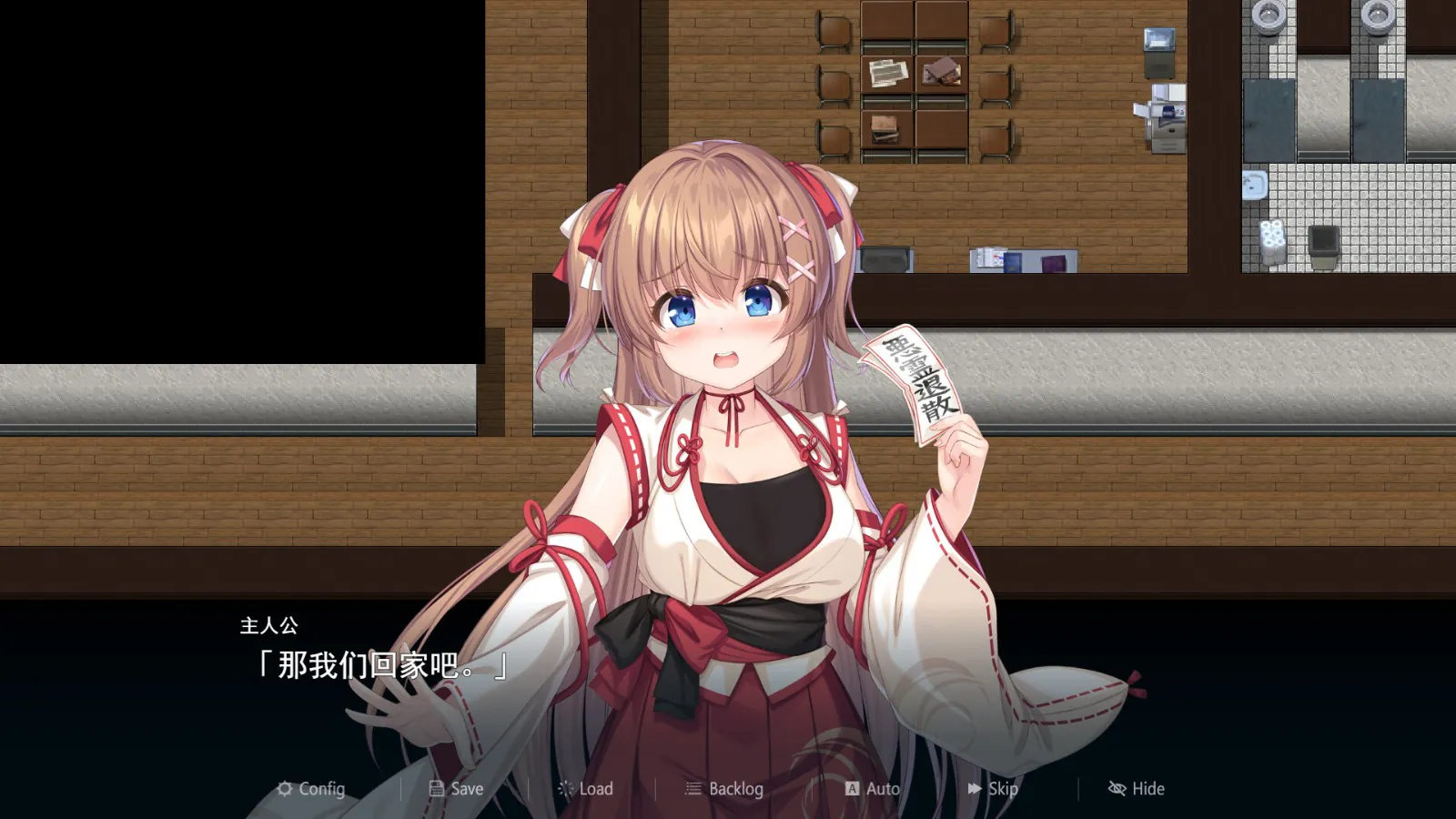
Visually, the title mixes anime-inspired character art with atmospheric island environments that vary between sunny coastal areas and darker, dungeon interiors. Character portraits and event scenes emphasize expression and mood rather than explicit detail. Audio is a key part of the presentation: a voiced protagonist and ambient tracks set tone for exploration and boss fights, enhancing immersion while playing offline in environments where network access is limited.
Level Structure and Challenge
The game features four themed dungeons with multi-floor layouts that often feel labyrinthine. These dungeon designs encourage mapping and careful navigation; expect trial-and-error as you learn routes and trap placements. Boss encounters focus on pattern recognition and managing resources earned through exploration. Random encounters within the dungeons can be frequent, so pacing your visits and retreating when low on supplies is part of the intended challenge. The difficulty curve is modest but deliberate, fitting a casual RPG that still rewards tactical thinking.
Replay Value and Offline Play
Mikoto and the Succubus Island supports offline play and is suited to repeat sessions: optional narrative scenes, different party combinations and multiple approaches to skill builds give the game modest replay value. Because some story events are triggered by exploration, revisiting locations with different party members or skill setups can reveal new scenes or tactical advantages in dungeons. Offline accessibility means you can play without a constant connection, and the compact design makes it appropriate for devices that are used on the go.
Known Limitations
The game keeps RPG systems streamlined by design, which is both a strength and a limitation. There is limited equipment variety and chests typically contain consumables rather than diverse loot, so players expecting deep gear-driven progression may find the loop simplified. Dungeon layouts are intentionally maze-like and require patience to map and clear, and some players may perceive exploration and combat as repetitive over longer sessions. Despite this, Mikoto and the Succubus Island delivers a focused narrative experience with accessible mechanics and a clear progression path for those looking for a single-player, turn-based adventure with optional mature themes presented in an informative manner.
- No virus
- No advertising
- User protection
Information
- File size: 344.72 M
- Language: English
- Latest Version: 1.02
- Requirements: Android
- Votes: 110
- Package ID: com.game.mikoto.and.the.succubus.island
Screenshots














Explore More
Looking for some quick gaming fun? Our new super-casual game is perfect for entertaining bursts in your busy day. With simple, intuitive gameplay crossed with challenges that engage your brain, you'll keep coming back again and again. No complex controls or tutorials - just open and play anywhere, anytime. Vibrant art style and upbeat music create a lighthearted experience.

Music Star: Dress Up & Live

Gin Rummy Online & Offline
Teen Patti Trio

Daman Teen Patti: 3 Patti

MT966

Word vs Block

Daman Slots: Slot Game

Spanking Ass-v0.0.62