


Introduction
WHODUNNIT is a story-driven casual detective game that puts you in the shoes of Howie as he pieces together what happened after a single intimate encounter. WHODUNNIT focuses on conversation, scene inspection, and deduction rather than action: you explore hand-drawn locations, interrogate a varied cast of characters, compare conflicting statements, and gradually build theories that can be tested in group conversations. The tone is character-driven and observational, and the writing is designed to reward careful reading and replaying rather than reflex-based play.
Key features
The game blends visual exploration with branching dialogue mechanics to make investigation the core gameplay loop. You inspect animated, hand-drawn environments for subtle clues, assemble lines of testimony into possible narratives, and direct critical group conversations to see how NPCs react when confronted with competing theories. There are no forced action sequences; progress comes from assembling evidence, spotting inconsistencies, and choosing which leads to pursue next.
Gameplay mechanics
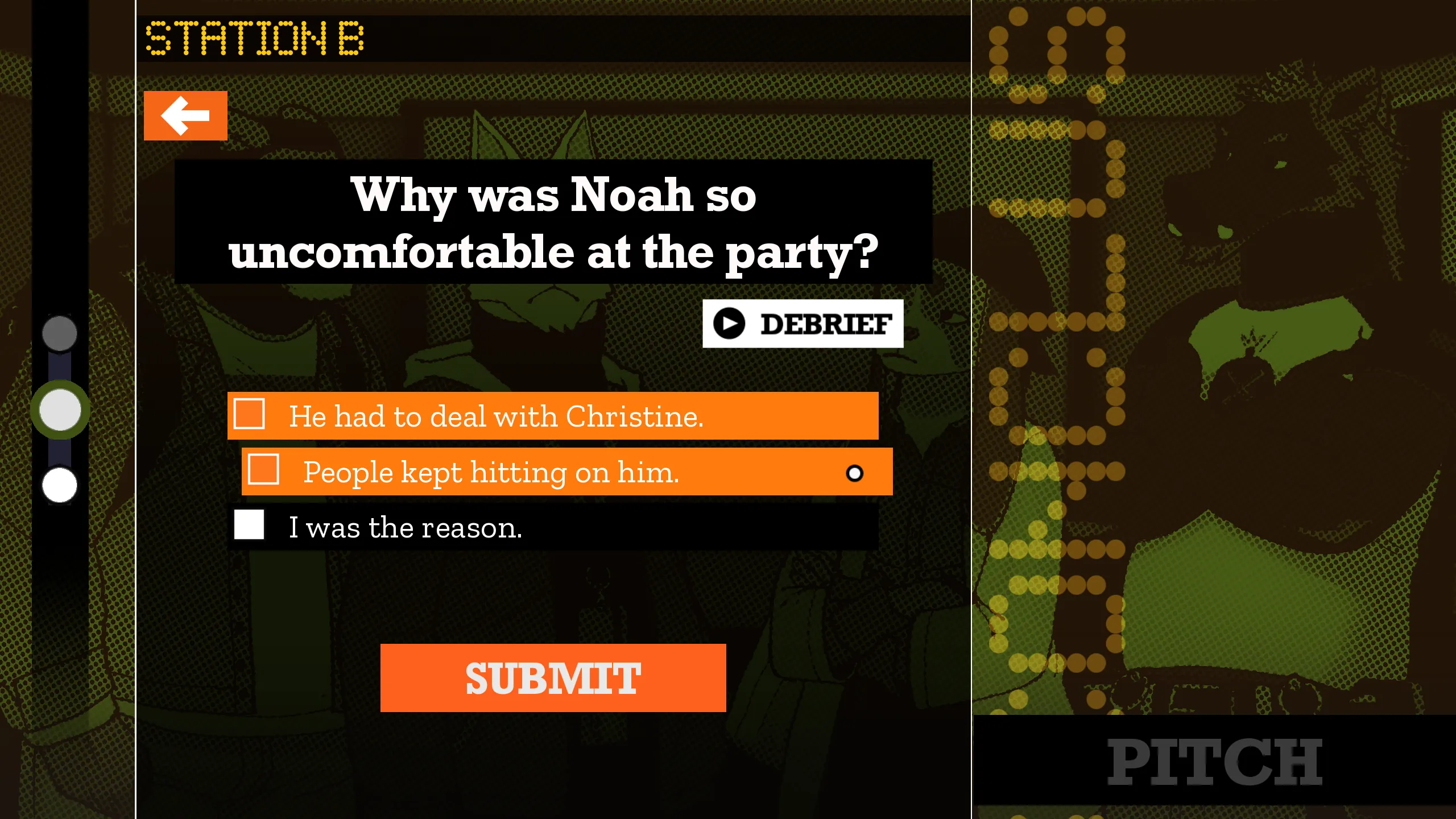
Encounters unfold as scene-by-scene chapters where you can pause to review previously collected evidence and dialogue. Conversations use a line-based system that lets you pin notable statements, roll back recent dialogue choices to test alternatives, and propose permutations of your working theories during charged group moments. The absence of strict timers means you can take time to reflect between scenes, but some investigative sequences require precise interpretation of testimony and the order in which clues are presented.
Controls and accessibility
WHODUNNIT is controlled primarily by touch: tap to inspect objects and dialogue lines, swipe to move between locations or advance scenes, and long-press to pin or examine a line of testimony. The interface includes adjustable text size, simple navigation shortcuts to reduce repeated clicks, and optional high-contrast text for readability. Save slots and a visible dialogue history allow players who need extra time or who rely on assistive pacing to manage progress without losing their place. The game can be played offline once installed, so you can continue an investigation without an internet connection.
Visual style and sound
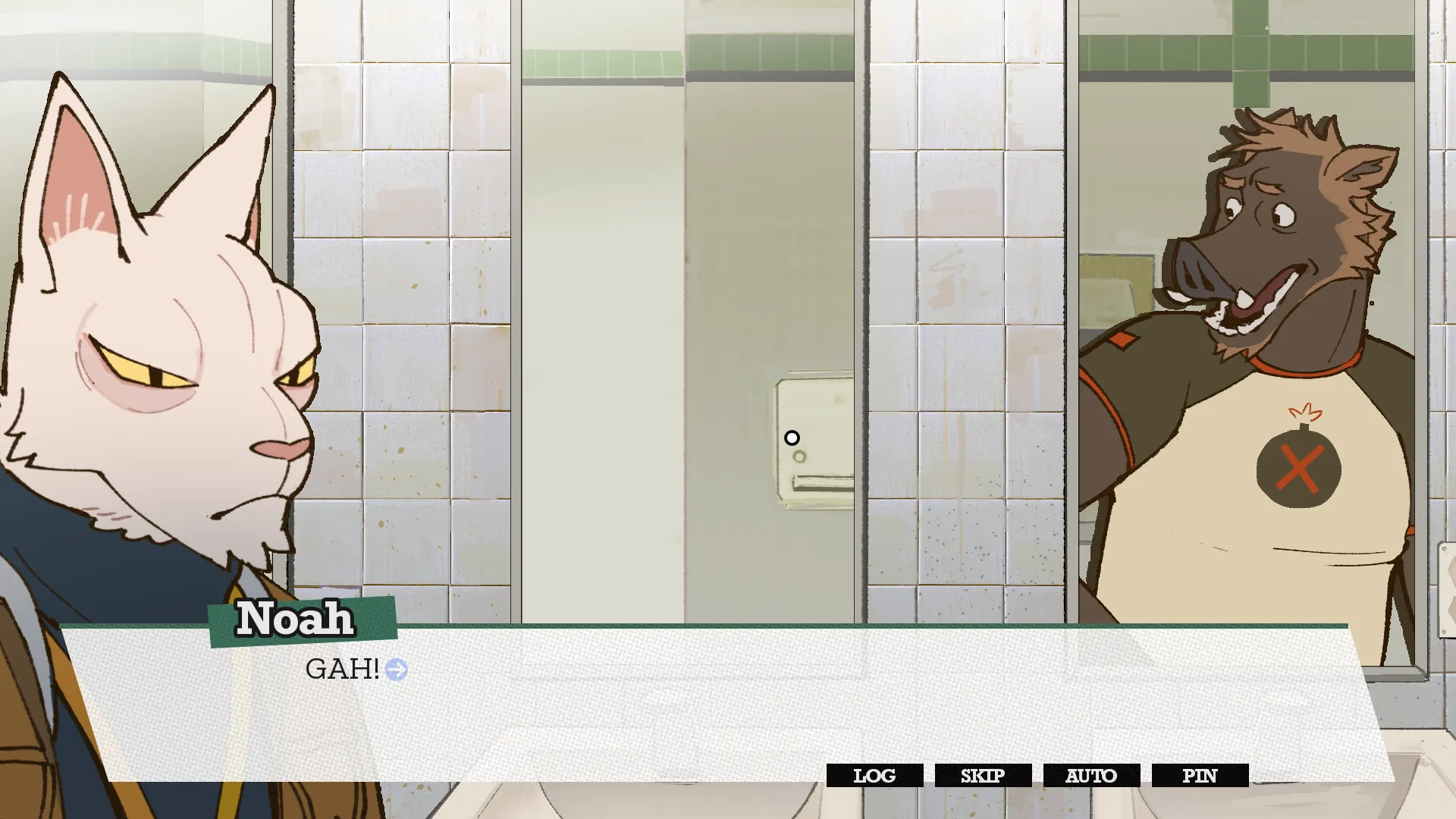
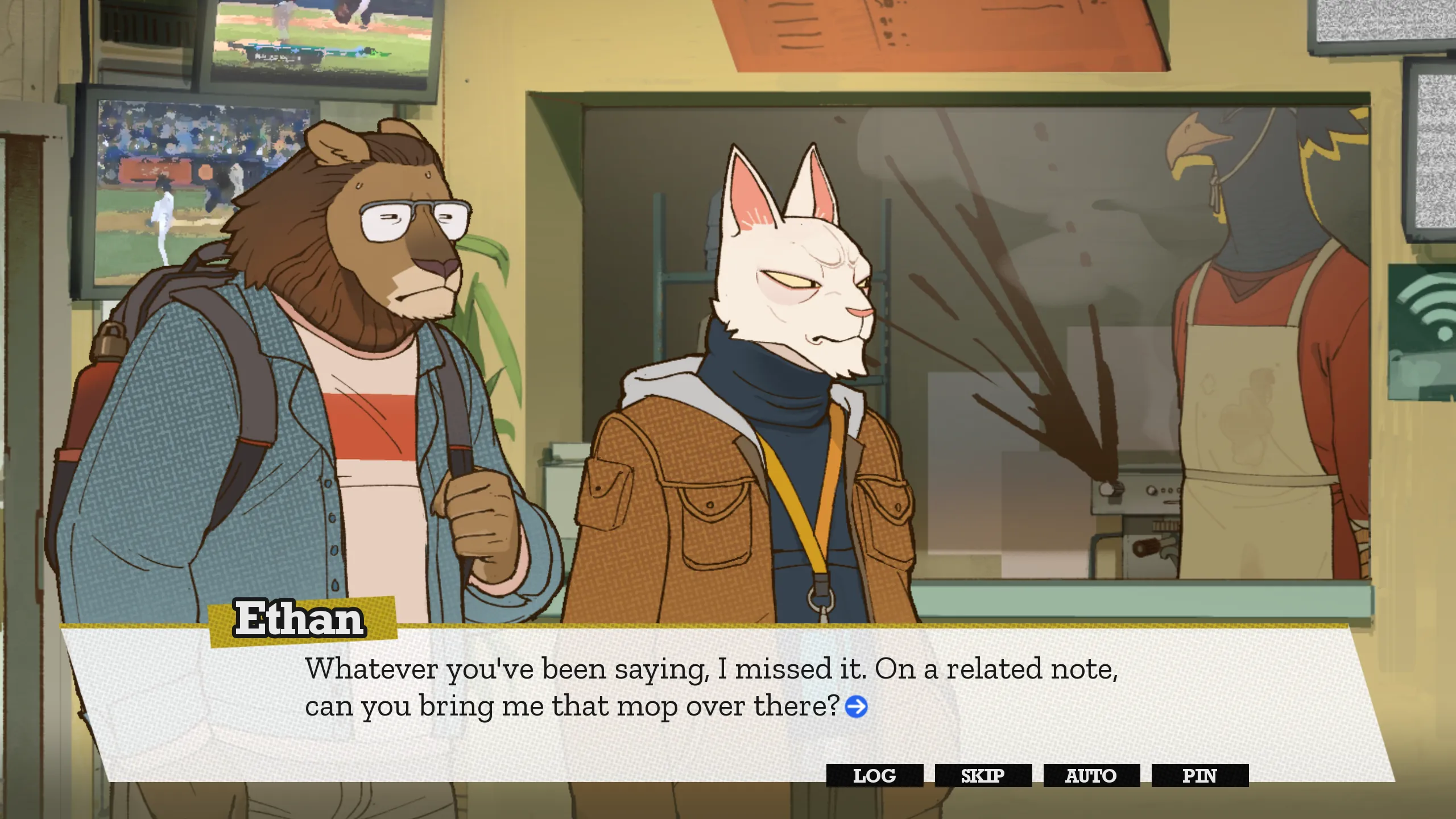
The presentation leans into a jazzy, comic-book aesthetic: richly detailed, hand-inked backgrounds, expressive character portraits, and kinetic menus that emphasize mood rather than realism. Animated touches are subtle and design-forward, intended to draw attention to interactive elements without distracting from dialogue. A fully original soundtrack with jazz-inspired cues supports different tones—quiet reflection, tense confrontation, or revealing discoveries—so audio contributes to pacing and emotional beats.
Progression and replayability
Progress is divided into scenes and chapters that unlock new locations and characters as your investigation advances. Multiple branching paths and endings are built into the narrative structure, and the game encourages replay by allowing you to revisit earlier choices, explore alternative dialogue permutations, and uncover hidden lines of testimony you might have missed. Rather than relying on grind, replay value comes from pursuing different theories, exposing contradictions, and watching how small changes in questioning produce surprising outcomes.
User experience and investigation tools
WHODUNNIT includes several quality-of-life features crafted for a thoughtful detective experience: an accessible dialogue history that records every line, the ability to pin and compare lines side by side, a line rollback function to undo recent choices, and multiple save slots so you can experiment without losing earlier branches. These tools let you build and test hypotheses deliberately, and they make the game forgiving for players who enjoy pausing, reviewing evidence, and planning the next line of questioning.
Level structure and challenge systems
Each chapter presents a compact area or set of locations with a clear investigative focus, followed by one or more group interactions where your theory is examined. Challenges arise from ambiguous testimony, unreliable narrators, and the need to synthesize small details from different scenes—not from combat or time pressure. The difficulty curve is managed through narrative complexity rather than mechanical obstacles, so later chapters tend to require broader cross-referencing of evidence and more careful management of conversation threads.
Customization and settings
Settings let you adjust text size, toggle sound and music levels independently, and control simple navigation options to reduce repetitive taps between areas. These modest customization options aim to make the interface comfortable for longer play sessions and to accommodate a wide range of player preferences without changing the fundamental investigative systems.
Known issues and ongoing updates
Some players have noted that moving between areas or menus can require extra taps, which may interrupt pacing for those who prefer faster navigation, and that the map presentation is functional but less lively than the hand-drawn scenes. The developers are aware of these concerns and plan iterative improvements. Future updates will expand endings and storylines to deepen replayability and refine interface flow based on player feedback, and WHODUNNIT will continue to receive content and usability updates aimed at preserving its investigative focus.
- No virus
- No advertising
- User protection
Information
- File size: 206.72 M
- Language: English
- Latest Version: 0.1
- Requirements: Android
- Votes: 170
- Package ID: donattico.whodunnit
- Developer: Don Attico
Screenshots


















Explore More
Looking for some quick gaming fun? Our new super-casual game is perfect for entertaining bursts in your busy day. With simple, intuitive gameplay crossed with challenges that engage your brain, you'll keep coming back again and again. No complex controls or tutorials - just open and play anywhere, anytime. Vibrant art style and upbeat music create a lighthearted experience.

Rejeki Bet

Love n Life: Happy Student

Lifeguard Holic

Hey Fun

Jawaker Hand, Tarneeb & Trix

RSNKING

Snake Arena

YY555