Introduction
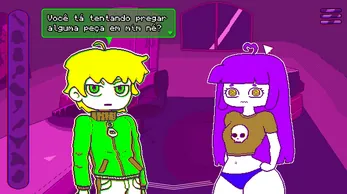
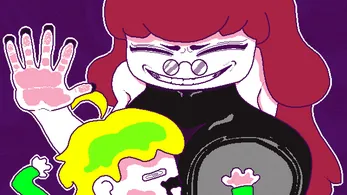
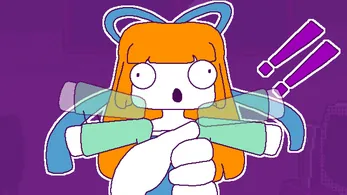
My Doll Wants To Be Human is a narrative-driven indie horror experience that blends exploration, puzzles and a subtle social-simulation layer. You play as a caretaker guiding a sentient doll through cramped interiors and odd outdoor spaces, teaching it traits that shape its reactions to the world; the game emphasizes consequence and atmosphere over cheap shocks while offering a clear, tactile interaction model.
Overview of the experience
The tone leans toward stylized realism: muted palettes, careful lighting and a restrained soundscape create unease without graphic content. Story beats unfold through discovered notes, environmental detail and conversations with a small but distinct cast. Rather than moving strictly from one linear chapter to the next, the environment responds to the doll’s current state, so previously closed paths can reopen and familiar locations gain new significance as the doll learns.
Core gameplay mechanics
Gameplay mixes three complementary systems: exploration, puzzles and a relationship-driven simulation. Exploration uncovers tools, scraps and narrative fragments. Puzzle encounters test logic, timing and the creative use of assembled objects. The social simulation tracks the doll’s development along empathy, curiosity and practicality, and those values alter available dialogue and interactions. Decisions have ripple effects: a lesson taught early can make a later puzzle simpler or close off a narrative thread entirely.
Inventory, crafting and in-game systems
An accessible inventory collects found items that can be combined into simple teaching tools or contraptions. Crafting is designed to be intuitive: pairing a handful of household scraps produces objects that influence behavior rather than providing arbitrary stat boosts. A visible relationship meter shows how the doll perceives the player and the surrounding world, while an ethics-like system records major choices so scenes and puzzle solutions change depending on past guidance.
Controls and interface
The interface favors minimalism with context-sensitive prompts, a compact overlay for inventory and clear visual feedback for growth metrics. Touchscreen controls are responsive and designed for tap-and-drag interactions; gamepad support mirrors those actions with button mappings and an optional radial menu for quick item use. Players can adjust control sensitivity, toggle on-screen hints and hide HUD elements to suit different play styles or accessibility needs.
Progression and challenge
Progression is multi-threaded: teaching specific traits unlocks new interactions, alters NPC behavior and opens unique puzzle solutions. Scarce resources force tradeoffs between emotional investment and practical problem solving. The challenge system is not purely punitive; instead, difficulty emerges from limited supplies and branching consequences. Players can choose a more forgiving pace by enabling hint levels or preserve a tighter challenge for a more deliberate experience.
Level structure and pacing
Levels alternate between intimate domestic scenes and broader, enigmatic outdoor locations. Short chapters punctuate longer stretches of exploration so the narrative maintains momentum while offering space for discovery. Adaptive pacing means the world can become denser with clues or sparser depending on the doll’s state, encouraging multiple playthroughs to see different rhythms and emergent scenes.
Visual and audio design
The visual approach is subtle: textures and lighting create a lived-in feel without relying on overt gore. Audio supports gameplay with thematic motifs tied to the doll’s emotional state and environmental cues that hint at hidden puzzles or impending encounters. These elements work together to keep tension atmospheric and to reward attentive players who use sound as a navigational aid.
Customization and saves
Customization centers on behavioral choices rather than cosmetic microtransactions: the items you craft and the lessons you prioritize shape the doll’s habits and dialogue options. A straightforward save system supports multiple profiles, allowing players to explore divergent paths without replaying the entire campaign. Performance toggles let you reduce visual effects to maintain smooth play on older devices.
Replay value and player experience
Replayability comes from branching outcomes, emergent interactions and small mechanical synergies between crafted objects and taught behaviors. New combinations of moral choices and item uses unlock scenes and alternate endings, and community discussions often highlight obscure solutions that reward experimentation. My Doll Wants To Be Human encourages curiosity and repeat exploration by design.
Accessibility and offline play
The game is playable fully offline and includes options to assist different needs: adjustable audio volumes, captioning for key dialogue, simplified input modes and visual effect toggles to reduce motion. These settings let a broad range of players tailor the experience while preserving the game’s core narrative and mechanical intent.
Getting started
After installation a short tutorial introduces the doll’s basic needs, inventory and core interactions. Early levels are forgiving to let you practice crafting and understand the relationship meter; as you grow more confident you can explore riskier choices. My Doll Wants To Be Human rewards thoughtful experimentation, so save often, try varied approaches and pay attention to how small acts of care or neglect change later encounters.
- No virus
- No advertising
- User protection
Information
- File size: 103.37 M
- Language: English
- Latest Version: 1.0.0
- Requirements: Android
- Votes: 421
- Package ID: com.meujogo.mydoll
- Developer: threestezaogames
Screenshots


















Explore More
Are you searching for an enjoyable method to strengthen your intellect? Our hottest logical puzzle is tailor-made to offer a stress-free pastime experience. With beautiful graphics and chill background music, you can immerse yourself in an engaging world of logic and critical thinking. Solve increasingly tricky levels at your own pace, with no time pressure or lives system.

TripleDiamond
HiWin
Main Duit
Checkers Clash - Draughts Game

Stranger Things: The Game
Claire's Quest
In a Scent

Minamo's Island