Introduction
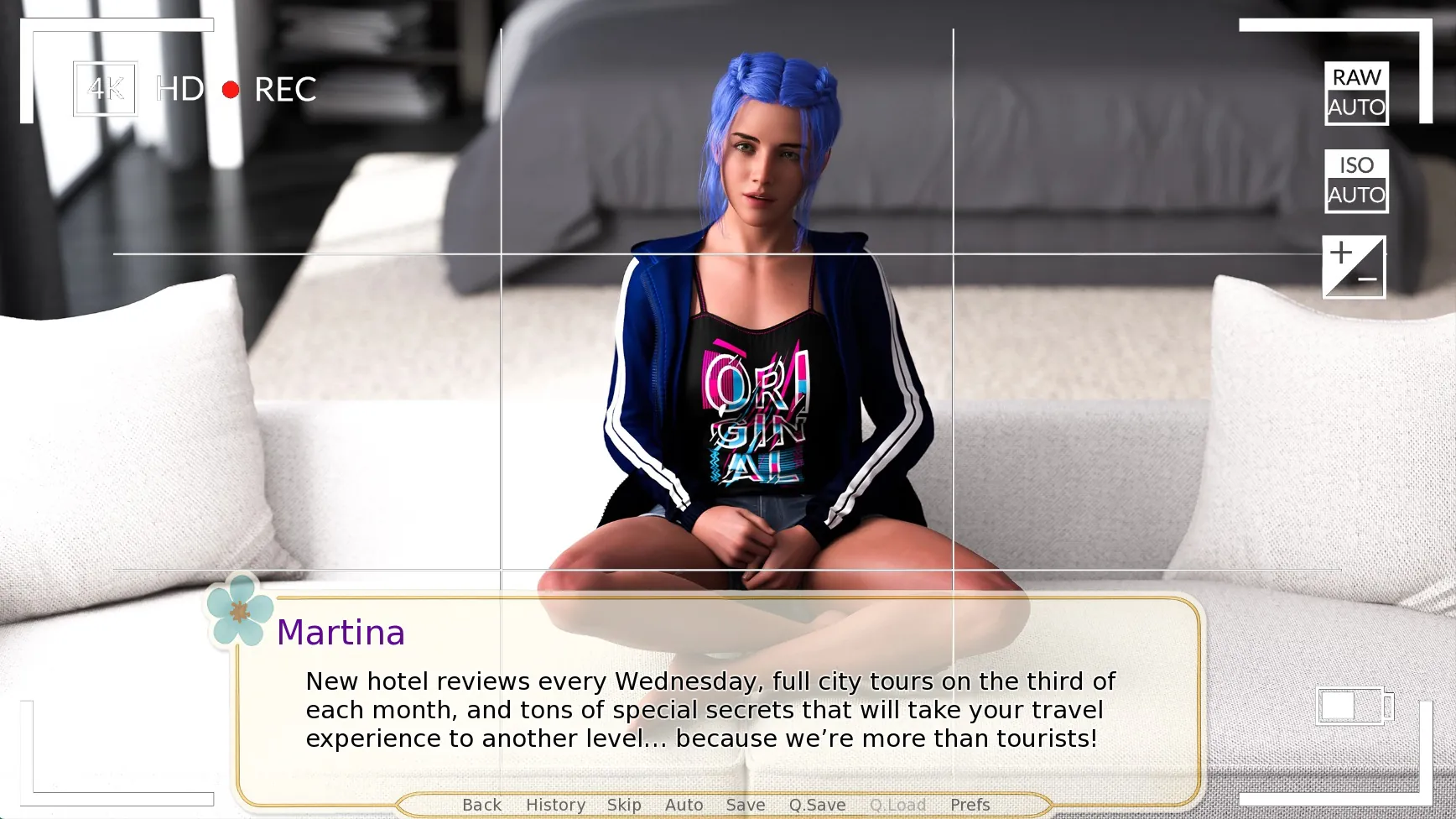
Feeneera places players in the shoes of Martina and Lukas, a pair of travel vloggers who check into a boutique hotel full of charm and quiet mysteries. The game opens as a short assignment to film a weekend review, but the atmosphere and a string of small discoveries push the story into a focused investigation that rewards attention and careful choice. Feeneera blends exploration, light puzzle-solving, and branching narrative moments to create a slow-burn adventure that emphasizes character interaction and environmental storytelling.
Key Features
Feeneera offers a narrative-driven experience with an emphasis on atmosphere and discovery. Players move through a compact hotel environment composed of interconnected rooms and public spaces, collecting clues, piecing together backstory details, and making decisions that influence how the couple’s weekend unfolds. Inventory-based puzzles, contextual interactions, and optional side details combine to create a layered investigation that is easy to pick up but invites deliberate play.
Gameplay and Controls
Gameplay centers on point-and-tap exploration combined with light inventory management. Interact with objects and inspect scenes by tapping, drag items within the inventory to combine or use them, and read curated notes and recordings that expand the narrative. Controls are designed for touch devices with clear affordances for examine, pick up, and use, and responsive input ensures that observation and experimentation are the primary challenges rather than fiddly mechanics. A simple contextual hint appears if players are stuck for an extended period, preserving flow without handing answers away.
Progression and Pacing
Progression in the game is chapter-based and scene-driven: each hotel area adds new information or puzzles that unlock the next sequence. Rather than grind or resource systems, Feeneera advances through discovery and choice; unlocking a new scene depends on finding key items or following a dialogue thread. Save points and an autosave system allow short sessions to be resumed, and the game is tuned to deliver a measured pace that highlights mood and character development rather than rapid action.
Visual Style and Level Structure
The visual presentation leans toward an intimate, hand-crafted aesthetic that supports the boutique-hotel setting. Rooms are detailed with props and believable set dressing that reward closer inspection, while lighting and sound are used to enhance the mood in corridors, lounges, and guest rooms. Level structure favors contained, interlinked spaces: a lobby, a handful of guest rooms, back corridors, and one or two public areas that act as hubs for exploration. Each area is built to hide small secrets and contextual clues that feed the central mystery.
Customization and Accessibility
Feeneera includes simple options to tailor the experience: adjustable text size for readability, volume sliders for music and effects, and subtitle toggles for dialogue and ambient notes. Controls can be made more forgiving through an assist setting that enlarges touch targets, and a color-contrast option improves visibility for players with mild visual impairments. These settings are designed to make the story-driven experience approachable without altering game content or difficulty balance.
Challenge Systems and Replay Value
Puzzles range from observational tasks and environmental riddles to modest inventory combinations that test logical thinking rather than dexterity. Optional secrets and branching dialogue paths give the game replay value: choices made in earlier scenes can change later interactions and reveal alternate notes or character beats. While Feeneera is not built for indefinite replay like an open-world title, multiple endings and hidden scenes reward players who re-examine clues or take different conversational routes on subsequent playthroughs.
User Experience and Offline Play
The interface aims to be minimal and unobtrusive so players can focus on story and atmosphere. A clear journal organizes discovered clues, recorded segments, and objectives to help track progress; contextual prompts remind players of unresolved leads without breaking immersion. Feeneera is designed to be fully playable offline after installation, making it convenient for travel or situations without a steady connection. Performance targets prioritize stable frame rates on typical Android hardware and reduced battery impact for longer sessions.
Who Should Play
Feeneera is suited to players who enjoy character-driven narrative adventures, atmospheric settings, and exploratory puzzle work rather than fast-paced action. If you appreciate slow-burn storytelling, environmental detail, and the satisfaction of connecting subtle clues, this title offers a compact, self-contained weekend mystery to uncover. The narrative focus and accessible mechanics also make the game a good fit for players new to the adventure genre who want a calm, thoughtful experience.
- No virus
- No advertising
- User protection
Information
- File size: 576.00 M
- Language: English
- Latest Version: 1.0.2
- Requirements: Android
- Votes: 163
- Package ID: com.game.feeneera
- Developer: Kuviragame/Finue
Screenshots




















Explore More
Are you searching for an enjoyable method to strengthen your intellect? Our hottest logical puzzle is tailor-made to offer a stress-free pastime experience. With beautiful graphics and chill background music, you can immerse yourself in an engaging world of logic and critical thinking. Solve increasingly tricky levels at your own pace, with no time pressure or lives system.

Null’s Clash

Haileys' Treasure Adventure

Mahou Shoujo Pureful Lily

Solitaire Angel - Card Puzzle

AM2R – Another Metroid II Remake

500 Miles Apart

Elixir of Vengeance: Manor of Shadows

PAIZUlife