
Introduction
Girl in the Attic places players into a tense, narrative-driven horror puzzle where a mysterious woman and an enigmatic house hold layers of secrets to uncover. This atmospheric single-player adventure blends exploration, stealth, and item-based puzzles as you piece together a disturbing past while navigating a claustrophobic attic environment and its adjoining rooms.
Core Gameplay and Mechanics
The core of Girl in the Attic alternates quiet investigation with sudden bursts of danger. Players examine rooms for clues, combine limited resources, and interact with environmental devices to unlock progress. Stealth and timing are central: careful movement can avoid detection, and making split-second decisions is critical when threats flare. The game emphasizes observation and reasoning over combat, using a mix of inventory puzzles, pattern recognition, and environmental manipulation to create satisfying problem-solving moments.
Structure and Progression
Progression is driven by exploration and the gradual unlocking of new areas. Keys, tools, and hidden switches reveal previously inaccessible corridors and cavities in the attic hub, while resolved puzzles open narrative beats that deepen context and motive. The game encourages methodical backtracking: discovering a new tool or memory often reframes earlier spaces and exposes optional content, so thorough exploration is rewarded with both mechanical advantages and story clarity.
Maps, Levels, and Environment Design
Levels are compact but carefully layered, focusing on verticality and tight pathways that heighten tension. The attic hub connects to branching corridors and secret rooms, each designed with interactive props and concealed passages that suggest stories rather than stating them outright. Lighting, occlusion, and sound cues guide attention toward important elements while preserving the sense of unknown; shadows and clutter can both hide items and conceal threats, making navigation an exercise in careful observation.
Characters and Narrative Elements
The story in Girl in the Attic unfolds through environmental storytelling, found notes, and fragmentary flashbacks. The protagonist is motivated by a personal connection that becomes clearer as memories are gathered and artifacts examined. NPC presence is sparse and purposeful: brief encounters and overheard dialogue create an unsettling mood and let players draw their own conclusions, keeping narrative delivery intimate and suggestive rather than explicit.
Strategy and Puzzle Design
Puzzles vary from inventory-based combinations to logic sequences and light or sound-based riddles. Multiple solutions are often possible, encouraging creative approaches and rewarding experimentation. Success depends on resource management and situational awareness—knowing when to hide, when to use scarce tools, and when to retreat. Optional challenges and secret objectives add depth for players who enjoy mastery, while smaller hints can ease progression for those focused on narrative discovery.
Graphics, Sound, and Atmosphere
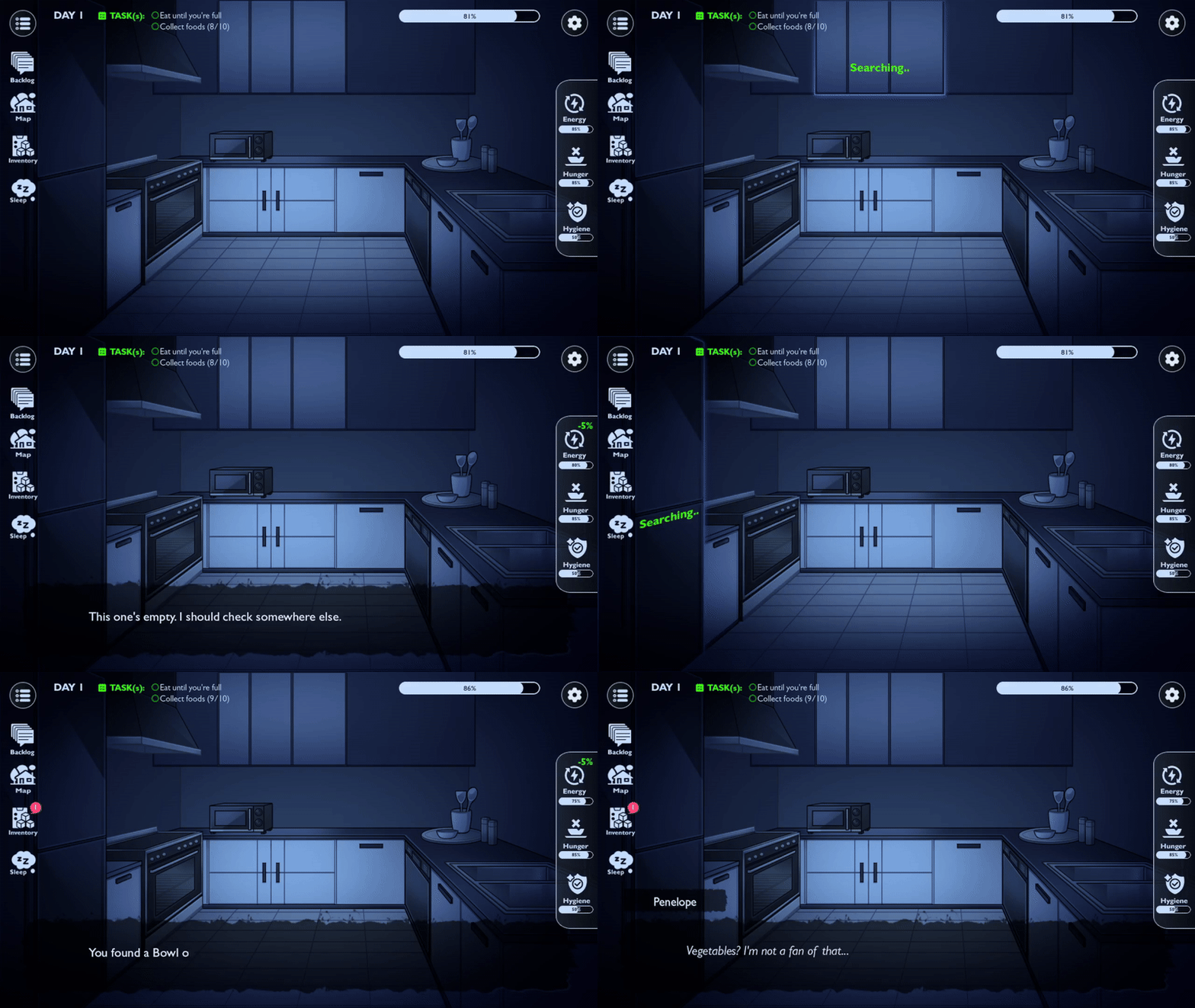
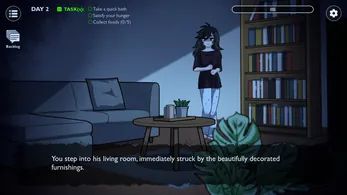
Visually, the game favors moody, desaturated palettes with selective color highlights that draw focus to interactive elements. Textures, particle effects, and subtle post-processing convey age and decay in the attic spaces. Sound design plays a crucial role: layered ambient tracks, directional noises, and well-timed musical cues build tension and inform decisions. Minor visual flourishes—flickering bulbs, drifting dust motes, and shifting shadows—reinforce the tight, oppressive feel of the setting without relying on jump scares alone.
Controls, Performance, and Customization
Girl in the Attic is optimized for touchscreen play with responsive swipes for movement and taps for interactions, supplemented by contextual UI buttons for inventory and stealth actions. Control sensitivity, HUD scale, and interaction prompts are adjustable to suit different play styles and device sizes. Performance optimizations keep load times short and frame pacing stable across a wide range of hardware, and visual quality can be scaled down to prioritize smooth gameplay on lower-end devices.
Replayability, Difficulty, and Challenge Systems
The game offers multiple difficulty tiers that modify enemy awareness, resource availability, and hint frequency. Higher settings reduce item spawns and remove certain guidance, producing a more survival-oriented experience, while easier tiers provide more generous resources and clearer hints for players focused on the story. Hidden endings, optional puzzles, and variable solutions increase replay value: revisiting areas with newly unlocked tools or insight often reveals different routes and discoveries.
Accessibility and Offline Play
Accessibility options include subtitle controls, adjustable audio mixing, and input assistance to accommodate different needs. UI elements and text sizes can be scaled for readability, and color-contrast adjustments help players with visual sensitivities. The title is designed primarily as an offline, single-player experience so you can play without an active internet connection, preserving immersion and allowing uninterrupted exploration.
Getting Started
Begin by familiarizing yourself with the basic stealth and interaction controls in the opening sequence, then take time to listen for audio cues and examine every corner: subtle environmental details often hide key items or narrative fragments. Conserve tools and think through puzzle solutions before acting; retreating to reassess is often the smarter path. With measured exploration and attention to detail, Girl in the Attic rewards patience with a layered, atmospheric experience that combines puzzles, stealth, and story-driven discovery.
- No virus
- No advertising
- User protection
Information
- File size: 204.40 M
- Language: English
- Latest Version: 0.1.0.0
- Requirements: Android
- Votes: 379
- Package ID: com.strangegirlstudios.girlintheattic
- Developer: strange-girl-studios
Screenshots






















Explore More
Are you searching for an enjoyable method to strengthen your intellect? Our hottest logical puzzle is tailor-made to offer a stress-free pastime experience. With beautiful graphics and chill background music, you can immerse yourself in an engaging world of logic and critical thinking. Solve increasingly tricky levels at your own pace, with no time pressure or lives system.

Vipwin88

7Cone

Charmed Tales: When will my life begin

Big Brother: Ren'Py - Remake Story

Life as an Innocent Waitress

Wonder Zoo

Behind the Dune

Little Alchemy