Introduction
7Sins School delivers a narrative-driven tactical RPG that balances choice-led storytelling with turn-based, grid combat; in this world seven rival factions vie for control and you recruit a cast of distinctive characters, shape relationships, and develop strategies to overcome varied encounters. 7Sins School places decision-making at the center of progression: dialogue options change loyalties and open or close scenes, while combat rewards positioning, timing, and resource management to unlock alternate story branches and character rewards.
Game Overview
The single-player campaign combines role-playing elements with episodic updates and branching narratives that respond to your choices. Missions are presented as self-contained scenarios so you can jump into short objectives or pursue longer arcs across multiple chapters. Progress through the story by completing mission goals, participating in character-driven events, and tackling optional challenges that provide clear checkpoints for completion-minded players without forcing repetitive grinding.
Core Gameplay Mechanics
Combat uses a grid-based, turn-oriented system that emphasizes tactical thinking over raw numbers. Units have distinct abilities that create buffs, debuffs, crowd control, and area effects; chaining these skills creates windows of opportunity for decisive follow-up moves. A simple cooldown and action-point economy keeps choices meaningful: select when to move, hold position, or expend a powerful skill. Encounters introduce modifiers and enemy behaviors that gradually increase complexity and reward adaptive tactics rather than single-solution play.
Characters and Progression
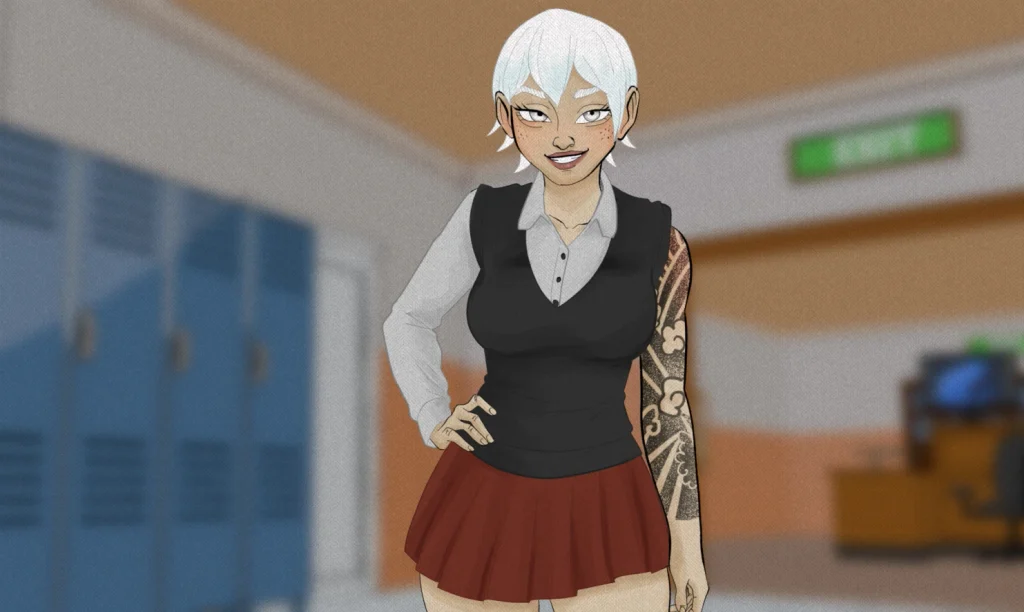
Characters provide both mechanical variety and narrative weight. Each recruitable unit arrives with a unique visual identity, a defined role in combat, and a personal storyline that unfolds through missions and special events. Progression is earned through mission completion, training modules, and relationship scenes that unlock passive bonuses and alternate cutscenes. Leveling improves core stats, while branching skill trees allow you to specialize units as supports, glass cannons, tanks, or hybrids, encouraging experimentation and diverse team compositions.
Maps, Missions, and Replayability
Maps range from narrow corridors and rooftop perches to secluded gardens and subterranean facilities, and their layouts directly influence tactical options. Tight passages favor chokepoint defenses, open fields reward control and flanking, and many stages hide optional routes or rewards for observant players. Mission types vary between stealth infiltration, timed objectives, and larger skirmishes, and replay value comes from branching outcomes, daily challenges, and periodic content updates that introduce new scenarios and modifiers to keep familiar maps feeling fresh.
Controls, Performance and Accessibility
Designed for Android touchscreens, the interface uses tap-and-drag movement, context-sensitive menus, and concise command input to reduce friction on smaller displays. Performance settings let you adjust graphic fidelity and frame-rate caps to improve stability on lower-end devices, while control sensitivity and camera options help tailor the experience. Accessibility settings include scalable text, contrast adjustments, and simplified input modes so players with different needs can enjoy the campaign comfortably.
Customization and Progress Paths
Customization combines cosmetic choices with meaningful mechanical decisions. Outfits and accessories let you personalize characters visually without affecting balance, while equipment and loadouts modify stats and playstyle. The game supports re-spec opportunities so you can experiment with alternate builds without harsh penalties, making it easier to adapt to evolving challenges as your roster grows and new modifiers appear in later episodes.
Audio and Visual Presentation
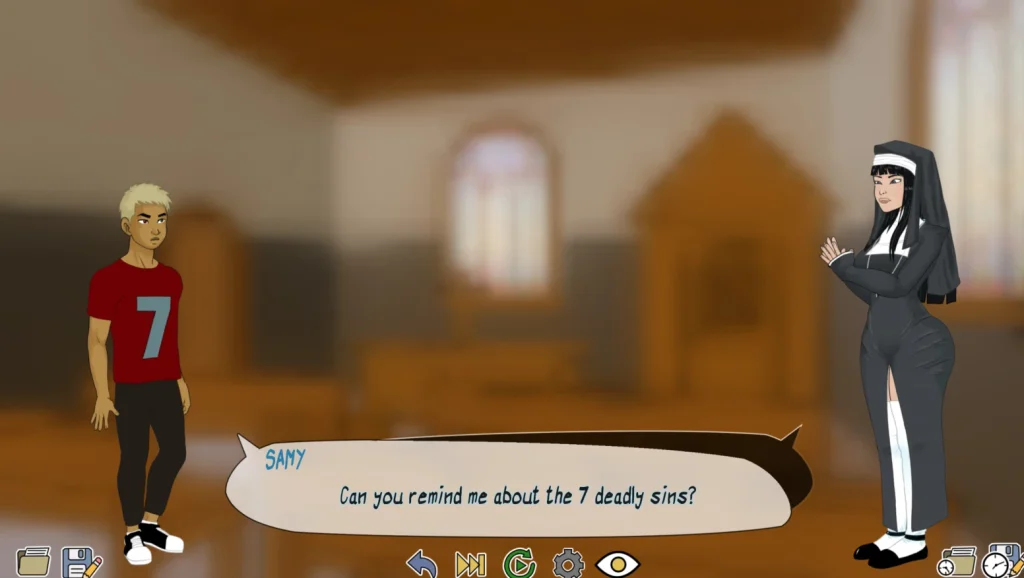
The art direction favors stylized character designs and detailed environments that maintain clarity during tactical play and highlight narrative moments. Animated portraits and short voice snippets accentuate key scenes without demanding constant audio attention, and a dynamic soundtrack shifts between tense themes for combat and quieter arrangements for exploration and dialogue to reinforce pacing and mood.
Social Features and Offline Play
Although primarily a solo experience, the title offers light social elements such as leaderboards and asynchronous challenges that let players compare progress indirectly without real-time interaction. The core campaign is playable offline so you can continue progressing without a connection, and optional online sync uploads achievements and seasonal rewards when you reconnect to preserve your progress across devices.
Getting Started and Strategy Tips
Getting started with 7Sins School is straightforward: follow the in-game tutorial to learn movement, ability timing, and relationship systems, then assemble a balanced roster—typically a durable frontline, a support or healer, and flexible damage roles—to cover common mission demands. Prioritize spatial awareness, protect fragile allies behind durable units, and look for ability synergies that set up follow-up damage or isolate high-priority targets. Conserve powerful consumables for decisive moments and revisit earlier maps after upgrades to reveal alternate outcomes and hidden rewards that support long-term progression.
- No virus
- No advertising
- User protection
Information
- File size: 1544.74 M
- Language: English
- Latest Version: 0.1
- Requirements: Android
- Votes: 232
- Package ID: com.tskgamestudio.sevensinsschool
- Developer: TSK Game Studio
Screenshots



















Explore More
Become the leader of your own thriving settlement in this addictive new strategy game. Build and customize homes, shops, farms and more to expand your village. Manage resources carefully to keep your people happy and productive. Send explorers on missions to find valuable loot and artifacts. Defend against raider attacks with walls, traps and an army of your own. With randomly generated maps and emergent gameplay, no two games are the same.

Incest

Babysitter on call

Witches Pairing

The Ruby Flower

Doll City

Fighting for Love

My Wife in 2021

Magical Family: Laboratory