
Introduction
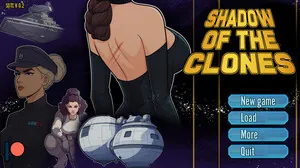
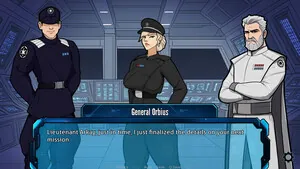
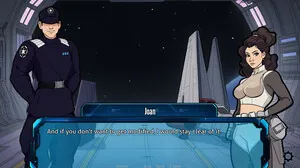
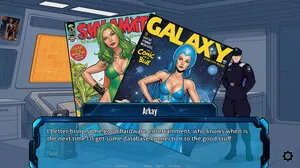
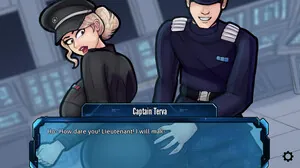
Shadow of the clones is a tactical sci-fi game that pairs stealth and squad-based combat with environmental puzzles and compact competitive maps. Shadow of the clones delivers matches that reward planning, timing, and adaptable loadout choices as you coordinate small squads of clone units to achieve mission objectives. The writing below describes core mechanics, controls, progression, visual approach, and practical tips to help new players get started.
Overview of the experience
At its core, Shadow of the clones emphasizes deliberate decision-making mixed with bursts of action. Each encounter typically begins with stealth and reconnaissance, transitions into resource management as you deploy or upgrade units, and culminates in high-intensity skirmishes where positioning and ability combos make the difference. Matches are driven by layered AI behavior for clone squads, which allows the game to shift between macro-level planning and moment-to-moment micro adjustments.
Core gameplay and mechanics
The game centers on a small roster of clones that you control indirectly by assigning movement patterns, synchronized actions, and ability triggers. Clone roles are distinct: assault units deliver sustained damage, scouts uncover enemy movements and environmental opportunities, while support clones provide buffs or enable interactive object use. Formation management affects line-of-sight, area control, and defensive bonuses, so where you place units changes the flow of an engagement. Abilities are designed to chain together — brief disables or stuns set up powerful follow-ups, and cloaking or repositioning skills let you craft ambushes or escape failing engagements.
Controls and interface
The control scheme favors touch-friendly gestures combined with precise taps for ability activation. You will find gestures useful for drawing movement paths and grouping clones, while single taps select abilities or interrupt AI routines. The interface keeps essential information visible without clutter: health, cooldowns, and deployment resources are prioritized, and HUD modes let you choose a minimal or detailed display depending on personal preference. Performance options let you balance frame-rate and visual fidelity to maintain responsiveness on a wide range of devices.
Progression, unlocks, and customization
Progression is tied to experience and mission milestones, unlocking new clone types, cosmetic variations, and ability upgrades as you advance. Each clone offers a unique toolkit and potential synergies with others, and a clear upgrade path lets you improve stats or specialize abilities for particular playstyles. Cosmetic systems enable personalization of clone appearance, emotes, and victory poses, while loadout presets save your preferred compositions so you can deploy quickly without reconfiguring before every match.
Maps and environmental design
Maps are compact but deliberately layered, incorporating verticality, choke points, destructible cover, and surveillance systems that change how you approach objectives. Interactive objects and environmental hazards create meaningful choices: sometimes bypassing a patrol route is wiser than a head-on assault, and learning map flow becomes central to consistent success. The design rewards players who study routes for ambush points and who experiment with splitting squads to control multiple zones.
Multiplayer features and replay value
Shadow of the clones offers quick-match and team-based modes that encourage cooperative strategies alongside solo queues that test individual adaptability. Seasonal ranking and leaderboards provide longer-term goals for competitive players, and a replay-sharing function helps you review tactics and learn from both wins and mistakes. The combination of varied clone types, customizable loadouts, and dynamic maps supports significant replay value even after initial progression milestones are reached.
Accessibility, device support, and offline options
Accessibility options include adjustable HUD scale, colorblind-friendly markers for important ability states, and simple control alternatives that reduce gesture reliance. Asset scaling and frame-rate toggles help the game run smoothly on older phones while preserving visual detail on higher-end devices. Basic single-player campaign missions and practice scenarios are available for offline play so you can learn mechanics without a network connection before jumping into online modes.
Challenge systems and player guidance
Challenge systems range from mission modifiers that change enemy behavior to timed objectives that reward efficient planning. The learning curve is addressed by an in-game tutorial and recommended starter presets that introduce one clone role at a time. Watching replays and experimenting with small changes to weapon choice, ability priority, or formation spacing are practical ways to improve. Early matches favor deliberate tactics; as you unlock clones and refine strategies, play opens up into faster and more creative approaches.
Getting started
To begin, download the game, complete the guided tutorial, and play the basic campaign to unlock core clones and mechanics. Experiment with presets and modify a single variable each session to learn its impact. Engage with friendly matches to test builds in a low-pressure environment and then try ranked or quick-match modes when you feel comfortable. Regular review of your replays and focusing on timing and positioning will yield steady improvement in both solo and team play.
- No virus
- No advertising
- User protection
Information
- File size: 149.28 M
- Language: English
- Latest Version: 0.2
- Requirements: Android
- Votes: 370
- Package ID: com.domain.sotc
- Developer: The Void
Screenshots
















Explore More
Are you searching for an enjoyable method to strengthen your intellect? Our hottest logical puzzle is tailor-made to offer a stress-free pastime experience. With beautiful graphics and chill background music, you can immerse yourself in an engaging world of logic and critical thinking. Solve increasingly tricky levels at your own pace, with no time pressure or lives system.
Love in Hyrule

World

Temptation at Sunset Cove

Sakura Mansion

Boxed In

Tales from the Deep: Eve

A Woman Unveiled: Mira

Once Upon a Time