Introduction
Crate Simulator drops you into fast-paced arena battles where shooters test aim, adapt tactics and grow stronger by unlocking gear in crates and spins. In this editor overview of Crate Simulator we describe how arena skirmishes, experimental equipment and steady progression combine to create short competitive rounds and long-term goals. The introduction here explains core mechanics, control options, visual styling and the systems that keep players returning to Crate Simulator for daily experimentation and steady improvement.
Gameplay and Core Mechanics
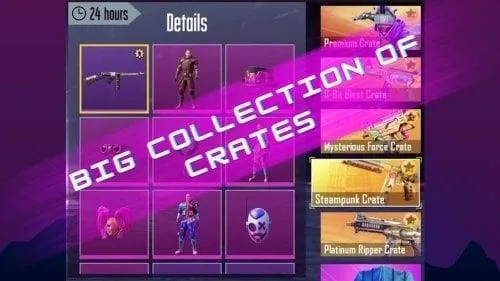
At its heart the gameplay mixes quick gunfights with crate-driven progression. Players enter short matches that pit reflexes and loadout choices against opponents in small arenas, with match types alternating between server battles, free-for-all clashes and random matchmaking. Weapon handling emphasizes recoil control, sighting and positioning: rifles deliver medium-range stability while other arms favor close-quarters speed. Crates and a wheel-of-fortune system act as progression catalysts, granting new weapons, attachments and consumables that change how a fight plays out without disrupting the moment-to-moment skill demands.
Controls and Accessibility
Controls are designed for touch devices with customizable layouts and sensitivity settings so you can tailor aiming, firing and movement to your preference. Fire, aim and throw mechanics map to distinct zones while optional aim-assist tuning can be adjusted for players who prefer a steadier experience. Accessibility settings include scalable UI elements, color-contrast options and simplified control presets to lower the learning curve for new players or for those using larger screens and controllers. Tutorials and a practice range help new users learn core inputs before joining faster matches.
Progression, Lab Research and Crate Systems
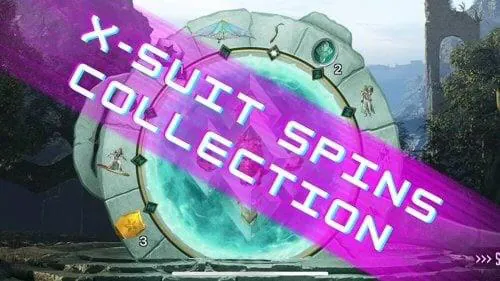
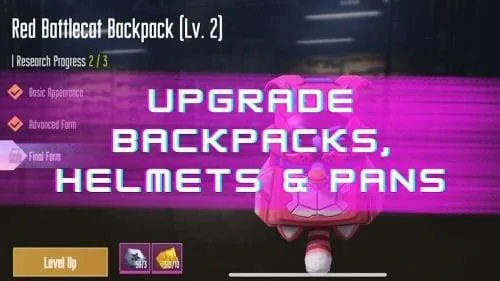
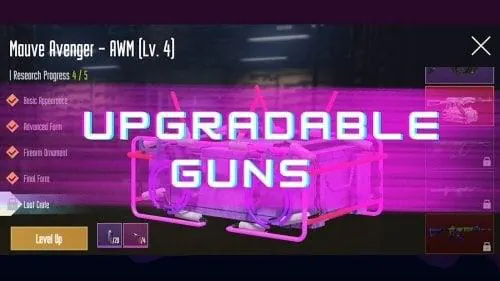
Progression in Crate Simulator balances performance rewards with experimental upgrades. Winning fights and completing daily tasks grant crates, research materials and currency used in a lab-like x-suit rotation where components are synthesized and tested. The lab mechanics let players invest in incremental power increases for specific items while the wheel-of-fortune offers occasional high-attack rewards. This blend of deterministic upgrades and chance-based crates creates a steady sense of advancement while keeping high-tier gear gated behind effort or luck.
Customization, Equipment and Visual Style
Customization covers loadouts, hats, bags and experimental equipment that alter stats and playstyle. Cosmetic options let players personalize appearance without changing combat balance, while experimental modules provide functional differences that can be combined in creative ways. The visual style favors a clean, readable arena aesthetic with distinct weapon silhouettes and clear particle feedback for hits and special effects. Environments are designed to highlight movement and cover options, making each map easy to learn visually while remaining tactically layered.
Level Structure and Match Types
Match structure favors short sessions with clear entry and exit points so you can play in brief bursts or longer stretches. Arenas vary in size and obstacle density to reward both close-quarters encounters and strategic positioning. Match types include scheduled server battles, more casual free-to-play clashes and quick random matchmaking, giving players the chance to practice different styles of play and to test experimental setups under varying levels of competition.
Replay Value and Challenge Systems
Replay value is driven by a rotating daily element, experimental upgrade paths and the tension of crate luck. Daily lab rotations and limited-time materials encourage experimentation and reward repeat sessions, while challenge systems track specific goals such as weapon mastery or equipment experiments. These tasks offer structured targets that both new and experienced players can pursue, creating a layered challenge loop beyond instant-match results.
User Experience and Offline Options
The user experience focuses on fast matchmaking, clear pre-match previews and lightweight menus that let you check soldier loadouts before a round. While core competitive matches require a connection, the game includes practice ranges and lab-based customization screens that can be accessed in limited offline scenarios for testing weapons and configurations. Performance options and UI scaling help devices with different capabilities run the game smoothly.
Updates and Ongoing Support
Recent updates highlighted broader weapon balance changes, targeted improvements to the Glacier M416, refreshed cosmetic items like hats and bags, and the addition of new combat materials to expand lab research options. The development approach appears to favor periodic equipment refreshes and rotating content to maintain a steady stream of meaningful choices for players exploring the crate and lab systems.
- No virus
- No advertising
- User protection
Information
- File size: 180.66 M
- Language: English
- Latest Version: 1.0.86
- Requirements: Android
- Votes: 180
- Package ID: me.theoneint.pubgcrate
Screenshots
















Explore More
Looking for some quick gaming fun? Our new super-casual game is perfect for entertaining bursts in your busy day. With simple, intuitive gameplay crossed with challenges that engage your brain, you'll keep coming back again and again. No complex controls or tutorials - just open and play anywhere, anytime. Vibrant art style and upbeat music create a lighthearted experience.
The Tank

Extreme Car Racing Simulator

Superkickoff

HideZone

Fashion Doll: games for girls

Call of Duty®: Mobile - Garena

Fighting Tiger

Legendary Cars: Golf