
Introduction
Zombie Slasher is a survival action game that drops you into a tense, decision-driven world where scavenging, crafting and defending your makeshift shelter are the central challenges. In Zombie Slasher you begin each session by searching abandoned locations for tools and materials, quickly learning how close-quarters combat and careful resource management work together. This game-focused introduction outlines how the core loop functions, the types of challenges you will face, and the systems that support both short play sessions and longer-term progression.
Gameplay and Controls
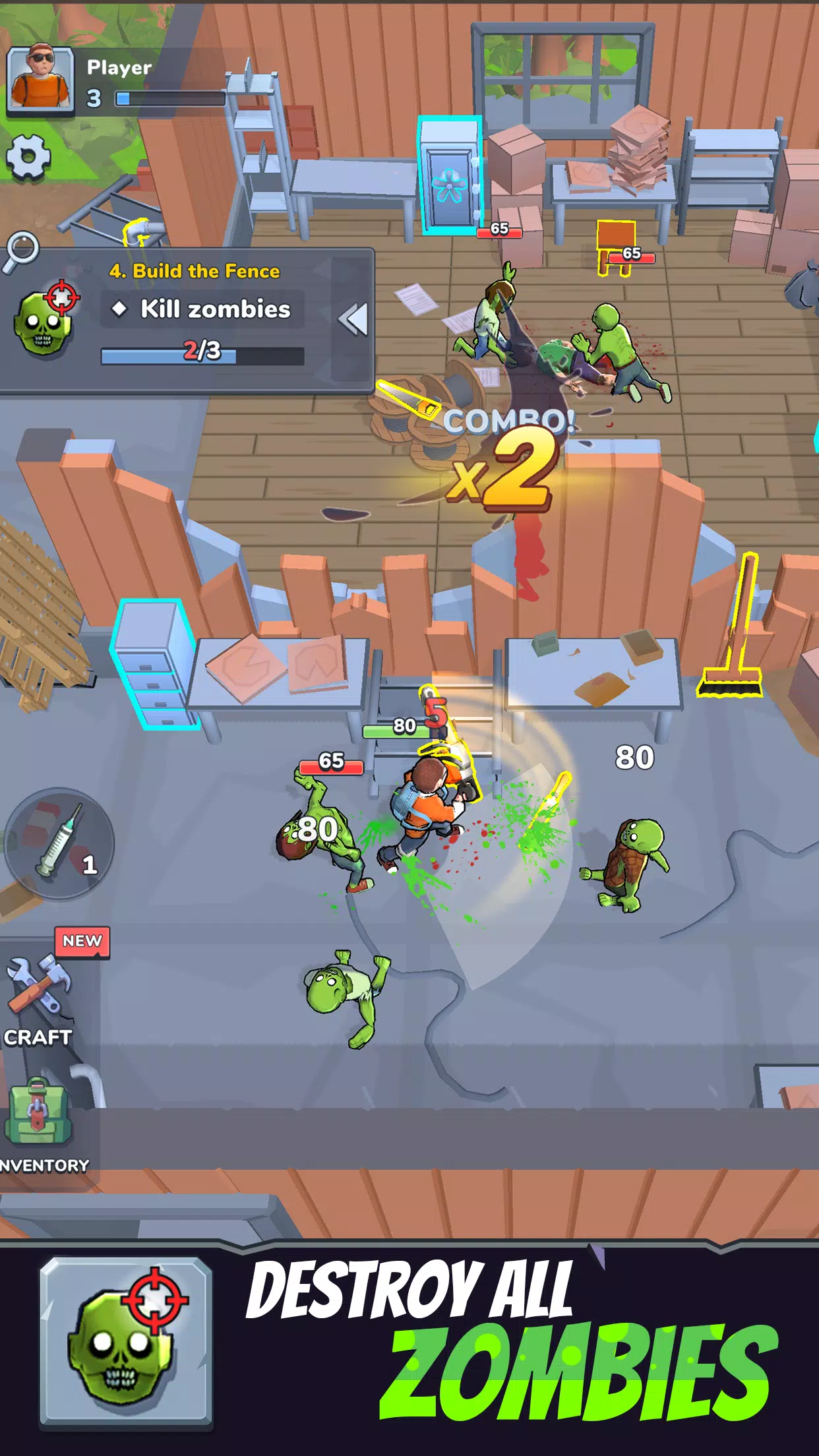
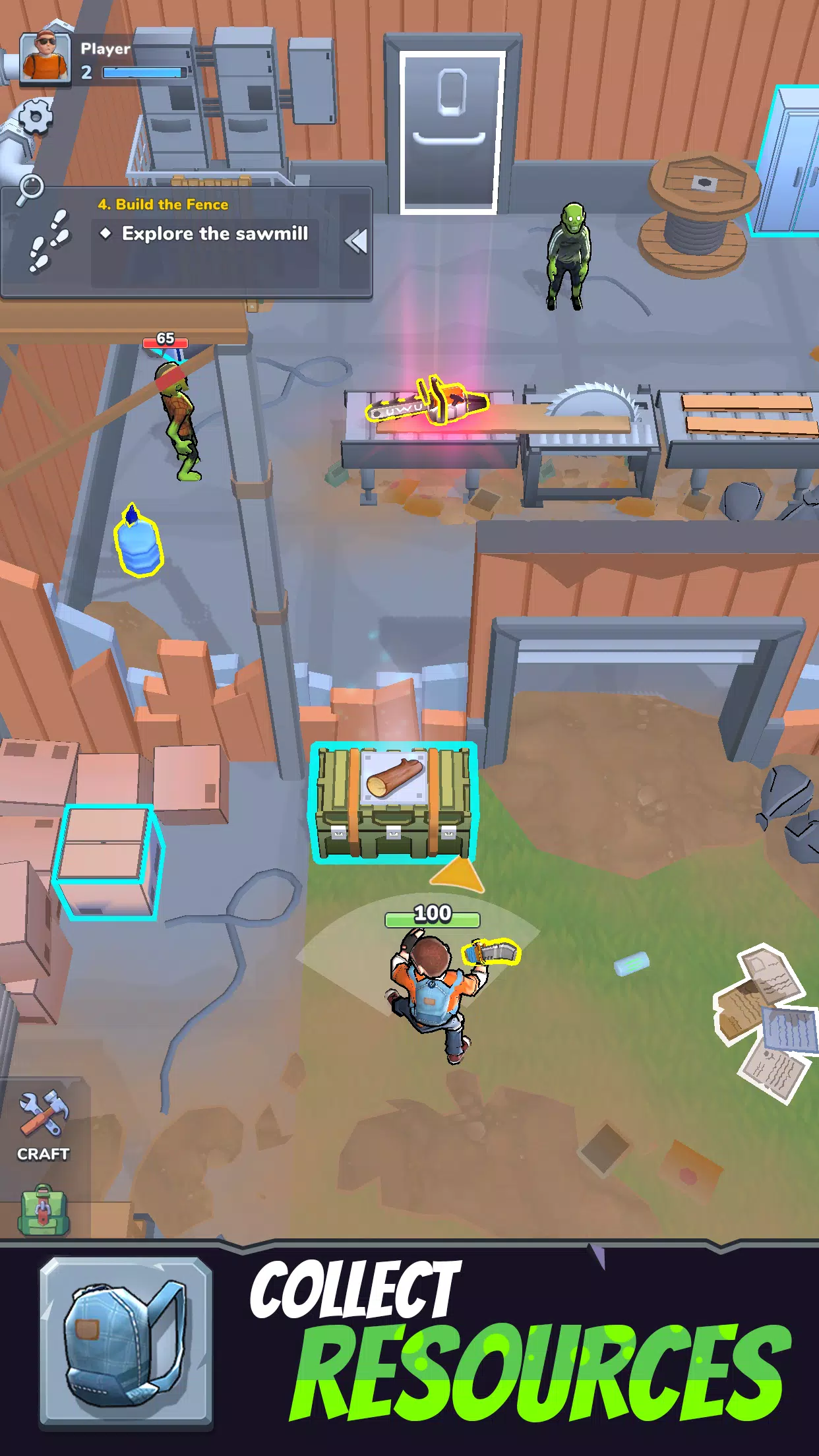
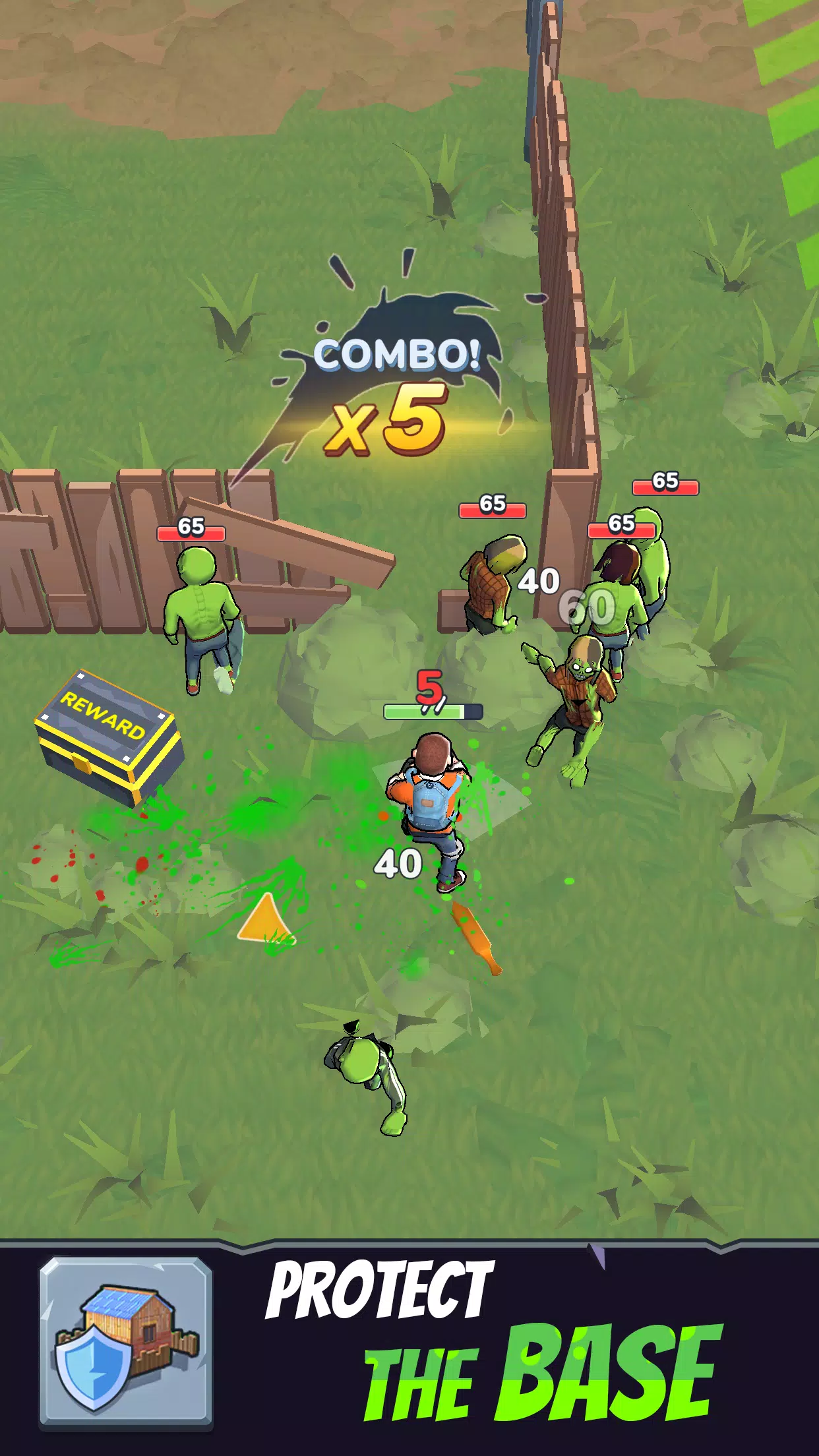
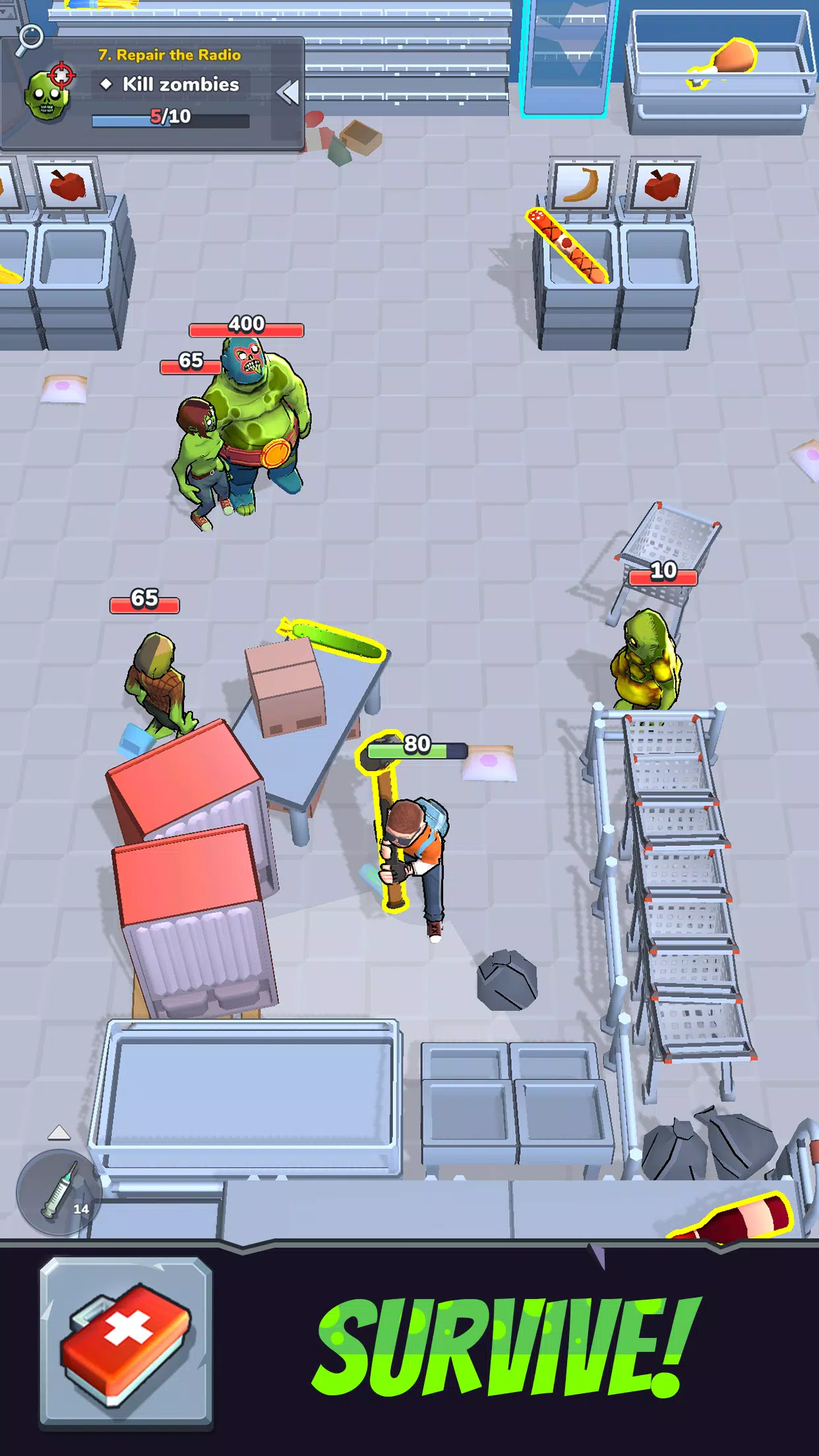
Gameplay in Zombie Slasher blends fast, arcade-style encounters with slower planning phases. Combat is designed for touch screens with a simple, responsive control scheme: context-sensitive taps for standard attacks, a short swipe or hold input for heavier strikes or dodges, and quick access buttons to deploy crafted traps or consumables. Encounters are wave-based in many locations, requiring you to prioritize targets and manage stamina or resource cooldowns while defending choke points. Outside of combat you switch to exploration mode where tapping highlights interactive objects, and an on-screen crafting panel lets you combine items without interrupting the flow of play.
Progression and Crafting Systems
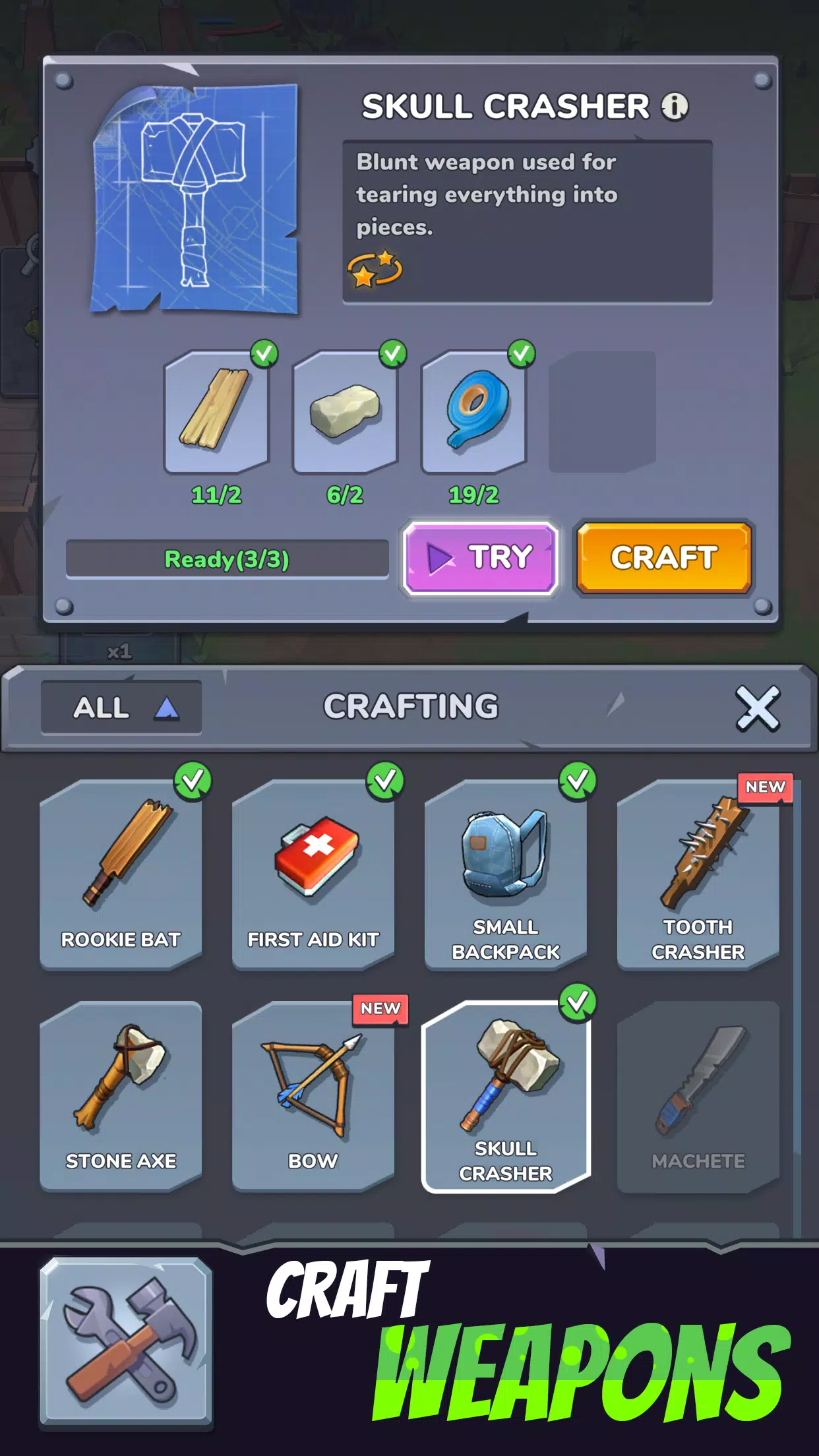
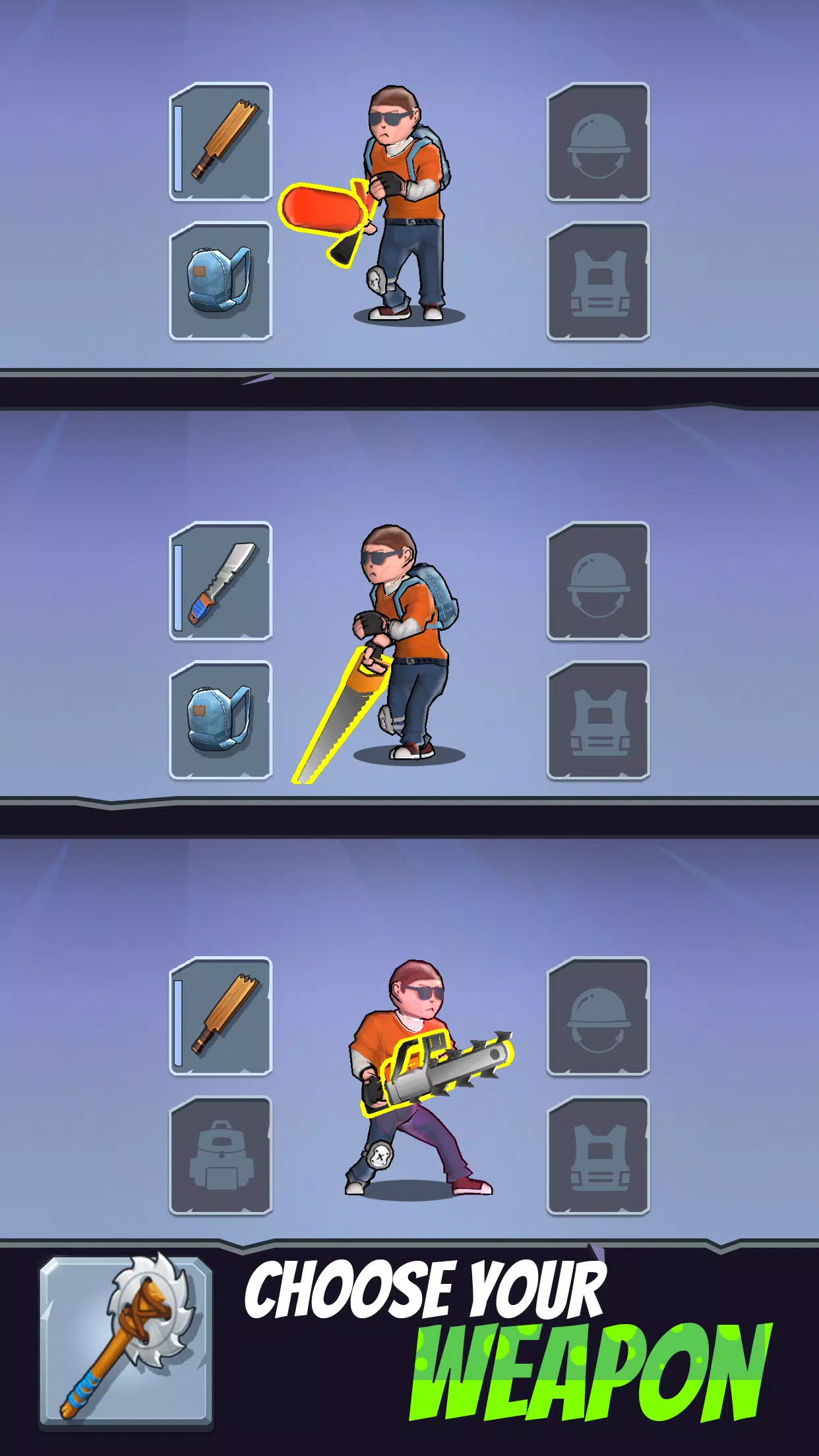
Progression in Zombie Slasher relies on collecting a wide variety of materials and learning new recipes. The game features dozens of resource types that tier from common salvage to rarer components used for advanced upgrades. Crafting is modular: combining basic parts yields improvised weapons, traps, and shelter improvements, and discovered recipes remain in your journal for future use. Resources feed both immediate needs—like ammunition and medical supplies—and long-term projects such as stronger shelter walls, upgraded defensive devices, and more efficient workbenches that unlock higher-tier items. This balance encourages players to weigh risk versus reward when planning a scavenging run.
Locations and Level Structure
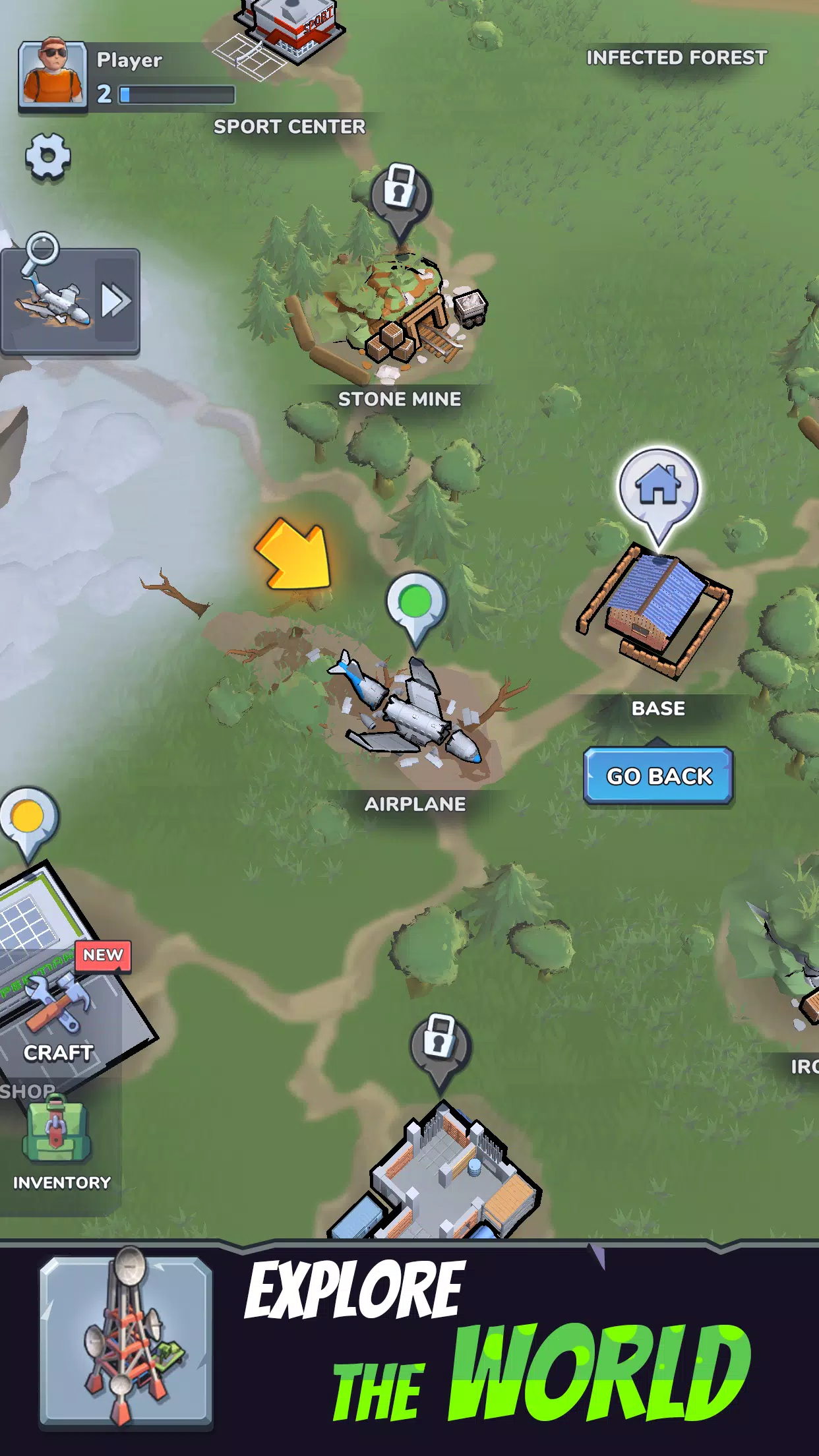
Zombie Slasher offers a variety of explorable locations, each with its own resource profile and tactical layout. Typical sites include grocery stores for foodstuffs and packaging, sawmills for wood and heavy materials, and derelict shops for metal parts and electronics. Levels are designed around distinct rooms and chokepoints, encouraging tactical use of environment for ambushes or fallback positions. While some areas present frequent short engagements suitable for quick play, others are structured around longer scenarios that reward careful preparation and sustained defense.
Customization and Shelter Management
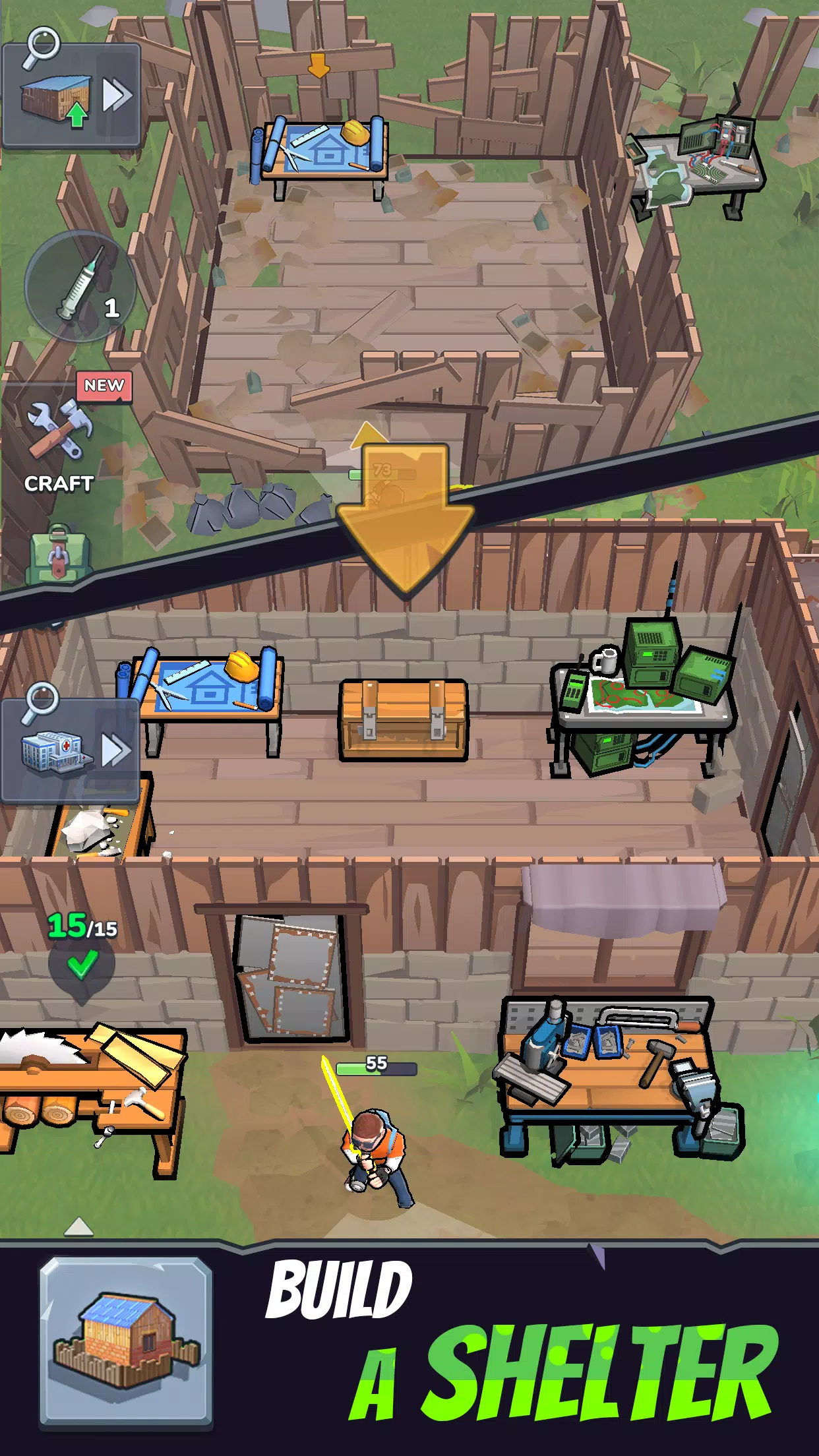
Customization in Zombie Slasher focuses on personal loadouts and shelter planning rather than cosmetic microtransactions. The crafting system allows you to tailor weapons and traps from everyday items, enabling creative solutions like reinforced melee tools or improvised ranged devices. Your shelter serves as a persistent hub where survivors you recruit can be assigned roles—such as scavenger, guard, or craftsman—and where you allocate resources to fortifications, storage, or production stations. Shelter upgrades influence both survivability during waves and efficiency when crafting, creating meaningful choices about how to spend scarce materials.
Visual Style, Sound and User Experience
The game presents a moody, atmospheric visual style that emphasizes readable environments and clear UI elements so you can make quick tactical decisions. Lighting and sound cues are used to telegraph nearby threats and highlight valuable scavenging spots without overwhelming the player. Menus are organized to reduce menu fatigue during repeated runs, and tooltips explain crafting recipes and survivor roles to keep gameplay approachable. Controls offer adjustable sensitivity settings to suit different devices and play preferences.
Accessibility, Offline Play and Replay Value
Zombie Slasher is designed so the core experience can be enjoyed offline: you can play scavenging missions, manage your shelter, and experiment with crafting without requiring a persistent network connection. Replay value comes from layered systems—different location layouts, many craftable combinations, and the need to adapt to resource scarcity or evolving wave patterns. Because crafting allows multiple valid solutions to common problems, players can return to earlier areas with new strategies and equipment to improve efficiency and explore alternate approaches.
Challenge Systems and Player Experience
The difficulty curve in Zombie Slasher scales by increasing the intensity and variety of wave encounters and by tightening resource availability. Optional challenge modes can increase spawn rates or limit materials for players seeking greater risk and reward. The game supports both short bursts of action and longer strategic sessions, giving players flexibility in how they engage with threats and manage progression. Overall, Zombie Slasher aims to provide a cohesive, game-centered survival experience that rewards experimentation, careful planning, and quick reflexes.
- No virus
- No advertising
- User protection
Information
- File size: 278.90 M
- Language: English
- Latest Version: 1.14.8
- Requirements: Android
- Votes: 336
- Package ID: com.zombie.slasher
- Developer: SayGames Ltd
Screenshots
















Explore More
Recapture the magic of classic gaming with our new fast-paced arcade extravaganza! Simple and addictive, get ready for high scores galore. With bright retro graphics and pulse-pounding beats, it’s nonstop action right from the start. Tap into your reflexes and dexterity to overcome high-speed challenges. Face off against devious enemies and formidable bosses. Unlock new levels, power-ups and secrets as you advance.

Super Striker Cricket Games

고전게임나라

Real Car Drifting Racing Games

Gyatts and Farts

Naughty Blocks: Quintuplets After Class

Tainted Harmony: A Succubus’s Embrace

NSR Street

Cake DIY Designer