Introduction
Urdu Qaida is a focused learning app designed to help beginners master the Urdu alphabet and basic reading skills through short, interactive lessons, clear audio playback, and visual handwriting guidance. This primer-style app uses letter-by-letter instruction and paced exercises to take learners from single characters to simple syllables and words, and Urdu Qaida keeps progress visible so you can see steady improvement with regular practice. The app name appears here to make it easy to identify the learning resource and its goal: reliable, repeatable practice for new readers.
About the learning experience
The learning path in Urdu Qaida is structured like a traditional primer broken into small, consumable modules. Each module focuses on a manageable set of letters or letter combinations, demonstrating stroke order visually while a native-recorded voice plays pronunciation. Lessons encourage listening, imitation and tracing so learners build phonetic awareness and letter recognition rather than memorizing shapes in isolation. Short formative checks follow each module so learners can confirm what they know before moving on.
Core features and practice mechanics
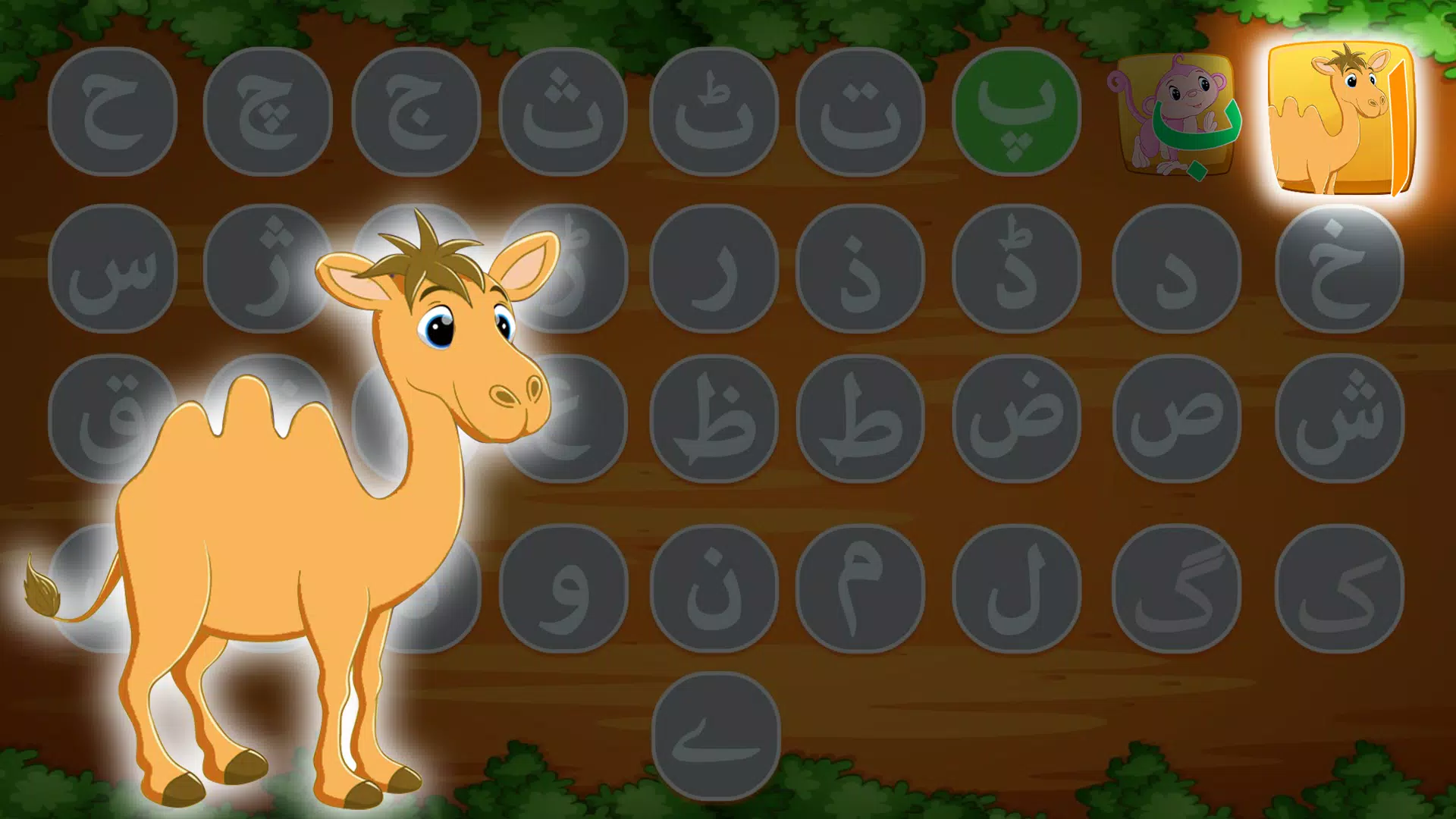
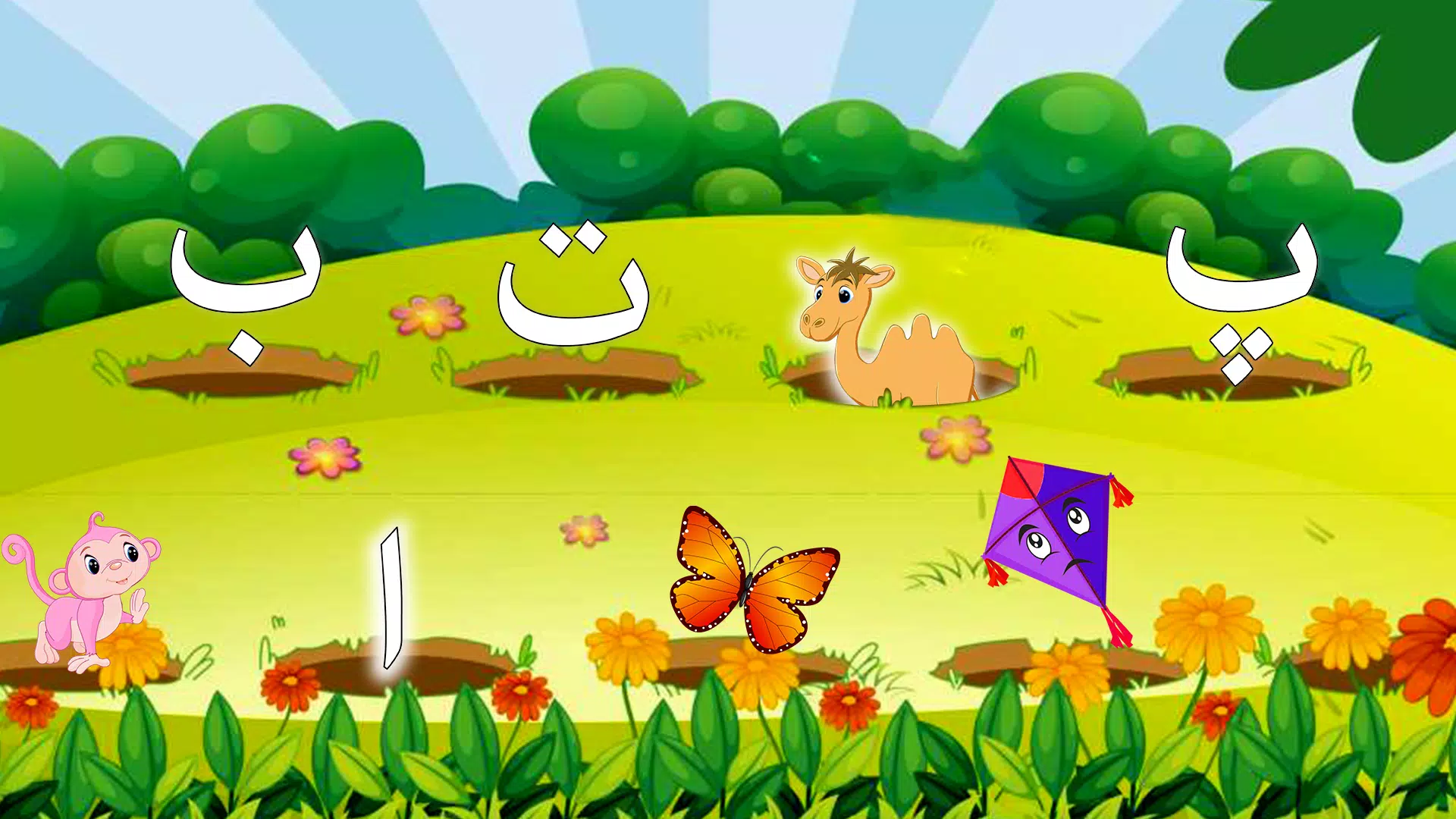
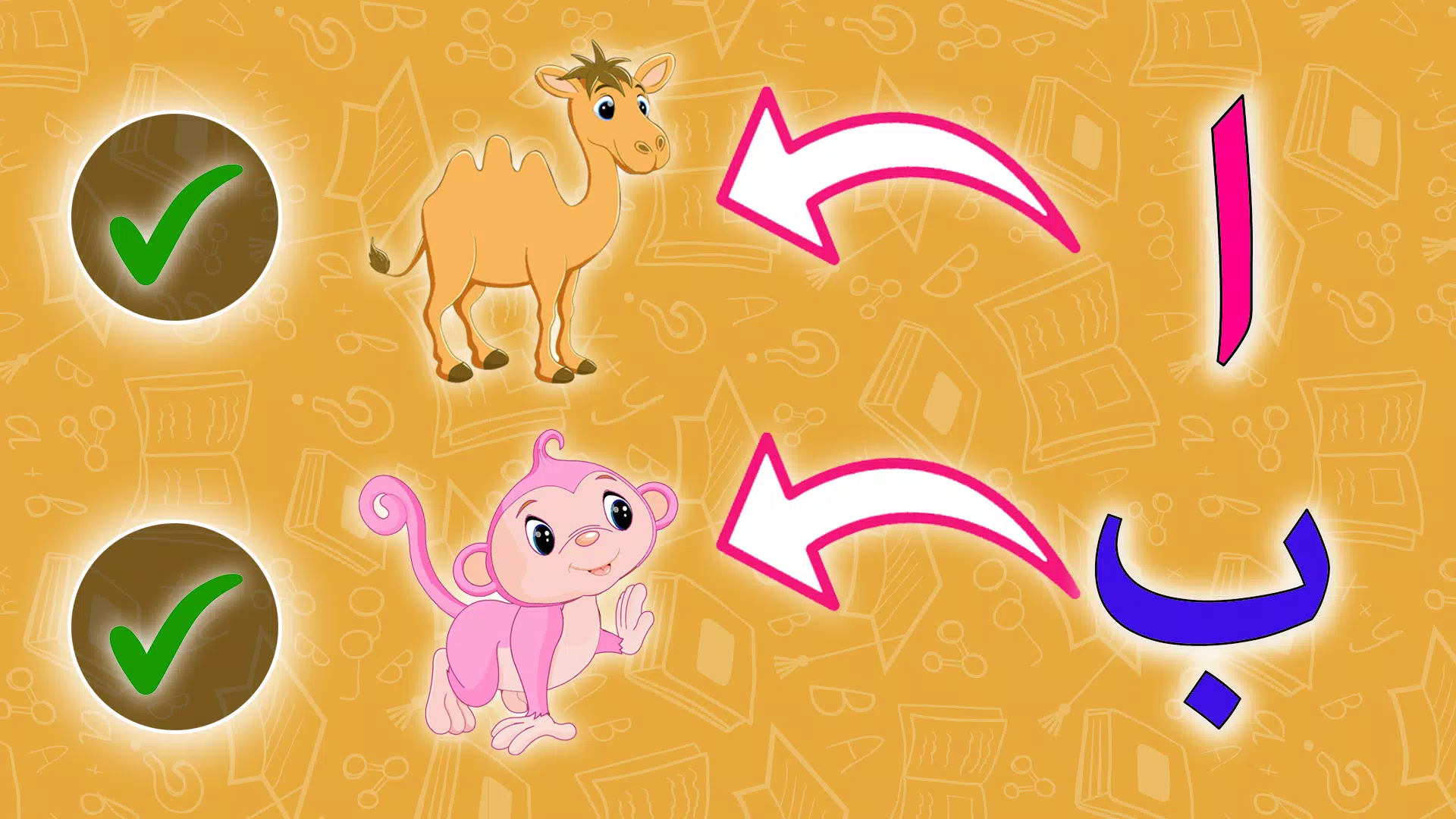
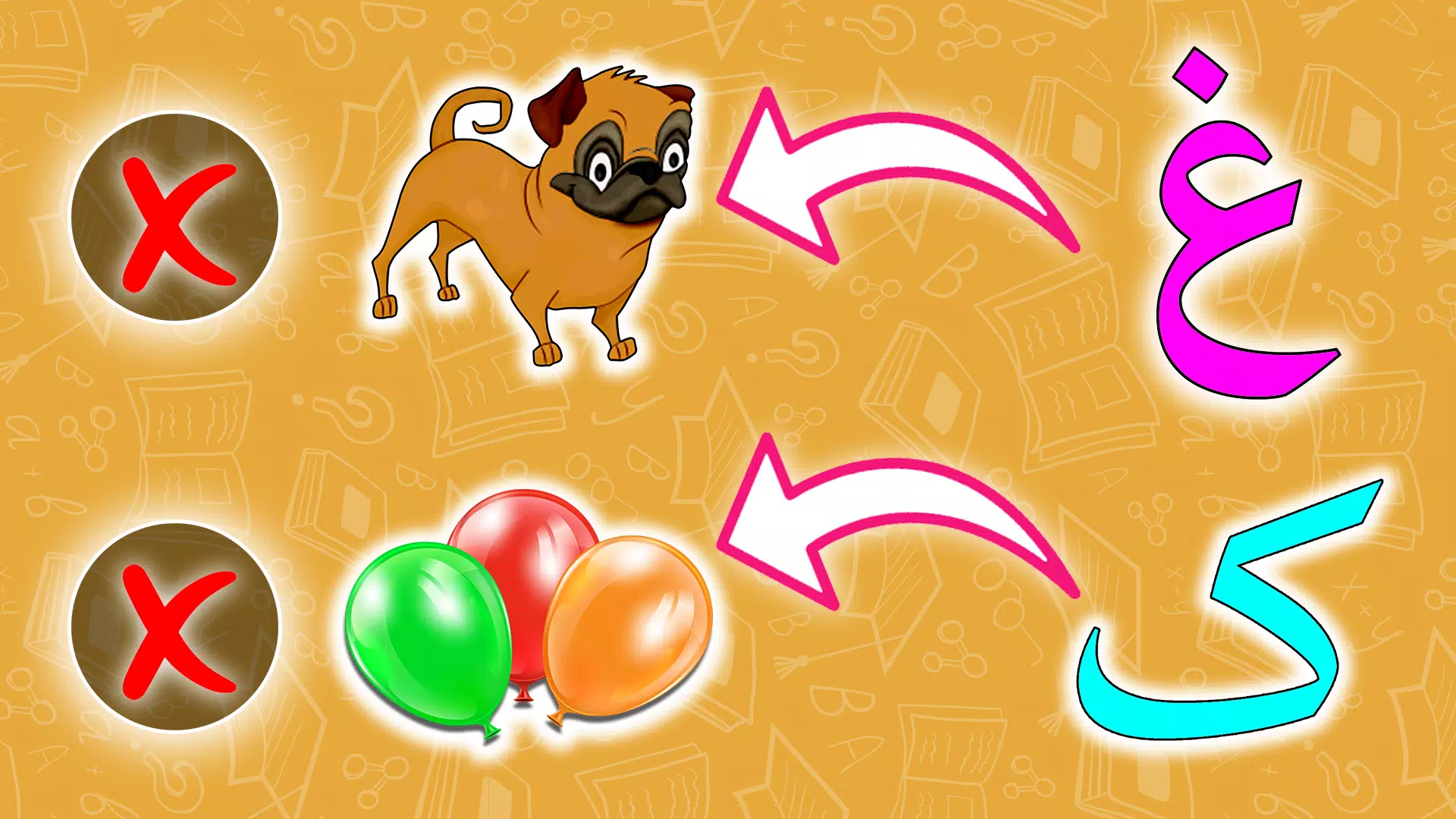
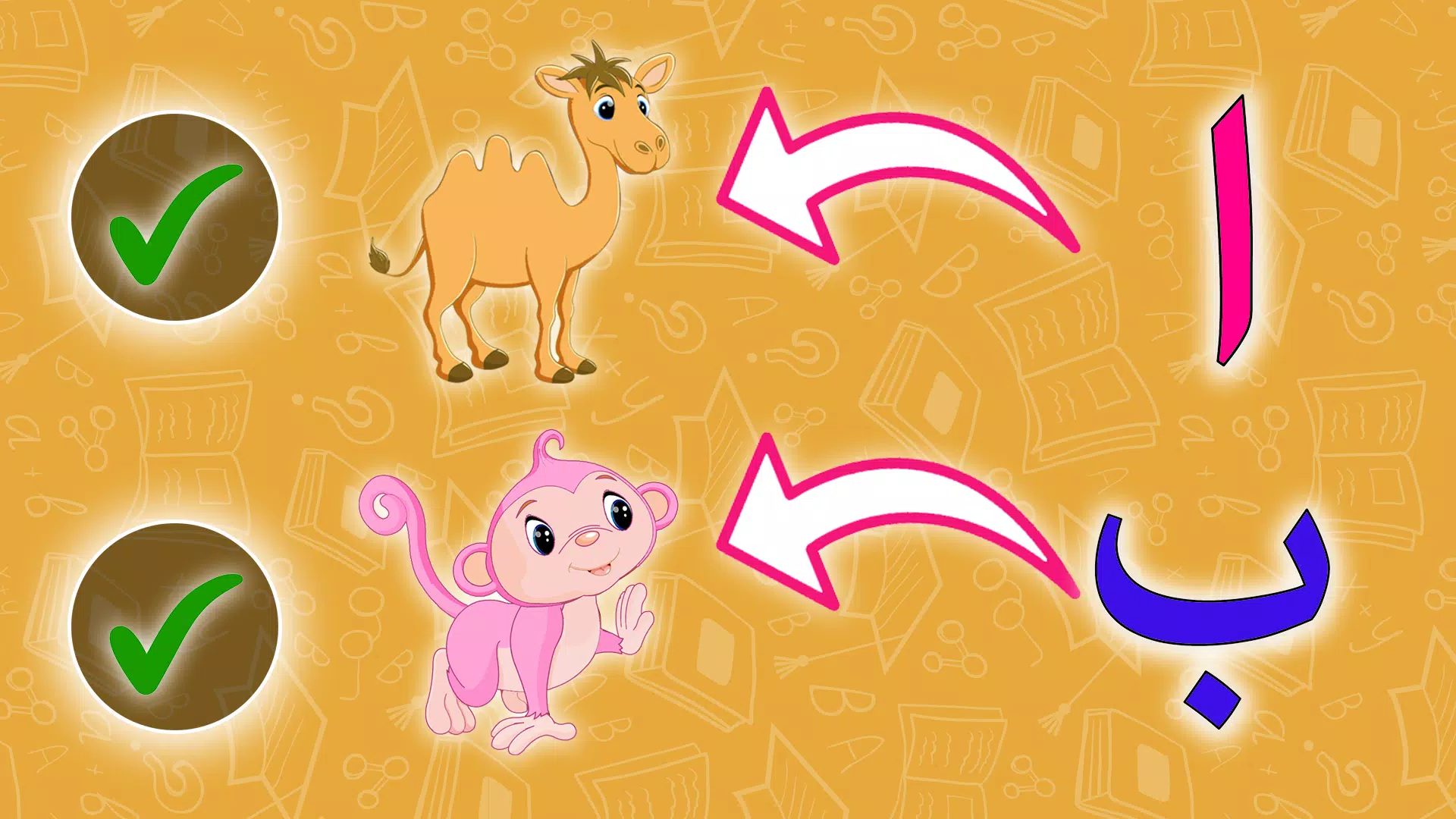
Interactive lessons allow users to tap any character to hear pronunciation and watch animated strokes that reveal how the letter is formed. Practice drills combine recognition tasks and repetition exercises: users hear a sound, select the matching letter or trace it on screen, then receive immediate feedback. A focused review queue collects items that were missed most often so learners can target weak points. Audio controls include a slow-playback option and repeat buttons so learners can isolate tricky sounds and practice at a comfortable pace.
Controls, interface and visual style
The interface emphasizes clarity with large, readable fonts, simple navigation and clear action buttons arranged for intuitive one-handed use on phones. Controls are primarily tap and trace: tap to hear or select, swipe to move between lesson cards, and touch-draw in handwriting mode to trace letters. Colorful but restrained child-friendly visuals are used to keep attention without distraction, while animation shows stroke order and joining behavior in a way that scales cleanly on low-end devices.
Progression and level structure
Progress is divided into short levels that group letters, joining rules and common syllable patterns. Each level ends with a short quiz that adapts to performance by repeating missed items more frequently until accuracy improves. This adaptive spacing helps learners consolidate what they have practiced and provides a clear roadmap: complete a short block of lessons, pass the mini-quiz, then unlock the next set of letter combinations. Progress indicators make it easy for parents and learners to track milestones and return to earlier material for review.
Customization and playback options
To suit different learners, the app offers simple customization: font scaling for larger text, color theme choices to reduce visual stress, and toggles for hints or stroke overlays. Audio speed can be adjusted for slow or normal playback so learners can hear subtle phonetic differences. A handwriting sensitivity control calibrates tracing feedback for different screen sizes and input styles, making handwriting practice effective on both phones and tablets.
Accessibility and offline use
Urdu Qaida is built with accessibility in mind: large controls, consistent audio prompts and clear visual cues make the content approachable for early readers and adults learning from scratch. Minimal permissions are required and the core lesson set is available offline after the initial download, so learners can practice without a continuous internet connection. This is especially useful for travel, areas with limited data or classrooms where connectivity is intermittent.
Replay value and challenge systems
Replay value comes from the app's adaptive review and gradual increase in challenge. Lessons are intentionally short to encourage daily practice; the app rewards consistency by presenting a compact review list of previously struggled items and by introducing slightly more complex letter combinations as accuracy improves. This creates a steady challenge loop that supports confidence and fluency over time without adding unnecessary complexity.
Getting started and expectations
Installation is straightforward: download the package, grant minimal audio permission, and begin with the introductory module. No prior knowledge is required and the first few lessons introduce single letters and simple syllables to build momentum. Users who practice five to ten minutes regularly will often notice improved recognition and pronunciation within a few weeks. Urdu Qaida focuses on fundamentals so learners can quickly move from isolated letters to reading short words.
Who benefits from this app
Urdu Qaida is suitable for young children beginning literacy, adult learners starting with zero familiarity, and parents or tutors seeking a compact, structured primer. Its combination of audio, visual stroke guidance and tactile tracing supports multiple learning styles and helps learners build a practical foundation for reading simple Urdu texts. The app provides a reliable, repeatable routine that encourages steady progress and growing reading confidence.
- No virus
- No advertising
- User protection
Information
- File size: 43.60 M
- Language: English
- Latest Version: 1.24
- Requirements: Android
- Votes: 486
- Package ID: com.nav.urduqaida
- Developer: NaveedGamer
Screenshots


















Explore More
Start your engines for the ultimate high-octane racing experience! Our new game pushes pedal-to-the-metal action to the limit. Choose from a garage of supercars, hypercars and classics then race across photorealistic tracks and exotic locales. Advanced physics and driving mechanics deliver an authentic sense of speed and control. Customize your ride then tear up the asphalt in single player or online multiplayer modes.

Swimmer Up

Food Truck Chef

Umamusume

Tornado Escape: Catch Meme!

Bridge Stack Count.io

Drift On Destiny Line
Between Two Points

FPV Operator Drone Simulator