Introduction
Restaurant Tycoon is a restaurant management simulation designed for players who prefer strategic planning, creative design, and incremental business growth rather than fast-action arcade gameplay. The app frames its experience as an interactive management toolkit where you set menus, lay out kitchens, and refine operations to grow a single dining concept into a multi-location brand. This introduction covers core systems, controls, progression, and the practical choices that shape each simulated service so readers can decide whether Restaurant Tycoon matches their preferred style of play.
Simulation mechanics and operational systems
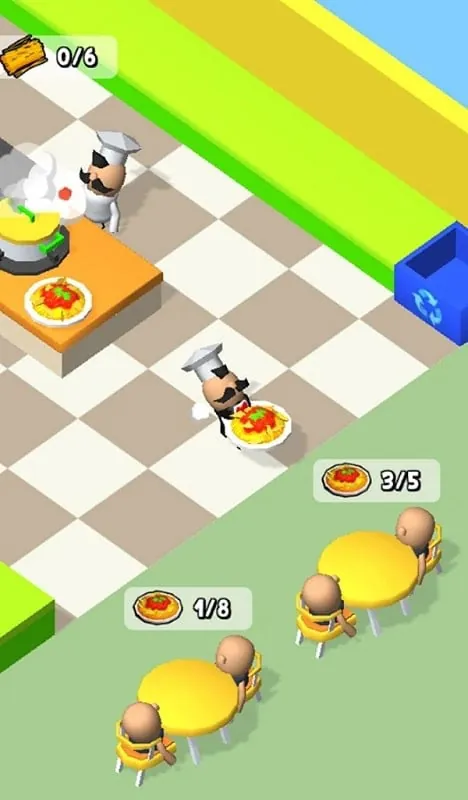
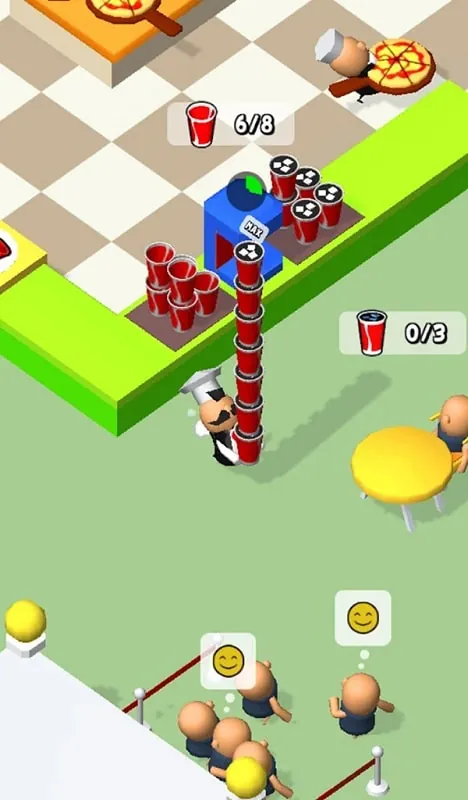
The heart of the simulation is a layered set of operational systems: inventory and supply chains, staff workflows, order timing, and simplified economics. Ingredients are tracked with stock levels and supplier options that affect cost and delivery frequency. Service is modeled as discrete stages—prep, cook, plating, and serving—with each stage consuming time and labor resources that influence customer satisfaction. Separate metrics for quality and speed let you test trade-offs between premium, time-intensive dishes and quick, high-turnover items. Customer demand is shaped by local tastes and time-of-day patterns so planning matters beyond simple repetition.
Touch controls and interface design
Controls are optimized for touch screens with drag-and-drop placement for furniture, equipment, and prep stations, and straightforward tap menus for assigning staff roles or inspecting orders. Contextual tooltips appear inside the interface to explain values like profit margins, wait estimates, and morale impact, reducing the learning curve. Visual overlays and color-coded indicators highlight bottlenecks—such as overfull stools or understaffed shifts—so you can diagnose problems at a glance without memorizing complex charts. All interface elements scale cleanly for phones and tablets to keep the focus on decision-making.
Progression, unlockables, and scenario design
Progression is built around reputation and simulated revenue rather than rigid experience points. As your operation meets objectives you unlock new recipes, kitchen tools, and decorative options that open fresh strategic possibilities. Instead of linear levels, the app uses tiered scenarios and district-style maps with constraints such as limited kitchen space, local taste profiles, and seasonal ingredient availability. These constraints encourage adaptive strategies: one scenario rewards tight efficiency and turnover, another emphasizes branding and customer loyalty, giving progression a practical rather than strictly numerical feel.
Customization and visual identity
Customization blends aesthetic choices with practical layout decisions. You can customize furniture styles, lighting, wall treatments, and background music to create atmospheres that subtly affect customer patience and spending behavior. Branding elements let you shape menus and signage so a single concept can be recreated across locations while retaining a distinct identity. In Restaurant Tycoon cosmetic decisions can also produce measurable effects, for example attracting different customer segments or changing average tip behaviors, which ties visual design back into gameplay decisions.
Staffing, AI behavior, and challenge mechanics
Staff members have attributes such as speed, accuracy, fatigue resistance, and morale that change with training, shift length, and pay. Hiring and scheduling choices influence day-to-day outcomes and operating costs; training pockets improve long-term performance but require short-term investment. The simulation includes a variety of customer profiles with different patience thresholds, menu preferences, and tipping tendencies, and it introduces random events and scheduled inspections to test contingency planning. These challenge mechanics encourage buffer management and realistic operational thinking rather than rote repetition.
Replayability and strategic variety
The app supports multiple viable strategies to keep repeated play engaging: you can pursue a signature-dish, high-margin boutique approach or a standardized fast-casual model that prioritizes throughput and consistency. Procedural variation in maps, customer mixes, and event timing ensures that each run requires fresh adaptations. The tiered scenario structure encourages experimentation, and the available unlockables create new combinations of recipes, tools, and décor that extend strategic options over many sessions.
User experience, accessibility, and offline play
The user experience emphasizes clarity and accessibility with adjustable difficulty, scalable text, color-blind friendly palettes, and simplified control modes for players who want less micromanagement. Performance settings allow reduced animations for lower-spec devices to keep the app responsive during busy service periods. Most core features work offline so you can refine menus and layouts without a persistent connection; occasional content updates or new scenario packs may require online access but routine play and scenario progression remain available locally.
Getting started and practical tips
New users are encouraged to begin with a focused menu and compact kitchen layout to understand timing and staff interactions. Prioritize a few reliable dishes, place prep stations near cooking and plating zones to shorten transit times, and stagger shifts to avoid simultaneous fatigue. Use promotions sparingly to test demand reactions, and invest early in local taste intelligence to avoid costly menu overhauls. These practical steps shorten the learning curve and let you explore the strategic depth that makes Restaurant Tycoon a satisfying management experience.
- No virus
- No advertising
- User protection
Information
- File size: 69.70 M
- Language: English
- Latest Version: 32
- Requirements: Android
- Votes: 211
- Package ID: com.restaurant.tycoon.z1
- Developer: Boss Level Studio
Screenshots

















Explore More
Looking for some quick gaming fun? Our new super-casual game is perfect for entertaining bursts in your busy day. With simple, intuitive gameplay crossed with challenges that engage your brain, you'll keep coming back again and again. No complex controls or tutorials - just open and play anywhere, anytime. Vibrant art style and upbeat music create a lighthearted experience.

Light a Way: Tap Tap Fairytale

eSim Countryballs Country Game

Riddle Test: Brain Teaser Game

Adult Coloring Book Art Studio

Умные слова (Сборник словесных

Laska Strategy Game
Typing Master Word Typing Game

Piano - FNAF