Introduction
Screw Project is a colorful, physics-driven puzzle game that asks players to plan taps, predict trajectories, and manage falling elements to clear each compact stage. In the first moments you learn to match screw colors to targets, time removals so pieces swing and settle predictably, and cope with fragile glass panels and moving fans that can change the outcome of a move. The tone of Screw Project favors calm, deliberate play: levels reward observation and strategy rather than frantic input, making it suitable for brief practice sessions or longer problem-solving runs.
Gameplay and Controls
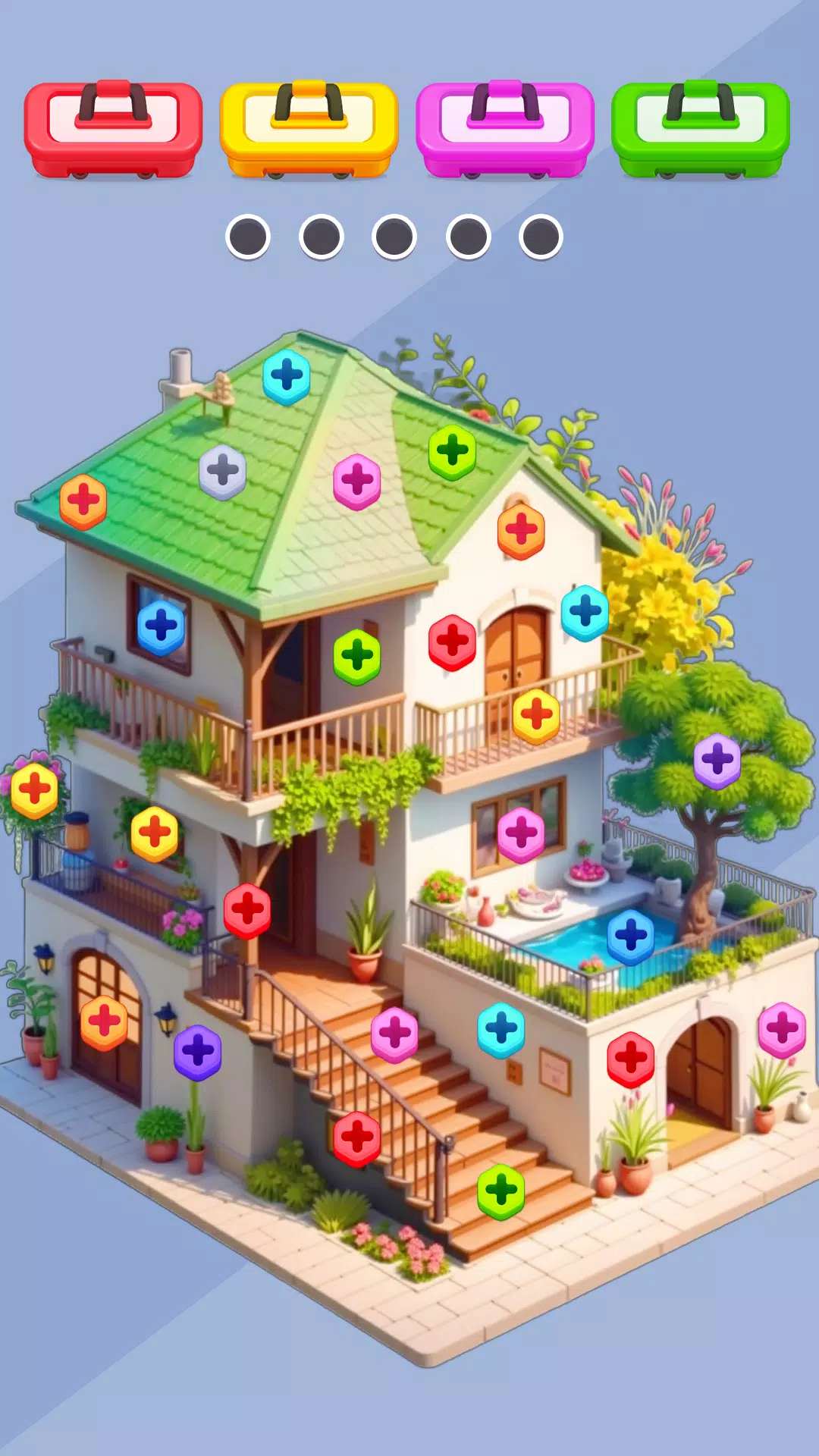
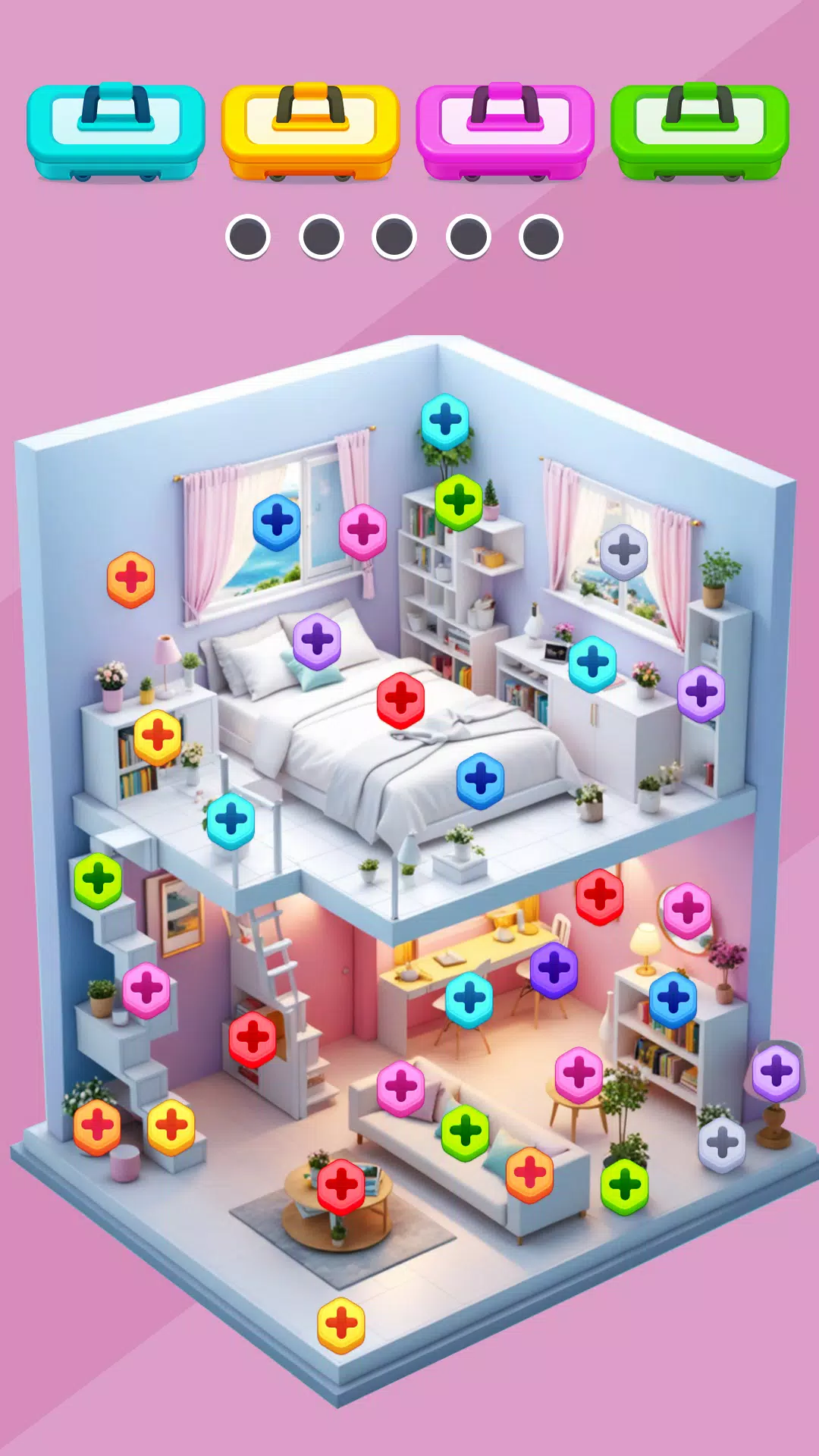
Gameplay in Screw Project uses straightforward touch controls: tap a screw to unscrew it when it matches the active color target, or tap a sequence of screws to create a guided path for falling parts. The physics model treats gravity, bounce, and collisions realistically so that each removal alters the balance of the remaining pieces. Special fasteners such as star-shaped screws, rope-linked clusters, and fan-driven screws behave differently and require adapted tactics; for example, rope clusters swing and transfer momentum, while fan screws can impart lateral motion that reroutes small pieces. Controls are intentionally minimal so players focus on timing, placement, and prediction rather than complex gestures.
Progression and Level Structure
Levels are organized into themed chapters that introduce mechanics incrementally. Early stages teach basic color matching and single-fall responses, then later chapters layer in rope physics, fragile panes, fans, and multi-stage interactions. Each chapter is designed as a short learning arc: a handful of tutorial-like puzzles, then a series of challenges that combine new elements with earlier lessons. Completing levels unlocks subsequent stages and occasionally grants small boosters that help with tricky puzzles without undermining the value of planning and observation.
Visual Style and Audio
The visual design emphasizes clarity: screws, panels, and interactive pieces use distinct silhouettes and high-contrast colors so players can read the playfield at a glance. Subtle motion cues—swinging ropes, spinning fan blades, and glass shattering animations—help communicate object state and expected behavior. Ambient audio and concise feedback tones support a focused atmosphere; sound choices are restrained so players can concentrate on timing and spatial reasoning without distraction. Visual cues also highlight active color targets and special screw types to reduce guesswork.
Boosters, Customization, and User Experience
Screw Project offers a selection of modest boosters that can be earned through progression and occasional level rewards; boosters are meant to assist experimentation rather than substitute for strategy. The interface includes adjustable options for sound, hint frequency, and tutorial prompts so players can tailor the experience to their comfort level. Accessibility options include color contrast presets and clear iconography for distinguishing targets and special screws, while settings allow players to reduce animation intensity if they prefer a simpler visual field.
Replay Value and Challenge Systems
Replayability comes from optional goals and multiple viable solutions to many puzzles. Levels often support several tactics—precise timing, targeted use of boosters, or clever sequencing—so players can revisit puzzles to optimize moves or pursue alternate approaches. Some stages are crafted to reward pattern recognition and planning, while others test timing and dynamic responses to shifting elements. There are no enforced timers or punitive mechanics; challenge comes from complexity and the satisfaction of elegant solutions.
Accessibility and Offline Play
Accessibility is woven into the design: simple tap input, adjustable audio, and visual clarity lower the barrier to entry. The game is fully playable offline for most progression, with local saves preserving level completion and earned boosters so players can return without losing progress. These choices make the experience reliable in situations where an internet connection is intermittent or undesired.
Tips for New Players
New players should take advantage of the relaxed pacing to observe object reactions before committing to a sequence. Watch how rope clusters swing after a removal, note how fan screws change lateral motion, and anticipate where glass panels might land to avoid blocking key paths. Use boosters sparingly at first, treating them as learning aids to explore alternate solutions rather than crutches. Practicing short runs focused on one mechanic at a time accelerates understanding and builds confidence for more intricate levels.
Behind the approachable surface, Screw Project rewards careful planning: reading trajectories, sequencing taps to create predictable collapses, and combining special screw behaviors into reliable strategies. The balance of simple controls, clear visuals, steady progression, and optional aids makes the game accessible to casual players while still offering satisfying depth for those who enjoy refining their approach. Whether you have five minutes to experiment or a longer block of time to solve complex setups, the game provides a thoughtful puzzle experience that emphasizes physics-driven interactions and player choice.
- No virus
- No advertising
- User protection
Information
- File size: 48.50 M
- Language: English
- Latest Version: 1.0.11
- Requirements: Android
- Votes: 258
- Package ID: com.casualjoygames.screwproject
- Developer: Casual Joy Games
Screenshots
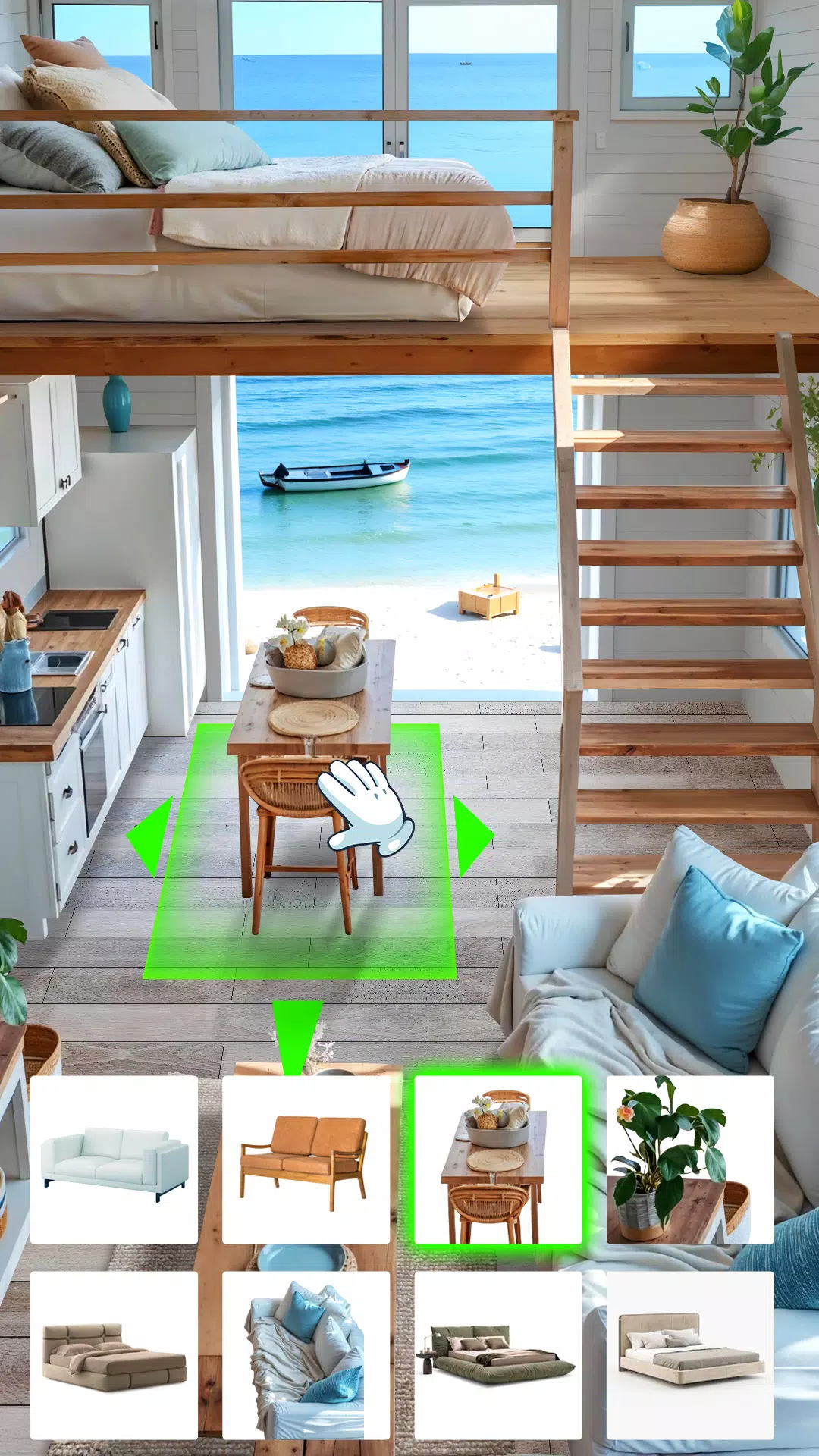
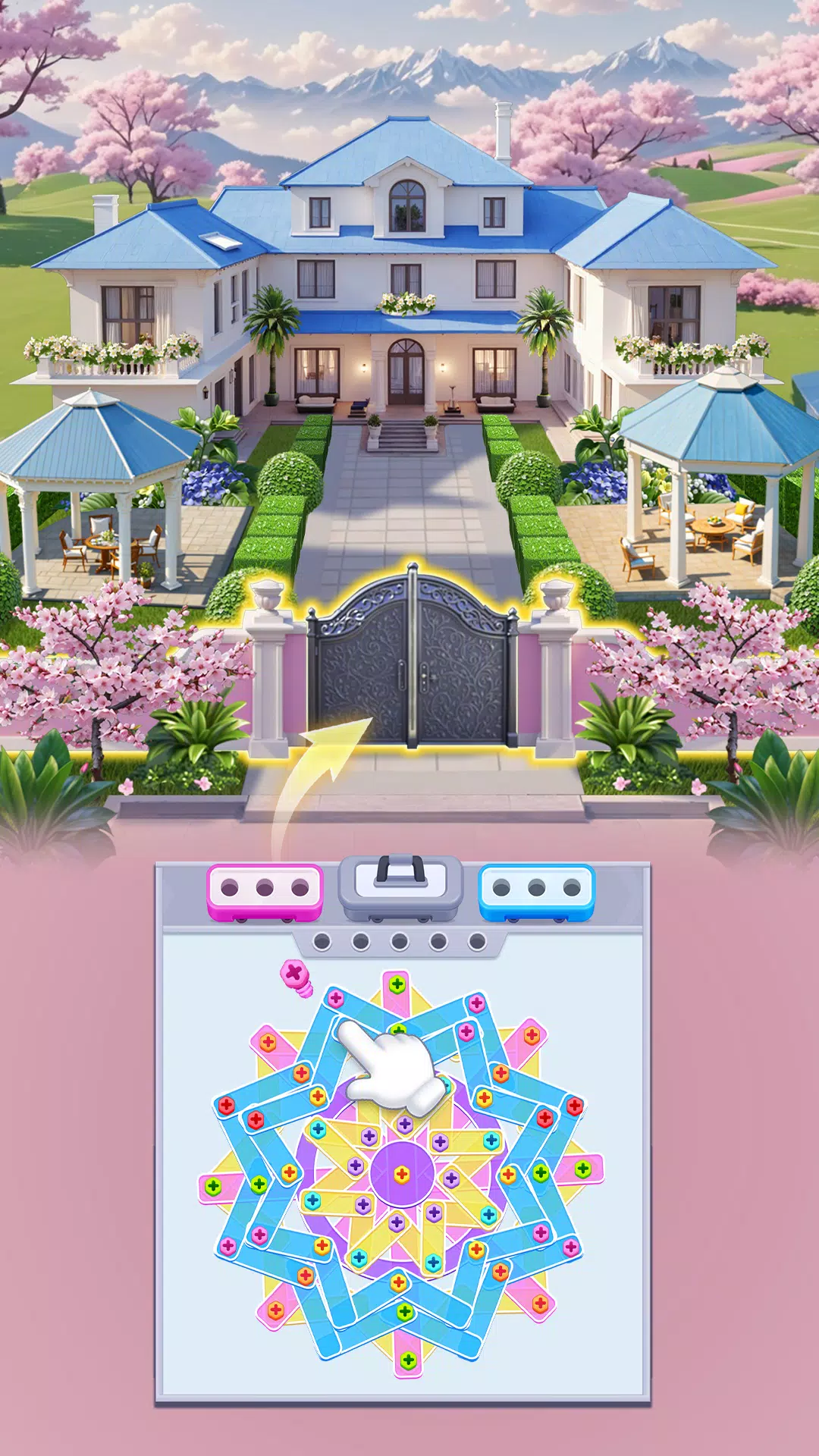
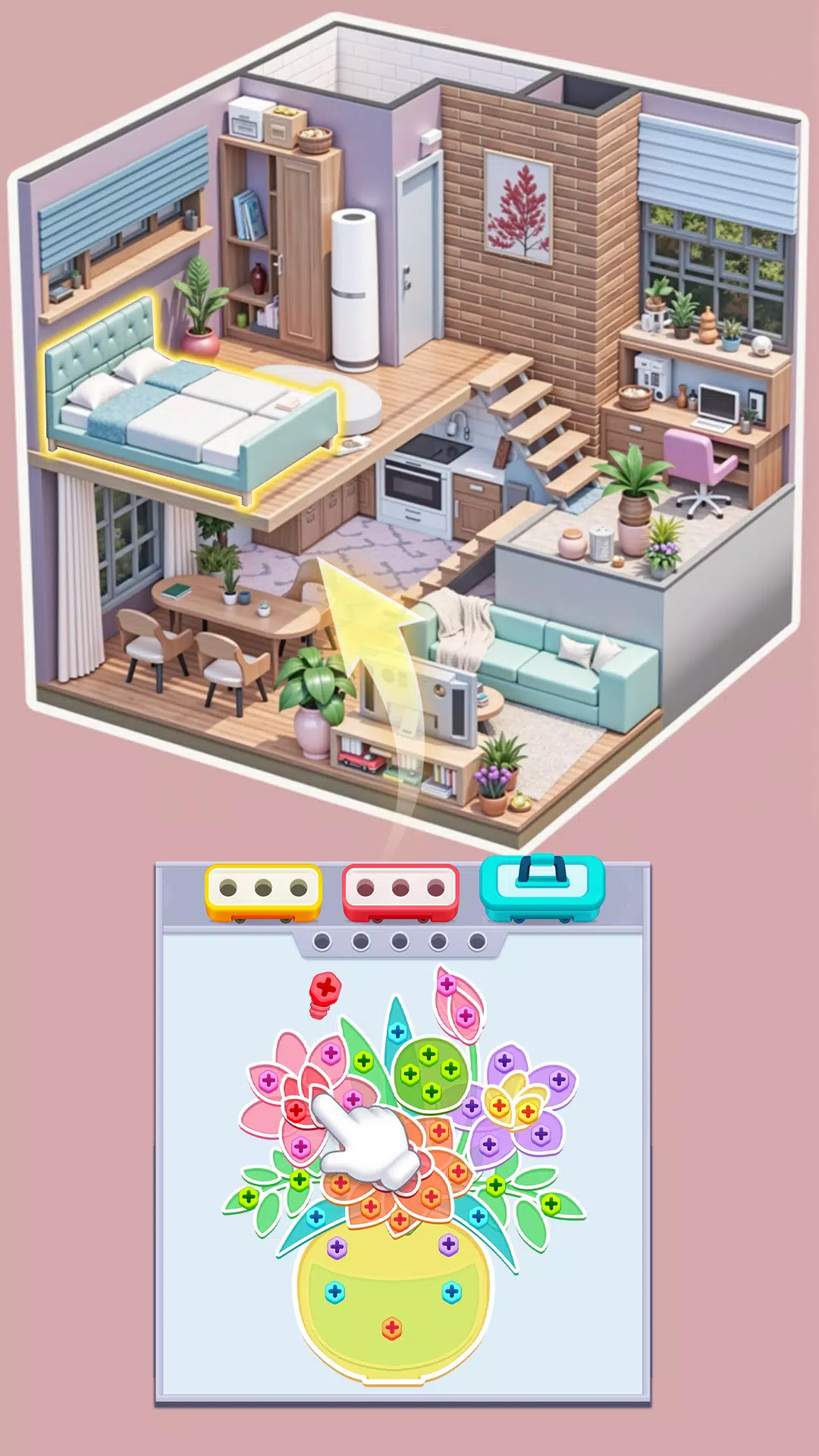
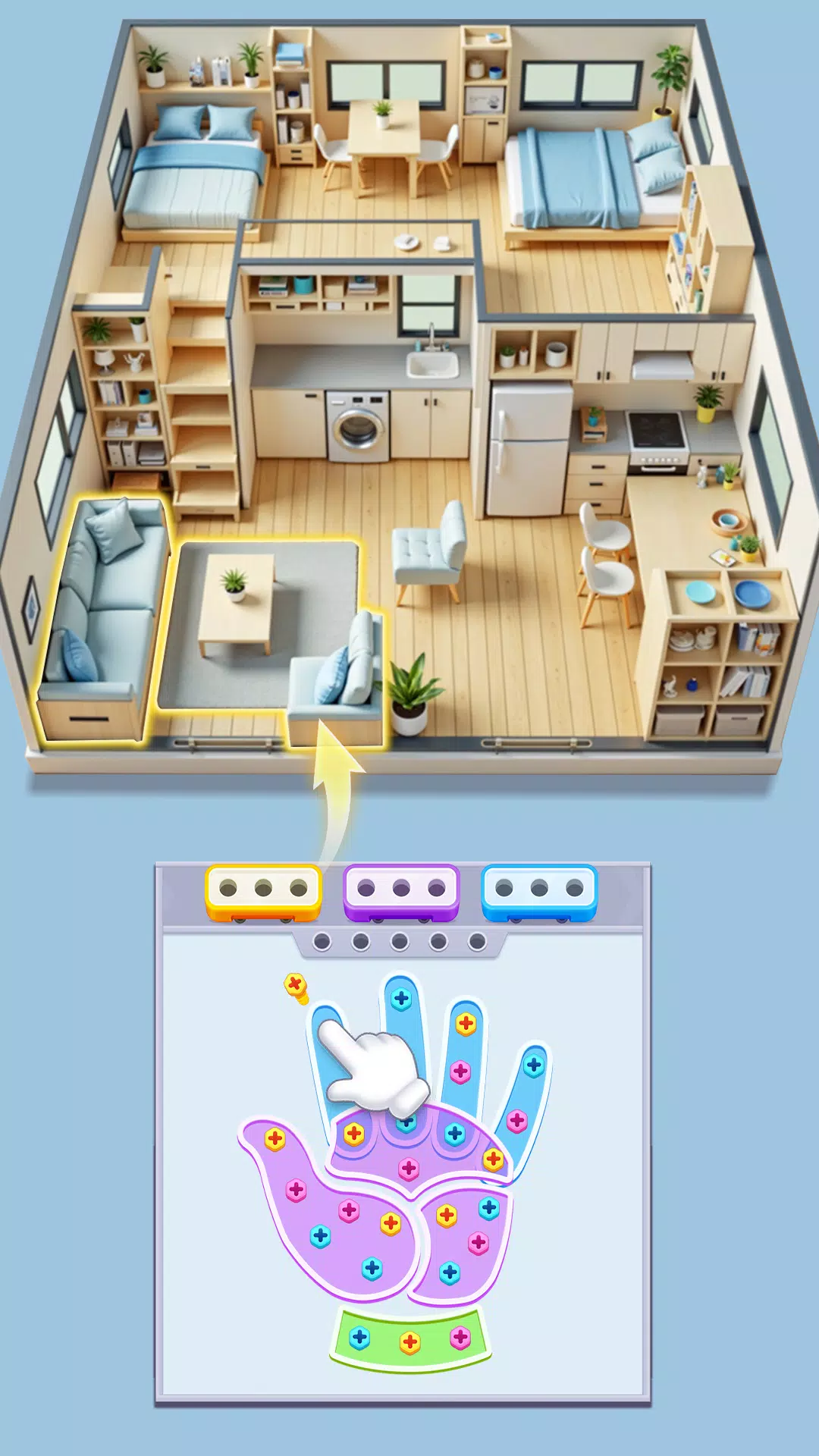
















Explore More
Are you searching for an enjoyable method to strengthen your intellect? Our hottest logical puzzle is tailor-made to offer a stress-free pastime experience. With beautiful graphics and chill background music, you can immerse yourself in an engaging world of logic and critical thinking. Solve increasingly tricky levels at your own pace, with no time pressure or lives system.

Once In A Lifetime

Witch Girl Len and the Great

Laska Strategy Game
Crosswords Word Fill PRO
Cake Maker : Cooking Games

Unicorn Games for 2+ Year Olds
Preschool & Kindergarten Games

Merge Color Monster Battle