
Introduction
IdleOn - The Idle RPG places a retro 2D side‑scrolling aesthetic into an idle progression framework, letting you manage a party of characters who fight, gather and craft even when the app runs in the background. This editor overview outlines what to expect from the core loop, how automation and active decisions interact, and practical notes on controls, performance and accessibility for players new to the genre. If you enjoy steady advancement, layered class systems and concise play sessions, IdleOn - The Idle RPG offers a mix of hands‑off growth and strategic setup worth exploring.
Snapshot of the experience
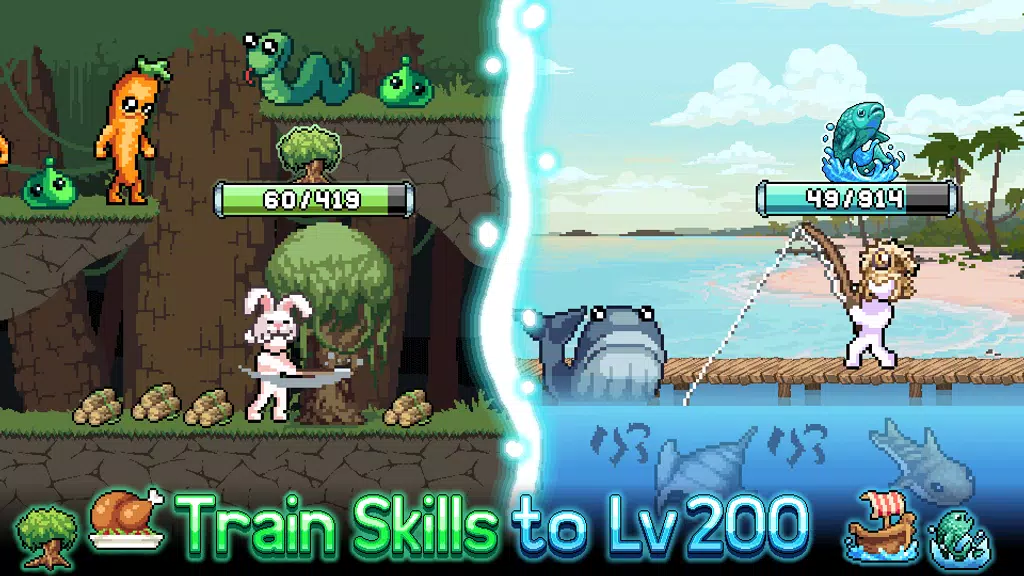
The game centers on parallel progression: multiple characters can be assigned to combat, resource collection or crafting tasks and will continue earning experience and materials in real time. Exploration evokes classic side‑scroll MMOs but is streamlined by automation features that reduce repetitive input. Short play bursts are meaningful because upgrades, class unlocks and periodic resets (prestige systems) all compound over time, so progress is continuous whether you check in frequently or let your roster grind while you’re away.
Gameplay mechanics
Combat and progression are built around readable systems where passive bonuses, active skills and equipment synergies matter. Each character gains experience, loots items and can consume gathered materials at workbenches to craft or upgrade gear. Automation settings let you designate roles for each character, preserving strategic depth: you still choose stat allocation, skill paths and which zones to farm. Prestige and rebirth mechanics convert shorter runs into permanent multipliers, which changes how later playthroughs feel and opens new optimization choices.
Controls and interface
The interface is designed for multi‑character management on touch devices. Assignment of jobs, swapping equipment and toggling automation can be completed with a few taps, and screens are laid out to keep inventory, skill trees and crafting visible at a glance. Contextual tooltips explain item stats and effect interactions, while quick filters and sort options make it easier to manage loot and craft efficiently as your roster grows.
Progression systems
Progression stacks across several dimensions: character XP and levels, gear tiers and upgrade routes, skill tree branches and permanent bonuses earned through prestige. Equipment follows tiered rarities with increasing upgrade costs, encouraging players to plan resource expenditures. The skill system emphasizes passive multipliers and branching specializations so that early choices influence later performance; crafting and material management remain central to climbing higher tiers of content.
Level structure and exploration
Zones are arranged to teach mechanics gradually: early areas introduce resource loops and basic enemies, midgame regions present tougher encounters and distinct materials, and late‑game zones require more deliberate team composition. Exploration rewards range from rare drops and node spawns for gathering to occasional mini‑boss encounters that benefit from a slightly more active approach. Map progression is predictable and readable, which helps when deciding where to deploy automated tasks for optimal returns.
Customization and builds
Base classes branch into specializations that alter passive bonuses and role profiles such as tank, DPS or support. Effective builds usually come from combining complementary roles rather than relying on a single powerhouse, so gear choice, stat allocation and crafted upgrades all matter. Cosmetic variation is primarily tied to equipment appearance and loadout choices, keeping the emphasis on tangible performance improvements over purely visual rewards.
Multiplayer and community features
While the core experience works perfectly as a solo idle RPG, light social elements are available to enrich play. Community spaces let players share build ideas and coordinate around cooperative events and seasonal challenges that provide group‑wide objectives. These options are presented as optional extras that complement single‑player progression rather than being required for core advancement.
Replay value and challenge systems
Replayability stems from experimenting with class combinations, refining automation networks and pursuing higher‑tier equipment through repeated runs. Challenge systems include scaling difficulty tiers and time‑limited seasonal tasks that reset objectives and reward new milestones. Because prestige mechanics convert repeated play into permanent benefits, later cycles become both faster and strategically different as permanent multipliers open new viable builds.
Performance, accessibility and offline play
Designed for a wide range of Android hardware, the app includes optional lower‑fidelity graphics and background progression to reduce battery use. Background accumulation records what happens while you’re away and presents clear summaries on return, minimizing lost time. Accessibility options include adjustable text sizes, clear iconography and simplified menus, making it easier for new players to manage multiple characters without confusion.
Getting started
To begin with IdleOn - The Idle RPG, follow the onboarding quests that introduce assigning jobs, upgrading gear and unlocking new classes. Focus on a small core team to secure essential resources, then add automated roles for gathering and crafting as your resource needs grow. Keep an eye on events and seasonal challenges for temporary boosts, and use prestige resets strategically to convert short‑term progress into long‑term multipliers. With steady planning and incremental optimization, the game rewards thoughtful setup as much as occasional active play.
- No virus
- No advertising
- User protection
Information
- File size: 194.70 M
- Language: English
- Latest Version: 2.20.0
- Requirements: Android
- Votes: 456
- Package ID: com.lavaflame.MMO
- Developer: LavaFlame2
Screenshots


















Explore More
Gather around for game night anytime, anywhere with our new mobile board game. Play digital versions of classics like chess, checkers, backgammon and more against friends or AI opponents. With smooth online multiplayer, you can challenge players worldwide or create private games. Customizable boards, pieces, and house rules allow you to tailor the experience. Compete in daily tournaments or just play for fun.

Riddle Test: Brain Teaser Game

Laska Strategy Game
Typing Master Word Typing Game

Crosswords Word Fill PRO

Baby Panda's Bath Time

TowerBall

Cake Maker : Cooking Games

Pet Doctor