Introduction
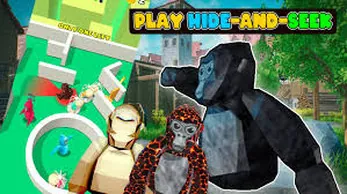
gorilla game drops players into an intense, movement-first VR hide-and-seek experience called Project Zomie, where you take on the role of a nimble survivor or a relentless infected Zomie. gorilla game is a fan-made take on physics-driven traversal and social multiplayer, emphasizing short, energetic matches in atmospheric arenas. The opening moments introduce core systems quickly so new players can focus on leaping, climbing and swinging as primary ways to move through maps while learning how asymmetrical roles change the risk and reward of every encounter.
Key features
The game centers on a small set of tightly tuned systems rather than a long list of mechanics: a fluid arm-driven locomotion model, asymmetrical survivor-versus-infected gameplay, maps with evolving hazards, and a lightweight progression loop for cosmetic unlocks. Environments range from misty forests and collapsed urban blocks to dim underground complexes, each offering unique verticality and hiding spots. Matches are intentionally short to keep the pace high and to reward quick decision-making, teamwork, and map knowledge rather than long grind sessions. Customization focuses on skins, accessories and emotes that let players personalize characters without changing competitive balance.
Gameplay and controls
Movement relies on intuitive, physics-forward VR interactions: players swing their arms to build momentum, grab surfaces to climb, and use brief bursts of controlled pushes to clear gaps. These controls favor creativity; experienced players chain swings, ledge-grabs and wall-climbs to reach unconventional vantage points or escape pursuers. The asymmetrical rules mean survivors must coordinate and use environmental features to survive while infected Zomies practice tagging strategies and ambush setups. There are no elaborate combat systems—success comes from movement, positioning and timing.
Progression and customization
Progression in gorilla game rewards play with cosmetic unlocks and optional customization goals. Players can unlock new skins, accessories and emotes by completing match objectives and participating in rotating challenges, which encourages experimentation with different movement techniques and maps. Customization is primarily visual: cosmetic items change appearance and expression in matches rather than providing gameplay advantages. The game’s progression curve is designed to give a steady stream of rewards early on while offering optional long-term goals for players who enjoy collecting or personalizing their avatars.
Level structure and visual style
Maps are designed around vertical traversal and cover a variety of themes that affect tactics and visibility. Levels include dense forests with hidden pathways, multi-tiered urban ruins with narrow alleyways, and claustrophobic underground lairs with tight corridors and sudden drop-offs. Visuals lean toward moody, atmospheric lighting and readable silhouettes so players can make split-second movement decisions. Dynamic elements such as changing weather, day-night shifts or environmental hazards appear in some match variants to alter sightlines and available routes, which increases replay value without changing the core movement experience.
Replayability and challenge systems
Replay value comes from short matches, asymmetrical roles, and map variety rather than lengthy meta-progression. Evolving match modifiers and on-map power-ups or hazards introduce secondary goals and risk-reward choices that keep rounds fresh. Players can practice different roles, experiment with unconventional routes, or take on rotating challenges that highlight specific skills like stealth, speed, or cooperative escapes. Because matches are brief, it’s easy to jump back into multiple rounds each session and steadily improve at traversal and teamwork.
User experience and accessibility
The design acknowledges VR comfort and accessibility: options typically include adjustable locomotion sensitivity, snap-turn and smooth-turn settings, vignette or comfort filters to reduce motion sickness, and an introductory tutorial area to practice arm-driven movement without pressure. Controls are tuned for clarity so new users can learn basic techniques quickly while advanced players can refine momentum-based movement. Audio cues and clear visual feedback help with navigation and situational awareness, and match lengths and role balance aim to reduce frustration by keeping each session engaging but concise.
Limitations and practical tips
As a fan-developed title, gorilla game can feel rough around the edges compared with larger commercial releases; players should expect occasional polish issues and community-driven support. Movement-focused VR can also be physically demanding and may cause discomfort for some users, so take frequent breaks and adjust comfort settings as needed. For best results, spend time in practice areas to learn momentum chaining and map shortcuts, communicate with teammates when playing survivor, and watch for environmental hazards that can flip the tide of a match. The core appeal is the social, skill-based multiplayer and the satisfaction of mastering a responsive, physics-driven movement system.
- No virus
- No advertising
- User protection
Information
- File size: 37.74 M
- Language: English
- Latest Version: 0.1
- Requirements: Android
- Votes: 195
- Package ID: com.DefaultCompany.projectzoomy
- Developer: the-goatmen
Screenshots
















Explore More
Experience nonstop thrills with our newest edge-of-your-seat action game! With console-quality graphics and intuitive touchscreen controls, you'll be drawn into high-octane combat and stunt-driven gameplay. Choose from an arsenal of upgradable weapons and vehicles to blaze through enemy bases, post-apocalyptic cities, and more. Physics-based action packed with explosions and destructible environments make every level more intense than the last.
Elara's Mystical Mountain Chalet
Lust Hunter: portable edition 0.134.6

A Simple job

CR7VIP

Stories of Aetas Valon: Respite in the Core

Cocogoat? Cocomilk! 2.0.0 (Ganyu NSFW Interactive)

888R

Furryville