

Introduction
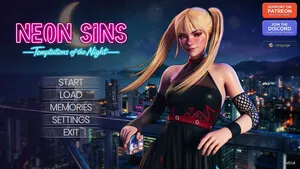
Neon Sins: Temptations of the Night is a neon-soaked action RPG that combines fast-paced combat, reactive narrative choices, and urban exploration into a compact nighttime playground. The game places you in a morally ambiguous city where short runs and focused missions reward skill, planning, and adaptability. Players assemble a small roster of operatives, each with distinct abilities, and tackle objectives that can be approached through stealth, direct confrontation, or social manipulation.
Gameplay Overview
Each session in Neon Sins: Temptations of the Night is designed as a short, intense run that blends mission-focused goals with emergent encounters. Objectives range from extraction and sabotage to influence-building and securing intel; each objective supports multiple viable approaches so players can experiment with playstyles. Randomized elements keep repeat visits unpredictable while handcrafted story beats provide memorable moments, making every run feel purposeful even when it ends quickly.
Combat and Tactical Systems
Combat emphasizes responsive inputs, situational awareness, and synergies between weapons and abilities. Melee, ranged, and gadget options allow for varied loadouts: disruptor devices and area effects punish swarms and scouts, while precision weapons and focused fire are better against armored targets. Timing for dodges and counters matters, and enemy variety requires players to adapt tactics rather than rely on a single solution. Abilities can be combined to create crowd control chains or high-damage bursts depending on the operative’s role.
Level Design and Exploration
The city is divided into visually distinct districts with unique hazards, side content, and alternate routes. Levels are crafted with verticality and multiple ingress points—rooftop paths, underground conduits, and alley shortcuts—so exploration can yield tactical advantages and collectible lore. Hand-placed encounters anchor important story moments, while procedurally shifted elements refresh familiar zones. Players who explore thoroughly are rewarded with gear, resource caches, and context that deepens the setting without forcing detours.
Character Progression and Customization
Operatives grow through flexible upgrade trees where choices feel impactful: invest in raw damage, survivability, crowd control, or utility perks to suit your preferred role. Gear and cosmetics are separated so performance tuning won't limit visual customization. Skill nodes unlock passive bonuses or new active abilities, and combining different node paths can create hybrid builds that change how a character functions in the field. Resource sinks and clear upgrade pacing make progression meaningful across early and late sessions.
Choices, Reputation, and Narrative
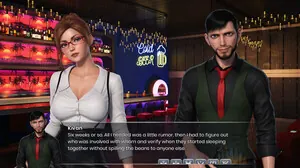
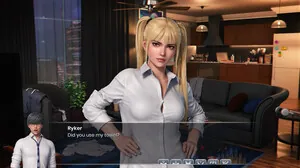
Dialogue options and mission outcomes influence district reputation, NPC relationships, and future mission availability. Rather than moralizing every choice, the game treats decisions as strategic trade-offs: certain actions open specific opportunities while closing others, and staying neutral can be a valid approach. Reputation changes what vendors stock, shifts mission parameters, and alters unique contract availability, allowing narrative decisions to feed directly back into gameplay loops.
Audio-Visual Style
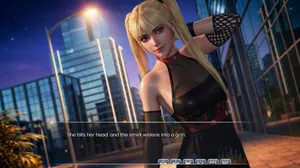
The visual identity leans into a stylized cyber-noir palette: high-contrast lighting, saturated neon accents, and a clean interface that prioritizes readability during high-intensity moments. Environmental lighting is used deliberately to guide player attention during encounters and to establish mood in quieter scenes. The soundtrack favors synth-driven tracks that adapt tempo to exploration or combat intensity, while sound design highlights off-screen threats and contextual audio cues to support situational awareness. Neon Sins: Temptations of the Night balances aesthetic flair with clarity to keep gameplay readable.
Controls, Accessibility, and Performance
Controls are tuned for touch and controller use, with customizable sensitivity and button mapping so players can tailor input to their device and preferences. Performance settings let you prioritize frame rate or visual fidelity across a broad range of hardware, with presets and texture options to help older devices remain playable. Accessibility features include adjustable text size, colorblind-friendly palettes, aim assist options, and simplified input modes to reduce friction for players who need them.
Cooperative Contracts and Challenges
Beyond solo missions, the game provides cooperative contracts that encourage role synergy and scaled difficulty for multiple participants, plus competitive challenge modes that test speed, efficiency, and special-condition clears. Seasonal modifiers rotate to keep challenge conditions fresh and offer exclusive rewards for mastering temporary rulesets. Leaderboards and time-limited tasks give context to competitive runs without obligating casual players to chase rankings.
Getting Started and Replay Value
New players should begin with the tutorial district to learn movement, combos, and gadget use, then focus on unlocking one or two characters to build a core playstyle. Experimentation in lower-stakes missions helps identify effective loadouts before tackling higher-tier contracts. Many single-player missions are accessible without a persistent online connection, and daily objectives plus rotating events provide steady progression. With branching missions, customizable characters, and rotating challenges, Neon Sins: Temptations of the Night encourages repeated playthroughs to explore alternate choices, test different builds, and uncover hidden content.
- No virus
- No advertising
- User protection
Information
- File size: 919.79 M
- Language: English
- Latest Version: 1.4
- Requirements: Android
- Votes: 277
- Package ID: com.nsins.totn
- Developer: Fropzys
Screenshots













Explore More
Looking for some quick gaming fun? Our new super-casual game is perfect for entertaining bursts in your busy day. With simple, intuitive gameplay crossed with challenges that engage your brain, you'll keep coming back again and again. No complex controls or tutorials - just open and play anywhere, anytime. Vibrant art style and upbeat music create a lighthearted experience.
View more