

Introduction
Project T.H.R.U.S.T. Demo 0.4.1 + Public 0.5.5 presents a focused, experimental aerial action preview that highlights responsive flight, short-form combat, and modular loadouts designed for iterative testing. This demo build places players into tight arenas to evaluate control fidelity and tactical decision-making while giving a clear sense of how thrust, boost, and dodge inputs shape momentum and engagement pacing in an arena setting.
What this demo is testing
The primary goal of Project T.H.R.U.S.T. Demo 0.4.1 + Public 0.5.5 is to validate the underlying mechanical systems rather than provide a finished progression loop. The build is intended to reveal how minor tuning changes affect the balance between mobility and firepower, whether energy and heat mechanics create meaningful trade-offs, and how modular components influence playstyle without long-term unlock commitments. Testers should expect to evaluate handling, module interactions, and arena flow in short, repeatable rounds.
Core gameplay and systems
Gameplay centers on fast skirmishes that reward positional awareness and timing. Players manage thrust vectors and brief boost bursts to control speed and facing, deciding when to commit to an attack or withdraw to recover resources. Energy governs special abilities and boosts while heat or cooldown constraints prevent constant ability spam, introducing a tactical rhythm to encounters. The modular loadout system allows pilots to mix hull types, weapon behaviors and passive modifiers to create distinct handling and combat combinations.
Controls and accessibility
Control responsiveness is a major focus of the demo. Input latency and analog-like thrust sensitivity are tuned so small adjustments feel precise, whether using touch, controller or keyboard. Control mapping is customizable where supported, and optional aim assists or snap assists are available to help new players adapt to the flight model. Visual aids such as clear HUD indicators, adjustable cues and configurable sensitivity settings let players tailor the interface to their needs and reduce initial friction.
Maps, level design and encounter pacing
Arena layouts emphasize compact, decision-rich environments. Tight corridors and choke points create opportunities for close-quarters duels while vertical open spaces reward sweeping maneuvers and positioning. Environmental hazards and layered verticality encourage flanking and escape plays, and arena scale is deliberately small to keep rounds brief and concentrated. Designers aim for maps that reward map knowledge and quick reaction rather than extended camping or attrition battles.
Customization and short-form progression
The demo offers a streamlined progression loop intended for rapid experimentation. Players unlock new modules and cosmetic items by completing objectives and performing well in matches, but the core focus is on trying combinations quickly: select a hull, slot active modules, and set passives before entering the next round. Cosmetic options personalize appearance without affecting balance, ensuring competitive parity during testing sessions.
Performance, visual clarity and device support
Visual design prioritizes readability and immediate feedback over high-fidelity rendering. Effects like thrust trails, hit sparks and module indicators are tuned to communicate important information at a glance. Scalable graphics settings allow the demo to run smoothly on mid-range devices with toggles for particle density and shadow detail so players can trade visual richness for frame-rate stability when necessary.
Multiplayer basics and community feedback
Public builds include basic multiplayer support focused on testing social and connection systems: quick matchmaking for short pairings, in-match chat, reporting tools and an experimental spectator mode for reviewing rounds. These features are intentionally minimal so developers can iterate rapidly based on player feedback, focusing on connection stability, matchmaking fairness and report resolution rather than extensive social systems at this stage.
Practice modes, challenges and replay value
To support learning and repeatable play, the demo includes practice arenas and configurable scenarios that let players test modules and tune controls outside of competitive matches. Short challenge encounters and timing-focused drills are available to practice maneuvering under different constraints. The combination of modular loadouts, map variety and practice tools encourages iterative improvement and keeps replay sessions focused on learning and experimentation.
Tips for new pilots
New players should emphasize short thrust bursts for fine momentum control and reserve boost for repositioning or escape. Experiment with different module combinations in practice arenas to understand offensive and defensive trade-offs, and use spectator mode and replays to study positioning and timing. Consistency in inputs and a measured approach to energy management typically yield better results than relying on raw firepower.
Project T.H.R.U.S.T. Demo 0.4.1 + Public 0.5.5 is a technical, skill-oriented preview built for players interested in high-tempo aerial duels and iterative tuning. Expect ongoing updates that refine balance, expand test content and respond to community reports as development continues, and use the demo’s compact matches and practice tools to explore handling and module synergies efficiently.
- No virus
- No advertising
- User protection
Information
- File size: 89.30 M
- Language: English
- Latest Version: 2.0.1
- Requirements: Android
- Votes: 418
- Package ID: com.UnityTechnologies.com.unity.template.urpblank
- Developer: Fire Totem Games
Screenshots
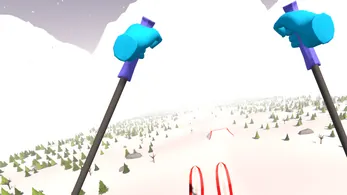
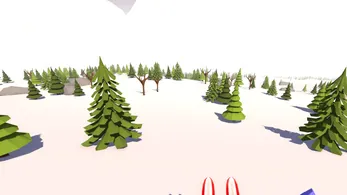
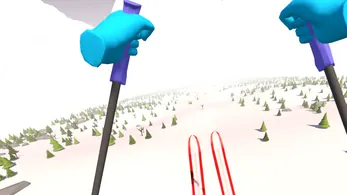
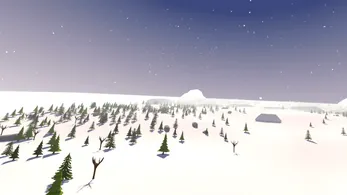
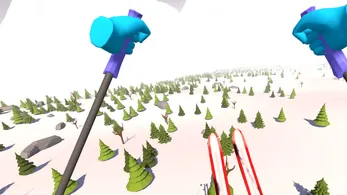











Explore More
Gather around for game night anytime, anywhere with our new mobile board game. Play digital versions of classics like chess, checkers, backgammon and more against friends or AI opponents. With smooth online multiplayer, you can challenge players worldwide or create private games. Customizable boards, pieces, and house rules allow you to tailor the experience. Compete in daily tournaments or just play for fun.

Сладкие Грёзы Фантома 2

Opportunities to Stuff
QuiMath

Waifu Wars

SSS_1: Intruder Alert

Hearts & Stitches DEMO

ゲイ無関係: Kidnapping a Maid Has NOTHING to Do With Being GAY!!
Cinder Battle: Rekindled