

Introduction
Dread Reborn is an action RPG roguelite that combines fast-paced combat, deep character progression, and procedural level design. Dread Reborn places you into shifting labyrinths where each run tests reflexes, planning, and the build choices you make between attempts. The presentation and systems emphasize emergent play: a small change to gear, a new relic, or a different skill allocation can alter how an encounter unfolds and keep the experience fresh over many sessions.
Core gameplay loop
The central loop in Dread Reborn revolves around repeated expeditions into dangerous zones, gathering resources, and returning to a hub to consolidate gains. Each run is intentionally risky: you will explore randomized stages, face escalating threats, and decide when to push for greater rewards or retreat with what you’ve earned. Run-based upgrades offer temporary power for a single expedition while permanent unlocks accumulate over multiple runs. This balance encourages experimentation with weapons, passive bonuses, and artifact combinations to discover new synergies.
Combat systems and mechanics
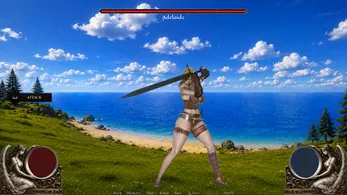
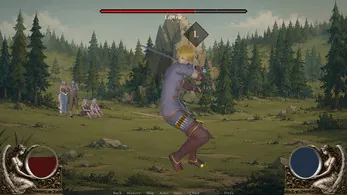
Combat is responsive and tactical without relying on complex inputs. Melee, ranged, and magic archetypes play differently; melee encounters reward positioning and timing, ranged builds emphasize spacing and resource management, and magic users control space with area effects and status synergies. Core mechanics include dodge frames and parry windows that reward precise timing, enemy telegraphs that encourage observation rather than button-mashing, and special abilities that charge during fights and can be customized to support solo or cooperative strategies. Encounters are designed so that learning enemy patterns and adapting loadouts feels meaningful.
Maps, environment design, and enemy variety
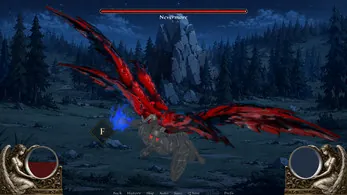
Procedurally generated maps in Dread Reborn combine connected corridors, open chambers, and hidden alcoves that can rearrange between attempts. Environmental hazards—traps, shifting platforms, cursed zones—create tactical considerations beyond simply defeating foes. Levels often hide optional pockets with higher risk and richer rewards, and set-piece rooms occasionally host multi-phase bosses that require pattern recognition and on-the-fly adaptation. Enemy design ranges from coordinated swarms to singular, towering threats that change behavior as their health declines.
Progression, crafting, and customization
The progression system blends permanent unlocks with run-limited bonuses. A central hub provides crafting benches, vendor services, and a branching skill tree where you invest points to open new abilities and passive enhancements. Gear has tiers of rarity that influence modifiers and socket options, and relics introduce unique passive effects that can dramatically alter build interactions. Crafting lets you re-roll or improve specific attributes when you have the right resources, encouraging focused build paths and providing meaningful long-term goals without forcing a single optimal route.
Cooperative play and challenge options
Co-op in Dread Reborn is designed to complement the solo experience: friends can join runs to share loot and coordinate tactics, and shared mechanics such as revive resources and joint objectives promote teamwork without making co-op mandatory for progression. Matchmaking and grouping options are available for players who prefer to team up, while difficulty pockets and optional higher-risk areas reward coordination and strategic planning. Community-driven challenges and optional leaderboards provide extra incentives for players who want measurable goals beyond single-session progression.
Controls, accessibility, and device support
Controls are optimized for touchscreen play with contextual buttons, gesture-based dodges, and layouts you can remap to match your preferred hand placement. Controller support is included for players who favor physical inputs, and mappings are designed to give precise, reliable control. Accessibility options include adjustable difficulty modifiers, colorblind-friendly palettes, UI scaling, and aim assistance toggles. Performance and graphics settings allow you to prioritize frame rate or visual fidelity so the game runs smoothly across a broad range of devices.
Audio, visuals, and performance tuning
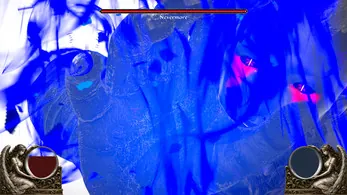
Dread Reborn presents a moody fantasy aesthetic with detailed character models, dynamic lighting, and atmospheric environments that support exploration and tension rather than spectacle. Sound design doubles as gameplay feedback: audio cues signal incoming threats, ability readiness, and environmental hazards. A range of performance and quality presets helps balance battery usage and visual detail depending on your device, and key options let you tune effects that can impact visibility in chaotic encounters.
Getting started and replay value
New players should begin with a few short runs to learn basic mechanics, experiment with a couple of weapon archetypes, and explore the hub to understand upgrade options. Prioritize mobility and learn enemy patterns early; focusing a build around a weapon type or spell school will reveal stronger synergies than spreading points too thin. The core single-player experience is playable offline so you can practice runs and progress independently, while optional cooperative sessions require a connection for group play. Over time, rotating relics, level variants, and optional challenge modes keep Dread Reborn engaging for both casual play and longer-term experimentation.
- No virus
- No advertising
- User protection
Information
- File size: 1004.47 M
- Language: English
- Latest Version: 1.1
- Requirements: Android
- Votes: 312
- Package ID: com.dalusdev.dreadreborn
- Developer: dalusdev
Screenshots

















Explore More
Looking for some quick gaming fun? Our new super-casual game is perfect for entertaining bursts in your busy day. With simple, intuitive gameplay crossed with challenges that engage your brain, you'll keep coming back again and again. No complex controls or tutorials - just open and play anywhere, anytime. Vibrant art style and upbeat music create a lighthearted experience.

Menangbet v2.1.4

8SVIP v2.1.6

Suhu777 v12.5

Bulldozer Master

Junes University Story

Roots of Desire

66KBET v1.0

Bombimals