

Introduction
Rubicon ISS places you in the captain's chair of an interstellar mission in the 29th century, a slow-burn narrative adventure that opens with a system-wide communications blackout at Tau Ceti and asks you to manage people, systems, and scarce resources while decades into a 0.3c voyage. Rubicon ISS sets a tone of restrained tension: much of the trip is spent in cryo-sleep and the playable segments focus on waking periods, interpersonal dynamics, and investigative work that gradually reveals why your agency deviated from protocol. This introduction outlines what to expect in the current episode-based release, how the game plays, and what practical features support accessibility and replayability.
Key Features
Rubicon ISS is organized into episodic chapters that favor story, investigation, and character development over fast action. Each episode is built around a series of linked scenes and decision nodes: conversation encounters, shipboard systems checks, and investigative interludes on or near Tau Ceti. Players balance crew morale and trust, allocate dwindling supplies, and decide when to push crew members into risky tasks. Outcomes depend on a mix of resource management, crew skills, and the choices you make during tense conversations and system failures.
Gameplay Mechanics
The game blends narrative branching with simulation elements. Conversations use branching dialogue trees that can change a crew member's trust, unlock new options, or reveal hidden logs. Ship systems are represented through status interfaces where you route power, perform diagnostics, and prioritize repairs; these are resolved through deterministic checks rather than arcade minigames. Investigative segments present evidence, sensor readouts, and reconstructed timelines; your deductions and the order in which you interrogate evidence influence later scenes. A simple stress-and-rest system models the psychological cost of long-duration missions: high stress increases risk of mistakes and limits dialogue options until characters recover.
Controls and Interface
Rubicon ISS uses a touch-first interface optimized for phones and tablets. Tap to advance dialogue and select responses, drag sliders to allocate power or resources between ship systems, and long-press to inspect log entries or item details. Menus are context-sensitive so that the important ship statuses and crew sheets are a tap away during decision moments. Developers designed the UI with clear visual hierarchy: primary actions appear as prominent buttons while secondary information is tucked into collapsible panels to keep focus on narrative beats.
Progression, Customization, and Replay Value
Progress is episodic: completing scenes and episodes unlocks subsequent chapters and archived data that expand on backstory and worldbuilding. Crew members have specialties that matter over the campaign—engineering, medical, diplomacy—and choices can emphasize certain skillsets through training decisions or assigning duties. Customization is narrative-focused rather than cosmetic: you determine ship priorities, crew assignments, and policy stances that shape future options. Multiple endings and branching mid-episode checkpoints encourage replayability, as different investigative sequences and crew relationships produce distinct outcomes in later chapters.
Visual Style and Audio
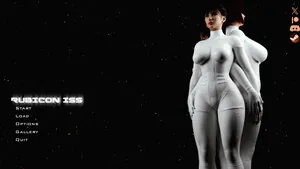
The presentation favors an atmospheric approach: subdued color palettes, illustrative character portraits, and a clean shipboard HUD that supports immersive reading and slow tension. Visual transitions are designed to be cinematic yet unobtrusive, with emphasis on close-ups during personal scenes and schematic overlays during systems work. The audio supports mood with restrained ambient tracks and contextual cues for alarms, communications, and environmental changes; sound design is used sparingly to maintain the sense of isolation and distance central to the narrative.
Level Structure and Challenge Systems
Each episode is structured as a sequence of linked nodes—dialogue, investigation, maintenance, and decision points—rather than discrete action levels. Challenge arises from resource scarcity, time-limited decisions, and competing priorities: you may need to choose between repairing a communication array or conserving power for life support, and those trade-offs have lasting consequences. Randomness is intentionally limited; the game emphasizes meaningful choice and the consequences of planning or neglect.
Accessibility, Offline Play, and User Experience
Rubicon ISS is a single-player experience designed to be playable offline, so you can continue episodes without persistent network access. Accessibility options include adjustable text size, subtitle toggles, and a color-contrast mode to aid readability. Difficulty settings allow players to reduce resource pressure or disable time-limited prompts for a more contemplative experience. The pacing and episodic design make it simple to pause and return between sessions, and the UI accommodates both portrait and landscape orientations for comfort.
Version Information and Ongoing Development
Episode 1 – Version 0.1.7 introduces the premise: a mission launched by the Proxima Space Agency to investigate a Tau Ceti blackout roughly fifty years into a relativistic voyage. As an early release, the current build focuses on core narrative systems, crew interaction, and the investigative framework; future updates are intended to expand episode content, add more ship systems and logs, and refine accessibility and balance based on player feedback. If you appreciate slow-burn science fiction, character-driven dilemmas, and methodical investigation, Rubicon ISS offers a thoughtful episodic experience that rewards careful decisions and close attention to detail.
- No virus
- No advertising
- User protection
Information
- File size: 267.00 M
- Language: English
- Latest Version: 0.1.7
- Requirements: Android
- Votes: 367
- Package ID: com.game.rubicon.iss
- Developer: TNC Studio
Screenshots



















Explore More
Recapture the magic of classic gaming with our new fast-paced arcade extravaganza! Simple and addictive, get ready for high scores galore. With bright retro graphics and pulse-pounding beats, it’s nonstop action right from the start. Tap into your reflexes and dexterity to overcome high-speed challenges. Face off against devious enemies and formidable bosses. Unlock new levels, power-ups and secrets as you advance.
JayaBet v1.1.1

The last picture

Suburban Sin

Sisterly Camp

Restore Her Career

LEWD Fantasy: MIDNIGHT SEMESTER

Extreme Dino

PlayWin v1.0.3