

Introduction
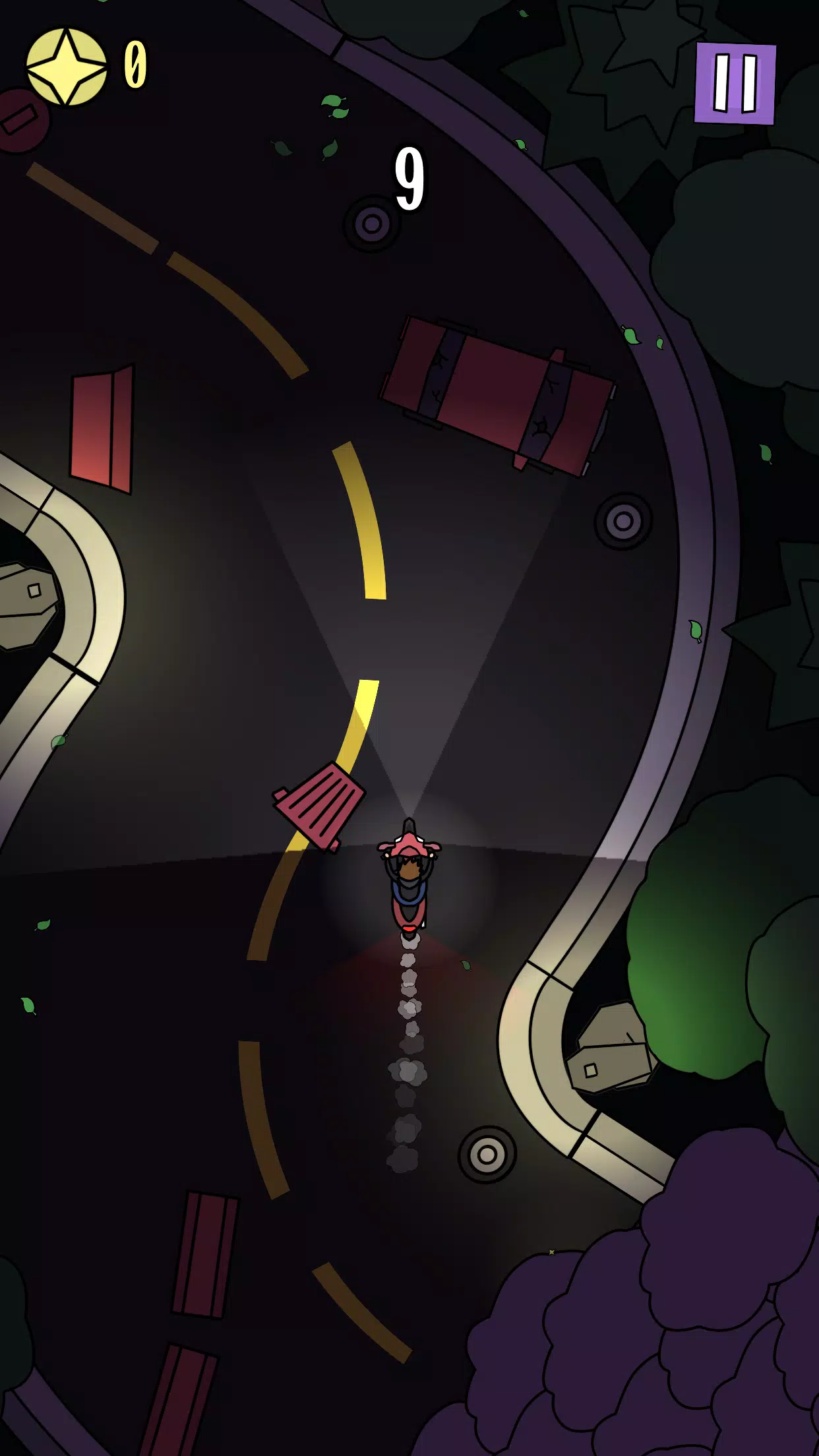
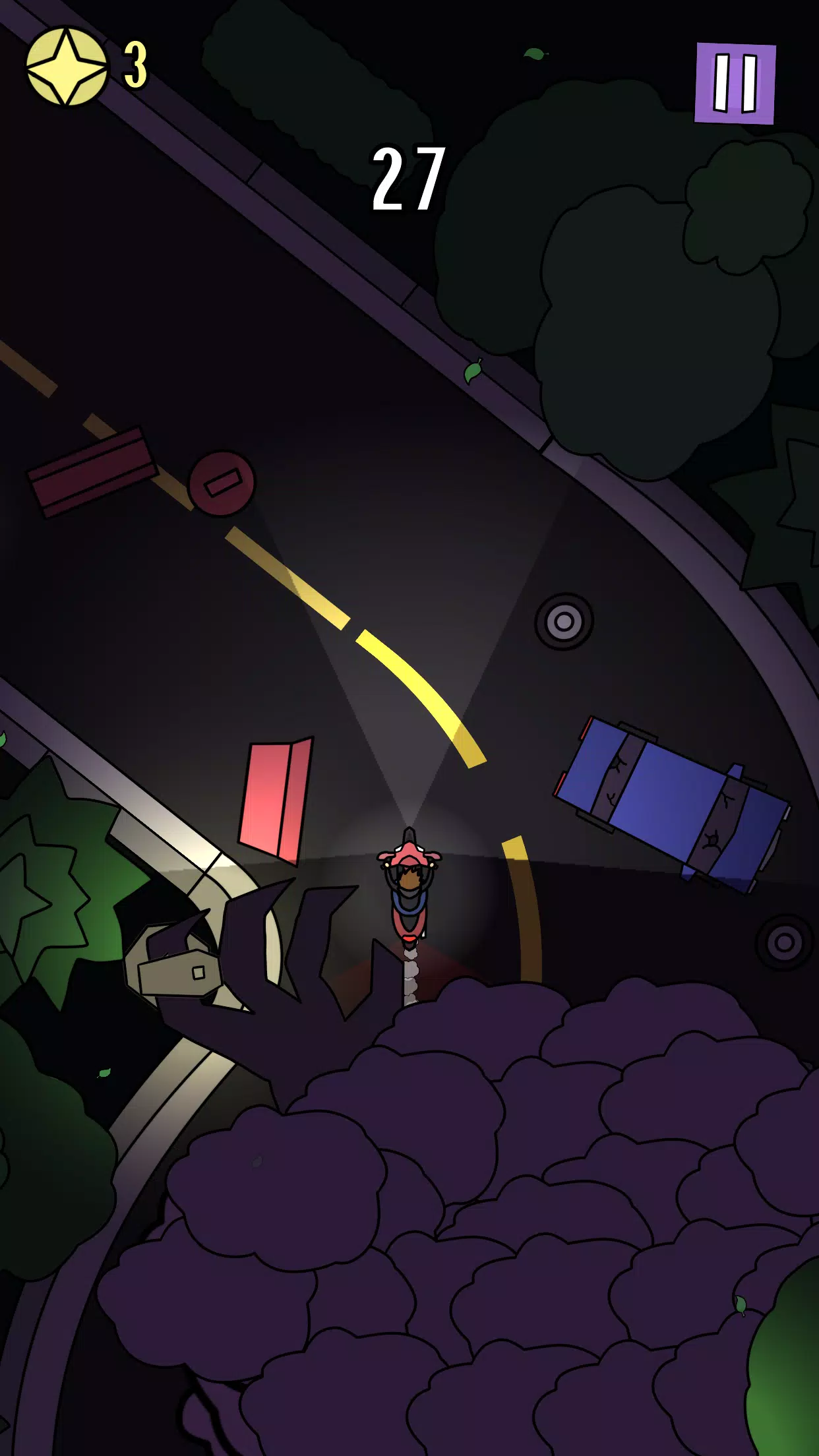
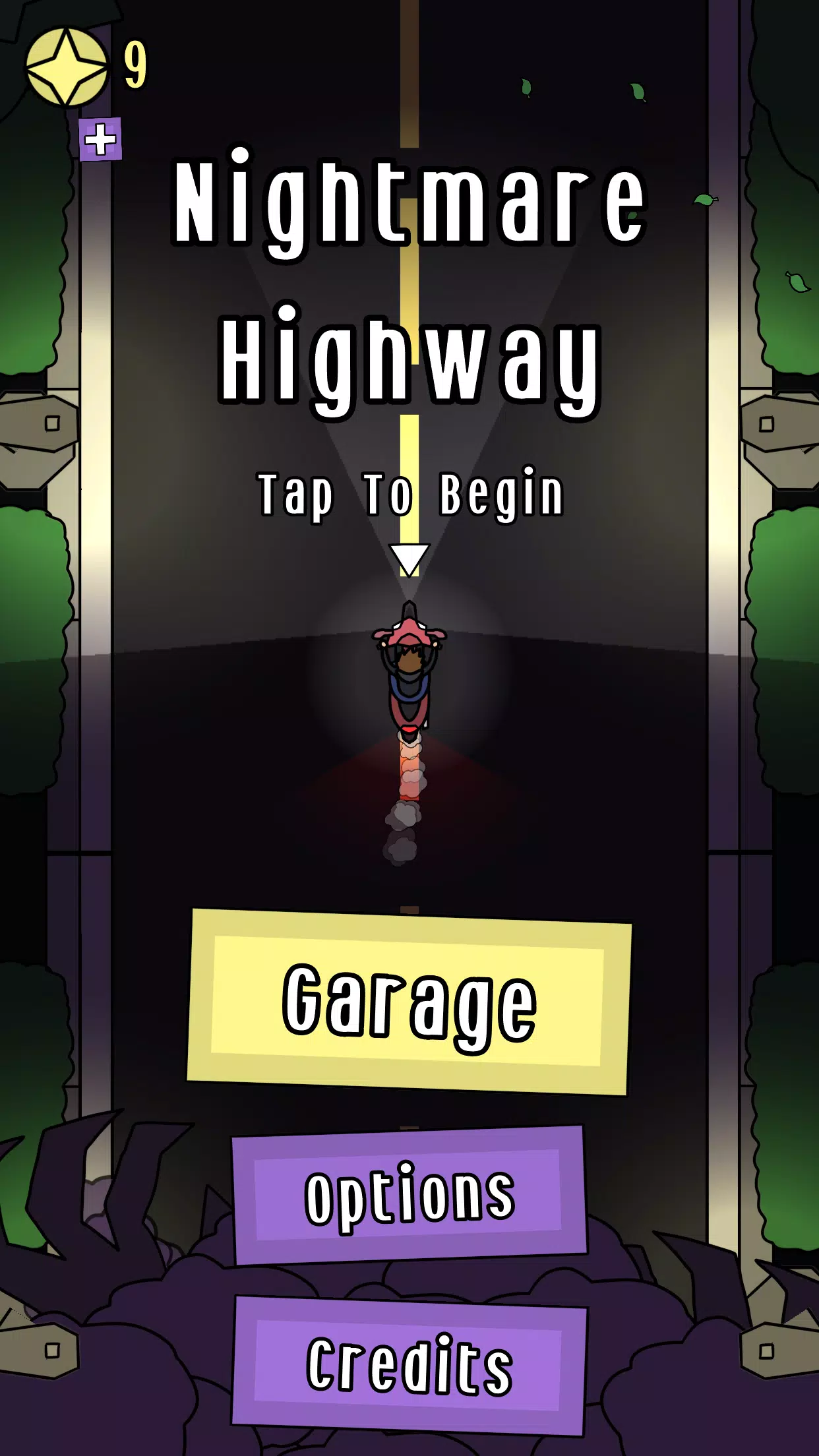
Nightmare Highway drops you onto a moonlit stretch of asphalt where reflexes and timing decide how far you survive. Nightmare Highway is an arcade-style motorcycle runner that asks you to tap left and right to steer, weave between hazards, and keep a pursuing shadow from closing the gap. The first minutes quickly establish the core tension: every impact with roadside debris or obstacle pushes the shadow closer, and each run becomes a careful balance of risk and reward as you collect coins to unlock new bikes and improve your chances on the next attempt.
Gameplay and controls
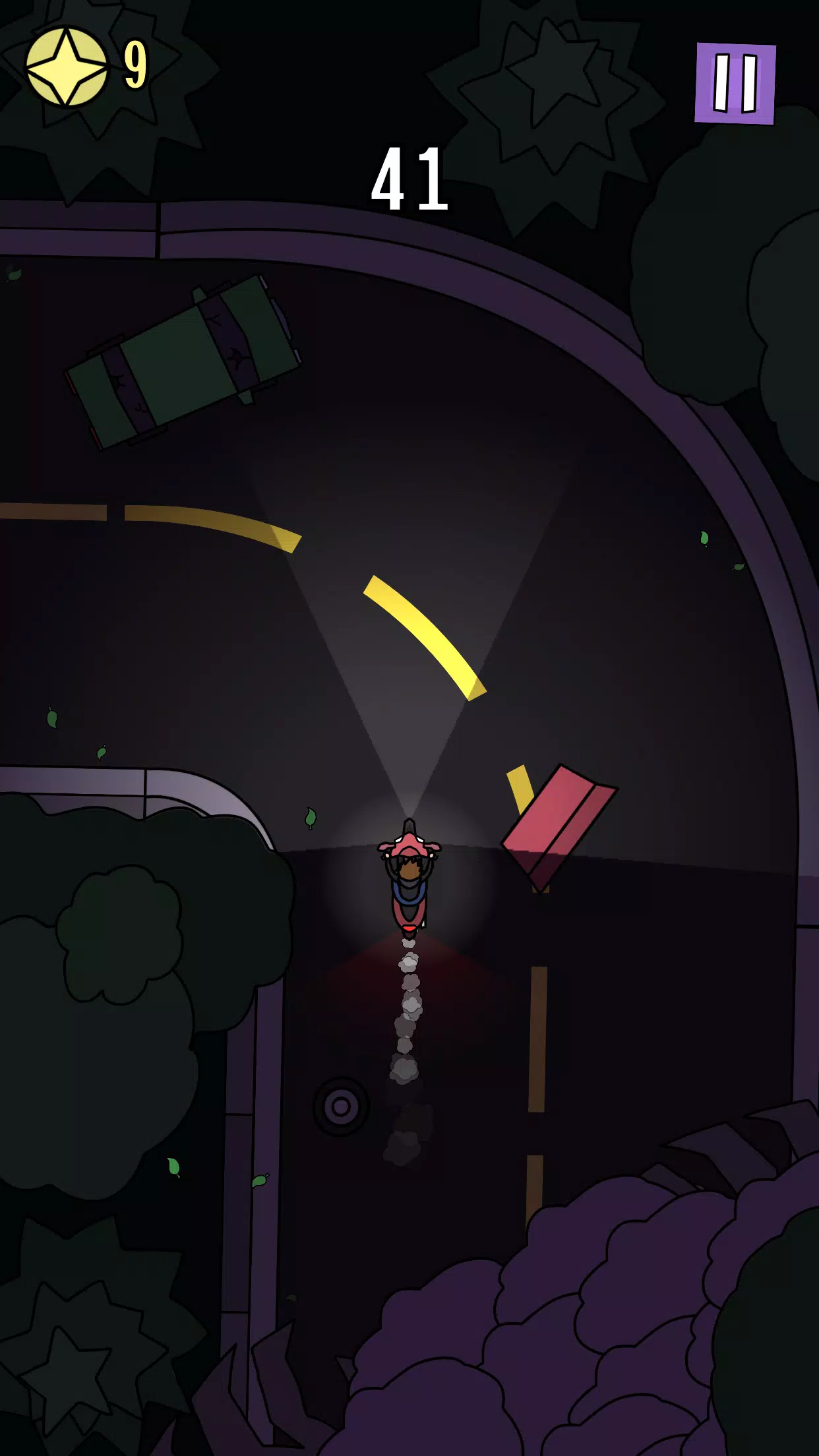
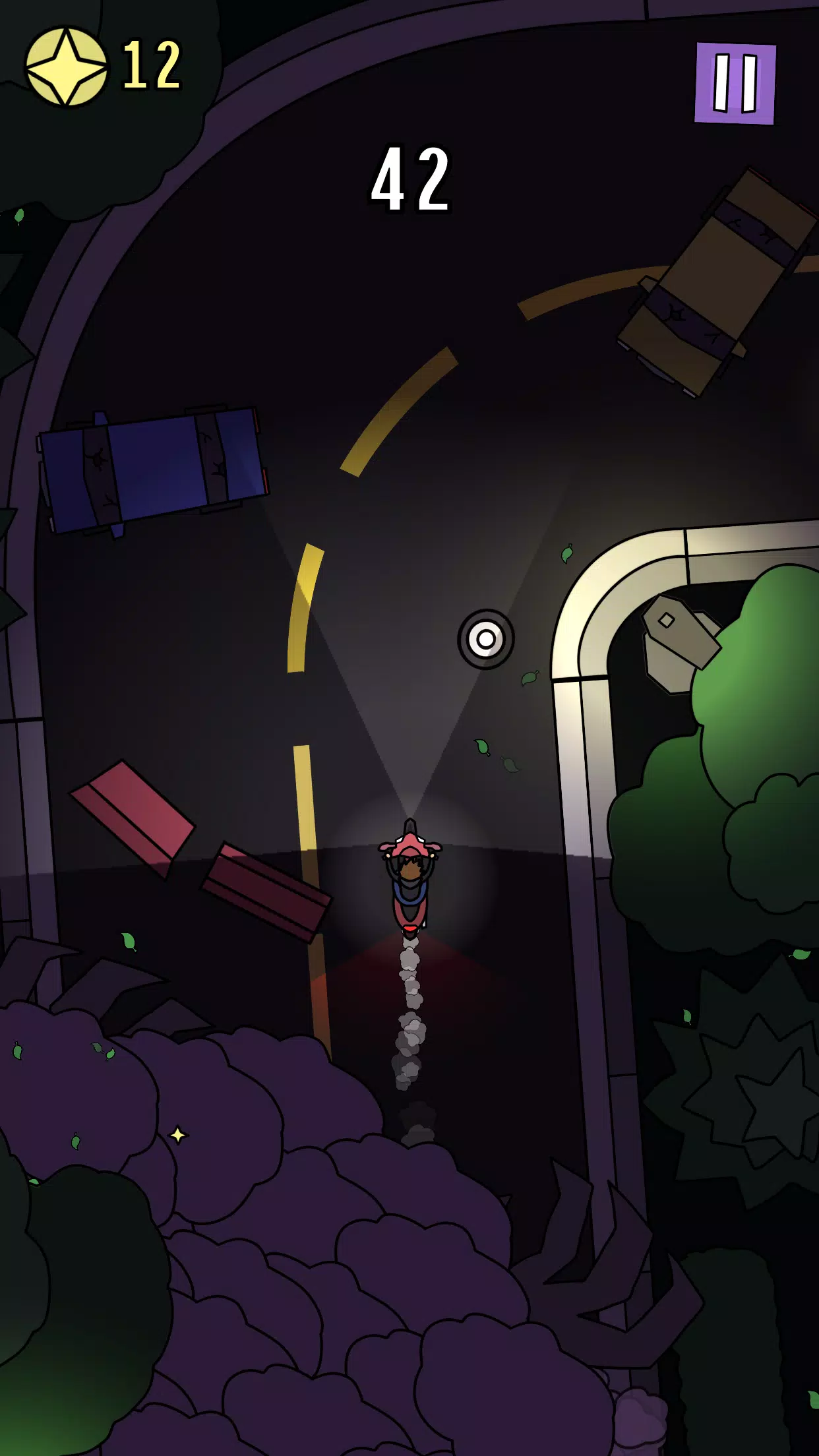
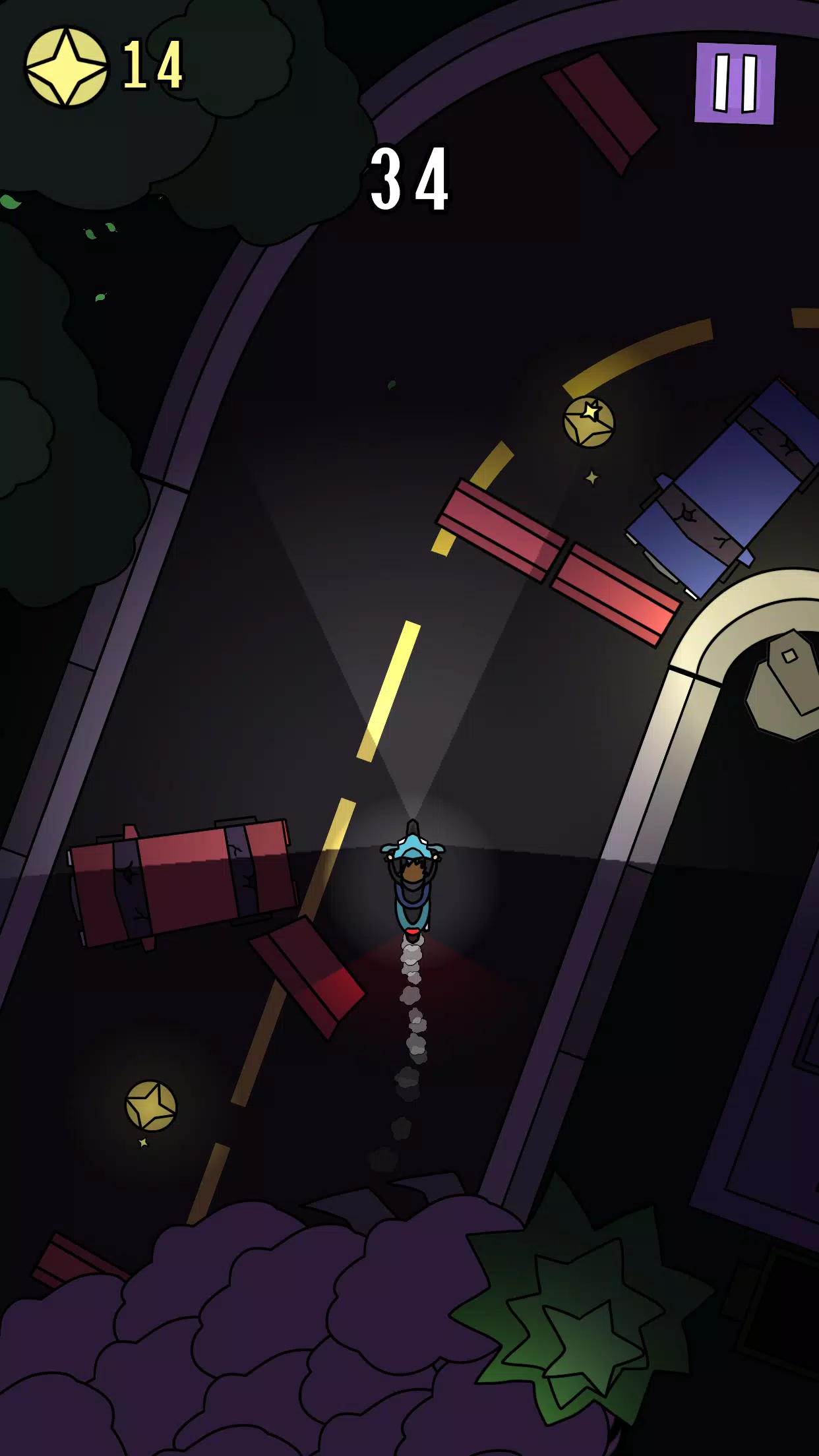
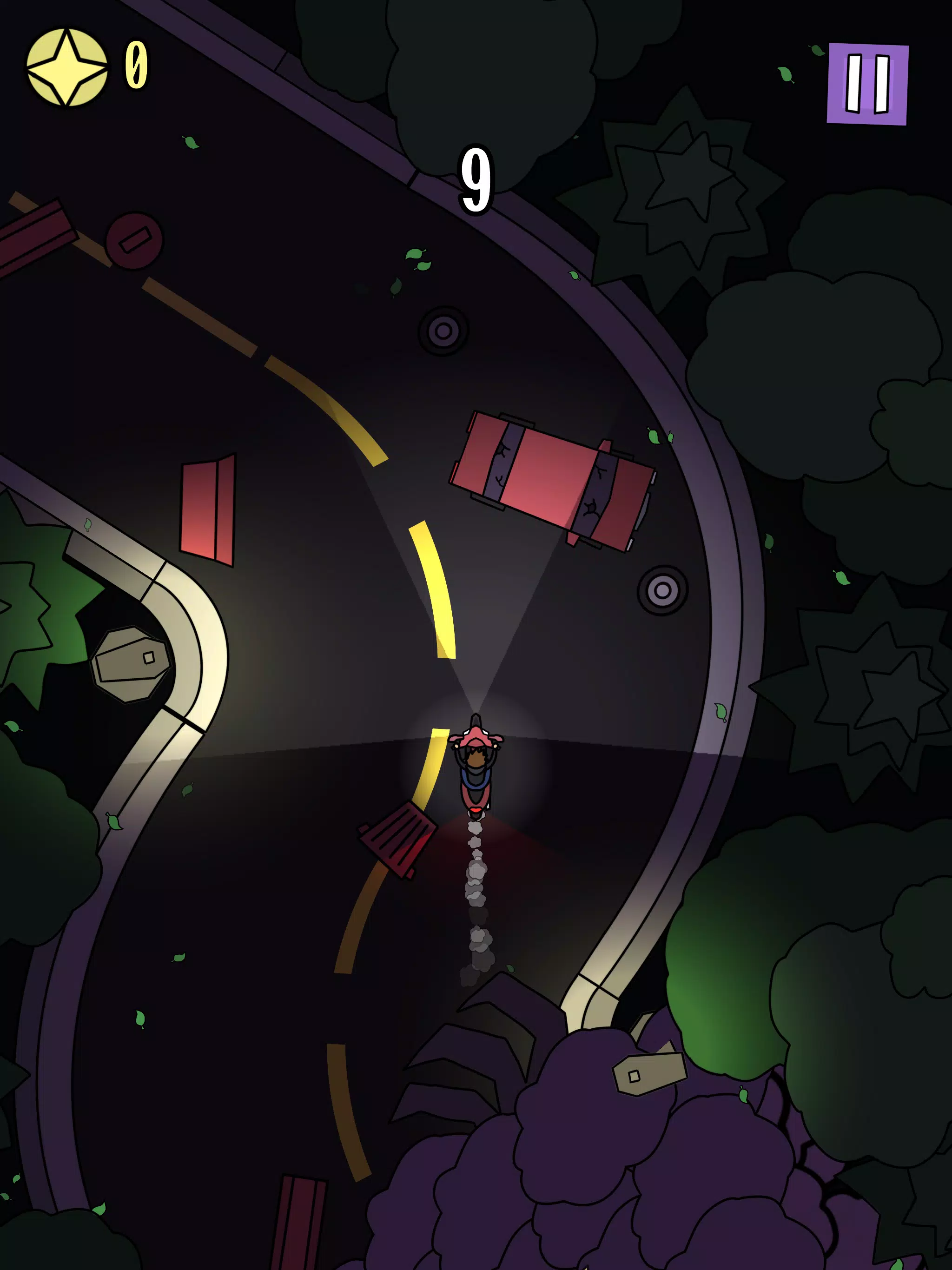
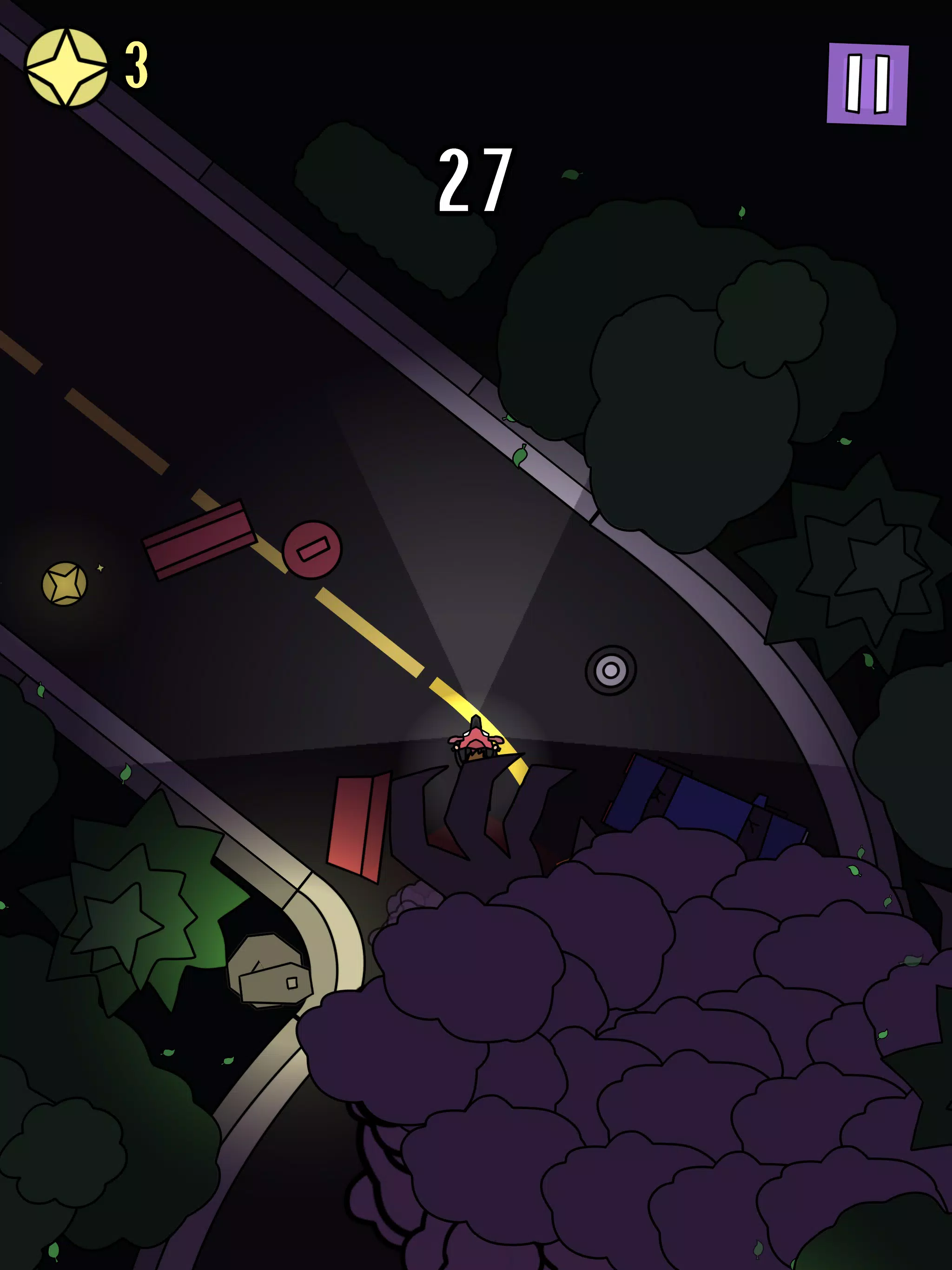
The gameplay is intentionally simple but precise, designed for short sessions and tight input. Tapping left or right moves your bike into adjacent lanes; the controls respond to quick, repeated inputs and small, deliberate taps alike so the game works well for one-handed play. Obstacles include loose gravel, broken signs, and traffic remnants that require instant corrections, while occasional clear stretches let you focus on coin collection. The shadow mechanic adds continuous pressure, so choices are immediate: chase a coin in a narrow gap or hug a safer lane to keep distance from the pursuer. Visual and audio cues are used to communicate incoming hazards, helping players refine their timing as they learn each pattern.
Progression and customization
Progress in Nightmare Highway centers on a run-to-run economy where collected coins unlock new motorcycles and visual customizations. Each motorcycle has its own visual identity and encourages slightly different playstyles, with some bikes feeling more stable and others offering a livelier handling impression; this creates meaningful decisions when selecting a ride for a particular run. Customization focuses on aesthetic options such as paint styles and minor cosmetic upgrades so you can personalize your vehicle without complicating the core challenge. The progression loop is clear and motivating: improve your skills to collect more coins, unlock additional bikes, and experiment with alternate handling feels to push farther on subsequent runs.
Visual style and audio
Nightmare Highway leans into a moody nighttime aesthetic with high-contrast lighting, long shadows, and reflective road surfaces that emphasize speed and danger. The environment shifts between foggy country stretches, neon-lit overpasses, and desolate outskirts, each offering different obstacle patterns and visibility challenges. Particle effects such as sparks and dust add tactile feedback to collisions and near-misses, while a minimal soundtrack and responsive sound design heighten tension without overwhelming the core gameplay. The result is a focused, atmospheric experience that keeps the road feeling alive even during short sessions.
Level structure and challenge systems
Runs follow an endless, escalating format: the roadway is composed of repeating but varied segments that increase in difficulty as you progress. Obstacle density, shadow speed, and environmental complexity ramp up to create a steady difficulty curve that rewards learning and memorization of common sequences. The pursuing shadow acts as a constant timer that reacts to collisions and mistakes rather than a fixed countdown, which encourages careful play and quick recovery. Risk-versus-reward lanes are frequently placed to tempt players with coin-rich—but hazardous—routes, creating meaningful choices and improving replayability as you chase higher scores and longer streaks.
Replay value and player experience
Short, tense runs are central to the appeal of Nightmare Highway, making it a great fit for quick commutes, waiting for appointments, or brief breaks. The combination of unlockable bikes, cosmetic variety, and an escalating chase mechanic gives players concrete goals to pursue beyond simply beating a previous distance. Tracking personal bests and refining techniques creates a satisfying loop: even small improvements in steering and timing translate into noticeably longer runs. Because sessions are intended to be brief but intense, the game avoids long, drawn-out levels while still offering long-term motivation through collection and experimentation with different bikes.
Accessibility, settings, and offline play
The design emphasizes accessibility through intuitive touch controls and clear visual indicators for incoming threats, helping new players get comfortable quickly while leaving room for advanced skill expression. Sound and vibration settings can be adjusted to match player preferences, and the control scheme is optimized for responsive, low-latency input on a wide range of devices. Nightmare Highway is playable offline for casual sessions without an internet connection, so you can practice and pursue personal bests whether connected or not. The overall experience focuses on immediate feedback and learning, which makes it easy to pick up but challenging to master.
Tips for new players
When you first start playing Nightmare Highway, prioritize lane discipline and avoid risky coin runs until you’re comfortable with the timing of obstacles. Use early runs to learn common patterns and how the shadow advances after collisions; building a small buffer early in a run often pays off later as the road tightens. Experiment with unlocked bikes to find a handling profile that matches your reflexes, and treat each attempt as practice: small, consistent improvements will add up and create deeper satisfaction over time.
- No virus
- No advertising
- User protection
Information
- File size: 33.50 M
- Language: English
- Latest Version: 2.2
- Requirements: Android
- Votes: 292
- Package ID: com.adknown.nightmarehighway
- Developer: Adknown Games
Screenshots















Explore More
Looking for some quick gaming fun? Our new super-casual game is perfect for entertaining bursts in your busy day. With simple, intuitive gameplay crossed with challenges that engage your brain, you'll keep coming back again and again. No complex controls or tutorials - just open and play anywhere, anytime. Vibrant art style and upbeat music create a lighthearted experience.

Maya’s Mission
Dungeon Village 2

Baba Wild Slots

Shadowverse CCG

Dance School Stories

Ski Challenge

Raid & Rush - Heroes idle RPG

Antistress: Relaxing Toy Games