


Introduction
Zombie Concept is an alpha-stage Android prototype that offers testers an early look at a cooperative survival experience focused on team play, resource tension, and emergent encounters. This build was distributed to a limited group of testers to explore foundational mechanics and to observe how small-team coordination shapes encounters; while the project is no longer in active development, Zombie Concept remains a useful archive for players and developers interested in early-stage co-op design.
Key features and experimental systems
The prototype concentrates on a few core ideas rather than a polished feature set. Players encounter scavenging loops, simple resource management, and situational teamwork mechanics that encourage sharing supplies and covering each other during confrontations. Enemy behavior in this alpha is intentionally reactive to player positioning to produce emergent moments rather than scripted sequences. The build intentionally uses placeholder assets and pared-back systems so testers can evaluate balance, pacing, and how cooperative tactics unfold in real play sessions.
Gameplay mechanics and encounter design
Gameplay in this alpha emphasizes short, tense runs rather than long-term campaign progression. Testers will find basic scavenging, a light crafting or improvised equipment layering (using found items to alter tools briefly), and limited consumable management that forces trade-offs during cooperative play. Encounters are designed to reward coordination: flanking, distraction, and non-verbal positioning are viable approaches alongside straightforward confrontation. Because systems are experimental, many interactions are intentionally simple to make it easier to observe tester behavior and iterate on encounter rules.
Controls and input
Controls are tailored for Android devices with on-screen touch input: a virtual joystick for movement, context-sensitive buttons for interaction and item use, and simple aim/target assists for close-quarters situations. The control scheme aims to be intuitive for mobile testers while exposing areas where responsiveness or layout could be improved. In many test configurations the build also accepts common gamepad input if a tester connects an external controller, but the primary design assumes touch-first interaction and compact button mapping for quick decisions.
Progression, goals, and session structure
Progression in this prototype is intentionally limited and session-scoped. There are no persistent meta-progression systems or ranked modes in this alpha; instead, each run focuses on short objectives, improvised loadouts, and emergent story fragments created by player choices. Levels are structured as compact, interconnected spaces that support repeated runs and varied tactical approaches, which helps testers evaluate replay value based on encounter variability and team decision-making rather than long-term unlocks.
Visual style and level design
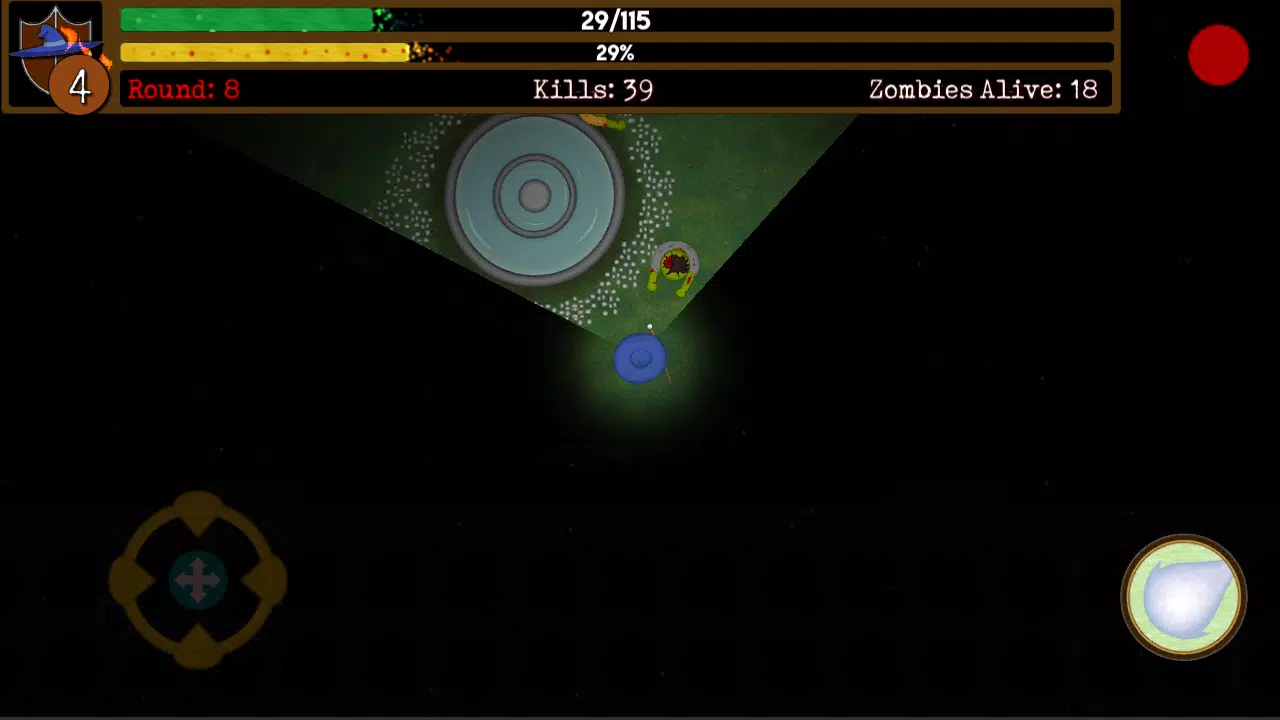
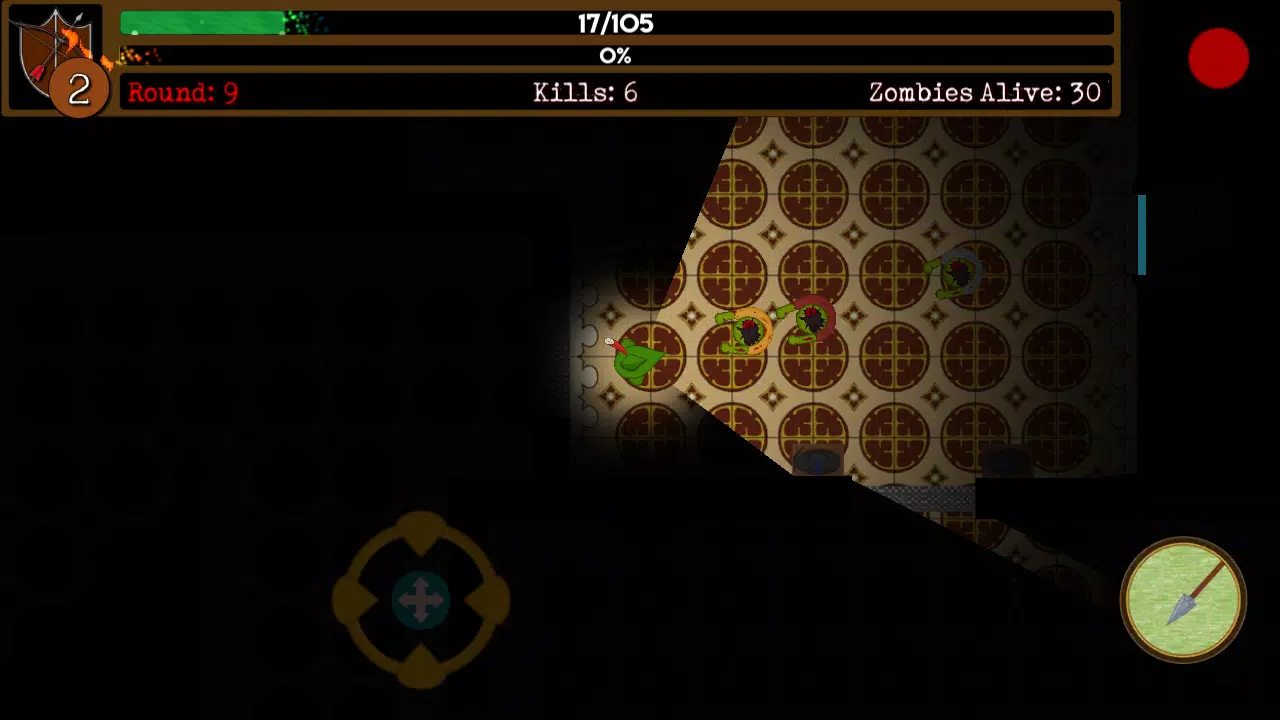
The visual presentation in Zombie Concept is utilitarian by design: placeholder models, basic lighting tests, and modular level pieces give a clear sense of spatial flow without final art polish. Level design favors modular rooms and chokepoints that generate unpredictable enemy interactions and force teams to adapt. This approach highlights pacing and spatial readability so testers can comment on sightlines, cover use, and how environments shape cooperative strategies.
Customization, accessibility, and user experience
Customization options in the alpha are modest: testers can modify simple equipment loadouts, tweak basic control sensitivity, and choose from a small set of visual toggles. Accessibility considerations are present in the form of adjustable sensitivity, an option to simplify input prompts, and clear on-screen icons to reduce clutter. The user experience prioritizes clarity over visual flourish so that the focus remains on gameplay feedback and how players coordinate under pressure.
Offline behavior, stability, and intended audience
Zombie Concept is distributed as an offline test build intended for a small audience of engaged testers. It does not include polished networking, leaderboards, or long-term cloud services; saves and session persistence may be limited, and instability is to be expected. Because active development has ceased, no further updates or official support will be issued. The build is best suited for players comfortable with experimental software and for developers or enthusiasts studying early design choices.
Replay value, challenges, and testing notes
Despite its prototype status, the alpha offers replay value through emergent encounters, cooperative improvisation, and varied tactical options within compact levels. Challenge escalates through encounter placement and resource scarcity rather than enemy scaling, which highlights decision-making under pressure. Testers should note that bugs, balance quirks, and incomplete systems are part of the package; these characteristics are useful for understanding how the concept evolved and for learning from the design decisions captured in this archival snapshot of Zombie Concept.
- No virus
- No advertising
- User protection
Information
- File size: 28.40 M
- Language: English
- Latest Version: 1.10.0
- Requirements: Android
- Votes: 193
- Package ID: com.taogames.zombieconcept
- Developer: Kraken Apps
Screenshots















Explore More
Gather around for game night anytime, anywhere with our new mobile board game. Play digital versions of classics like chess, checkers, backgammon and more against friends or AI opponents. With smooth online multiplayer, you can challenge players worldwide or create private games. Customizable boards, pieces, and house rules allow you to tailor the experience. Compete in daily tournaments or just play for fun.

Catgirls From My Sweet Dream - Neko Girls Android

Mushoku Harem

Blonde Blazer Clicker

Volleyball Strip Special Nico!

Cross Academy - Glass Garden

Guardians of L.U.S.T.

PK XD Explore Universe
Crafting And Building 2020