


Introduction
Grow Schedule: Business Dealer puts you in the manager's seat of a compact indoor production operation, blending careful planning with hands-on scheduling to expand output and improve product quality. This editor-style introduction explains how the game balances time management, resource allocation and strategic upgrades so you can scale a small facility into a more efficient enterprise while responding to changing customer demand.
Gameplay and core mechanics
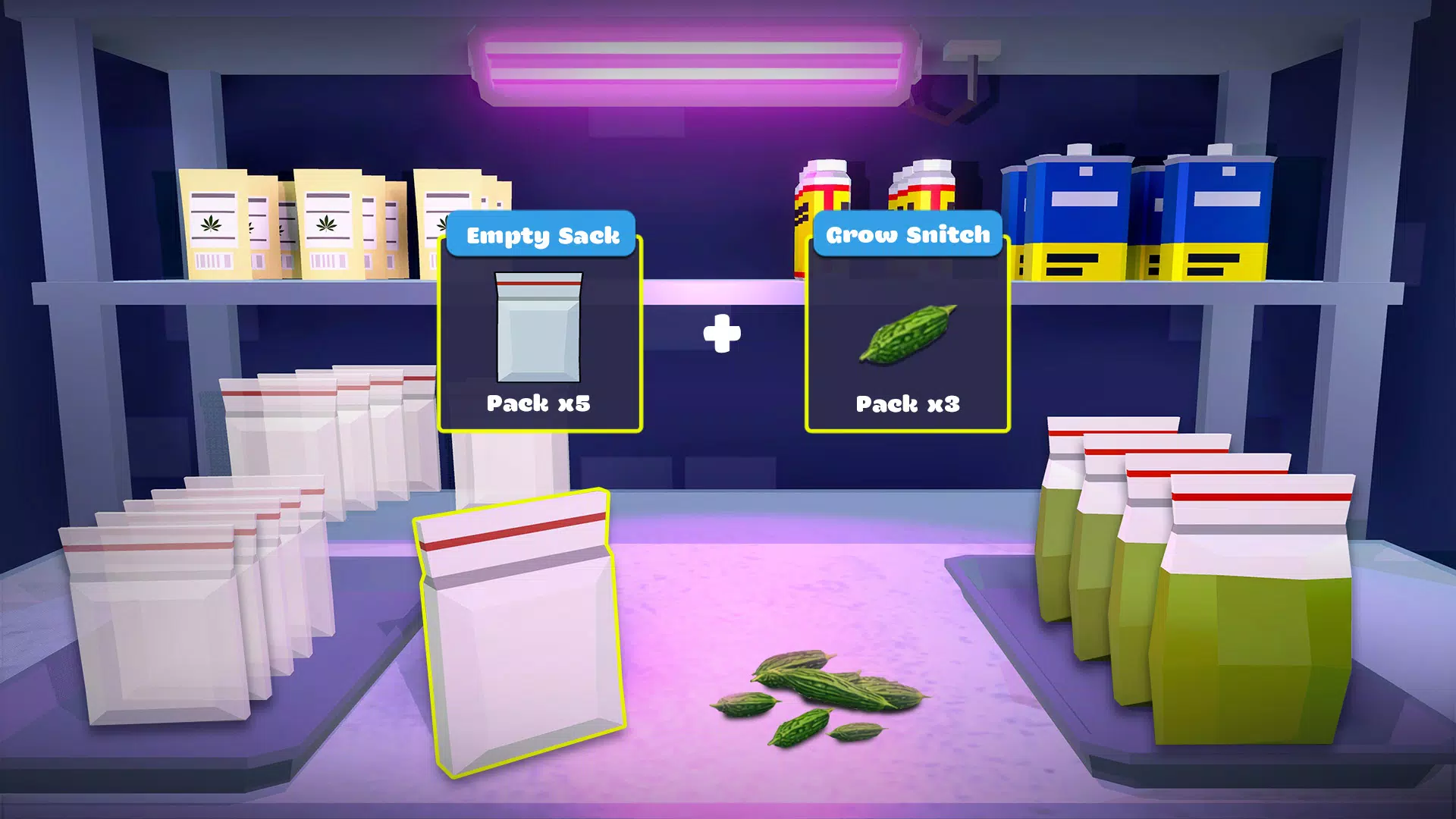
The core loop focuses on sequencing tasks across planting, nurturing, harvesting and processing phases, where each choice influences yield, consistency and turnaround time. You build daily schedules, assign workers and sequence machinery to avoid bottlenecks, and you must weigh the trade-off between speed and quality. Production follows a day-cycle model with some actions that complete instantly and others that require waiting, so planning and anticipation are vital. Inventory and storage play a role as well; managing stock levels and timing shipments to meet orders affects reputation and revenue. The simulation encourages iterative improvement: small layout or timing changes can cascade into notable efficiency gains.
Controls and user interaction
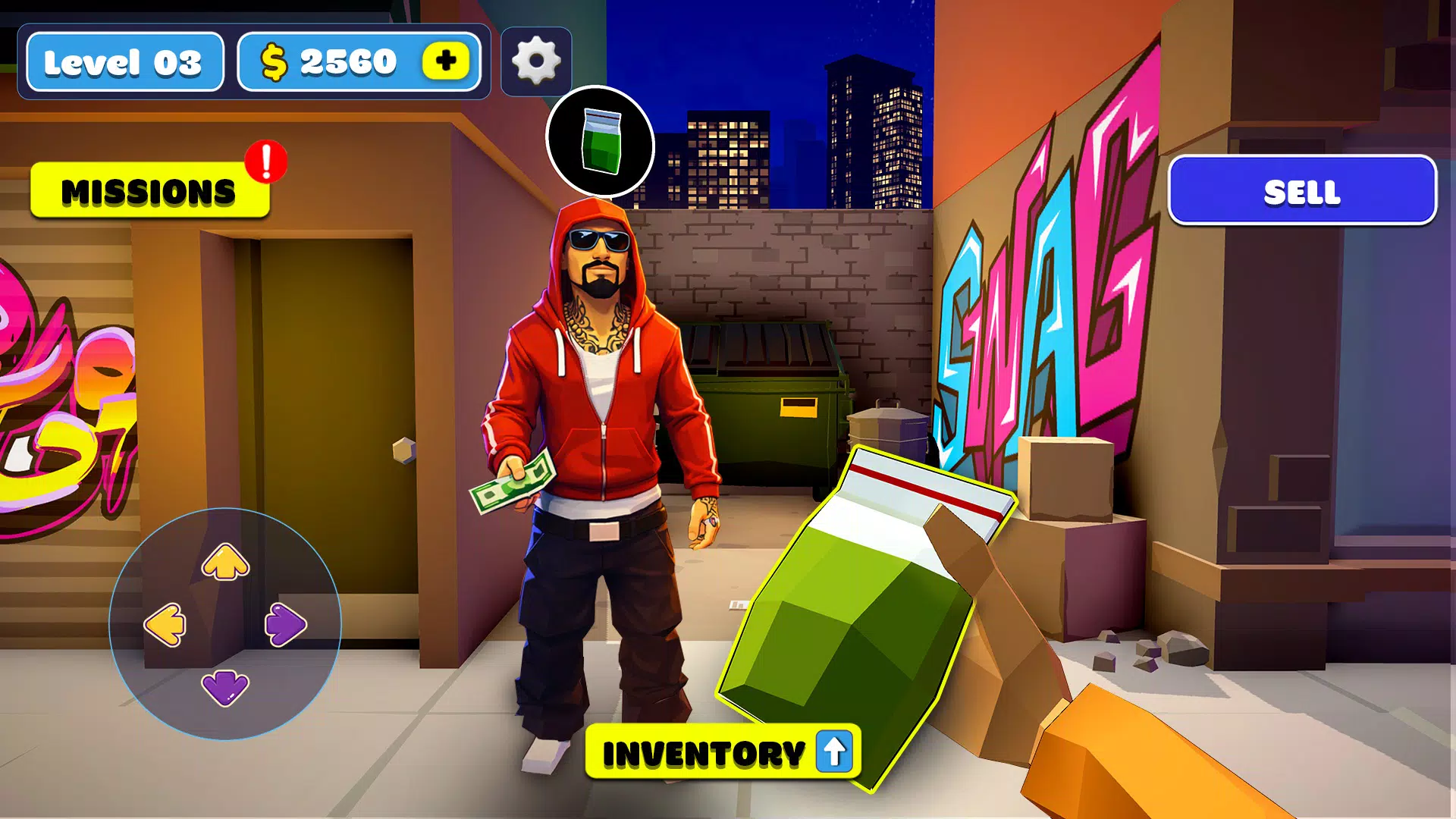
Designed for touch devices, the interface uses taps, long presses and drag gestures to move items, assign tasks and rearrange equipment. The UI groups related functions to keep common actions a single tap away, while contextual tooltips introduce systems gradually so new players are not overwhelmed. Batch operations and preset schedules let you scale repetitive tasks without micromanaging every step once processes are stable. Important indicators—like pending orders, equipment cooldowns and worker availability—remain visible so decisions are based on clear information rather than guesswork.
Progression, upgrades and level structure
In Grow Schedule: Business Dealer progression is driven by mission objectives and customer orders that unlock new tools, larger rooms and higher-grade supplies. Equipment follows a logical upgrade path where basic tools lead to specialized machinery that cuts labor time or improves product uniformity. Levels are presented as scenario challenges with their own constraints—limited budget, unusual customer preferences or restricted floorplans—that encourage adapting strategies rather than repeating one approach. Completing scenarios opens new challenges and provides the resources to experiment with different layouts and production philosophies.
Customization and personalization
Customization centers on optimizing workflows and tailoring the facility to your strategy. You can reorganize production areas, set default routines for recurring tasks and decide which pieces of equipment to prioritize for upgrades. These choices influence how you approach throughput versus quality: some players will focus on high-volume operations while others prioritize premium outputs. Cosmetic options are modest and secondary to functional changes, which means personalization mostly affects playstyle and efficiency rather than purely visual flair.
Visual style and presentation
The visual design favors clarity over flash, using readable icons and modestly detailed sprites so you can monitor multiple plots at once. Animations mark critical production stages so progress is visible at a glance, and color-coding highlights alerts and bottlenecks without cluttering the screen. The interface scales to different device sizes and performance settings are available to maintain smooth play on mid-range hardware, with options to reduce animation detail for extended battery life.
Challenge systems and replay value
Challenge arises from an evolving in-game economy, scenario-specific constraints and occasional random events that force quick re-evaluation of priorities. Demand spikes, limited upgrade budgets and varied customer preferences keep scenarios fresh; solving a layout puzzle in one run rarely translates to a single optimal solution for every level. The game rewards systems thinking—tuning schedules, rerouting workflows and adjusting priorities—so revisiting levels with different constraints or upgraded equipment delivers meaningful replay value.
Accessibility, user experience and offline play
The app aims to be approachable for new and experienced players alike: step-by-step tutorials introduce scheduling fundamentals, adjustable simulation speed helps accelerate repetitive phases, and simplified control modes reduce the need for precise taps on small screens. Accessibility options include scalable text and an option to limit visual effects. Offline single-player play is supported so you can manage your operation without an internet connection, and autosave features preserve progress between sessions while optimization choices reduce battery drain during long runs.
Who will enjoy this game
If you like methodical simulation, careful resource allocation and gradual progression, Grow Schedule: Business Dealer delivers a focused single-player management experience with depth to reward experimentation. Players who enjoy tweaking layouts, testing upgrade paths and refining daily schedules will find the game particularly satisfying as they chase greater efficiency and higher-quality outputs across varied scenarios.
- No virus
- No advertising
- User protection
Information
- File size: 190.10 M
- Language: English
- Latest Version: 1.0.34
- Requirements: Android
- Votes: 335
- Package ID: com.schedule.I.simulator
- Developer: Take Top Entertainment
Screenshots





















Explore More
Are you searching for an enjoyable method to strengthen your intellect? Our hottest logical puzzle is tailor-made to offer a stress-free pastime experience. With beautiful graphics and chill background music, you can immerse yourself in an engaging world of logic and critical thinking. Solve increasingly tricky levels at your own pace, with no time pressure or lives system.

Help Girl Match

Jigsaw Cards
![A CORE Beyond [Preview] APK](https://imgdownload.juxia.com/upload/202610/19/88a9bJn0r9bAHji.webp)
A CORE Beyond [Preview]

Mita’s Playhouse

Lucky Lucy

Passions Uncharted

Remote rape on the train

Julia and the Office