
Introduction
TTS Lontong is a playful Indonesian puzzle app that blends short, witty riddles with a casual interface designed for brief play sessions and shared laughs. In TTS Lontong each challenge focuses on concise wordplay rather than traditional crossword grids, so the puzzles reward lateral thinking, puns, and a sense of humor. This introduction highlights how the game feels in daily use, how puzzles are structured, and what to expect from controls, progression and community features without leaning on promotional hyperbole.
Gameplay mechanics
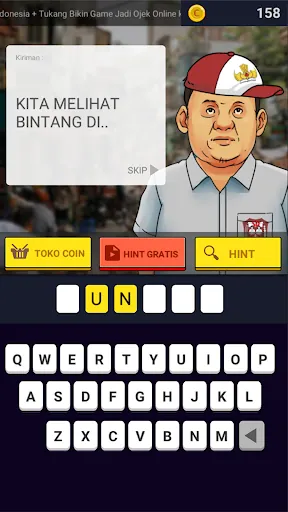
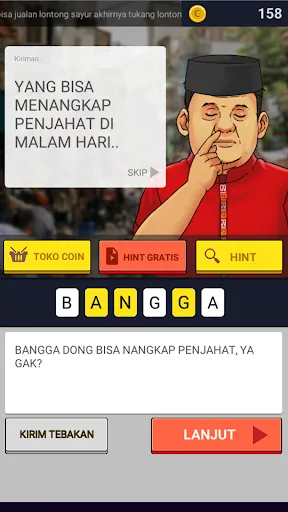
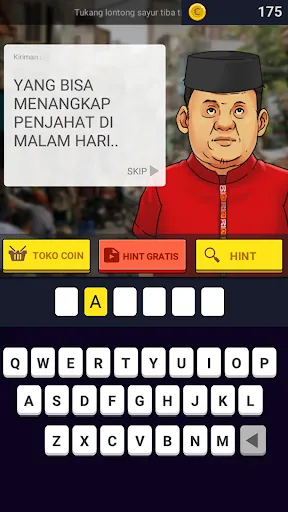
The core experience in TTS Lontong is solving teka-teki sulit: compact, intentionally tricky riddles that often have a surprising or humorous answer. Puzzles are presented one at a time with a short prompt and an input area for your solution. Many clues rely on double meanings, homophones, or cultural references, so success comes from reading carefully and thinking laterally rather than scanning a grid. The game balances instant “aha” moments with occasional brain teasers that encourage you to try different interpretations of a phrase.
Controls and input
Controls are simple and optimized for touch devices: tap a puzzle to open it, type your answer in the provided field, and submit. The input box accepts standard keyboard typing and supports quick editing so players can try alternate answers without losing context. Navigation between puzzles uses obvious on-screen buttons and swipe gestures where appropriate, keeping the flow rapid for short sessions. The interface minimizes clutter so most of the screen is dedicated to the riddle and answer area.
Progression and level structure
Rather than a strict linear campaign, puzzles in TTS Lontong are grouped into difficulty tiers and thematic packs that let players choose a comfortable level of challenge. Early tiers introduce the common wordplay types used throughout the game; later tiers layer in cultural references and more subtle phrasing. Progression is designed to feel incremental: as you solve more puzzles you naturally move into tougher packs, and repeated play helps you recognize patterns and creative approaches to answers.
Visual style and presentation
The visual approach is light and functional, emphasizing clear typography and uncluttered layouts so the words remain front and center. Humorous illustrations and small decorative elements punctuate puzzles without distracting from the clue. Color choices favor legibility and a friendly tone rather than flashy effects, helping the game remain approachable for a wide range of users and reading conditions.
Customization and accessibility
TTS Lontong includes basic customization options to improve readability and comfort: adjustable text size and contrast settings help players with vision differences, and a simple layout reduces cognitive load for focused solving. The clean UI supports screen magnifiers and system-level accessibility tools on Android. These options make the puzzles usable in short bursts and for longer relaxed sessions according to personal preference.
Challenge systems and hints
The app offers a modest hint system to ease players through particularly stubborn riddles: hints provide subtle nudges rather than full answers, preserving the satisfaction of solving. A skip option is available when you prefer to move on, and you can return later if you want to attempt a skipped riddle with fresh perspective. These mechanics maintain a balance between challenge and accessibility without introducing timed pressure.
Community submissions and contributor credit
One of the distinguishing aspects of TTS Lontong is its community submission feature: players can create and send their own riddles to the developer for review. Accepted entries are added to the puzzle pool and credited to the contributor by name, which encourages creative participation while keeping editorial control centralized. This model helps the puzzle set grow organically over time and introduces fresh perspectives from the player base.
Replay value and longevity
Replayability comes from variety in riddle styles and the periodic addition of community-created puzzles. Even familiar clue types can feel new when the wording or cultural twist changes, and the practice of proposing your own riddles offers a different creative outlet. Because rounds are short, the app fits into small breaks during a day while still offering enough depth to return repeatedly.
User experience and offline play
The user experience emphasizes quick startup and minimal loading so puzzles are ready whether you have a few minutes on the commute or a longer quiet spell at home. TTS Lontong is suitable for offline play for the core puzzle set, with community submission and updates functioning when a connection is available. The design aims for low friction: clear prompts, immediate feedback on correct answers, and unobtrusive transitions between puzzles.
Who should try it
This app is a good match for casual puzzle fans, learners of Indonesian who enjoy playful language, and anyone who likes short mental challenges without committing to long sessions. If you prefer classic crossword grids or strictly serious content, some puzzles may feel too cheeky; for players who enjoy clever phrasing and community-driven content, TTS Lontong offers an accessible and evolving collection of word riddles with straightforward controls and thoughtful presentation.
- No virus
- No advertising
- User protection
Information
- File size: 35.90 M
- Language: English
- Latest Version: 3.8
- Requirements: Android
- Votes: 480
- Package ID: com.gambirstudio.tekatekilontong
- Developer: Gambir Game Studio
Screenshots













Explore More
Are you searching for an enjoyable method to strengthen your intellect? Our hottest logical puzzle is tailor-made to offer a stress-free pastime experience. With beautiful graphics and chill background music, you can immerse yourself in an engaging world of logic and critical thinking. Solve increasingly tricky levels at your own pace, with no time pressure or lives system.

Stupid Sunflower

N9turbo

The Successor

Ariestogel

NOX123
Cam Master: Private Desires
Creepy Horror Stories: Text Scary Chat Stories

Pixel Flow