
Introduction
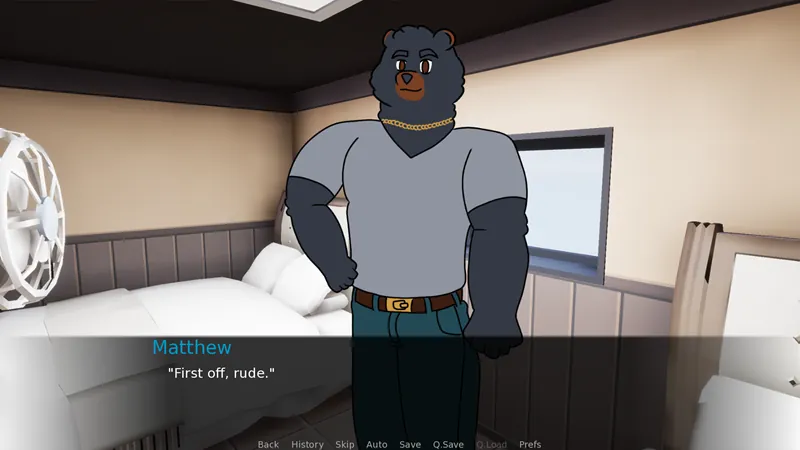
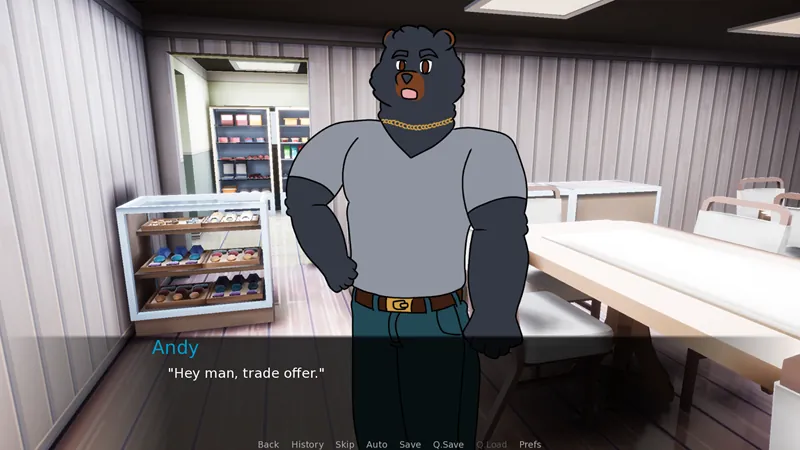
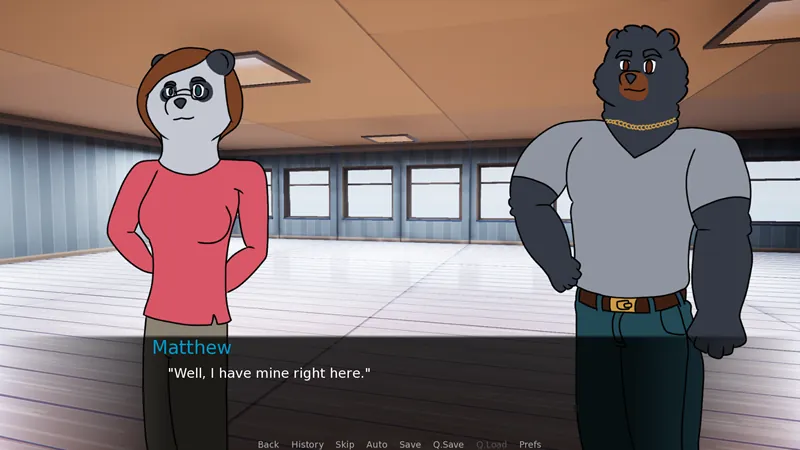
Art Building is a tense, atmospheric escape experience that follows two characters, Matthew and Andy, as they try to flee a mysterious multi-room structure. Intended for mature audiences, Art Building recommends playing in a dark room with headphones to fully appreciate layered sound design and subtle environmental cues. The core experience focuses on exploration, environmental storytelling, and a steady build of suspense rather than combat, delivering a compact narrative that keeps the player focused on puzzles, movement, and discovery.
Gameplay and Controls
The gameplay in Art Building centers on close-quarters exploration and puzzle solving within a single, interconnected location. Players interact with objects, inspect clues, and manipulate simple mechanisms to unlock new areas; interaction is designed for touch screens with intuitive tap-to-examine and drag-to-move gestures, while optional control sensitivity and button prompts help tailor the experience. Movement is deliberate and paced to enhance the mood, and stealth-like navigation through dim corridors rewards careful observation. Inventory management is minimal and contextual—items appear when needed and can be combined or used to trigger scripted events that advance the escape sequence.
Progression and Level Structure
Progression in Art Building is location-driven rather than level-based; the building contains several distinct sectors and rooms that open up as you solve environmental puzzles and locate keys or access codes. Checkpoints preserve key progress so players can pause and return without losing essential progress, while optional side rooms and locked cabinets hide narrative fragments and collectables that deepen the story of Matthew and Andy. The single-setting structure keeps the narrative tight and theatrical, encouraging players to map each area mentally and to revisit spaces as new interactions become available.
Visual Style and Presentation
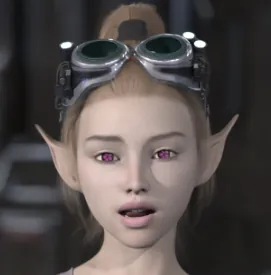
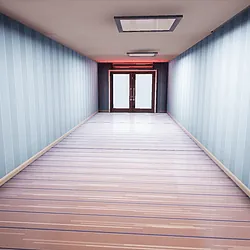
Art Building uses high-quality commercial 3D assets to create realistic interiors, textured surfaces, and moody lighting that supports the game’s claustrophobic tone. Lighting and shadow play a central role in both atmosphere and gameplay; dim corridors, flickering bulbs, and narrow windows create moments of suspense and reveal important details when closely inspected. The visual design favors subtle detail and believable materials over stylized effects, reinforcing the impression that the player is moving through a lived-in, if unsettling, environment.
Audio Design and Immersion
Sound is core to the experience in Art Building: directional audio, distant noises, and carefully mixed ambient tracks guide player attention and heighten tension. The game is best experienced with headphones to catch low-frequency rumbles, creaks, and whispered hints that can indicate hidden paths or looming danger. Audio cues are integrated with puzzles and exploration so that listening carefully becomes an integral part of solving challenges and anticipating the next encounter.
Accessibility, Settings, and Customization
To accommodate a variety of players, Art Building includes adjustable audio levels, subtitle options for all spoken and ambient cues, and configurable control sensitivity for touch interaction. A simplified control mode reduces the number of gestures required for players who prefer straightforward navigation, while a more immersive mode empowers finer control over camera rotation and object manipulation. These options make it easier to tailor the experience for comfort and accessibility without changing the core narrative or atmosphere.
Challenge Systems and Replay Value
Challenges in Art Building are derived from environmental puzzles, timed sequences, and hidden details that must be interpreted to unlock new areas. Difficulty can be tuned through hints and optional clues placed in the environment for players who prefer a guided experience; completing the game with fewer hints or uncovering every secret area provides extra satisfaction and encourages replay. Because the building contains multiple interactive objects and several optional story fragments, replaying to explore different approaches to the same rooms yields fresh perspectives and subtle narrative variations.
User Experience and Offline Play
Installation and play are optimized for local devices, and Art Building is fully playable offline so you can experience the atmosphere without an internet connection. The user interface is intentionally minimal to reduce distraction and to keep attention on the environment; contextual prompts appear only when necessary and the camera system supports both automatic and player-driven modes. Regular autosaves and clear restart points ensure that progress is preserved, making the game suitable for short sessions or extended play depending on the player’s schedule.
Content Notice
Art Building contains mature themes and unsettling imagery, including references to spiders, dimly lit spaces, and strange noises that contribute to suspense; it is recommended for players aged 18 and older. The description and settings are designed to help you decide whether the game fits your comfort level, and adjustable accessibility options provide ways to moderate intensity while preserving the intended atmospheric experience.
- No virus
- No advertising
- User protection
Information
- File size: 84.70 M
- Language: English
- Latest Version: 1.0
- Requirements: Android
- Votes: 293
- Package ID: com.thetadog.artbuilding
- Developer: ThetaDog
Screenshots












Explore More
Are you searching for an enjoyable method to strengthen your intellect? Our hottest logical puzzle is tailor-made to offer a stress-free pastime experience. With beautiful graphics and chill background music, you can immerse yourself in an engaging world of logic and critical thinking. Solve increasingly tricky levels at your own pace, with no time pressure or lives system.

Arvale Protocol
Eternum: Passive Walkthrough

VM777
The Story of a Lonely Girl in a Dark Room: Love or Hurt

Collect and Corrupt

Overworked!

Passion Industry

Baldi's Fun New School Ultimate