

Introduction
Lord of The Lost Island introduces a carefully paced, character-driven survival experience set in an early-to-mid 1900s evacuation gone wrong; as 54 survivors are stranded on an enigmatic island, you must manage supplies, relationships and exploration to reveal the island's secrets. Lord of The Lost Island places equal weight on resource systems and narrative consequences, so decisions about food, shelter and trust change both daily operations and long-term story outcomes. From the opening scenes the game asks you to balance pragmatic survival with the social dynamics of a large, varied cast.
Key Features
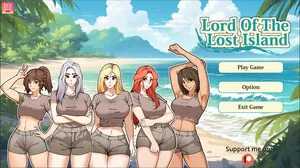
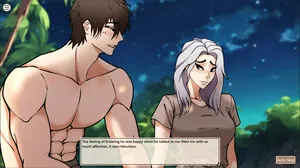
The core of the experience is its roster of 54 survivors, each with distinct backgrounds, motivations and practical skills that matter in play. Characters are written to respond differently to scarcity, authority and risk, which makes group morale and role assignment important strategic choices rather than simple stat checks. Resource systems require you to collect and allocate food, water and building materials while planning for future shortages; failure to manage these systems can create cascading problems across the camp. Exploration and discovery are tied to character arcs: locating certain ruins or caches can unlock personal quests and reveal context for interpersonal tensions, adding depth to routine scavenging runs.
Gameplay and Controls
Gameplay blends time and resource management with branching dialogue that has tangible outcomes. On mobile devices all mechanics are optimized for touch: tap to inspect scenes, drag to organize inventory and use context-sensitive gestures for crafting or assigning tasks. Dialogue menus are presented clearly, with choices that often create delayed consequences rather than immediate, obvious payoffs—this encourages thinking several days ahead when allocating actions. Daily planning features let you prioritize scavenging routes, medical attention and construction tasks, and the interface highlights urgent needs so players can make informed decisions without being overwhelmed by micromanagement.
Progression and Customization
Progression in Lord of The Lost Island comes through story beats, survivor development and tangible improvements to your camp. As survivors gain experience or reveal hidden skills, they become more efficient at particular tasks—someone skilled with tools can accelerate repairs, while a literate character may decode journal fragments that guide exploration. Camp upgrades are gradual and meaningful: better shelter components reduce resource drain, improved tools expand crafting options and certain discoveries unlock new recipes or equipment. Customization is focused on party composition and camp layout rather than appearance cosmetics—who you place in key roles will shape both daily survivability and the narrative paths available.
Exploration, Visuals and Level Structure
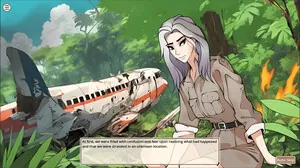
The island is organized into themed regions that transition from coastal wreckage to overgrown interiors and mysterious ruins, each area designed to encourage revisits and careful observation. The visual direction favors a muted, period-appropriate palette and detailed environmental storytelling—torn journals, abandoned bunkrooms and weathered signage provide clues to past events and to possible survival strategies. Level progression is semi-open: many zones are freely revisit-able, but some areas become accessible only after certain story milestones or when you acquire specific equipment. Environmental puzzles and hidden caches reward methodical exploration rather than fast reflexes.
Replay Value and Challenge Systems
Replayability is driven by branching narratives, variable survivor interactions and configurable challenge parameters. Different choices lead to alternative endings and unique character resolutions, encouraging multiple playthroughs to see all permutations. The challenge system lets you adjust resource abundance, event frequency and environmental severity to match your preferred level of difficulty: scale back scarcity for a narrative-first experience or intensify shortages and hazards for a strategic survival puzzle. Randomized events and shifting group morale mean that even familiar locations can present new dilemmas on subsequent runs.
User Experience and Accessibility
The game aims to be approachable without sacrificing depth: a guided tutorial covers core mechanics while tooltips and contextual help provide reminders when systems become complex. Accessibility features include scalable fonts and high-contrast UI elements to aid readability, and important information about character condition and camp status is surfaced clearly to reduce unnecessary micromanagement. Controls are streamlined for mobile play so sessions can be short and meaningful or extended depending on player preference. Offline play is fully supported after installation, allowing uninterrupted single-player sessions without a persistent network connection.
Version Information
Version 0.1 establishes the setting, core mechanics and the initial roster of survivors, laying the groundwork for future refinement and content. Early updates focus on tuning pacing, balancing resource loops and expanding narrative branches informed by player feedback; the developer intends to add more environmental puzzles, story beats and quality-of-life improvements over time. If you enjoy thoughtful survival games that emphasize character interaction and emergent storytelling, Lord of The Lost Island offers a substantial, deliberate starting point with meaningful choices and repeatable scenarios to explore.
- No virus
- No advertising
- User protection
Information
- File size: 672.41 M
- Language: English
- Latest Version: 0.1 Prologue
- Requirements: Android
- Votes: 205
- Package ID: com.DEN000.LOTLI
- Developer: DEN000 Studio
Screenshots













Explore More
Are you searching for an enjoyable method to strengthen your intellect? Our hottest logical puzzle is tailor-made to offer a stress-free pastime experience. With beautiful graphics and chill background music, you can immerse yourself in an engaging world of logic and critical thinking. Solve increasingly tricky levels at your own pace, with no time pressure or lives system.
View more