Introduction
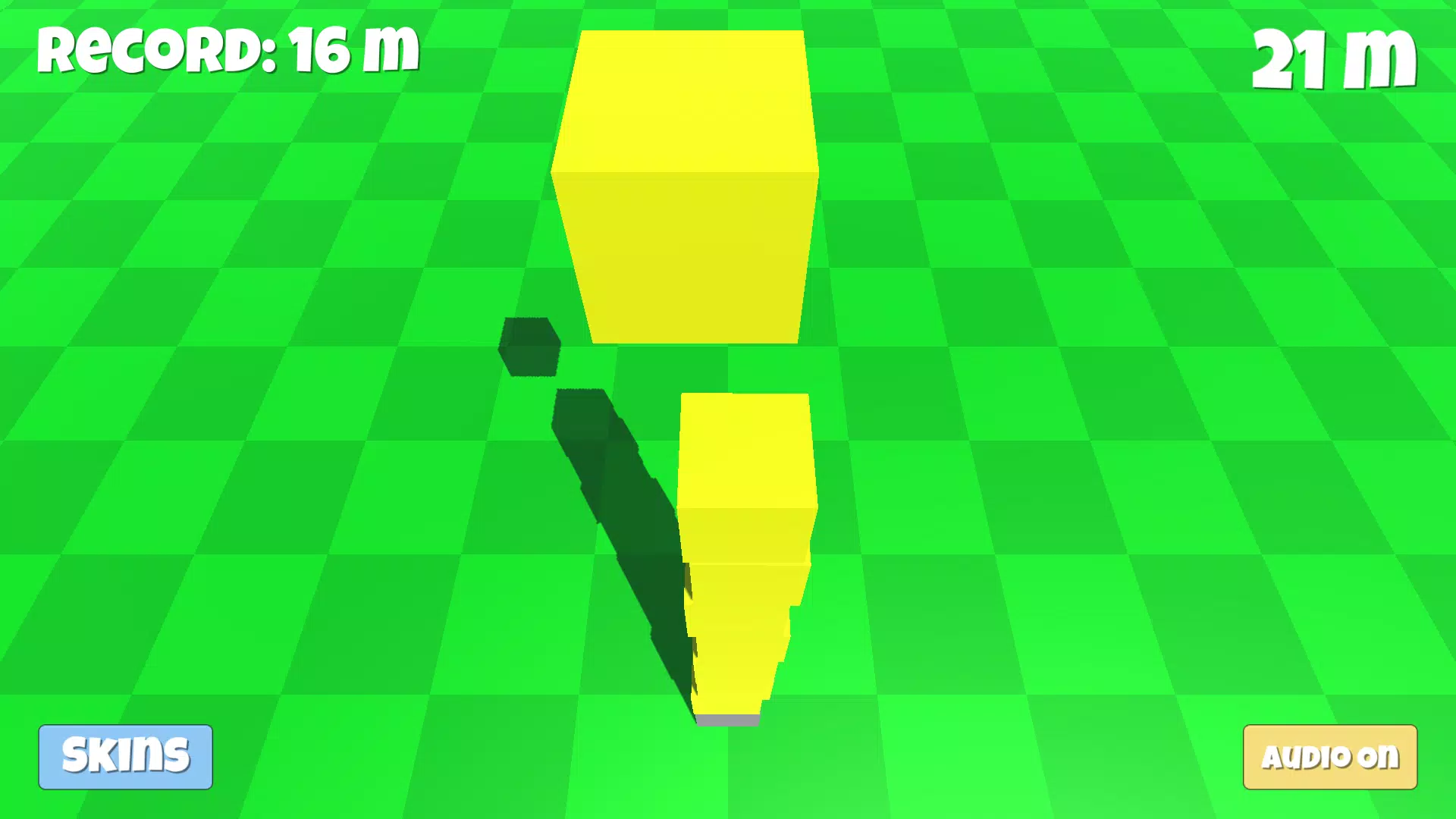
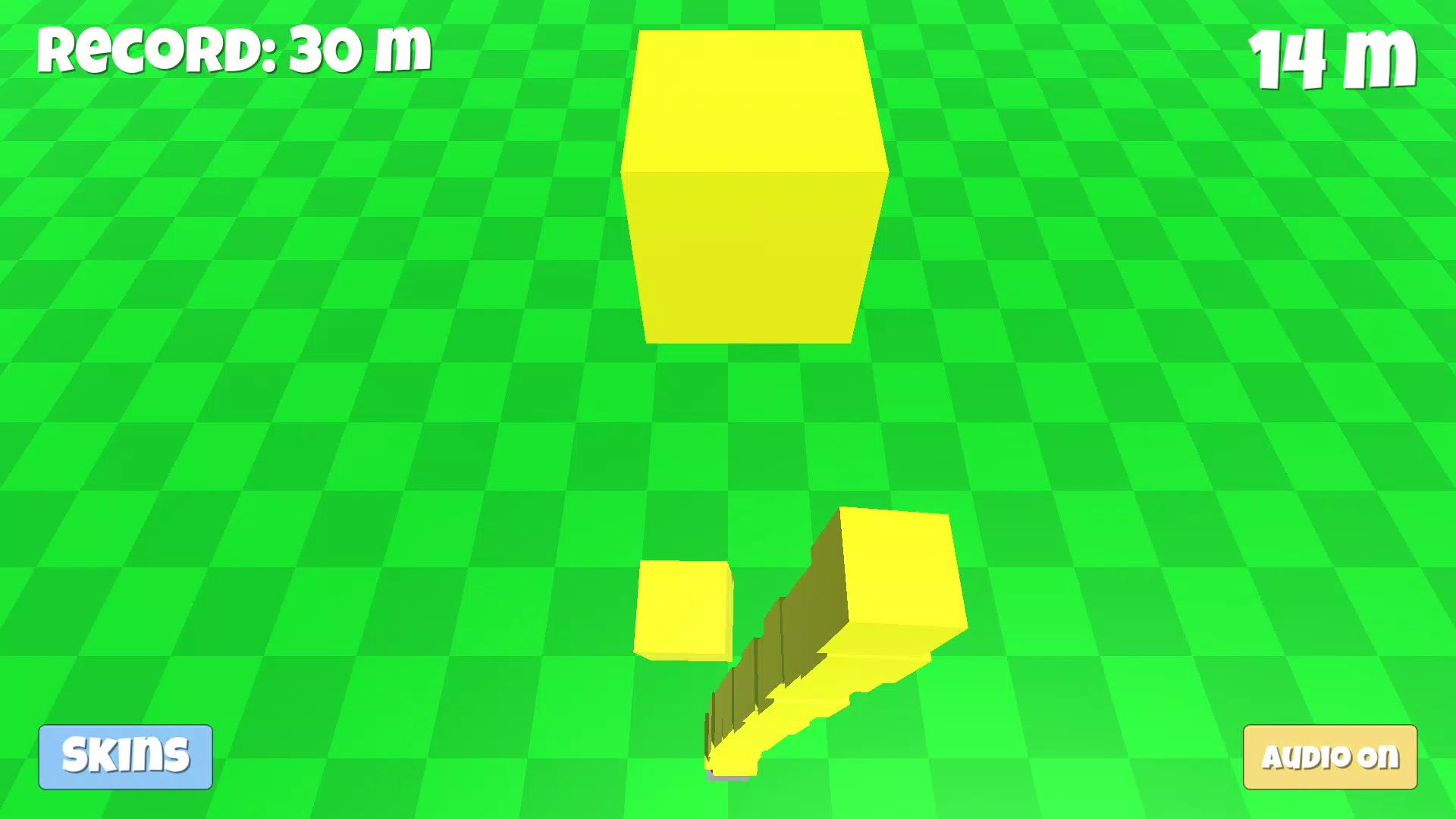
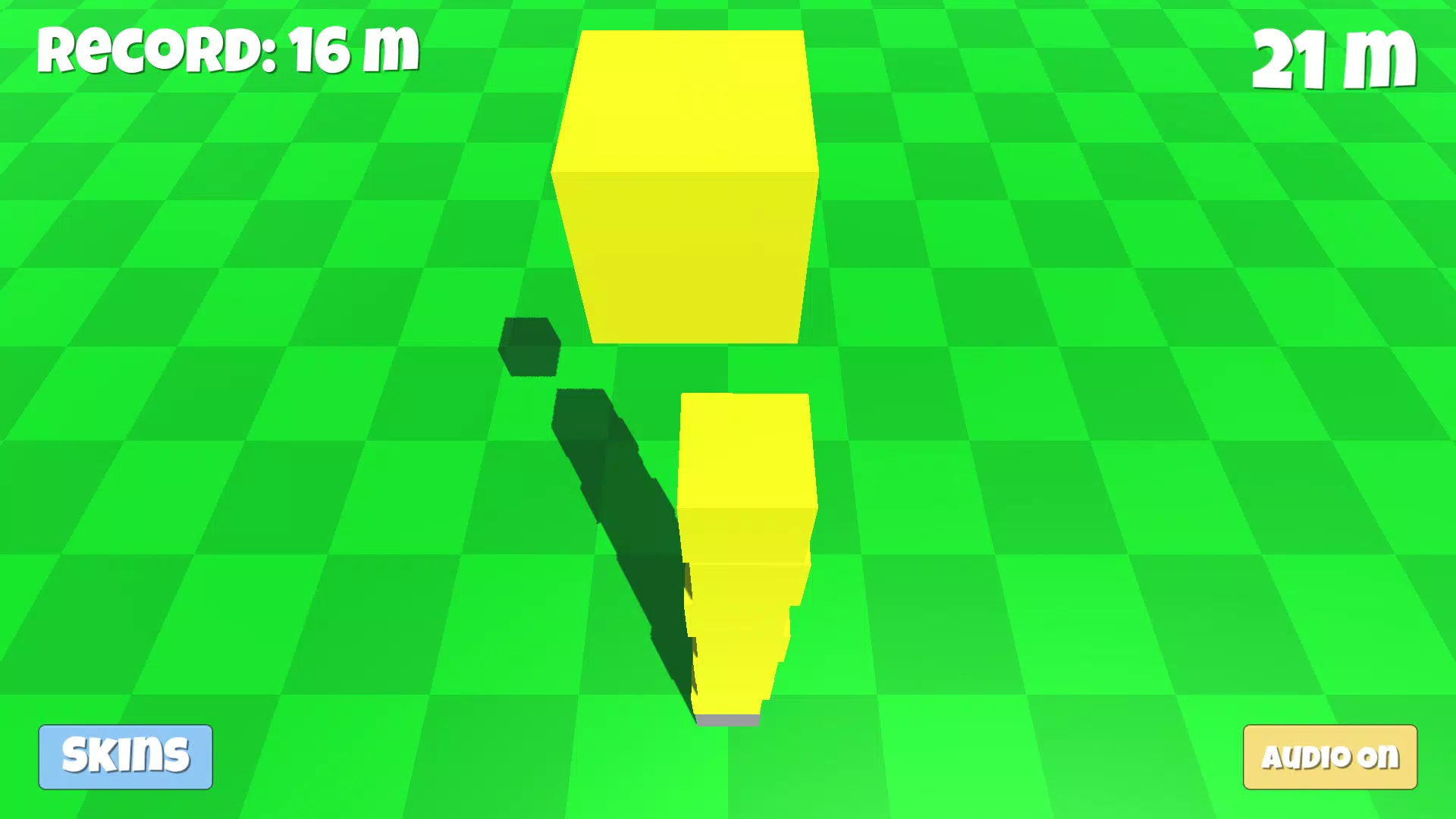
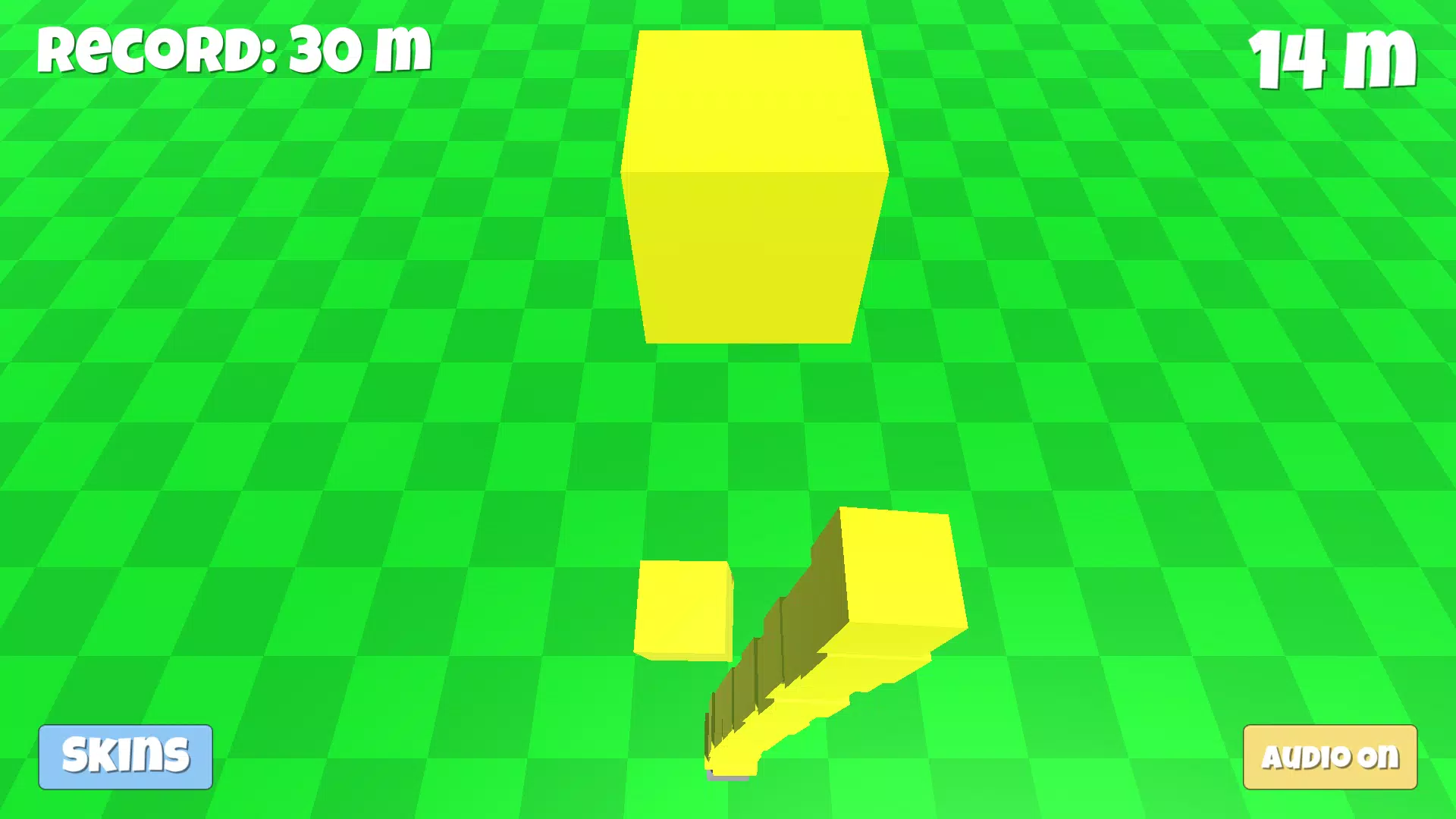
Cuby Stack is a focused, casual stacking game that challenges players to drop and balance cubes and build the tallest possible tower; the title appears immediately in this introduction because the gameplay is simple to learn but tricky to master and is well suited to brief, tense play sessions on mobile devices. The core loop in Cuby Stack asks you to judge timing and placement as gravity and slight movement make each new cube less stable than the last, turning a single tap into a moment of concentration that either extends your tower or sends it tumbling. The interface is intentionally clean so that the challenge remains visible and easy to interpret; newcomers can start playing in seconds while more experienced players will find subtle depth in timing, alignment, and rhythm.
Key Features
Core features include an accessible one-touch control scheme, a minimal visual presentation that emphasizes the tower, and a continuously escalating challenge that rewards precision. The game keeps score for every successful placement and highlights personal bests so players have a clear measure of progress. Small visual and physical cues — such as wobble animation and audible feedback when cubes land — help players develop a sense for rhythm and balance without overloaded menus or complicated tutorials. Because the game focuses on short sessions, it supports rapid retries that encourage steady improvement rather than long, drawn-out play sessions.
Gameplay Mechanics
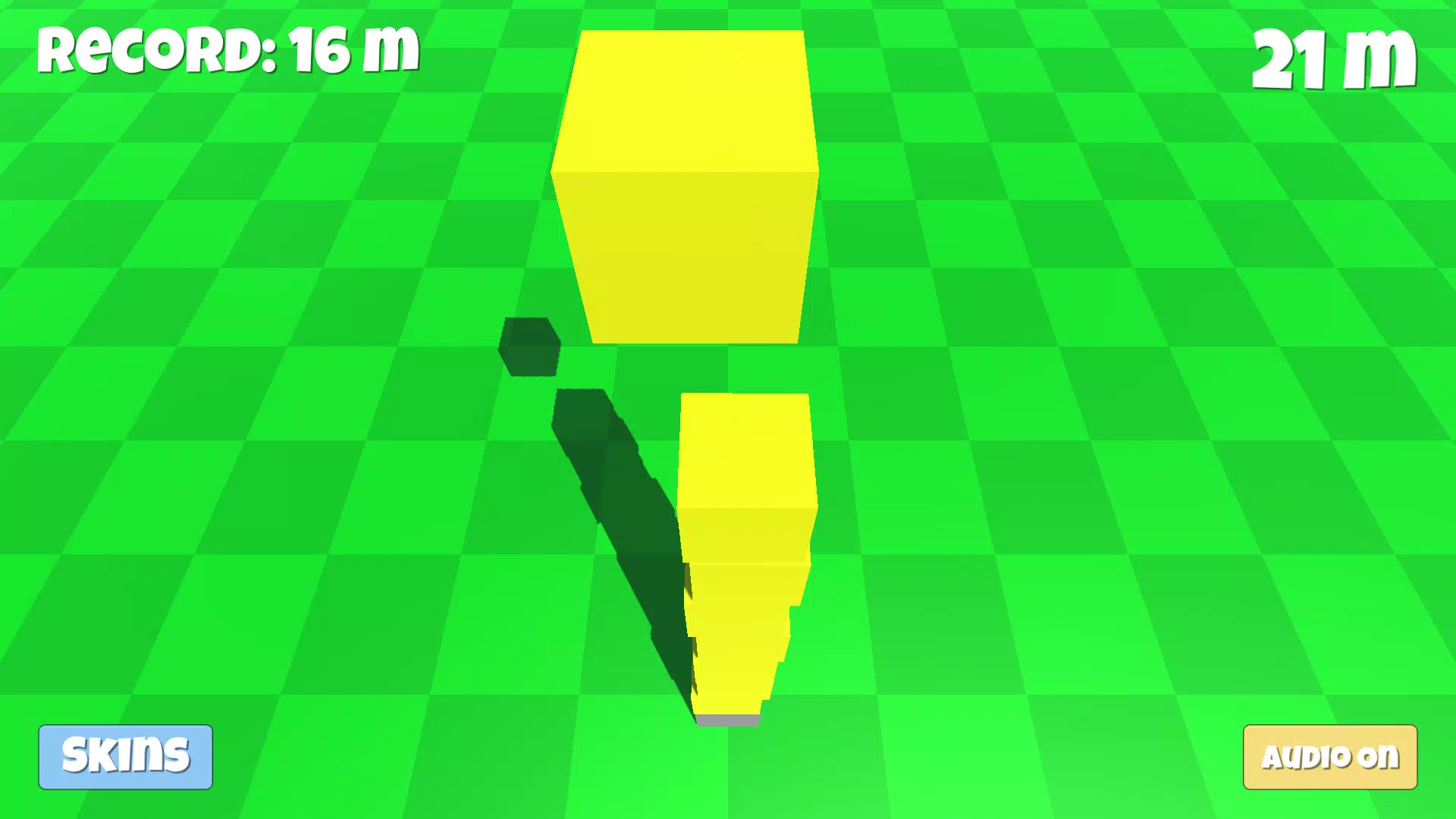
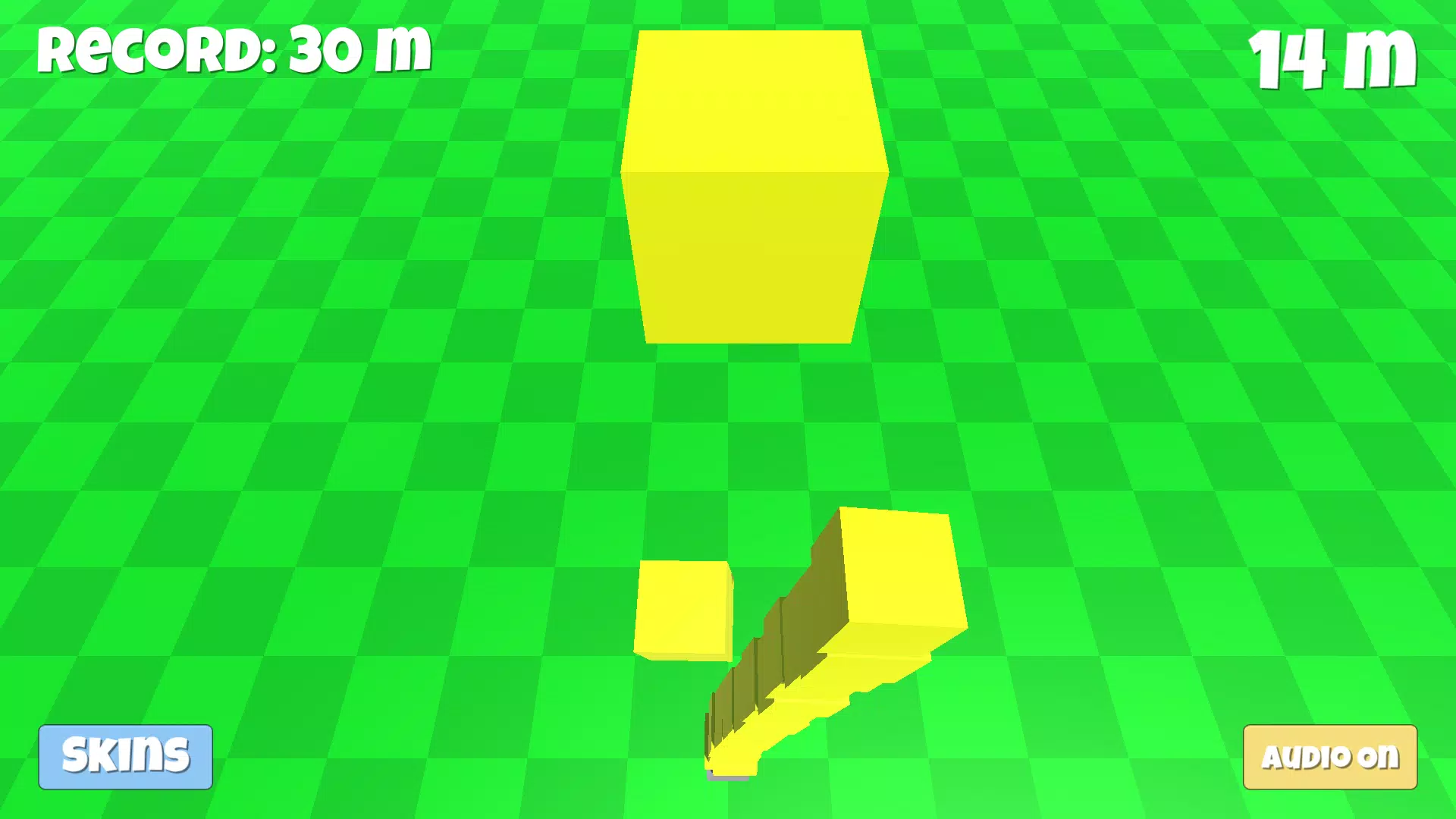
The stacking mechanics are intentionally straightforward: a cube moves horizontally above the current stack and a single tap drops it. Momentum, alignment, and the meeting point between the pieces determine how much of the new cube contributes to the tower; misaligned drops lose material and make the next placement more precarious. Over time the stack becomes narrower and more unstable, creating moments of tension where small timing differences have outsized consequences. Cuby Stack relies on predictable physics and consistent timing so that skill development feels fair: practice leads to improvement, and the difficulty curve emerges from the stack’s geometry rather than arbitrary obstacles.
Controls and Accessibility
Controls are deliberately minimal to maximize accessibility: one-touch tapping drops a cube, and basic settings let you adjust sound volume or toggle visual aids. The interface uses high-contrast elements and clear touch targets to be usable on a range of screen sizes and by people with different levels of motor skill. Simple accessibility options are included so players can reduce visual clutter or enable stronger landing indicators to assist with timing. These choices make the game approachable for young players and for those returning after a break, while still leaving room for precision-focused play when desired.
Progression and Challenge
Progression in the game is based on score and tower height rather than levels or stages: each successful placement increases your score and raises the technical challenge by reducing margin for error. Players can chase personal records and experiment with different timing strategies to see which produces the most stable stacks. The risk-reward balance is central: aggressive timings sometimes yield faster towers and higher scores but increase the chance of a catastrophic collapse. This organic difficulty curve keeps sessions compelling without the need for unlock trees or artificial gating.
Visual Style and Presentation
The visual style is clean and minimal, emphasizing simple geometry, flat colors, and smooth animations that make motion and imbalance easy to read at a glance. Subtle shadows and responsive lighting provide depth without distracting from the core task of aligning cubes. Sound design is restrained and functional: soft landing cues, a clear confirmation tone for perfect placements, and an unobtrusive ambient track that can be turned off encourage focus and reduce fatigue during repeated attempts.
Replay Value and Offline Play
Replay value comes from the personal challenge of improving timing, chasing higher scores, and learning how small adjustments affect long-term stability. Sessions are short and suited to offline play, so the app can be used without an internet connection, making it convenient for commutes, short breaks, or places with limited connectivity. Because rounds are fast and outcomes are determined by skill, players are naturally encouraged to try again immediately after a failure, which supports gradual improvement over many short sessions.
User Experience and Tips
The user experience focuses on clarity: start a round, observe the cube’s movement, and tap when the alignment feels right. Early practice should emphasize consistent rhythm rather than rushing; as you play more, aim for small adjustments that keep the tower centered. If you prefer, reduce visual effects in the settings to remove potential distractions, or enable stronger landing guides to build confidence. The game stores local high scores so you can track progress over time without sharing data online, and simple settings make it friendly for a wide range of players.
Whether you pick it up for a five-minute break or to work on a new personal best, Cuby Stack offers a compact, skill-based stacking experience that rewards patience, timing, and steady improvement while keeping controls and presentation approachable for all ages.
- No virus
- No advertising
- User protection
Information
- File size: 22.80 M
- Language: English
- Latest Version: 1.1
- Requirements: Android
- Votes: 265
- Package ID: com.mofingames.cubystack
- Developer: Mofin Games
Screenshots
















Explore More
Looking for some quick gaming fun? Our new super-casual game is perfect for entertaining bursts in your busy day. With simple, intuitive gameplay crossed with challenges that engage your brain, you'll keep coming back again and again. No complex controls or tutorials - just open and play anywhere, anytime. Vibrant art style and upbeat music create a lighthearted experience.

Slime Castle

Slots: 77777 Lucky Slots

Xoc Dia
Tambola

InBetween – Guess the Middle c
Poker Win Challenge
Slots VIP Casino Slot Machines
MyLucky6 Bingo