Introduction
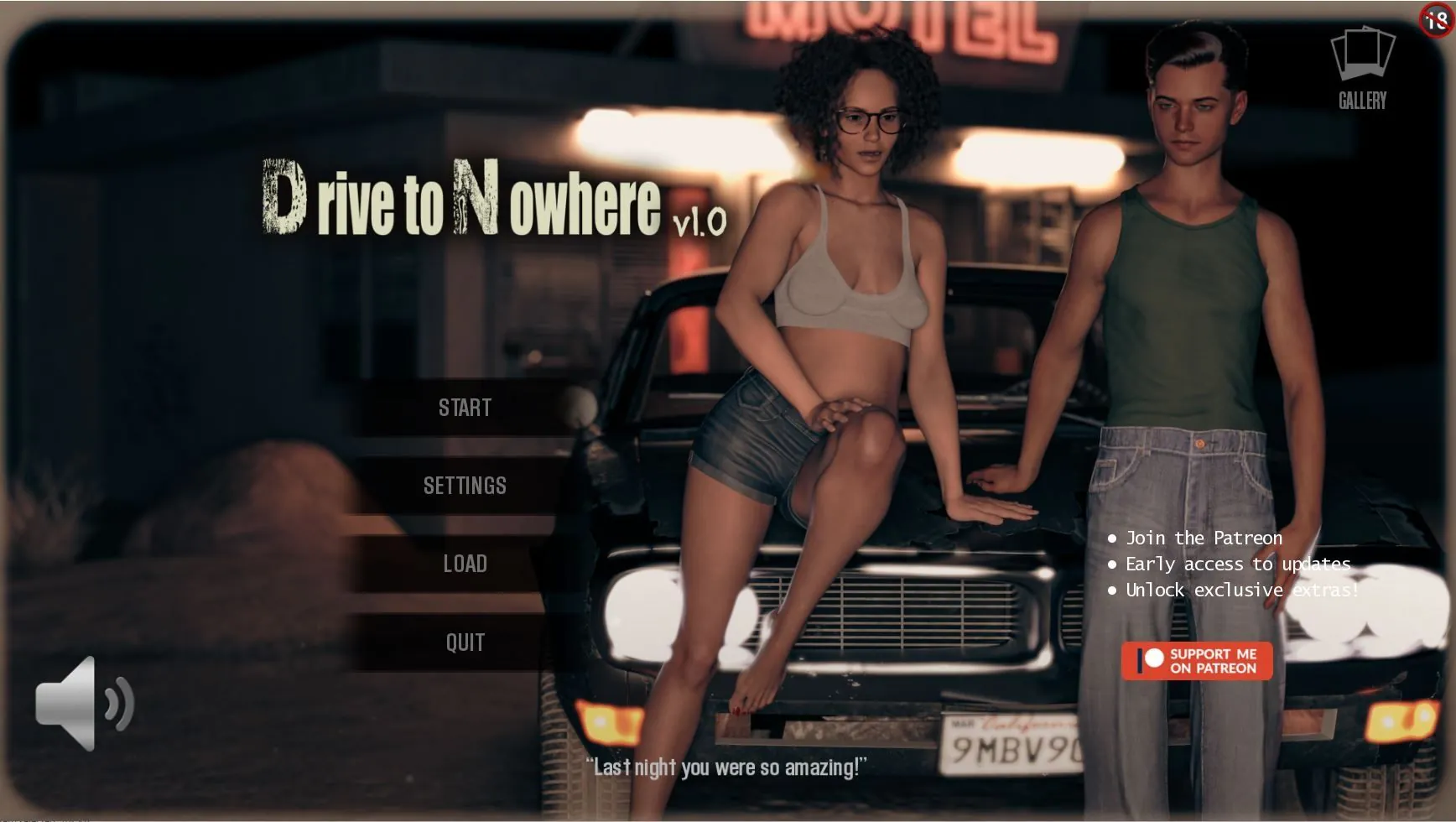
Drive to Nowhere puts you behind the wheel of a stripped-back survival racer. Drive to Nowhere challenges you to manage fuel, repairs and split-second navigation as you travel a hostile, continuous highway. Drive to Nowhere favors a minimalist presentation that emphasizes resource management over menus, making it easy to pick up on mobile devices and suitable for short sessions or deeper runs when you have time.
Gameplay and core loop
The core of the experience revolves around three interlocking activities: navigating procedurally generated road segments, scavenging essential supplies, and improving your vehicle between attempts. Each run begins with limited fuel and health and sends you through randomized stretches that can include abandoned rest stops, blocked lanes, environmental hazards and solitary NPC encounters that present meaningful trade-offs. Risky detours may yield rare parts while safer choices conserve resources, so planning and on-the-fly decisions both matter. The result is a tight loop that rewards incremental learning and situational judgment rather than rote grinding.
Controls and accessibility
Controls are designed with mobile play in mind and remain intentionally lean. You can steer using tilt or a virtual stick, use a single control for throttle and a context-aware tap for scavenging and repairs, and opt for alternate layouts that suit left- or right-handed players. Adjustable sensitivity, larger HUD elements, and contrast-friendly color options help players who need clearer visuals. Control remapping and scaleable interface elements make the game approachable across different devices and play styles.
Vehicles, upgrades and customization
Vehicles form the backbone of progression. Early chassis are light and fragile, while later unlocks provide heavier armor, better fuel economy and improved handling. An upgrade tree lets you invest in engine performance, armor plating, resource capacity and repair efficiency, and each choice introduces trade-offs: heavier builds resist more damage but consume fuel faster, while lightweight setups travel further per tank but require precise handling. Between runs you allocate limited resources to permanent improvements that change the strategy of future attempts, and modest cosmetic options let you personalize appearance without affecting balance.
Resource systems and crafting
Resource scarcity creates tension on every sortie. Fuel, spare parts and basic components are limited and must be scavenged from the road or exchanged at safe outposts. Crafting stations at those outposts allow basic repairs and one-off modifications that can tip a difficult run in your favor, such as temporary engine boosts, reinforced panels or improvised filters for hazardous zones. The system forces frequent decisions between immediate survival and long-term investment so that each scavenged item has meaningful value.
Environments and level structure
The route system is procedurally generated rather than composed of discrete levels, producing varied stretches of road, branching offshoots and environmental obstacles. Biomes shift from foggy plains to ruined urban corridors and industrial zones, each with distinct obstacle patterns and visual cues you can learn to anticipate. Side paths offer higher risk and better rewards, while safe outposts appear at intervals to provide recovery and planning opportunities. This structure keeps runs feeling fresh while letting players develop reliable strategies over time.
Visuals, audio and performance
The game uses a deliberately austere visual language that prioritizes clarity: high-contrast palettes, stylized particle effects for dust and sparks, and a minimal user interface that avoids distraction during tense moments. Sound design leans atmospheric with creaking metal, distant storms and a sparse musical score that accentuates key sequences. Performance is tuned for mid-range devices, with adjustable graphics settings and an optional battery-saving profile so you can maintain smooth frame rates and extend playtime on the go.
Progression, challenge systems and replay value
Progression is driven by repeatable attempts and permanent unlocks rather than online features. Personal milestones track your best distances, resource efficiency and discovered blueprints so you can measure improvement across sessions. Procedural route variation and modular upgrade options create a broad range of viable strategies, and escalating hazards ensure that long runs require increasing planning and adaptability. Optional in-game challenges and milestone goals provide structured targets to test your mastery without forcing progression behind social or online gates.
User experience, tips and offline play
New players should experiment with different chassis and modest upgrades to learn handling differences, and early investments in fuel capacity and repair efficiency typically pay off more than raw speed. Watch visual cues to anticipate hazards, use safe outposts to repair and craft, and favor steady progress over reckless sprinting. The game is fully playable offline and does not require an internet connection for its core single-player experience, which makes it convenient for travel or short sessions. Drive to Nowhere rewards situational awareness and incremental improvement, revealing strategic depth beneath its minimalist design as you collect parts, unlock vehicles and refine your approach.
- No virus
- No advertising
- User protection
Information
- File size: 4143.00 M
- Language: English
- Latest Version: 2.0
- Requirements: Android
- Votes: 456
- Package ID: com.game.drive.to.nowhere
- Developer: VisualNovels
Screenshots





















Explore More
Become the leader of your own thriving settlement in this addictive new strategy game. Build and customize homes, shops, farms and more to expand your village. Manage resources carefully to keep your people happy and productive. Send explorers on missions to find valuable loot and artifacts. Defend against raider attacks with walls, traps and an army of your own. With randomly generated maps and emergent gameplay, no two games are the same.

DARK PALS

كلمات متقاطعة - كلاسيكو

Commando Strike Offline Game

E.b.f.l.

Reckless love (+18)

Jumper Bat - Jumper Climb Fly Game

Marvel Fvckers

Cross Worlds