Introduction
Jerk Adventures 2 (CANCELLED) is presented here as an archival look at a planned action-platformer that combined momentum-based traversal, light combat and puzzle-driven rooms; this editorial introduction summarizes the surviving design notes, prototype behavior and demo materials so readers can understand what the project intended and how its systems were meant to work. The cancelled status is clear, but Jerk Adventures 2 (CANCELLED) still provides useful examples of compact level design, readable visuals and interaction-focused mechanics worth studying or trying in any available build fragments.
Project background and intent
The development record for this title reads like a focused case study in scope management. Designers emphasized short, handcrafted stages rather than sprawling worlds, aiming for a game that supported quick play sessions with clear mechanical goals. The materials that remain include level sketches, control diagrams and prototype builds that demonstrate how the team balanced accessibility with depth: early sections introduce core actions gradually while later rooms require mastery of movement and timing to progress.
Core gameplay mechanics
At the heart of the design is momentum-driven movement: chaining jumps, dashes and environmental grabs encourages flow-based navigation rather than stop-and-start platforming. Combat is intentionally simple and timing-focused, relying on enemy telegraphs and brief attack windows so players feel rewarded for precise inputs. Many puzzles leverage physics interactions and moving set pieces, making the environment a tool as much as an obstacle and promoting emergent solutions over inventory management.
Controls and user interface
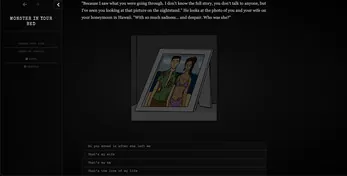
Prototype controls emphasize clarity and responsiveness. On touch devices the scheme suggested context-sensitive actions mapped to a small set of buttons, while desktop builds relied on tight keyboard or controller bindings for jump, dash and interact. The HUD is deliberately minimal: unobtrusive indicators for health and objectives, concise tooltips that appear only when needed, and a context menu designed to keep players in control without overwhelming them with options. These choices were meant to preserve momentum and minimize interruptions to play.
Progression and customization
Rather than a grind-heavy upgrade system, the design favored modular abilities earned by reaching new regions or completing optional encounters. Players gain tools that change how they approach environments, with new movement options or utility abilities opening alternative paths and shortcuts. Customization was kept lightweight: tuning how an ability behaves or selecting a preference for a control layout were the kinds of adjustments indicated in the documentation, keeping progression tied to exploration and player choice.
Level structure and visual design
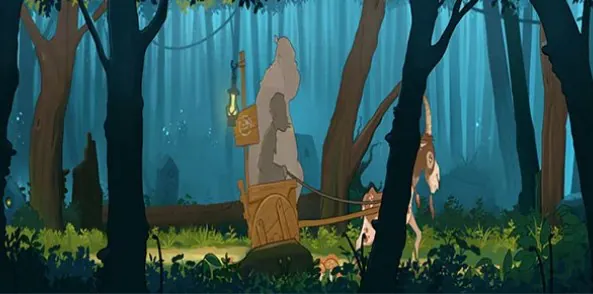
Levels were conceived as compact sequences that teach mechanical ideas through spatial puzzles and small set-pieces. Environments ranged from sunlit plazas to mechanical interiors, each with distinct hazards and supporting mechanics that encourage adaptation rather than repetitive play. Visual direction prioritized bold silhouettes, readable color palettes and clear particle feedback so threats and interactable objects stand out even in fast encounters, a choice that also supports consistent performance on modest hardware.
Replay value and challenge systems
Replayability comes from short, skill-oriented runs and optional routes that alter how a stage plays. Checkpoints were placed to reduce frustration while still rewarding mastery of sequences, and optional challenges or time-based goals were proposed to give players reason to revisit stages. The design documentation shows an intention to include difficulty tuning and assistance options so both newcomers and experienced players could find an appropriate level of challenge.
Accessibility, offline use and practical notes
The surviving materials emphasize user-friendly features: clear readability in level layouts, contextual hints that teach through play, and interface choices that reduce clutter. While full accessibility implementations vary by platform, the approach described favors adjustable control sensitivity and simplified input modes to accommodate different players. Prototype builds intended for offline testing suggest the project was designed to run without persistent online services, making it possible to explore demos and artifacts locally for study or casual play.
Why this archive matters
Even in cancellation, Jerk Adventures 2 (CANCELLED) serves as a practical reference for designers and curious players. It demonstrates how focused mechanics, readable visuals and compact level design can create satisfying, replayable moments without complex progression systems. For anyone interested in platforming design, control responsiveness or concise stage crafting, the available documentation and builds offer concrete lessons and ideas worth adapting to new projects.
- No virus
- No advertising
- User protection
Information
- File size: 273.14 M
- Language: English
- Latest Version: 1.0
- Requirements: Android
- Votes: 252
- Package ID: com.jerkadventures2.program
- Developer: stardamnplugg
Screenshots

















Explore More
Are you searching for an enjoyable method to strengthen your intellect? Our hottest logical puzzle is tailor-made to offer a stress-free pastime experience. With beautiful graphics and chill background music, you can immerse yourself in an engaging world of logic and critical thinking. Solve increasingly tricky levels at your own pace, with no time pressure or lives system.

T13s 0f bl00d 4nd d3s1re (DEMO)

Booze & Babes: Complete Edition
Chiagaru Investigates Nolan Wells Case

Boundless Lust: Naughty List

Life in Wonderland

Connections (18+ Interactive Fiction)
Furlorn

Lisa Total investigation! Demo