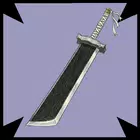
Introduction
Dragon hunter introduces a tiny, high-energy dragon character brought to life through playful animation and subtle sound design, and it places that creature at the center of short, tactile running sequences that reward rhythm and timing. In Dragon hunter you guide a stubby-legged dragon whose oversized wings blur in motion and whose tail performs a charming 'tippy-tap' balancing routine; these visual and audio details are not only decorative but also affect how the creature moves and responds to player input. The game is written around a simple, single-player experience that emphasizes character-driven motion, quick sessions, and repeatable challenges rather than complex systems or online competition.
Gameplay and Controls
The core gameplay in Dragon hunter focuses on timing and momentum. Players use an intuitive one-touch control to flap the dragon's wings: a single tap produces a short, expressive flap while a sequence of rapid taps triggers a temporary wing-boost that increases forward speed and can lift the dragon's rear feet for a brief, buoyant hop. Obstacles are negotiated by matching flap timing to gaps or ramps; movement feels tactile because the animation and audio feedback (soft clicking claws, breath puffs) are tightly linked to each input. Runs are short and approachable, designed for quick play sessions on mobile devices, with responsive touch controls that require no complex gestures so the focus remains on rhythm and visual cues.
Progression and Objectives
Progression in Dragon hunter is designed to reward repeated play without overcomplicating the experience. Players advance through a series of curated runs and small challenge stages that gradually introduce new environmental features, timing windows, and light obstacles. Completing objectives such as reaching a distance target, performing wing-boosts a number of times, or collecting small on-route tokens unlocks additional stages and visual variations for the dragon. Rather than deep upgrade trees, progression emphasizes unlocking new sequences and cosmetic touches that preserve the game's short-run appeal while offering steady goals to pursue.
Visual Style and Animation
The visual identity of Dragon hunter is centered on expressive motion and compact, tactile design. The dragon itself is intentionally stubby and endearing, with exaggerated wings whose blur conveys speed and a wiggling tail that serves both as a balancing gag and a subtle physics element during movement. Animations highlight the personality in every run: a clumsy gallop, brief airborne hops when the wings flare, and little puffs of sparkly smoke that trail from the nostrils. Backgrounds and environmental objects are supportive rather than busy, chosen to keep the eye on the protagonist while offering varied palettes and gentle parallax to deepen immersion.
Audio and Feedback
Audio in Dragon hunter is crafted to be unobtrusive yet informative. Soft clicking claws give a sense of footfall on different surfaces, and subtle breath puffs correspond to wing flaps so players receive immediate, nonverbal feedback about the dragon's state. The sound design complements the animation to make each action feel satisfying without needing loud cues or intrusive music. This design keeps short play sessions pleasant in public spaces and helps players learn timing via both sight and sound.
Replay Value and Challenges
Replayability comes from varied run layouts, incremental objectives, and a modest set of challenges that test timing, sustained wing-boost usage, and obstacle navigation. Runs are short but intentionally varied so players can attempt different approaches — more conservative pacing for precision, or rapid flaps for speed — with each style producing slightly different animation states for the dragon. The game encourages experimentation and offers meaningful short-term goals without requiring lengthy commitments.
Customization, Accessibility, and Offline Play
Dragon hunter includes light cosmetic customization so players can personalize their dragon with alternate color schemes and minor visual accents unlocked through gameplay; these options do not affect performance but allow visual variety. Accessibility considerations include simple one-touch controls, adjustable audio levels, and clear visual contrast to support players with different needs. The game is fully playable offline: runs and local progression do not need a network connection, so the experience is stable on the go and suitable for casual sessions where connectivity is limited.
Tips for New Players
New players should focus on learning the timing rhythm of the dragon's default gallop and practice short sequences to get comfortable with the wing-boost mechanic; early objectives are designed to teach these elements gradually. Observing the dragon's tail and wing blur provides visual cues about momentum and balance, and listening to the soft audio cues helps synchronize taps for cleaner runs. With a few short practice sessions, the tactile, character-driven motion becomes the primary reward of play.
- No virus
- No advertising
- User protection
Information
- File size: 38.00 M
- Language: English
- Latest Version: 1.0.0
- Requirements: Android
- Votes: 123
- Package ID: com.pixelgo.engineX
- Developer: Gamer676
Screenshots
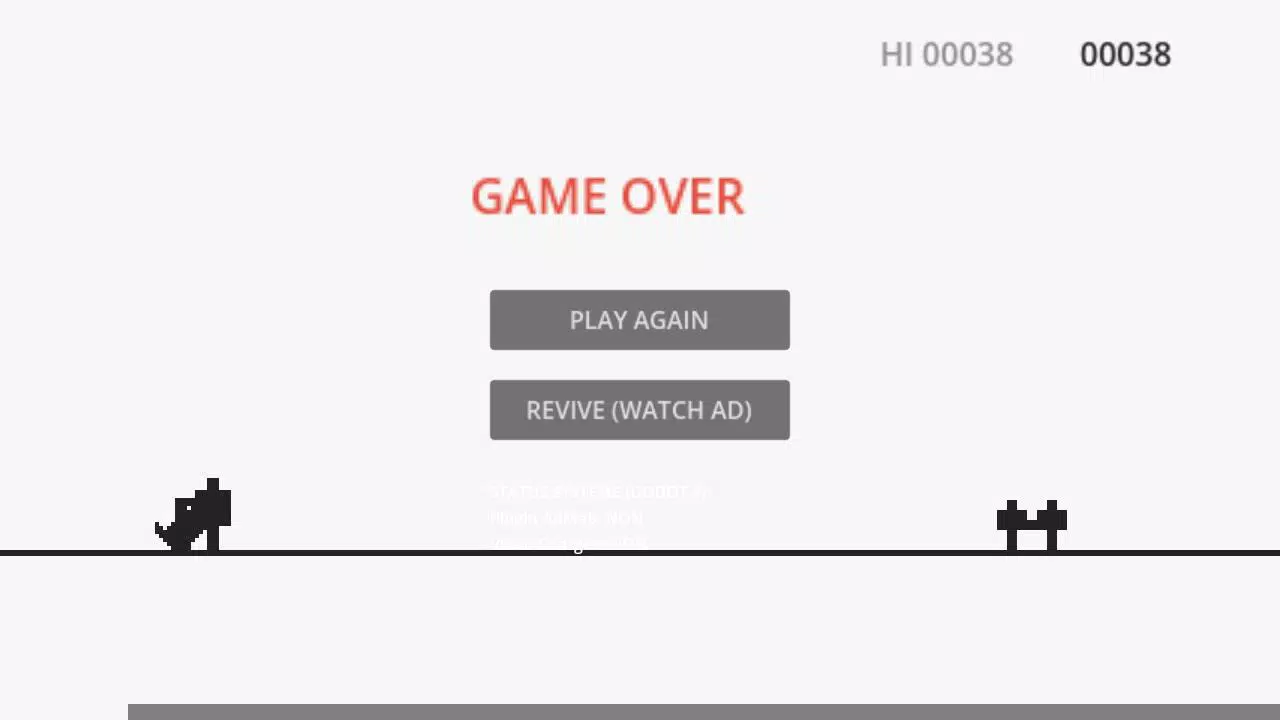
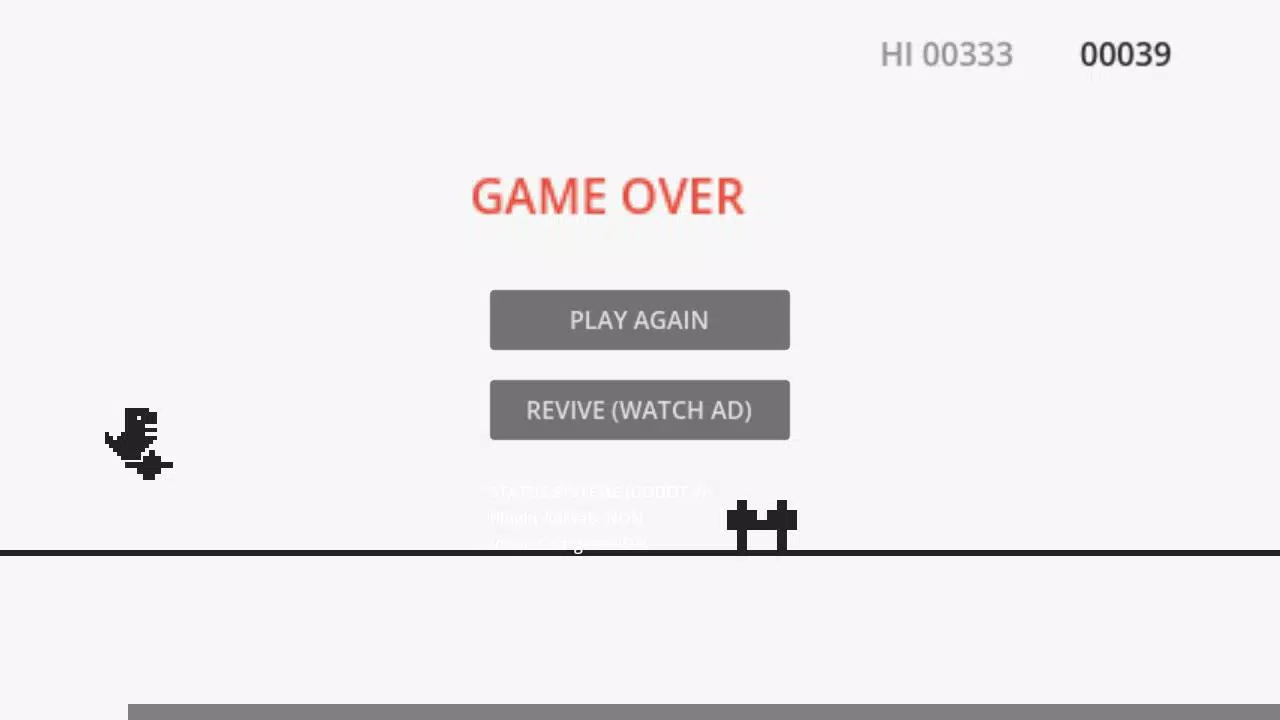
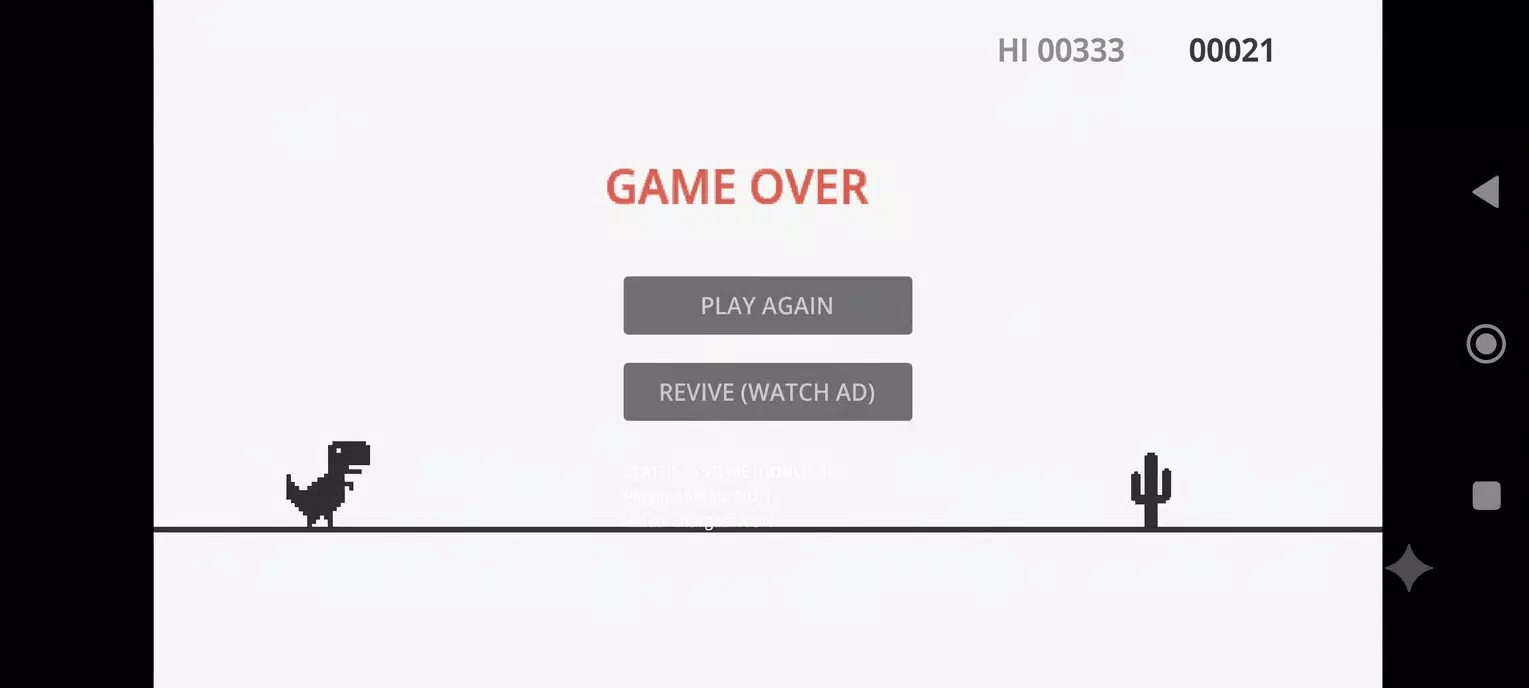
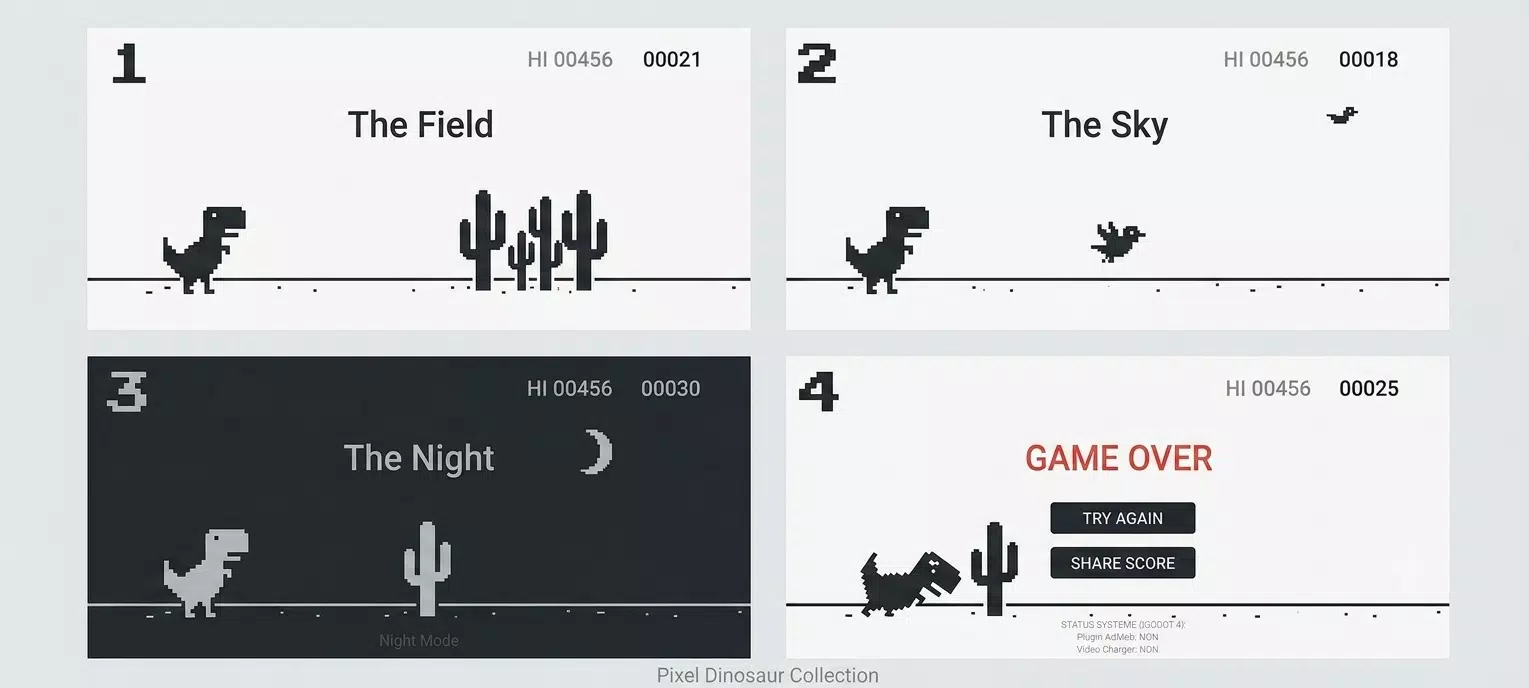
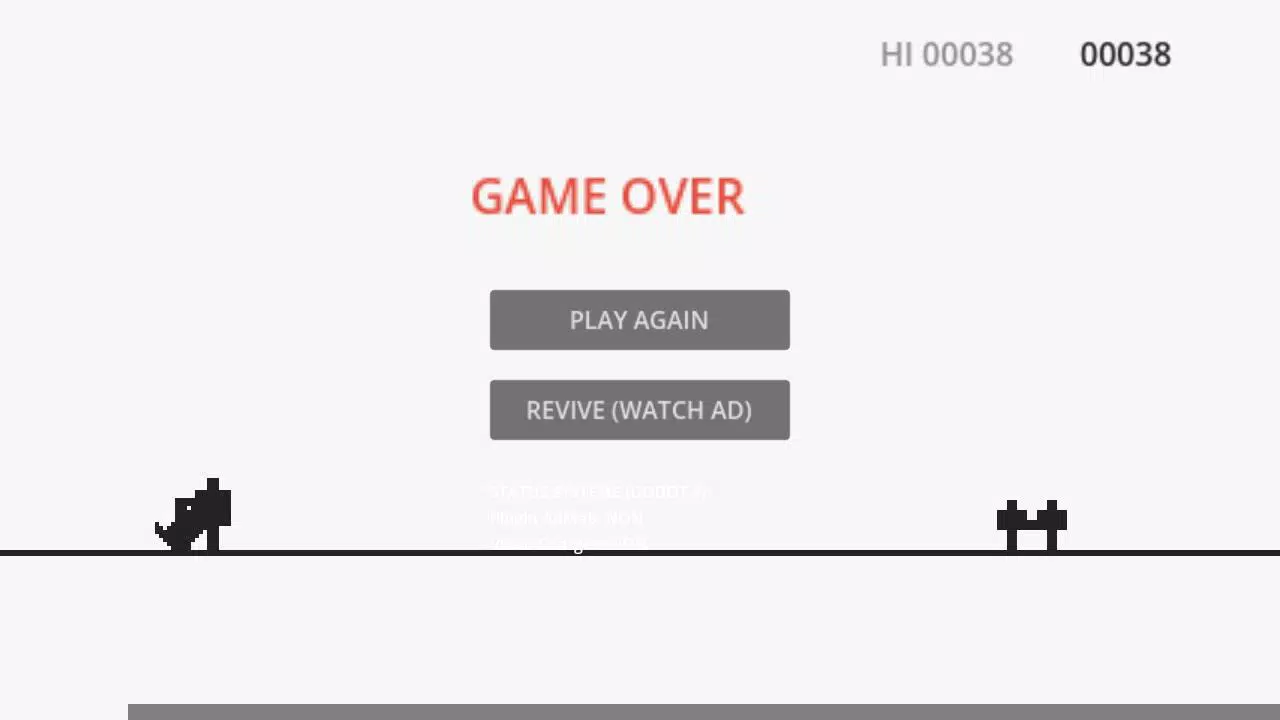
















Explore More
Looking for some quick gaming fun? Our new super-casual game is perfect for entertaining bursts in your busy day. With simple, intuitive gameplay crossed with challenges that engage your brain, you'll keep coming back again and again. No complex controls or tutorials - just open and play anywhere, anytime. Vibrant art style and upbeat music create a lighthearted experience.

Zombie Merge Defense
Daring Events

Futanari Princess

ZEROMISS

BtC LITE

Rolling Ball 3D : Ball Race

Asphalt Rush

Fight Night H2H