
Introduction
Recurrence delivers a slow-burn tactical shooter experience on Android that favors planning, communication, and disciplined execution over run-and-gun play. In Recurrence, encounters are scenario-driven and paced to build tension: teams and solo players are encouraged to set entry points, manage risk, and move deliberately through realistic interiors where timing and clear roles determine success. The app targets players who appreciate methodical, cooperative gameplay and rewards reading rooms, steady communication, and patient decision-making rather than relying on overpowering gear.
Core gameplay and pacing
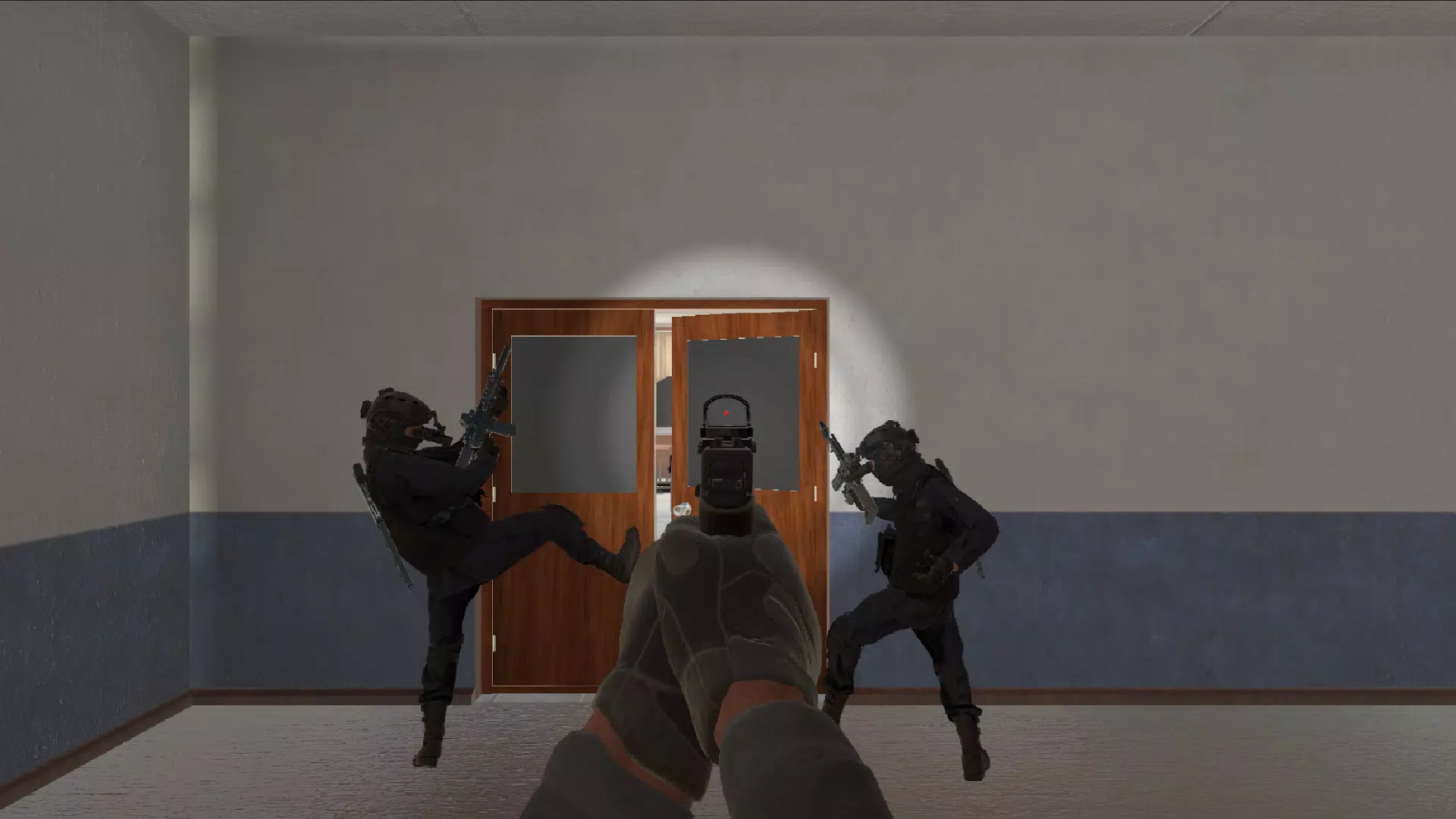
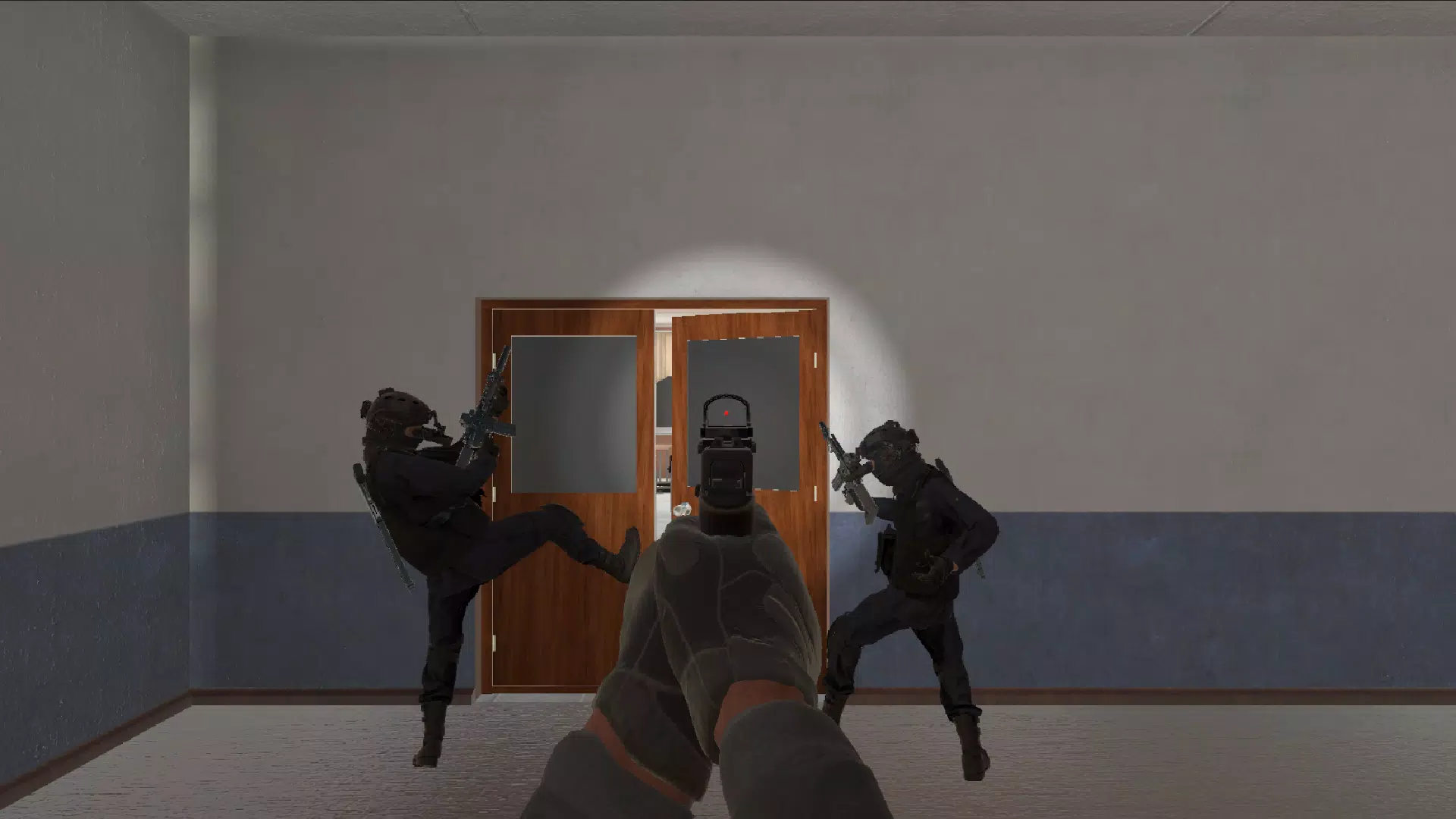
Matches in Recurrence are structured around carefully staged scenarios rather than arcade-style frag fests. Each mission emphasizes reconnaissance, corridor and door checks, and coordinated entry: squads assign roles such as point, cover, and support, communicate routes and callouts, and adapt to shifting situations. The pace pulls players toward small tactical choices — when to breach, which route to prioritize, and how to manage limited resources on scene — making each engagement a matter of preparation and execution rather than raw firepower.
Controls and interaction
Controls are designed for touchscreens with a focus on clarity and responsiveness; movement, aimed peeks, and basic command prompts are mapped to intuitive on-screen controls so players can focus on team coordination and situational awareness. Context-sensitive interactions simplify tasks like door checks and breaching: instead of complex button sequences, Recurrence uses streamlined gestures and prompts that keep the interface readable during tense moments. The control layout can be adjusted to align with different device sizes and player preferences, helping new users get comfortable quickly.
Mission structure and progression
Recurrence organizes content around discrete missions and scenarios that teach tactics progressively. Early missions introduce foundational skills such as team movement, communication, and basic room-clearing techniques, while later scenarios layer in tighter time windows and constrained resources to raise the challenge. Progression is primarily skill-based: completing missions and objectives unlocks additional scenarios or alternate mission variants that test refined coordination and adaptive planning rather than providing power advantages through equipment tiers.
Role focus and customization
Instead of deep loadout trees, Recurrence emphasizes role clarity and modest customization that supports a strategy-first approach. Players can select roles that determine responsibilities on the team and make minor equipment choices to complement that role — for example, choosing between a compact toolset for mobility or limited support items for area control. First Responders mode further reduces available gear to simulate high-pressure, low-equipment scenarios, encouraging restraint and precise decision-making rather than cosmetic or power-based personalization.
Visual style and level design
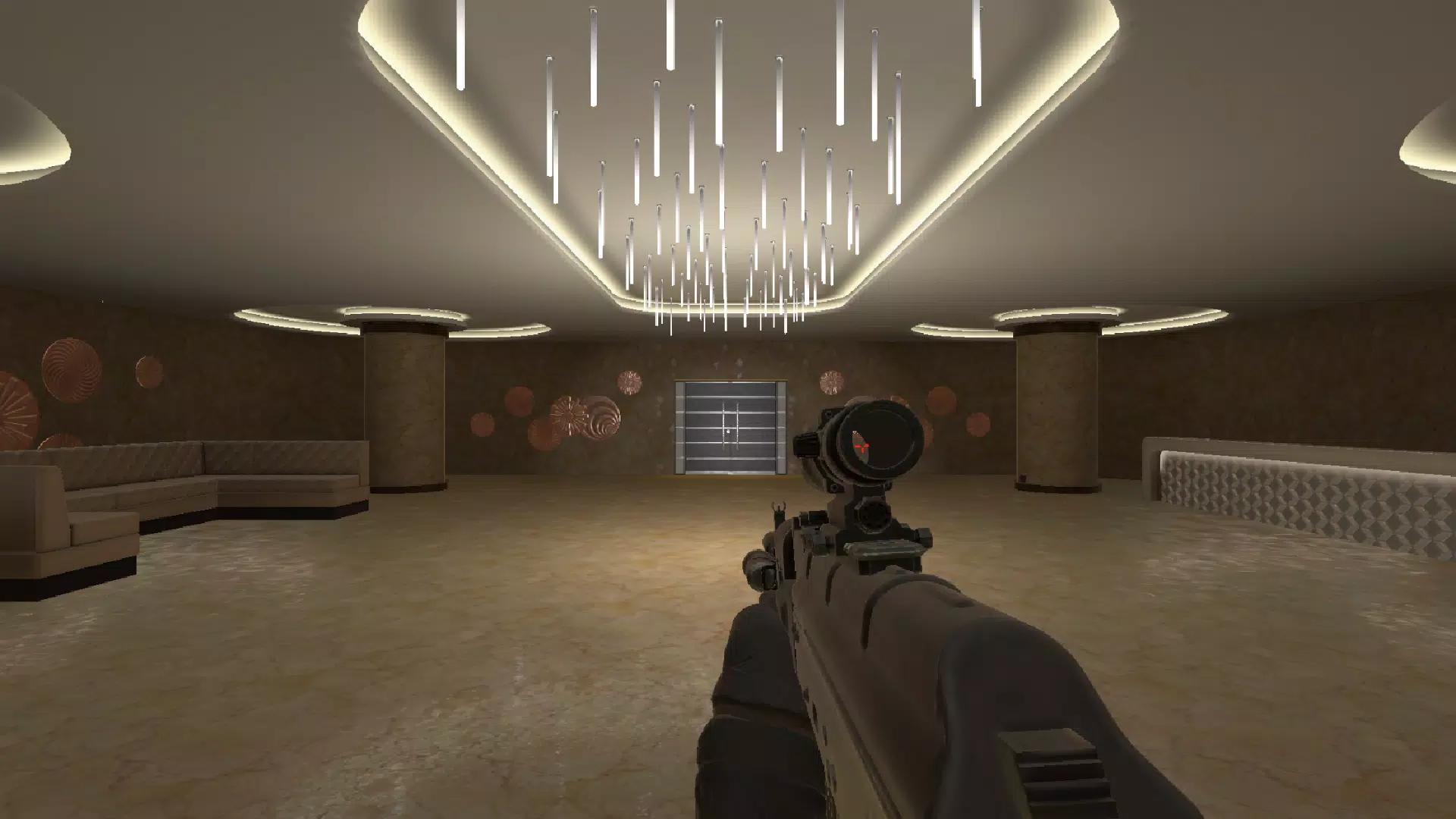
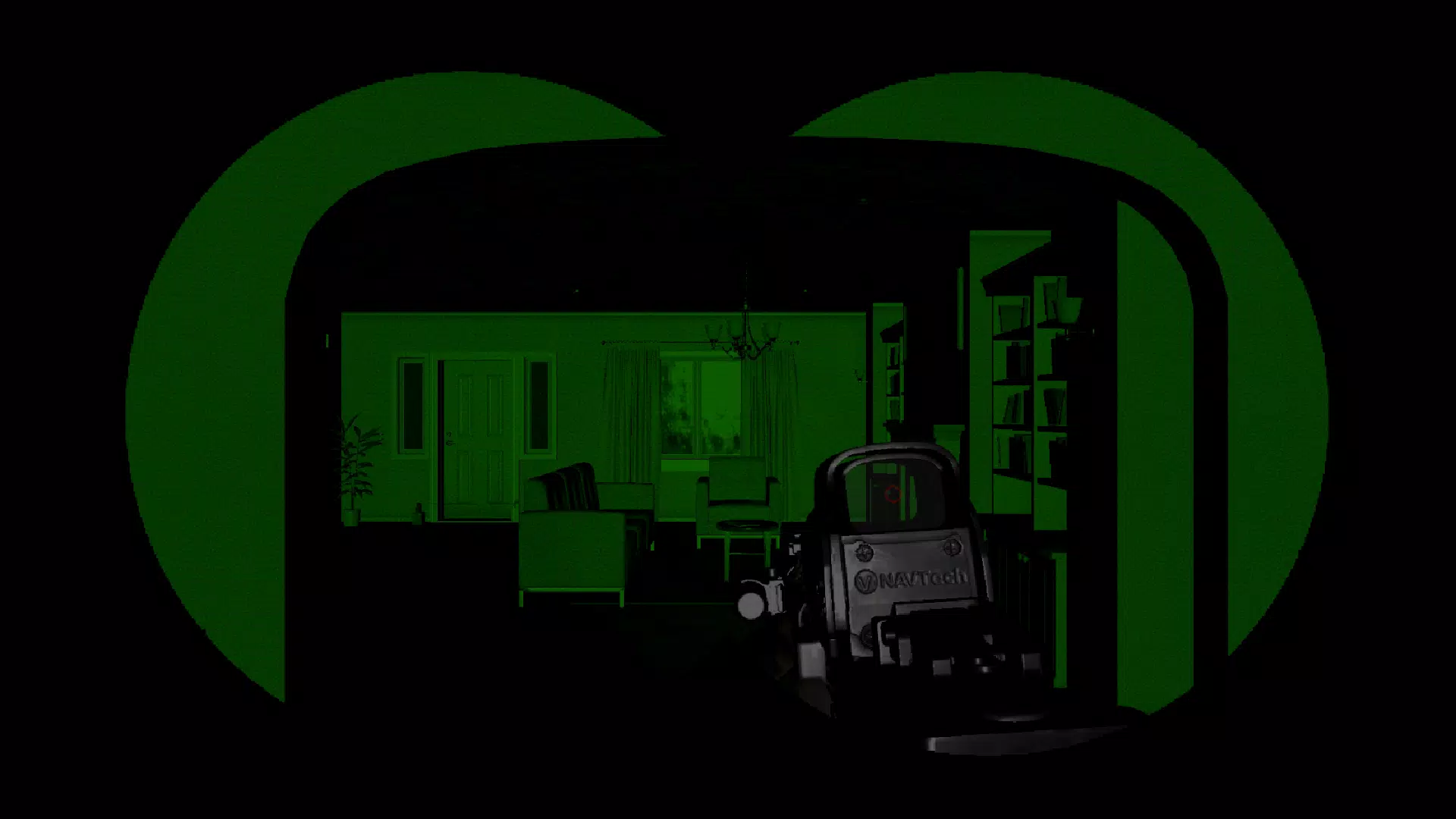
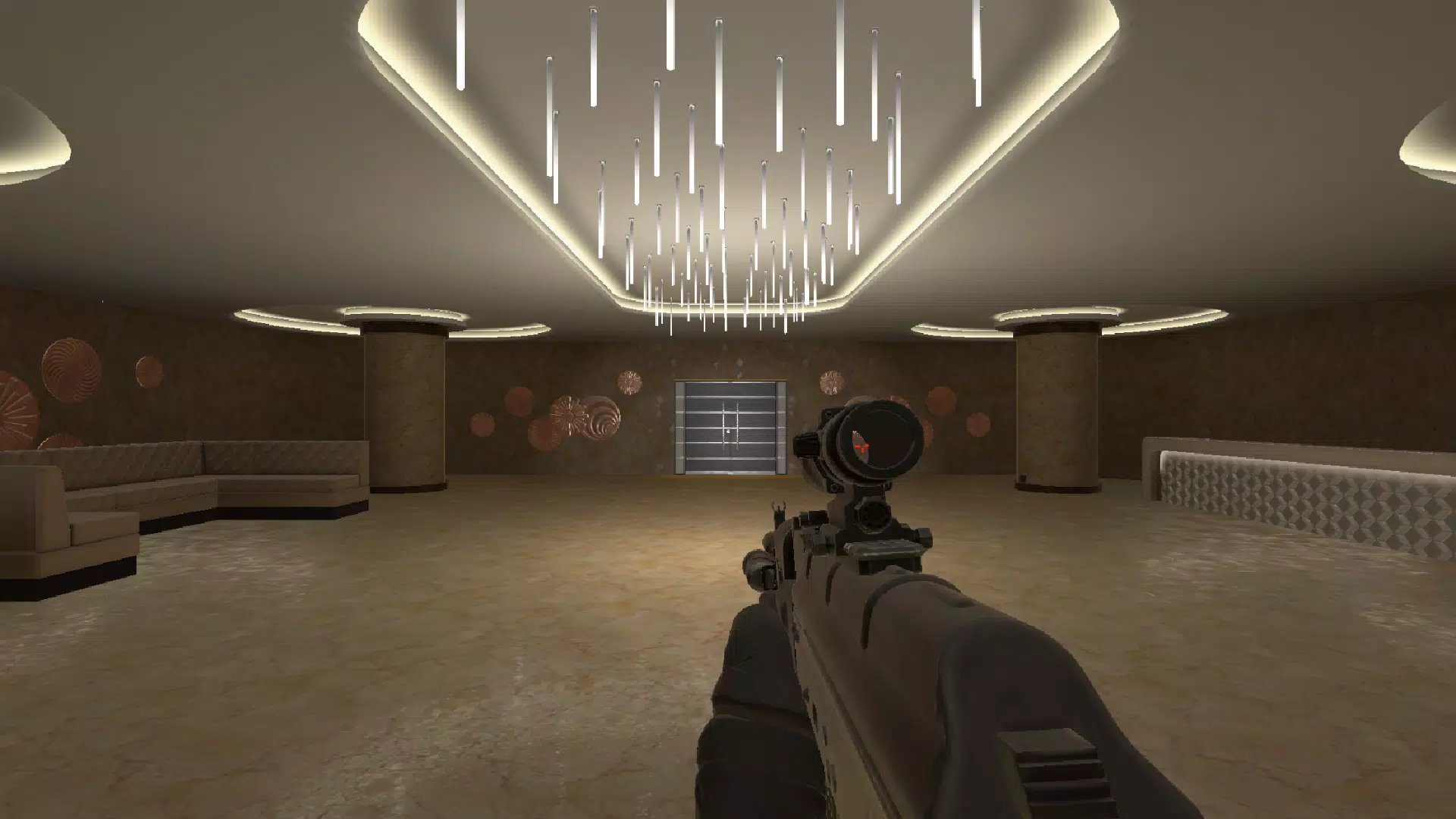
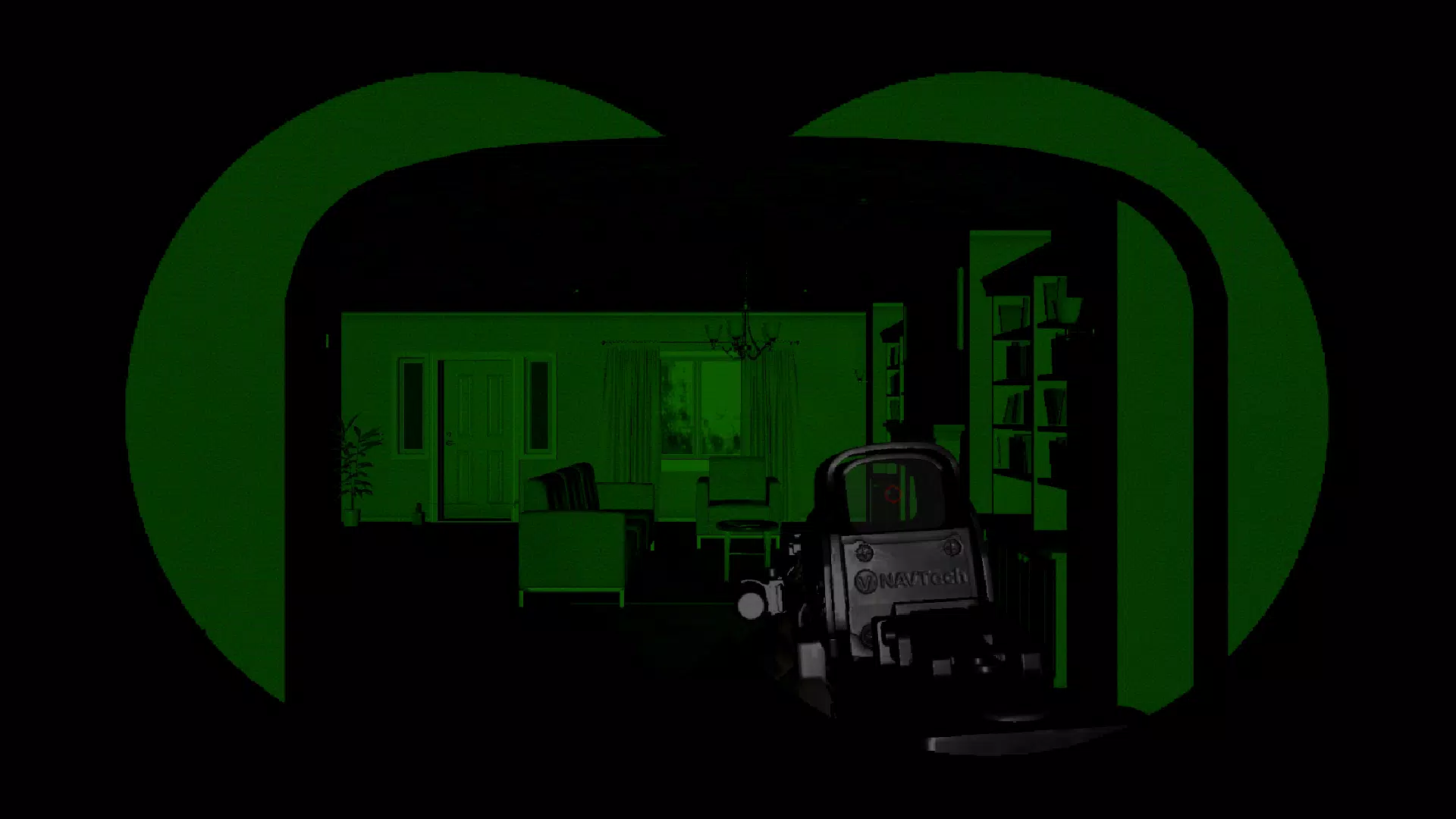
The visual presentation is grounded and practical: interiors, streets, and mission areas are rendered with realistic proportions and a muted palette to enhance readability and tactical decision-making. Level design favors identifiable landmarks, clear sightlines, and layered rooms that reward reconnaissance and methodical clearing. Environments are built to support multiple approaches, encouraging teams to discuss entry points and fallback plans rather than to funnel play into single predictable routes.
Replay value and challenge systems
Replayability in Recurrence comes from scenario variants, evolving objectives, and the human element of team coordination. The same map can feel different as teams change strategies, tighten communication, or impose self-made constraints to increase difficulty. Challenge systems push players to achieve cleaner clears, faster coordination, or fewer mistakes, and mission variants introduce different constraints — such as restricted equipment or limited time windows — to keep experienced players engaged without relying on endless grind or artificial progression gates.
User experience and accessibility
The app places importance on a readable HUD, adjustable control sensitivity, and accessible prompts so a wide range of players can participate. Tutorials and scenario briefings walk users through expected roles and common techniques at a measured pace, while optional hints can be toggled off for players who prefer a purer challenge. Recurrence also offers settings that reduce visual clutter and assist with input precision, supporting players with different levels of experience and dexterity.
Offline play and practical considerations
Recurrence supports solo play and small-group cooperation within the scope of its mission design, allowing users to practice tactics and role execution without requiring persistent online services for every scenario. This makes it suitable for training sessions or casual practice when connectivity is limited. Because the focus is on skill and coordination rather than persistent competitive systems, players can spend meaningful time improving decision-making and team workflows in short sessions.
Support and ongoing refinement
Ongoing updates for Recurrence focus on balancing scenario difficulty, refining control responsiveness, and adding mission variants that expand tactical options while preserving the game’s deliberate tempo. Player feedback around clarity of objectives and tooltips is used to tune briefings and accessibility options, ensuring that newcomers and experienced tacticians alike find the learning curve satisfying and the tactical emphasis intact.
- No virus
- No advertising
- User protection
Information
- File size: 523.10 M
- Language: English
- Latest Version: 2
- Requirements: Android
- Votes: 326
- Package ID: com.Srioz.ProjectClear
- Developer: Srioz
Screenshots

















Explore More
Looking for some quick gaming fun? Our new super-casual game is perfect for entertaining bursts in your busy day. With simple, intuitive gameplay crossed with challenges that engage your brain, you'll keep coming back again and again. No complex controls or tutorials - just open and play anywhere, anytime. Vibrant art style and upbeat music create a lighthearted experience.

Barbie Fashionistas

Skycards by Flightradar24

Fap N Tap

Cursed Forest Quest - Demo

Mashy Pets

Wingspan

DokiDoki Massage

TUNNEL ESCAPE