


Introduction
e维身份 is a mobile identity tool designed to simplify and secure third‑party real‑name authentication for both online and offline scenarios. e维身份 connects individuals and organizations with an authoritative verification framework provided by the Research Institute of the Ministry of Public Security, offering a compact QR presentation and a remote internet verification pathway that reduces the need for in‑person checks while keeping user privacy a priority.
Key Features
e维身份 provides a streamlined verification workflow that helps users present trusted identity information quickly. The app issues a unique, user‑specific QR credential that can be scanned by authorized parties to reveal verified details. Remote verification is available through the trusted backend service, enabling organizations to confirm identity without requiring the user to attend in person. The design emphasizes clear consent prompts and controls around when and how the QR credential is shared, and it flags the QR as strictly private to avoid unauthorized access.
How the app works and controls
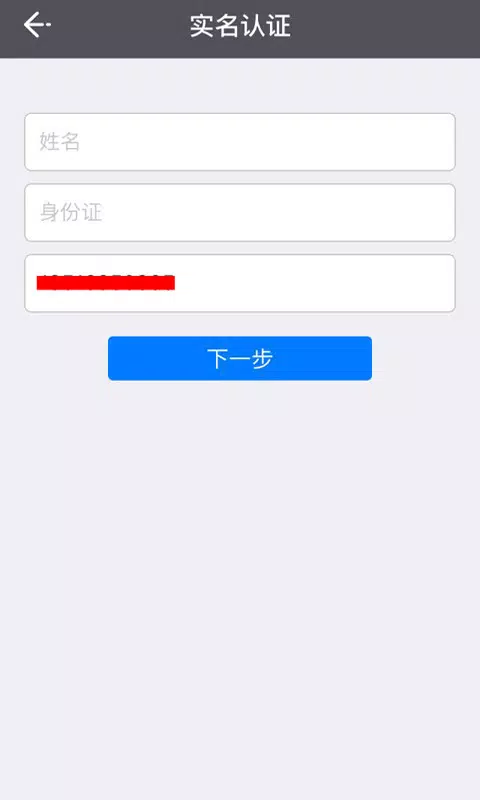
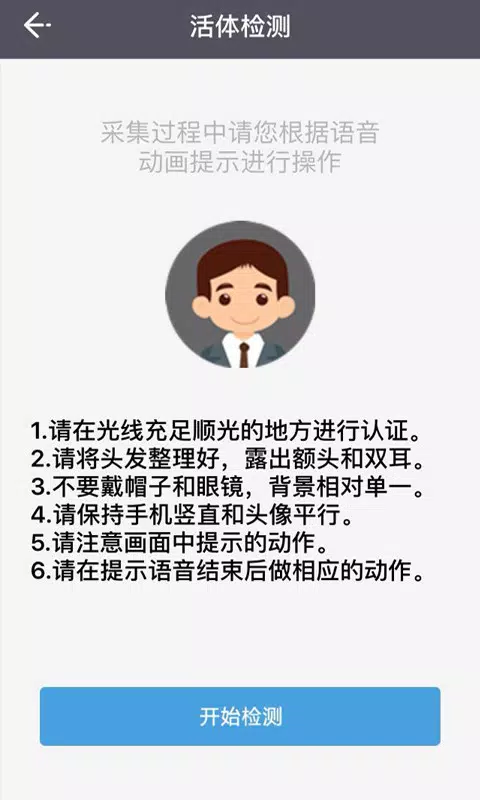
The app guides users through a stepwise verification flow: account creation, submission of required identity data, and a confirmation stage handled by the supporting authentication service. Common controls include simple navigation tabs, an on‑screen scanner for presenting or scanning QR credentials, and configurable privacy settings that let users restrict who can see their information. Camera and network permissions are requested only when needed; the interface uses clear labels so users understand each action before sharing any credential. For organizations, the scan workflow returns a concise verification result rather than extensive raw data, helping preserve user privacy while confirming identity.
Progression and credential lifecycle
Rather than a gamelike progression, e维身份 uses a verification status model that changes as the user completes required steps: unverified, pending verification, and verified. This status is visible to users so they know when a credential is accepted by third parties. Credential lifecycle management is built in: users can renew or revalidate a credential when required by changes in their personal data or when the issuing rules are updated. Logs of verification attempts are available to the account holder, helping them track usage and detect unusual access attempts.
Visual style, level structure, and customization
The visual design favors high contrast, minimal screens, and a focus on readable typography so information is accessible in both bright and low‑light conditions. The app organizes scenarios into logical flows—online remote checks, in‑person scan presentation, and administrative verification—so users and organizations encounter only the controls relevant to their situation. Customization options let users manage visibility of profile fields, choose whether to require a PIN or biometric unlock before showing a QR, and set notification preferences for verification events.
Replay value and typical user experience
While not a game, e维身份 offers practical reuse value: a single verified credential can streamline repeated interactions with service providers, reduce time spent on identity checks, and make routine transactions smoother. The app is designed for fast, predictable sessions—present a QR, confirm identity, and proceed—so users who rely on regular verifications will find the experience increasingly efficient. Notifications and an activity history help users stay informed about when their credential is used or requested.
Accessibility and offline behavior
Accessibility considerations include scalable text sizes, clear contrast, and straightforward language to serve a broad user base. VoiceOver and TalkBack compatibility is supported for the basic flows, and the app minimizes unnecessary animations to reduce cognitive load. The QR credential can be displayed locally for in‑person scanning without an immediate network connection, but full remote confirmation of a verification event generally requires connectivity to the authoritative service. The app provides clear messaging to indicate when a verification is local only versus when online confirmation is available.
Security considerations and limitations
Security is central: the QR credential is unique and must be treated as a sensitive item. Users are advised not to share screenshots or copies of their QR with untrusted parties. Remote verification depends on network availability and the supporting authentication infrastructure—service interruptions or limited connectivity can delay confirmation. Account protections such as optional biometric locks, session timeouts, and event alerts help reduce the risk of unauthorized use, but users should follow recommended privacy practices to maintain control over their identity credential.
Development Team and version notes
The system behind e维身份 is based on Internet Trusted Identity Authentication provided by the Research Institute of the Ministry of Public Security, which supplies the authoritative verification framework used by the app. Recent updates focus on improving the remote verification experience, clarifying consent prompts, and expanding accessibility features for screen readers and larger font sizes. Version 2.0 introduced the streamlined remote verification flow and the convenient QR presentation mode to make identity checks more flexible for both individuals and verifying parties.
Overall, e维身份 aims to reduce friction in identity verification while keeping control and privacy in the user's hands, offering a practical tool for organizations and individuals that need a dependable way to confirm real names across multiple service scenarios.
- No virus
- No advertising
- User protection
Information
- File size: 53.40 M
- Language: English
- Latest Version: 3.1.3
- Requirements: Android
- Votes: 364
- Package ID: eweishenfen.app
- Developer: 杭州九威科技有限公司
Screenshots


















Explore More
Discover and share the hottest events around with our intuitive apps. Find local concerts, festivals, shows, and more based on your unique interests. Create customizable calendars of upcoming events to coordinate schedules with friends. Purchase tickets seamlessly from our integrated platforms. Check real-time transit schedules to plan your trip. Access maps, directions, and parking information for any venue.

Bloomberg Connects

Metro Micro

TVSMILES

OnDjoss

Park4Me

Scary sound effects

Home Workouts - Lose Weight

TownSq Community