


Introduction
Mammakarzinom onkowissen is a focused clinical reference designed for oncology professionals who need concise, evidence-informed guidance on metastatic breast cancer at the point of care. The app name, Mammakarzinom onkowissen, appears here to make clear the product being described and to orient clinicians to a single, practical resource that compiles therapy algorithms, drug summaries and management strategies for HR+, HER2+ and triple-negative disease. This introduction outlines how the app supports rapid decision-making in busy hospital settings, outpatient clinics and remote consultations while preserving clinician autonomy.
Overview
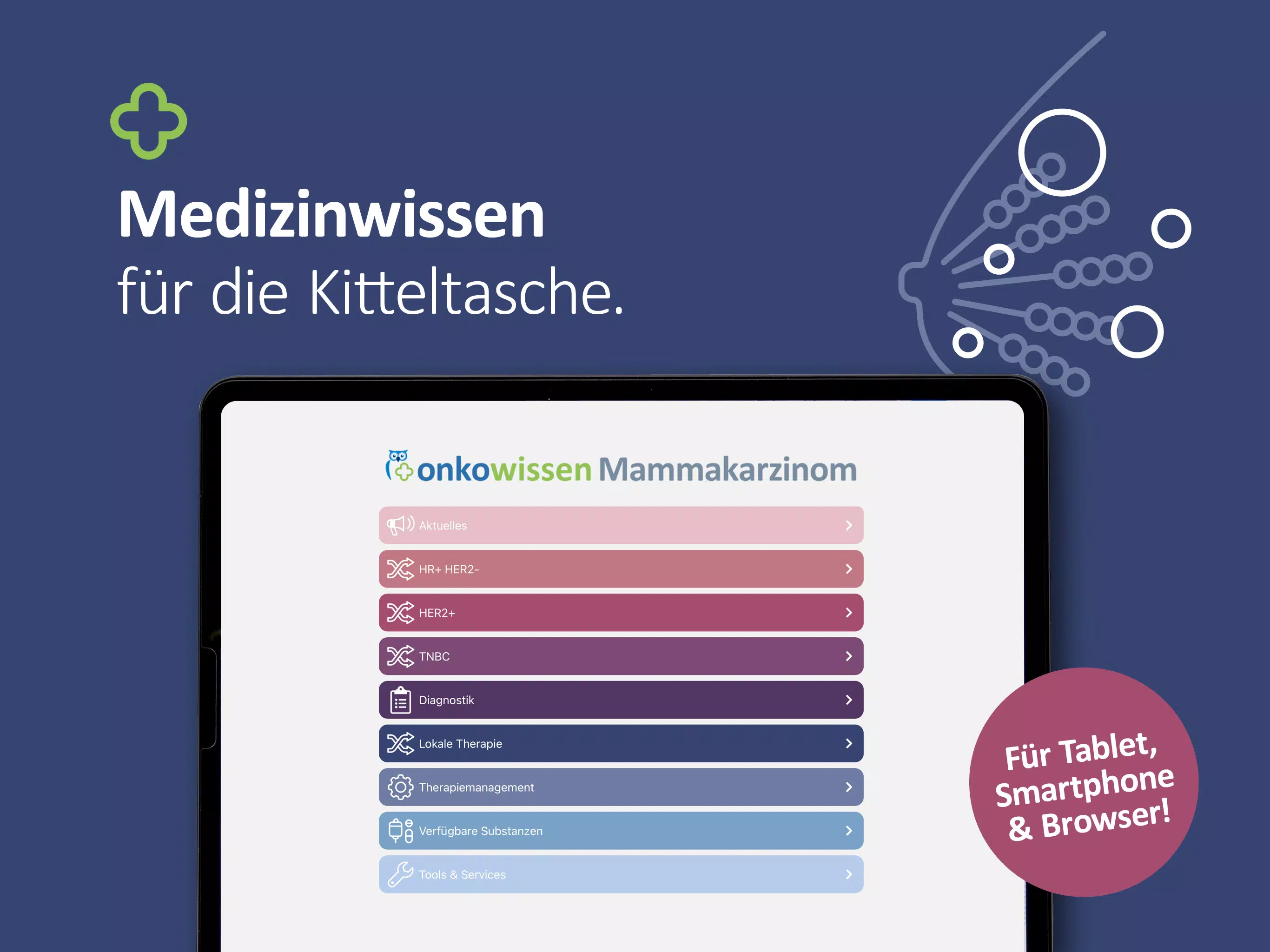
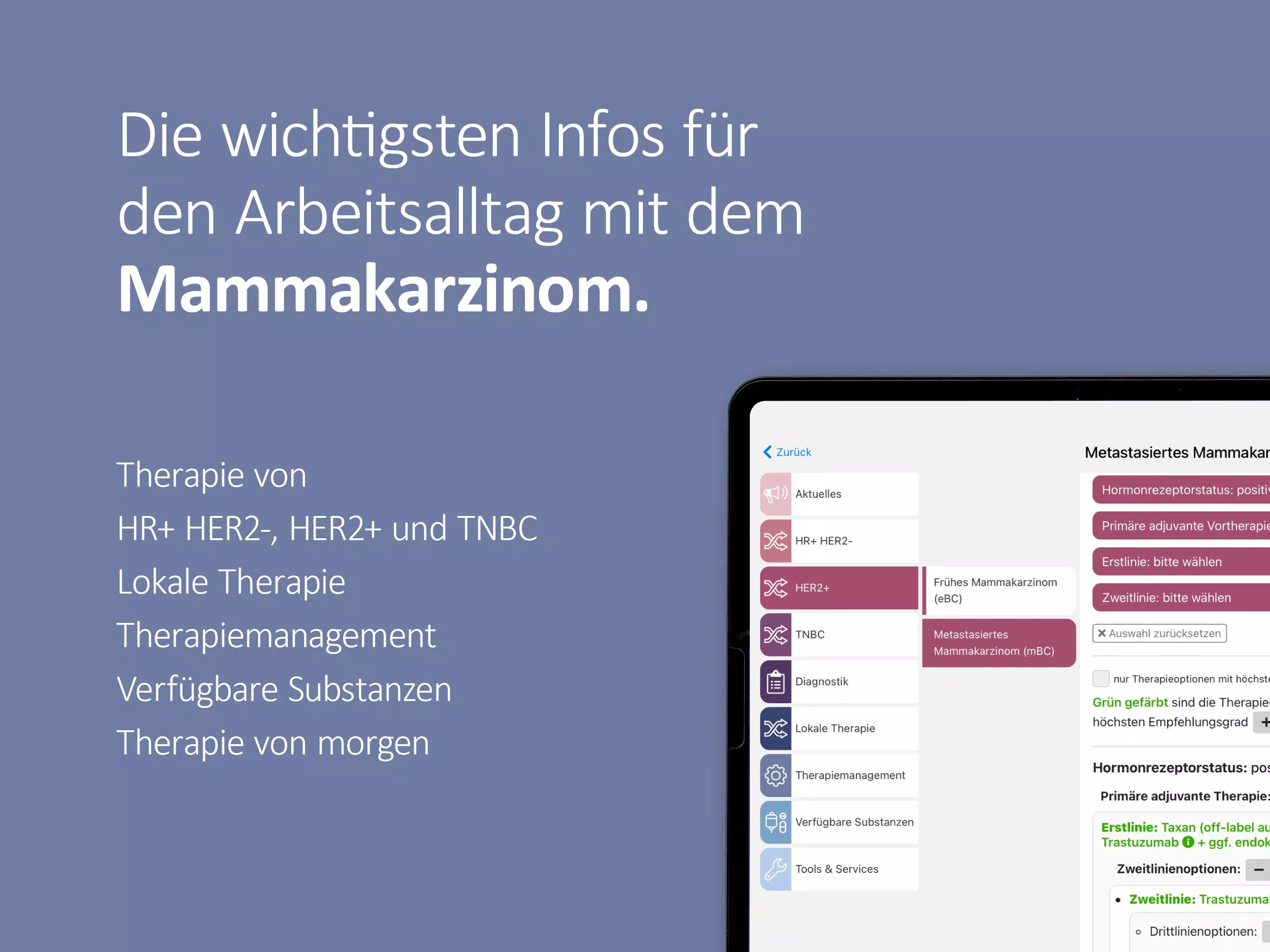
This editor review looks beyond a simple feature list to explain the underlying approach: Mammakarzinom onkowissen organizes content by biologic subtype and line of therapy, turning complex treatment pathways into stepwise, actionable sequences clinicians can follow in real time. Content is curated by specialists and presented in short, clinically focused entries that prioritize key decision points, common contraindications, typical adverse event patterns and monitoring recommendations. The app emphasizes clarity over volume, making it easier to connect the latest agents and emerging options with everyday management needs.
Navigation and Controls
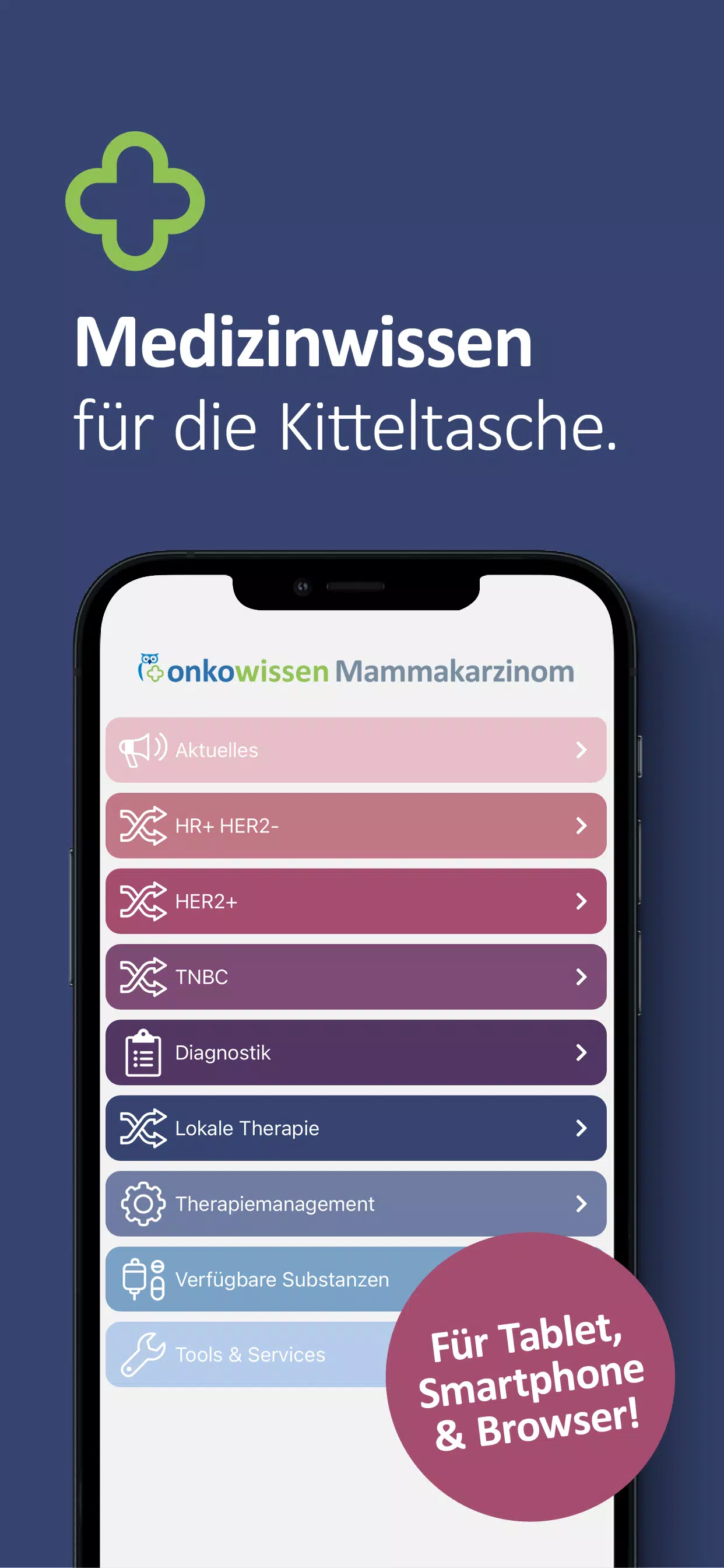
Interaction is optimized for touch-first clinical use. Primary controls include a fast search bar that accepts drug names, mechanisms or clinical keywords, swipeable algorithm flows that reveal subsequent decision nodes, and context menus to jump between related sections without losing your place. Screens are arranged with large tappable areas, clear headings and progressive disclosure so a user can drill down from a high-level treatment pathway into specific dosing, sequencing and safety notes in two or three taps. Filters let clinicians narrow content by subtype, therapy class or line of therapy, supporting quick triage between alternative options.
Clinical Content and Progression Systems
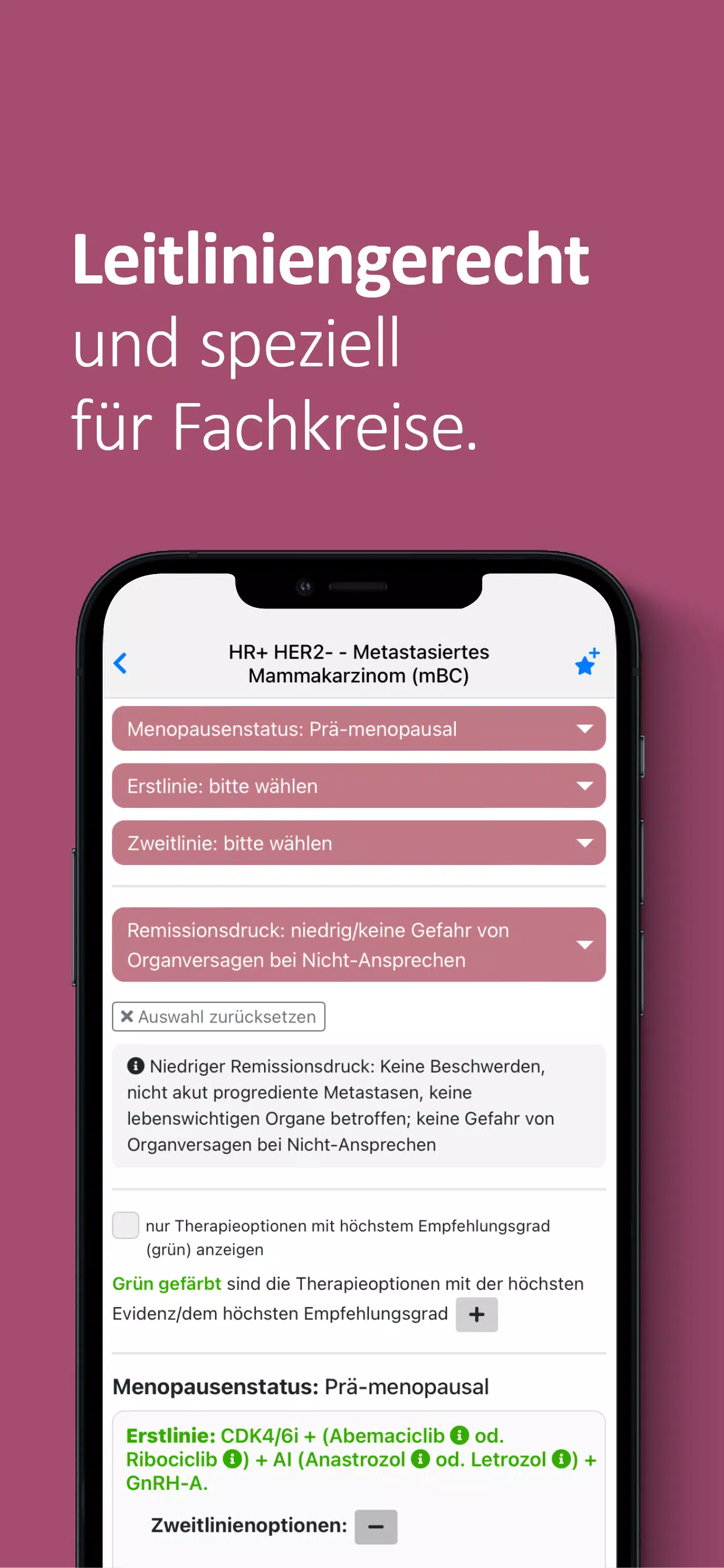
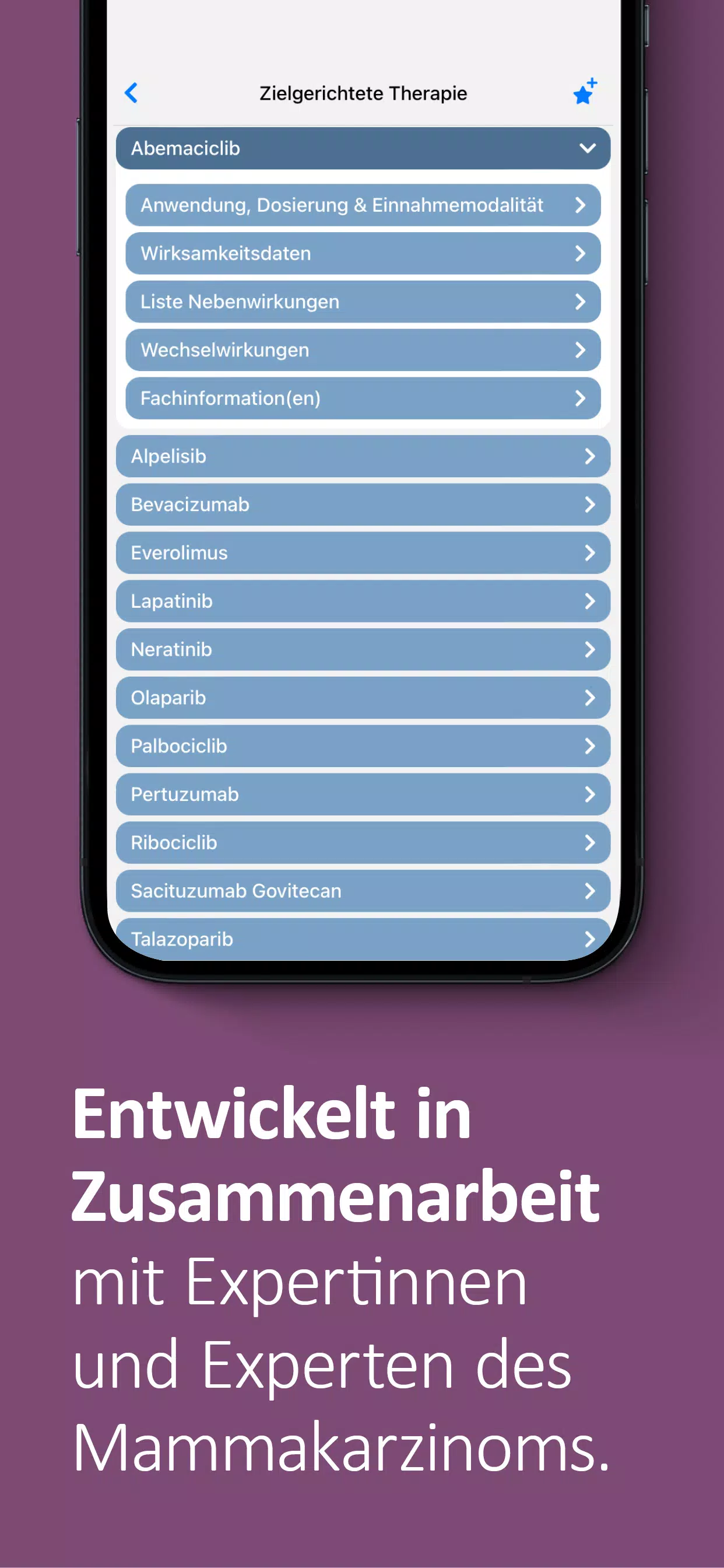
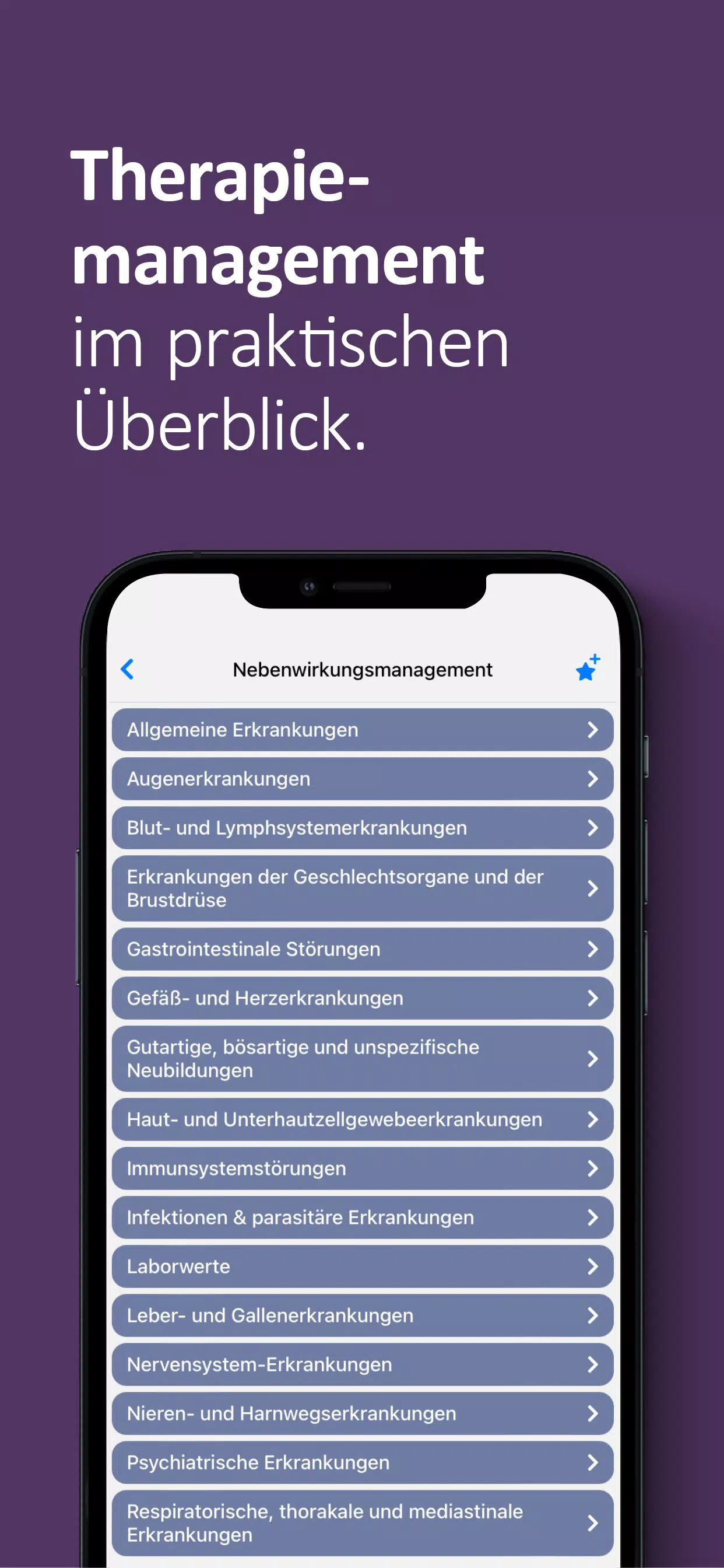
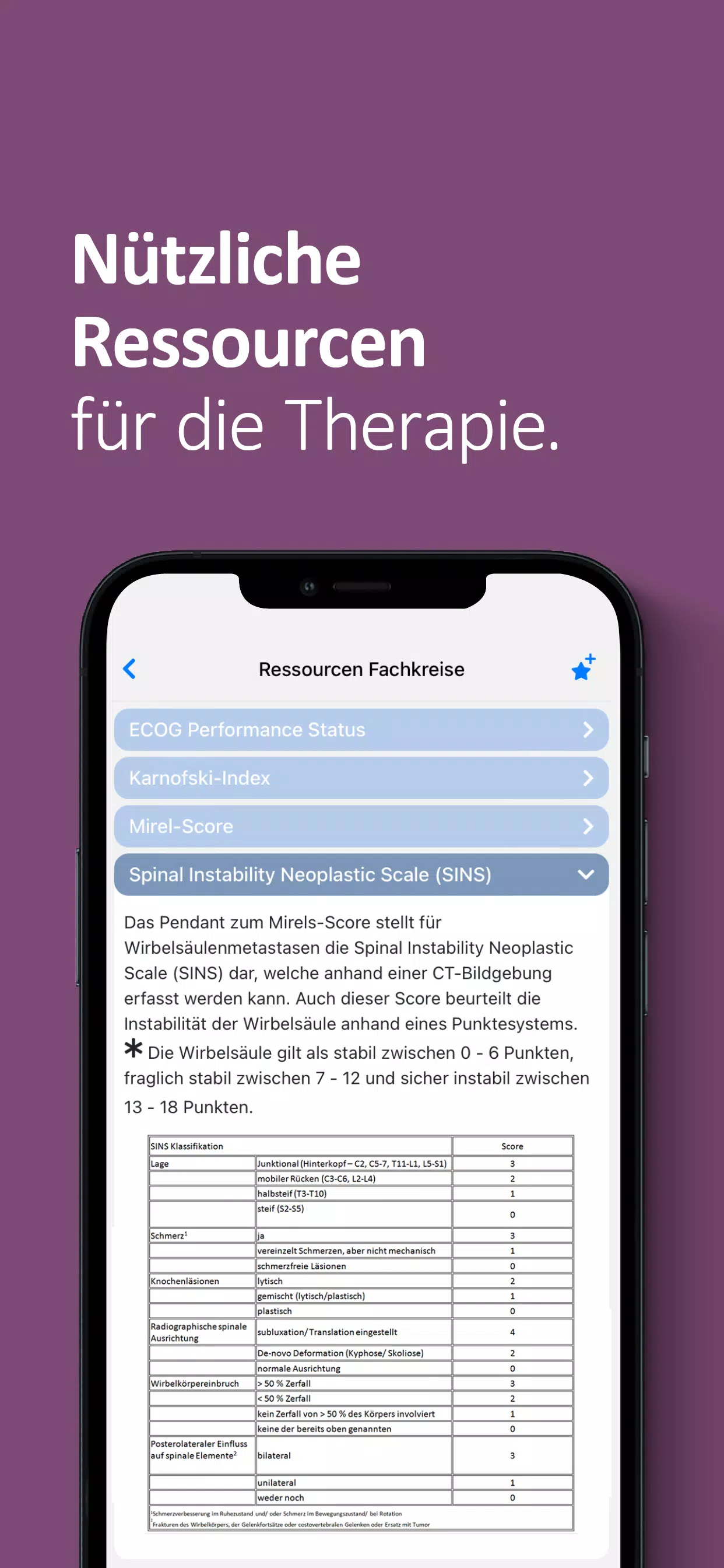
At the core of the app are its progression systems: therapy algorithms that mimic clinical reasoning rather than static summaries. Each algorithm maps typical clinical scenarios — for example endocrine-resistant HR+ disease or HER2+ progression after first-line therapy — into sequential steps with rationale and references. These sequences function like a structured progression system: initial assessment, selection of preferred regimens, dose modifications for toxicity, and recommended monitoring. The app also summarizes currently available substances by mechanism and provides brief notes on emerging agents and clinical trial directions to help clinicians anticipate near-term changes in practice.
Visual Style, Level Structure and Customization
The visual design favors a clean clinical aesthetic with high-contrast text, restrained color coding to indicate subtypes or urgency, and consistent iconography to reduce cognitive load during fast consultations. Information is split into distinct levels: subtype overviews, first-line and subsequent-line algorithms, drug summaries, and practical management tips. Users can personalize their experience by adjusting font size for readability, setting preferred default subtype filters, and saving frequently used pathways for one-tap retrieval. These customization options keep the interface focused on what matters most for each clinician’s workflow.
Replay Value, Case Use and Offline Access
While not a game, the app offers replay value for clinicians studying complex management or teaching trainees: saved pathways and case-based walkthroughs allow repeated review of decision trees, and concise summaries serve as study prompts for board preparation or multidisciplinary meetings. The app is built to provide rapid access in variable network conditions; key reference pages and algorithms can be cached so users still have essential guidance during brief connectivity interruptions often encountered on wards or in remote consultations. Regular content updates preserve relevance and give users a reason to return as new evidence emerges.
User Experience, Accessibility and Challenge Systems
Designed for usability, the app supports adjustable text sizes, clear contrast for low-light environments and semantic labeling that aids screen readers, increasing accessibility for a range of users. The challenge systems are intellectual rather than gamified: complex clinical scenarios are presented as decision nodes that require synthesis of patient factors, prior therapies and comorbidities, encouraging active clinical reasoning rather than passive reading. The interface minimizes unnecessary taps and focuses on the evidence and practical management steps clinicians need when time is limited.
Professional Use, Limitations and Compliance
Access is restricted to authorized professional accounts to help ensure the content is used by qualified clinicians and to protect sensitive workflows. The app is an informational aid intended to support, not replace, individual clinical judgment; it does not substitute for institutional protocols, direct specialist consultation or full guideline review. Users should verify local approvals and availability of substances before applying recommendations. Mammakarzinom onkowissen aims to be a practical, clinician-oriented companion that streamlines access to curated metastatic breast cancer guidance while respecting the limitations inherent in point-of-care tools.
- No virus
- No advertising
- User protection
Information
- File size: 29.30 M
- Language: English
- Latest Version: 2.3.0
- Requirements: Android
- Votes: 205
- Package ID: de.onkowissen.mbctransparent
- Developer: onkowissen
Screenshots
















Explore More
Equip yourself with our all-in-one toolbox app for everyday tasks and projects. Instantly convert between units, calculate tips, scan documents, manage files, and more with handy productivity tools. Includes a level, compass, QR code reader, ruler, speedometer, decibel meter, and flashlight. Save frequently used tools to your customizable dashboard for one-tap access. Track billable hours, wages, budgets, and invoices. Annotate screenshots, magnify labels, and sign PDFs on the go.

myJersey

Training Feel
7 Bussid Private Bus Mod

1win

Iwan fals Paling Lengkap

CZUR

The Doylo

Radio You FM 106.9