

Introduction
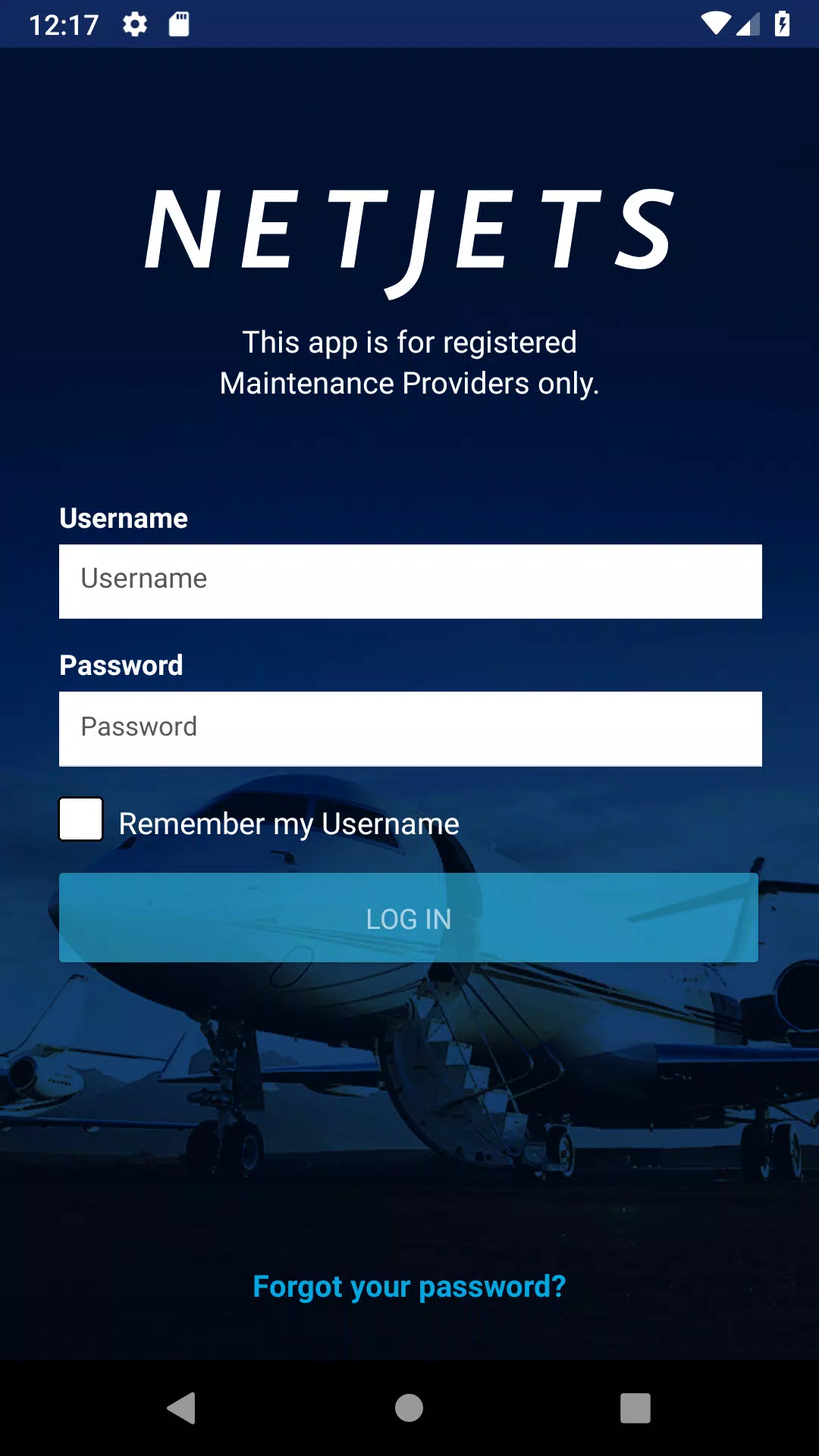
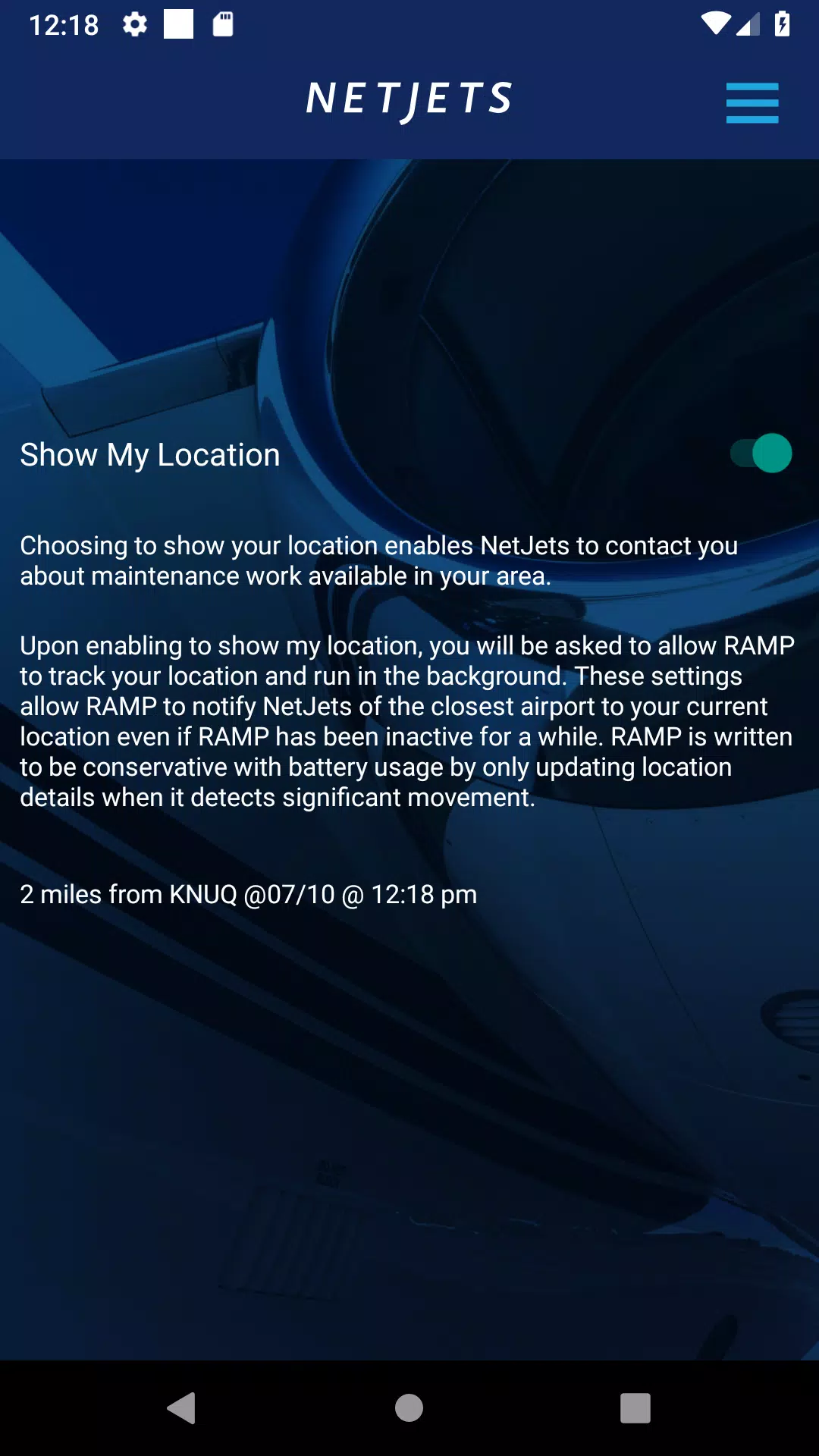
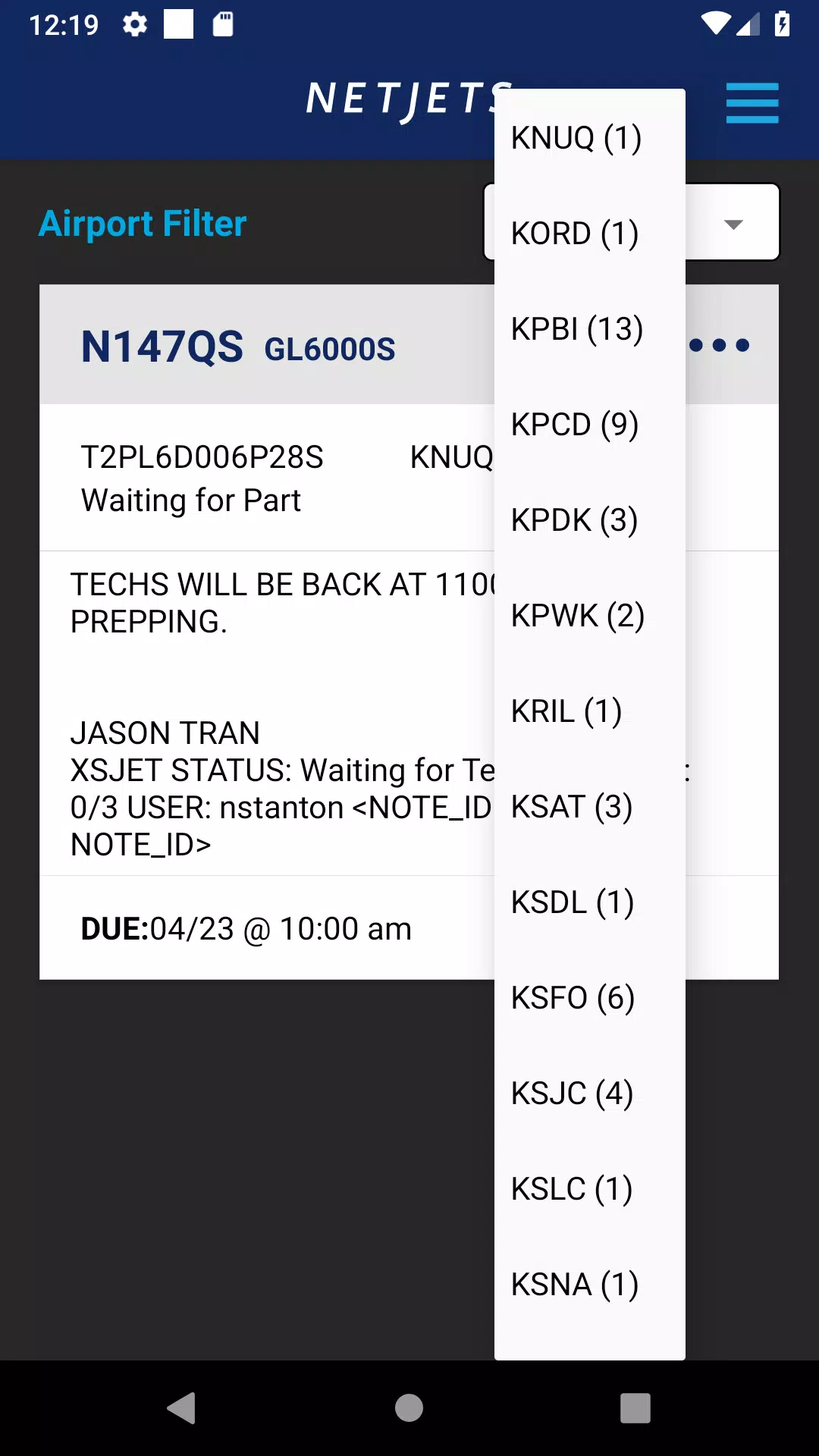
NetJets RAMP is a Remote Access Maintenance Portal built to connect aviation service providers with maintenance personnel, helping partners show availability and proximity to job sites. NetJets RAMP places the core controls within immediate reach: a clear Show my location toggle that broadcasts your position when enabled, simple status markers to indicate availability, and minimal on-screen fields so technicians can update their state with one or two taps. The first paragraph of any onboarding explains how to opt in to location sharing, set a default availability status, and start receiving assignment notifications — all designed to reduce friction for crews who must move quickly between hangars and aircraft.
Key features and practical behavior
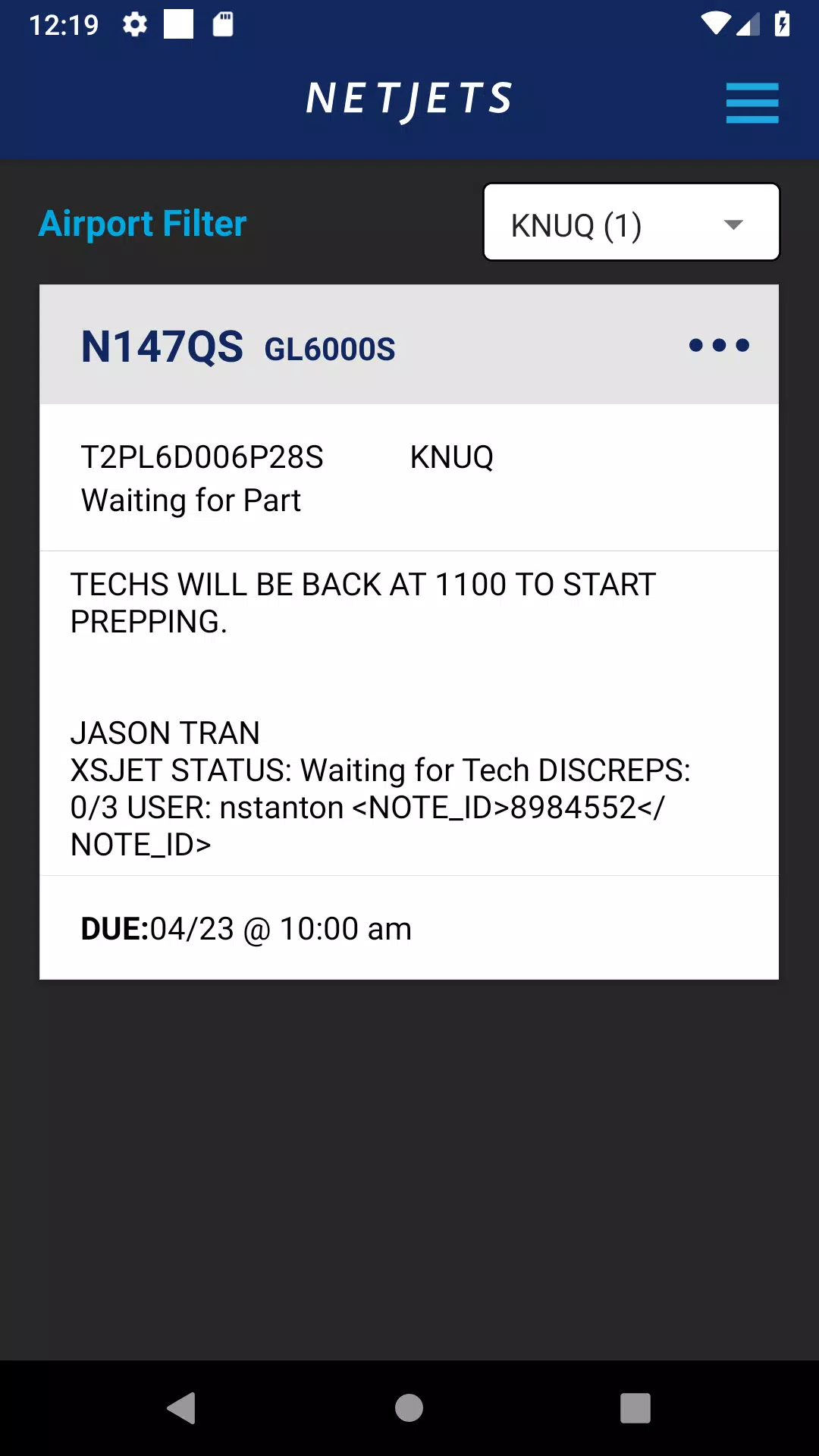
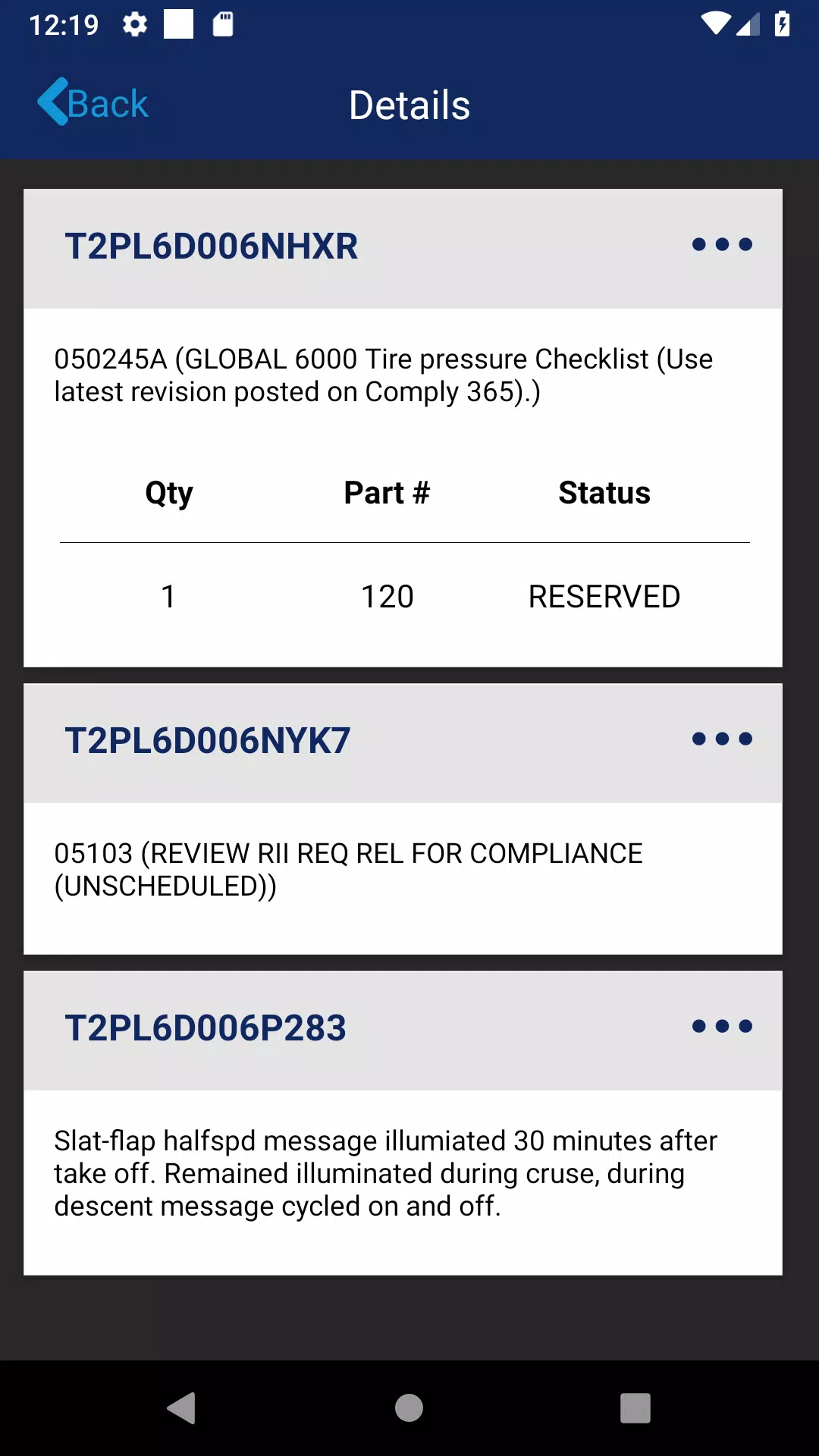
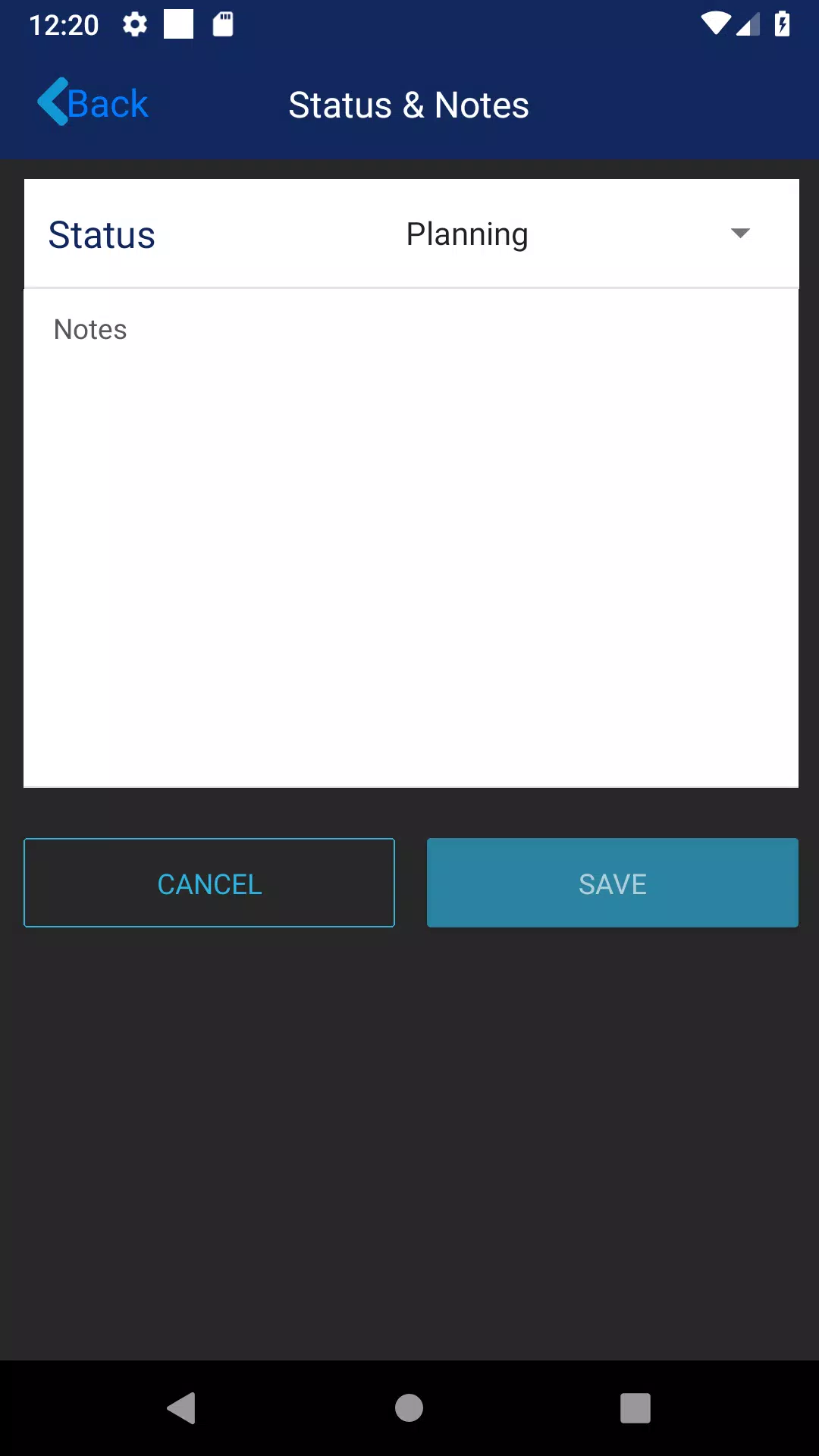
The application emphasizes straightforward functionality rather than feature bloat. A single-screen status panel lets users set availability, report en route or occupied states, and see the last known proximity of responding technicians. Location sharing is explicit and reversible; enabling the Show my location toggle displays a green indicator so partners know the user is currently broadcasting position. Status updates are lightweight and persistent, so organizations can rely on timely information without requiring long forms or repeated confirmations. Integration points are intentionally simple: status and location data can be exported or synchronized with existing maintenance workflows to accelerate dispatching and reduce aircraft downtime.
Controls, workflows and progression
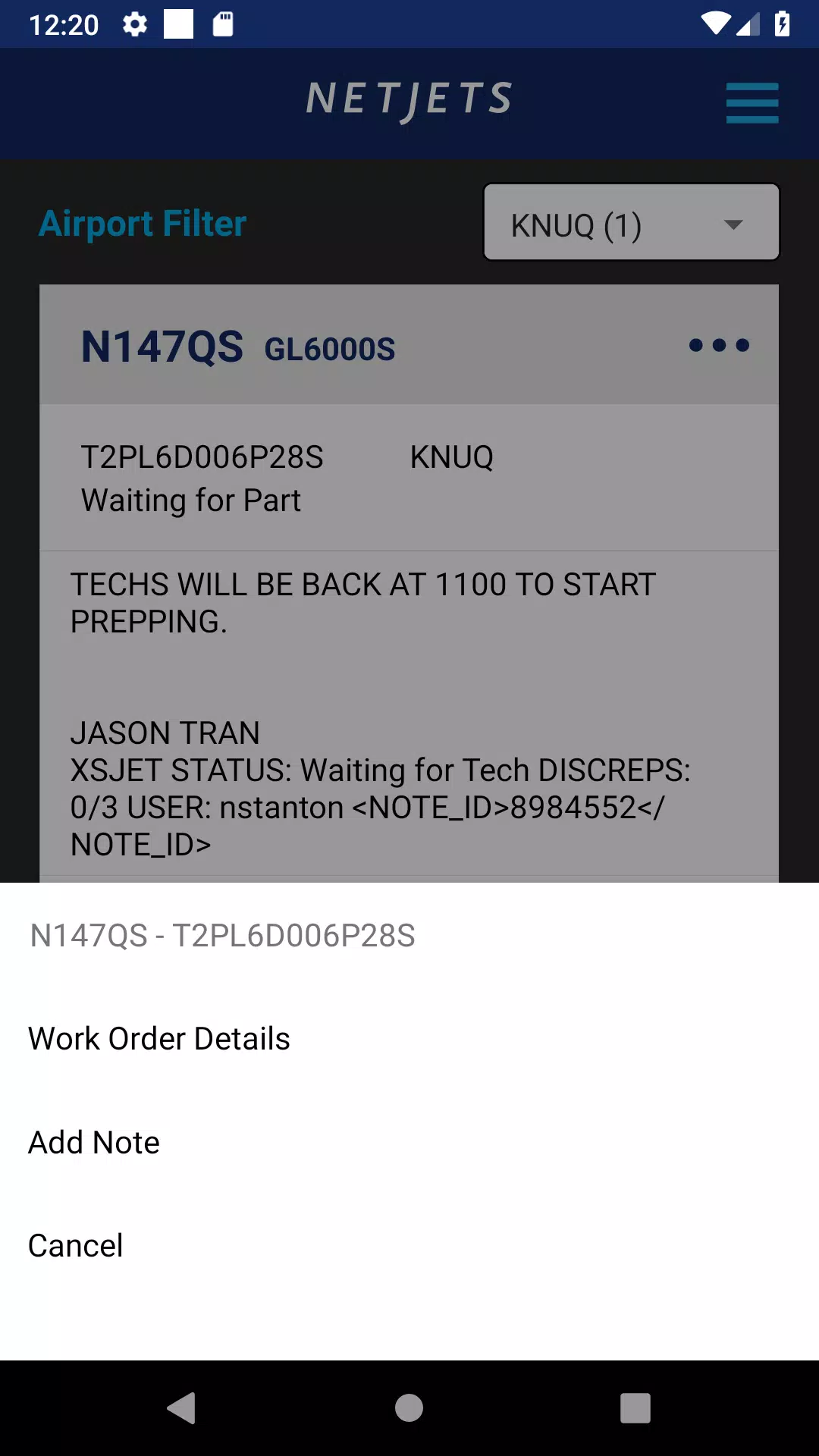
Controls are designed for one-handed operation in the field. Large touch targets and a focused interaction model make it straightforward to accept an assignment, update status, or toggle visibility while wearing gloves. Progression is operational rather than gamified: technicians and organizations gain efficiency through repeated use, creating faster dispatch patterns, clearer routing, and fewer delays. Onboarding walks users through permission settings and suggested status conventions so teams share a common language for available, en route, and on-site states. Over time, an organization can refine those conventions to match local dispatch practices and improve response consistency.
Visual style and accessibility
The user interface favors high-contrast, color-coded indicators and concise text to be readable in bright hangar light or on small devices. Status indicators use color and shape to communicate at a glance, while labels provide context for assistive technologies. Font sizes and spacing follow accessible design so technicians with limited screen time or visual constraints can operate the app confidently. Visual simplicity also conserves battery life and reduces cognitive load, which is important when personnel are executing safety-critical procedures.
Offline behavior, reliability and synchronization
Because technicians often move through areas with intermittent cellular coverage, NetJets RAMP caches recent status and queued updates locally and synchronizes automatically when network connectivity is restored. Location sharing and status changes are timestamped so a receiving dispatch system can reconcile delayed updates. The caching strategy minimizes data loss and avoids forcing repeated manual updates after brief signal outages. When connectivity returns, the app attempts a background sync to reduce the need for user intervention while preserving the integrity of the maintenance workflow.
Integration, security and privacy
The product is designed to coexist with existing operations rather than replace them. Export and import options allow organizations to route status and location data into their established dispatch or maintenance tracking systems, and administrator controls enable teams to define visibility rules and partner access. Location sharing is opt-in by design: users must explicitly enable sharing to appear available to partners, and they can revoke consent at any time. The app minimizes retained personal location history and emphasizes transient, task-oriented visibility to meet privacy expectations while supporting operational needs.
Use cases, value and long-term utility
NetJets RAMP is most useful for fleets and service organizations that need quicker coordination between technicians and operations staff. In routine maintenance cycles, the app reduces the time spent confirming who is available and where they are located; in urgent situations, rapid location sharing and clear status updates help route the nearest qualified technician to the job. Because the interface focuses on repeatable, lightweight interactions, adoption is typically fast and sustained: teams use the app repeatedly during shifts to keep status current, which drives improved scheduling, fewer misallocations, and more predictable turnaround times.
- No virus
- No advertising
- User protection
Information
- File size: 115.00 M
- Language: English
- Latest Version: 5.9
- Requirements: Android
- Votes: 473
- Package ID: com.netjets.RAMPPublic
- Developer: NetJets Inc.
Screenshots
















Explore More
Explore an immersive world of entertainment with our media software. Watch, listen, and engage with your favorite shows, music, movies, and more. Access exclusive content, personalized recommendations, and innovative formats. Enhance your experience with our suite of cutting-edge applications. Discover hidden gems tailored to your unique tastes. Create, share, and connect over personalized playlists, reviews, and forums.

Joust Kindle Fair Coral

Best Phone Ringtones

اذكار الصباح والمساء-أذكارمسلم

Kids Learning games 4 toddlers

Free Fire help 2019

Glider Typing

CellSwipe

Pocket Golf